Try our novelties and bestsellers!»







Dermatology, Tips
6 things you didn’t know about rosacea
21
Mar
Mar
Rosaceous acne is a benign but difficult to treat and care for skin condition. It is now accepted that there are many factors contributing to its formation. These include genetic factors, diet, psychological issues, certain bacteria and allergic reactions. Here are 6 facts that are rarely discussed in relation to rosacea (acne rosacea).
6 facts about rosacea
- Rosaceous acne often causes symptoms similar to conjunctivitis – red and tender eyes, sand in the eyes, red eyelids. These are just some of the possible variations of the disease. Sometimes, from the spectrum of skin symptoms, there is a slight erythema, in which case the ophthalmologist may have difficulty associating the condition with rosacea.
- No cure for rosacea has yet been discovered. However, there are a number of treatments and aesthetic medicine programmes, dermocosmetics that can significantly improve the skin condition. And even almost completely extinguish the symptoms of the disease. A Article from Dermatology Review, edited by W. Plack, reads: ZRecommended therapies include both anti-inflammatory and targeted skin parasites. The basic preparations in topical therapy are metronidazole, azelaic acid, antibiotics, antiparasitic drugs such as ivermectin, and drugs that selectively affect vascular lesions. In more severe cases, tetracyclines, alternatively macrolides and, in extremely severe forms, isotretinoin are now considered the drugs of choice.
- The papulopustular version of rosacea is often confused with adult acne. That is why we consult a dermatologist if we suspect rosacea. We do not use any ointments or treatments on our own
- People affected by rosacea are 5 times more likely to be depressed. 75% of patients have low self-esteem and suffer from erythrophobia, a fear of blushing. It is a social phobia associated with a fear of being judged.
- Systematic adherence to basic rules related to diet, hygienic lifestyle and avoidance of high stress can completely change the situation of a person suffering from rosacea.
- There is ongoing research into the causes of rosacea and possible therapies to completely eradicate the problem. A Article from Dermatology Review, edited by W. Plack, reads:Research in recent years indicates that an impaired innate immune response and pathologies within the vascular system of the skin play a primary role in the development of rosacea. Genetic background and the role of cutaneous, but not only, pathogens (e.g. Helicobacter pylori, Demodex) are also considered.
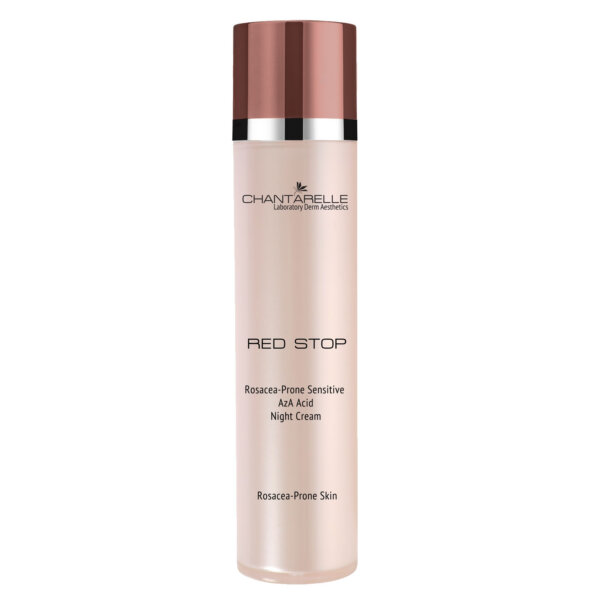
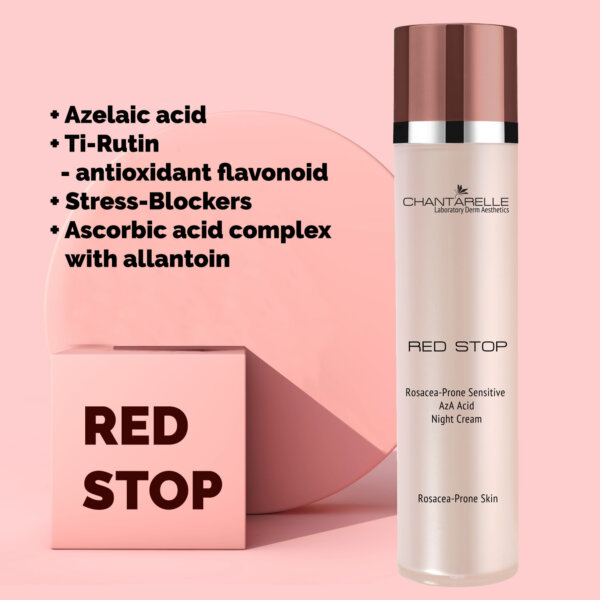
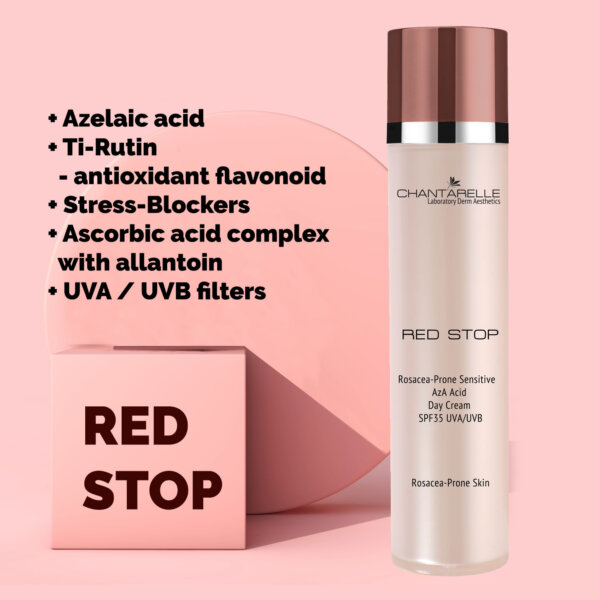
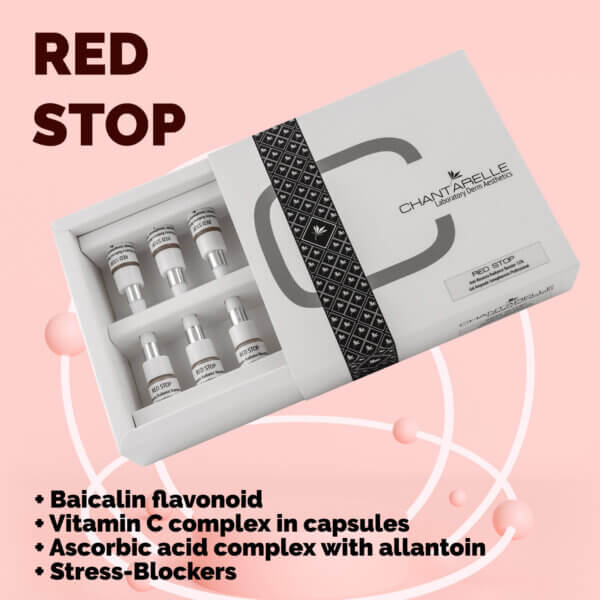
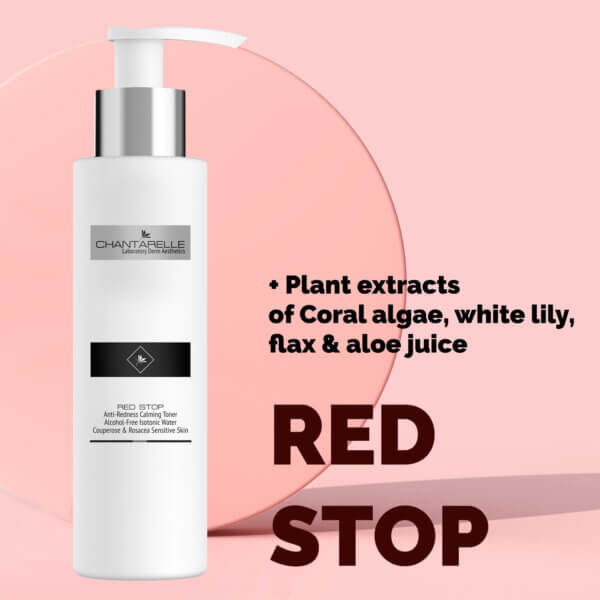
Cosmetics for skin with rosacea
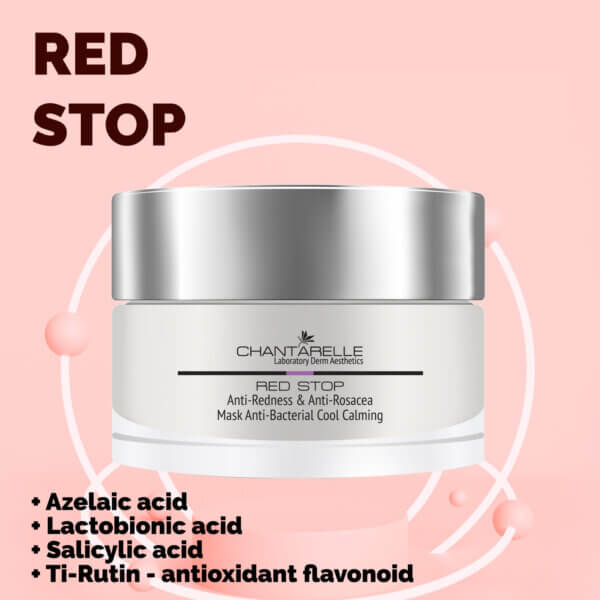
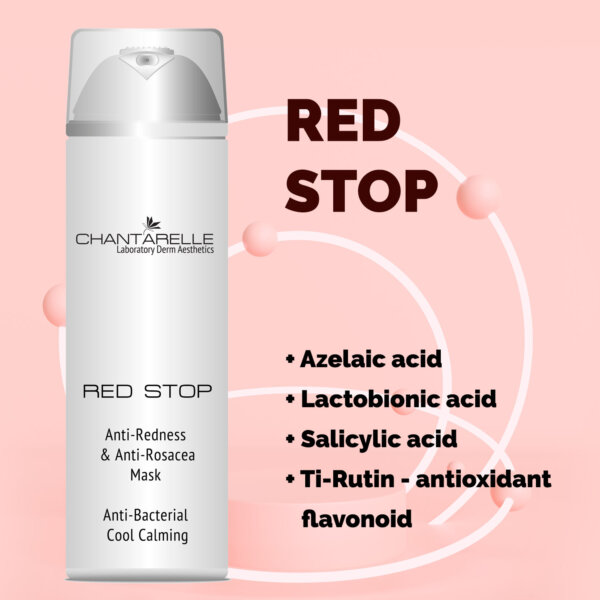
For professionals only
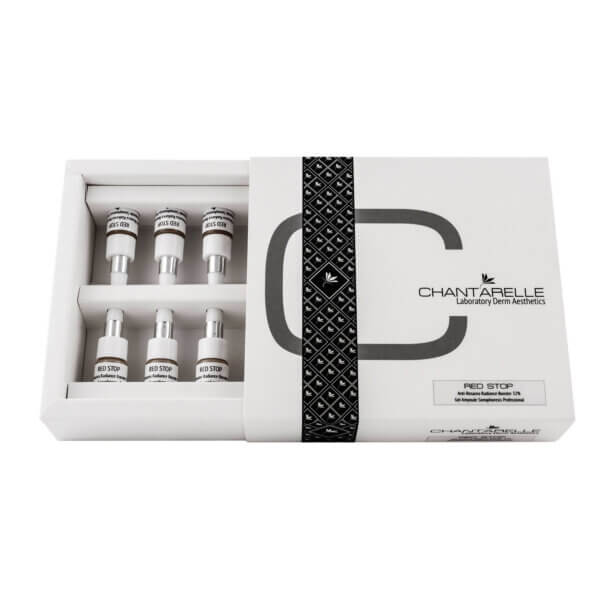
For professionals only