Try our novelties and bestsellers!»




Cosmetic treatments, Aesthetic cosmetology
Laser peelings – synergy of chemical acids with laser light
Nov
Laser peels – do cosmetic acids go hand in hand with laser therapy? Read our article and find out more about modern laser therapies in combination with chemical peels.
The skin protects us from harmful external factors, but it is also itself threatened by them. The ageing processes to which it is subjected, like any tissue in our body, are accelerated by pollution, improper care, the use of stimulants and ultraviolet radiation.
Combination treatments
To improve the condition of the skin, it is certainly important to take care of it properly. However, modern cosmetology provides a wider range of options and offers many rejuvenating treatments such as exfoliation, laser therapy. The question naturally arises – whether the combination of two methods will not bring even greater benefits to our skin by enhancing the individual action of each treatment. The synergy of the selected methods (i.e. their interaction) gives a stronger result than the sum of their separate actions. Such synergy allows the use of measures and techniques that act more gently and carry fewer risks and side-effects, while producing the expected results. It is worth taking a closer look at current scientific knowledge and identifying which combinations of methods are most promising. The advantages of combining different active substances or treatment methods is widely recognised. However, both new combinations and evidence of their effectiveness are still being sought.
Synergy of acids and laser LLLT
Acid treatments are pointed to as a prime example of such combined regimens. The first examples of combined acid treatments are layered or mixed treatments. The next step is to combine an acid treatment with a physical method such as LED or laser light (Linder, 2013). Therapies in which laser light assists in the delivery of active substances to the relevant skin layers are of growing interest. It could be said that laser light paves the way, literally and figuratively, for substances to act on our skin. An example of such a substance is precisely the acids used in chemical peeling treatments. A study of 15 people showed that the use of preparations containing vitamins C and E and ferulic acid accelerated skin renewal after fractional laser treatment (Waibel et al. 2016). Techniques using non-thermal light sources, such as low-energy lasers (LLLT) and LEDs, are of increasing interest (Avci et al. 2013). Such treatments are safer and do not require time for skin regeneration. Again, there is evidence of synergy between light and chemical peel treatments. Scientific evidence shows an increase in the efficacy of glycolic acid and vitamin C rejuvenation treatments using blue light and infrared radiation (Fournier, 2006).
Enhanced effect of treatments
By combining established LLLT rejuvenation treatments with chemical peels, the benefits of the chosen acid or mixtures of acids are enhanced. This gives a strong skin remodelling and rejuvenation effect. It also results in accelerated and deepened skin regeneration through the action of laser light. The correct choice of acid for a specific skin problem allows additional therapeutic benefits to be achieved. With such advantages, LLLT treatments used in combination with chemical peels are achieving increasingly better results for the skin and it is not surprising that they are attracting increasing interest.
Platinum Peel & Cure – a mixture of acids and laser light
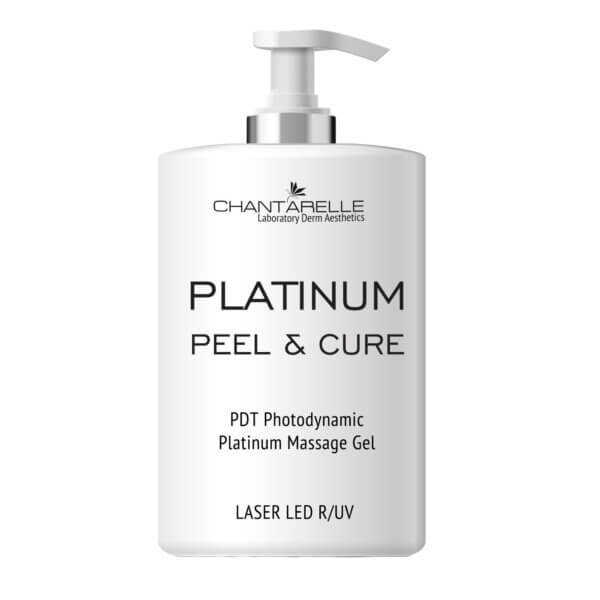
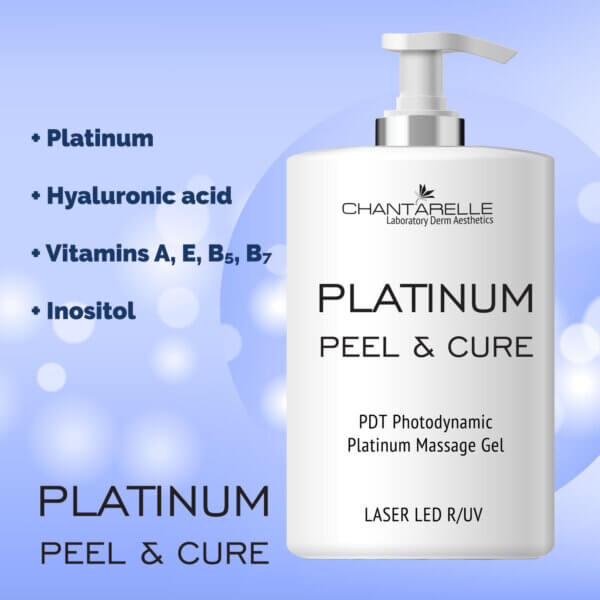
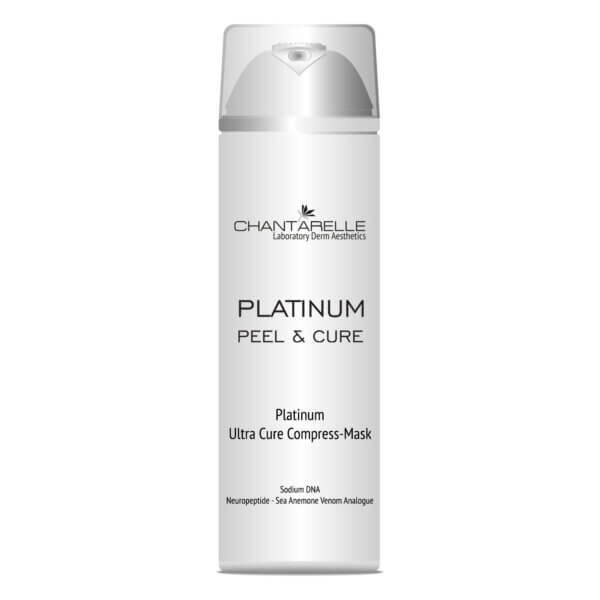
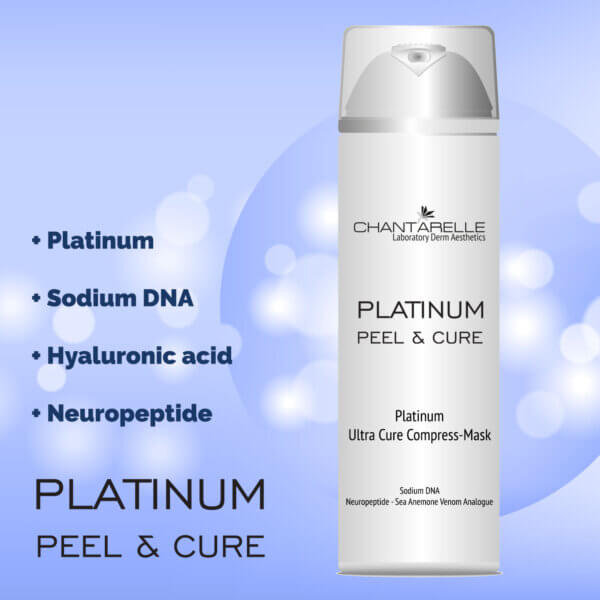
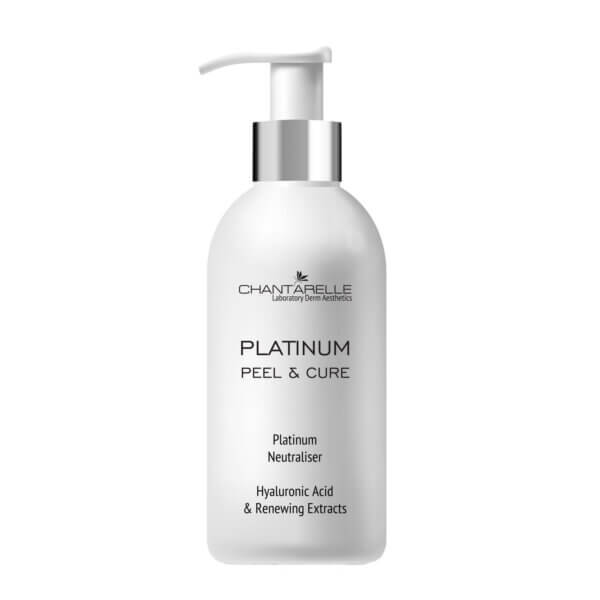
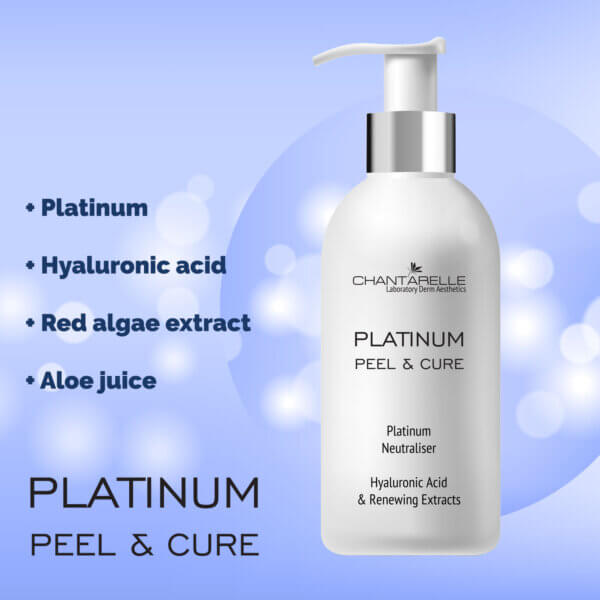
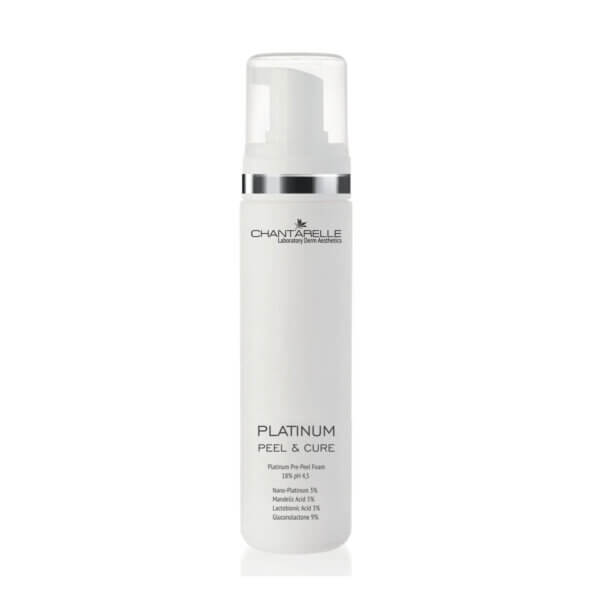
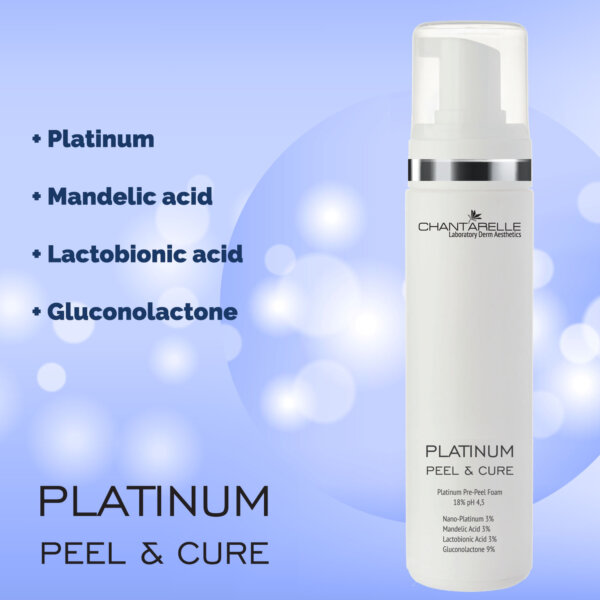
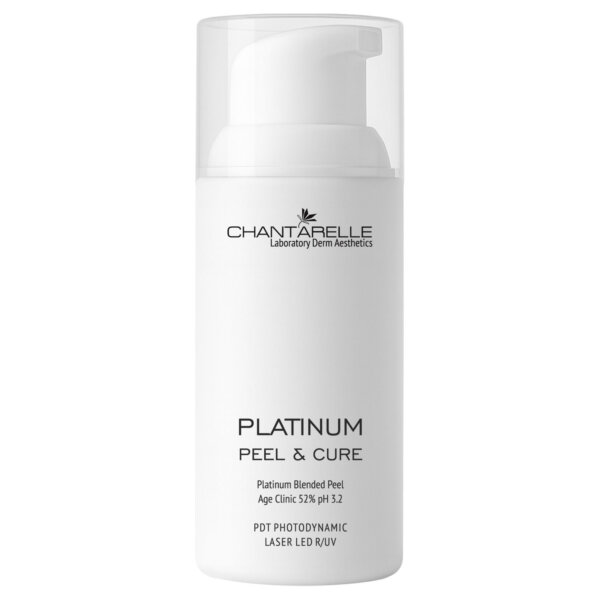
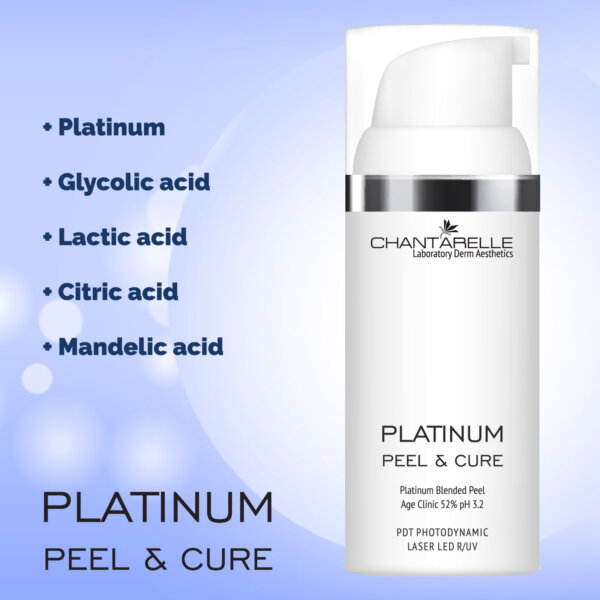
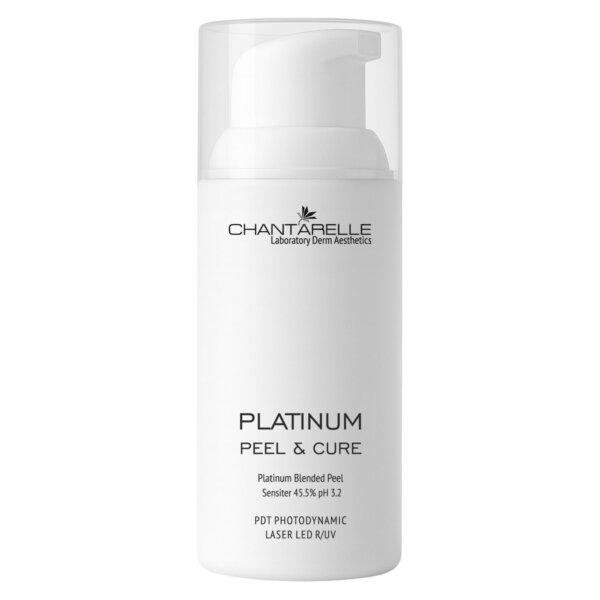
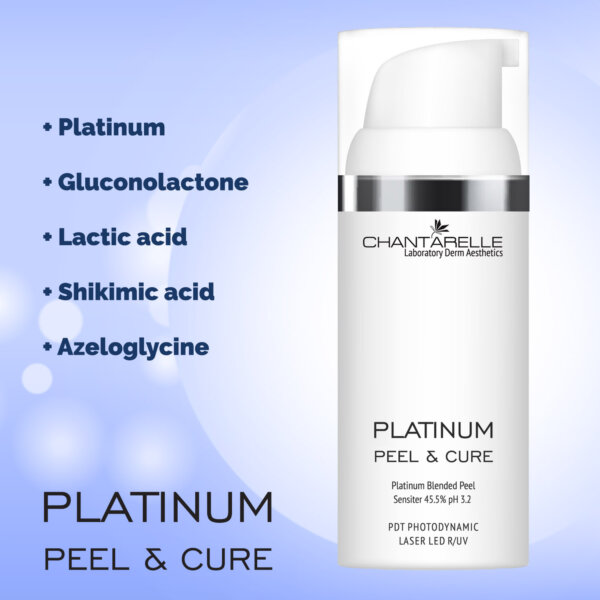
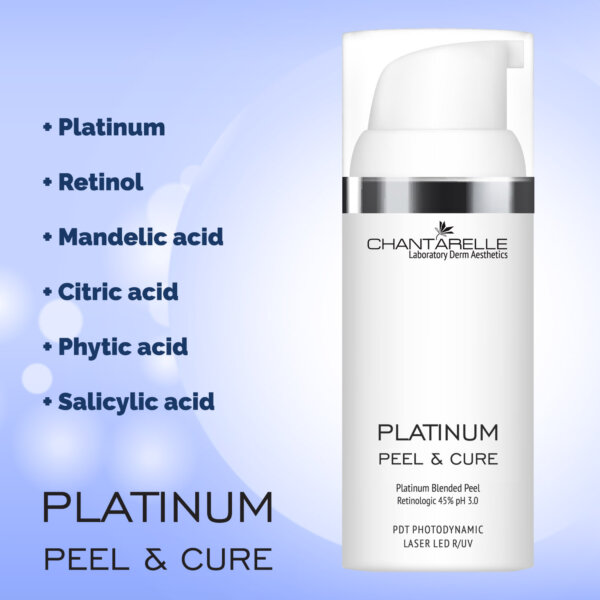
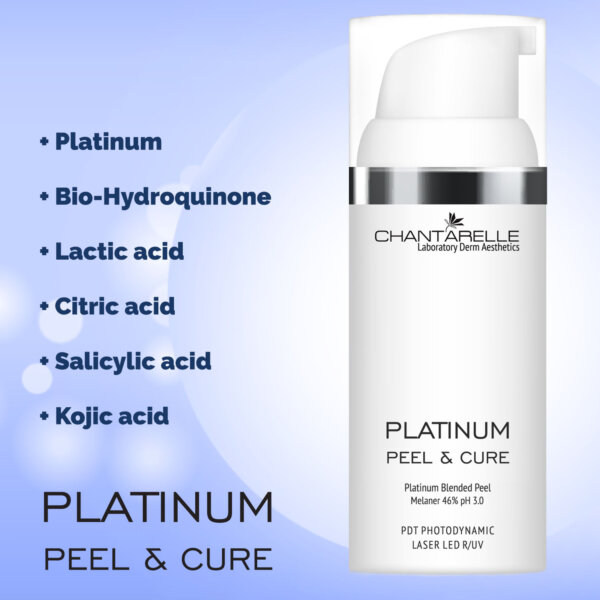
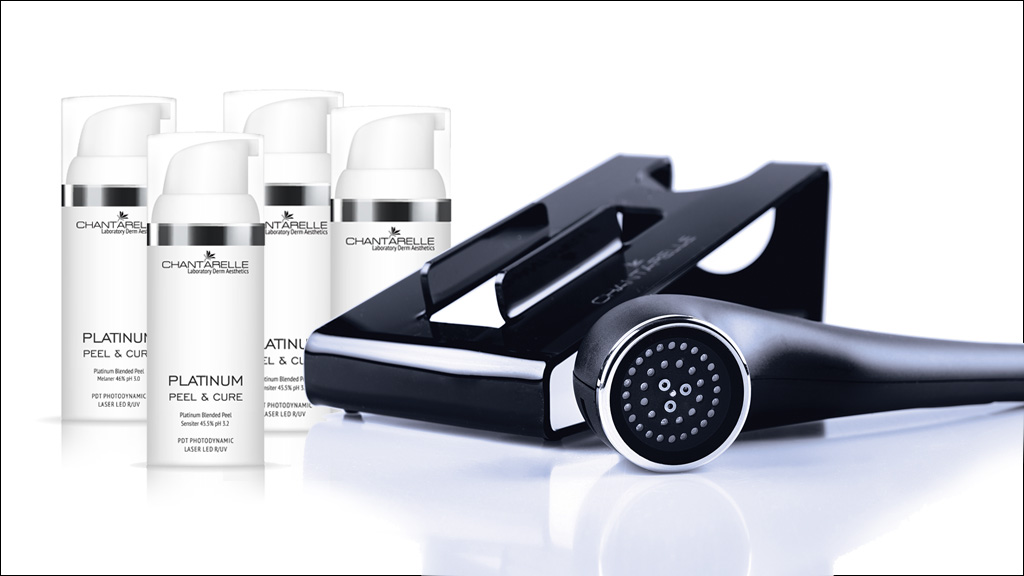
An example of such a treatment combining the action of acids and LLLT laser light is the Platinum Peel & Cure treatment by Chantarelle. Here, photodynamic peels are based precisely on the synergy of LLLT or LED laser light and organic acids. The therapeutic effect is particularly visible within the keratinocytes and fibroblasts, and in the mitochondria, the absorbed light energy gives rise to an increase in cellular energy and activation of nucleic acid synthesis. The dermocoagulation is based on the stimulation of cell metabolism, which enables the activation of protein synthesis by stimulating cell receptors, resulting in skin rejuvenation and therapeutic effects of skin problems.
 Dr Marcin Wasylewski
Chantarelle expert, biotechnologist and university lecturer
Literature:
- Avci, P., Gupta, A., Sadasivam, M., Vecchio, D., Pam, Z., Pam, N., & Hamblin, M. R. (2013, March). Low-level laser (light) therapy (LLLT) in skin: stimulating, healing, restoring. In Seminars in cutaneous medicine and surgery (Vol. 32, No. 1, p. 41). NIH Public Access.
- El-Domyati, M., & Medhat, W. (2013). Minimally invasive facial rejuvenation: current concepts and future expectations. Expert Review of Dermatology, 8(5), 565-580.
- Linder, J. (2013). Chemical peels and combination therapies. Plastic Surgical Nursing, 33(2), 88-91.
- Fournier, N., Fritz, K., & Mordon, S. (2006). Use of Nonthermal Blue (405-to 420-nm) and Near-Infrared Light (850-to 900-nm) Dual-Wavelength System in Combination with Glycolic Acid Peels and Topical Vitamin C for Skin Photorejuvenation. Dermatologic surgery, 32(9), 1140-1146.
- Waibel, J. S., Mi, Q. S., Ozog, D., Qu, L., Zhou, L., Rudnick, A., Mordon, S. (2016). Laser-assisted delivery of vitamin C, vitamin E, and ferulic acid formula serum decreases fractional laser postoperative recovery by increased beta fibroblast growth factor expression. Lasers in surgery and medicine, 48(3), 238-244.
Laser peels in the Platinum Peel & Cure