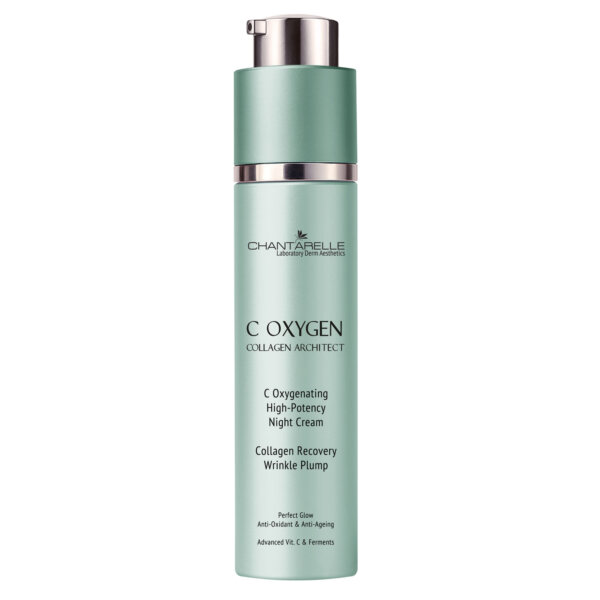
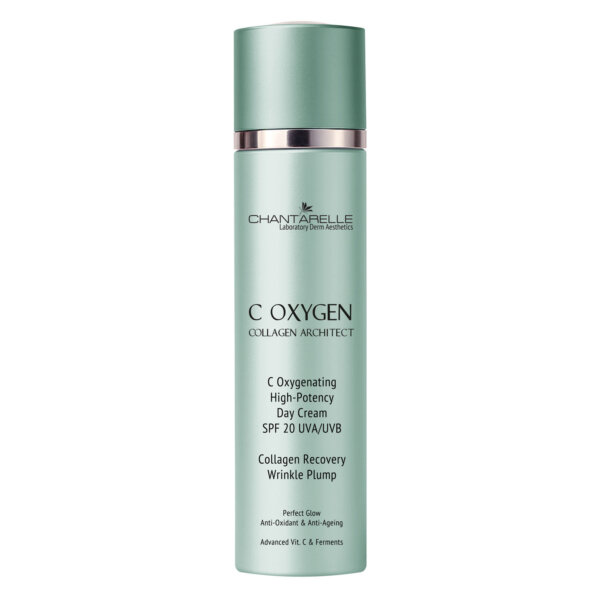
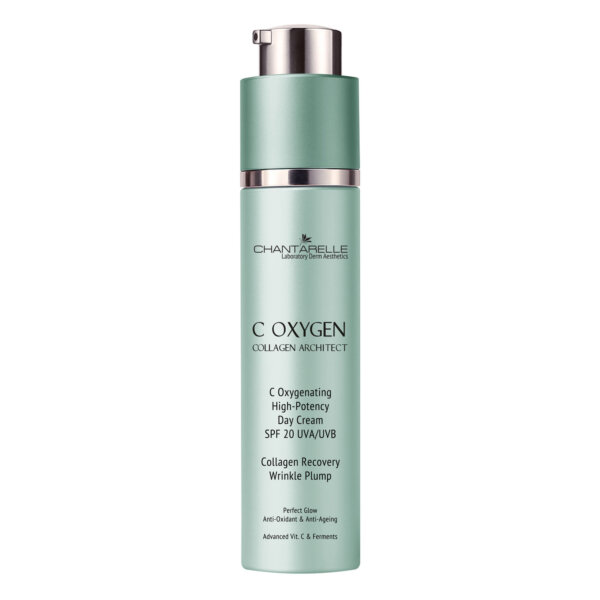
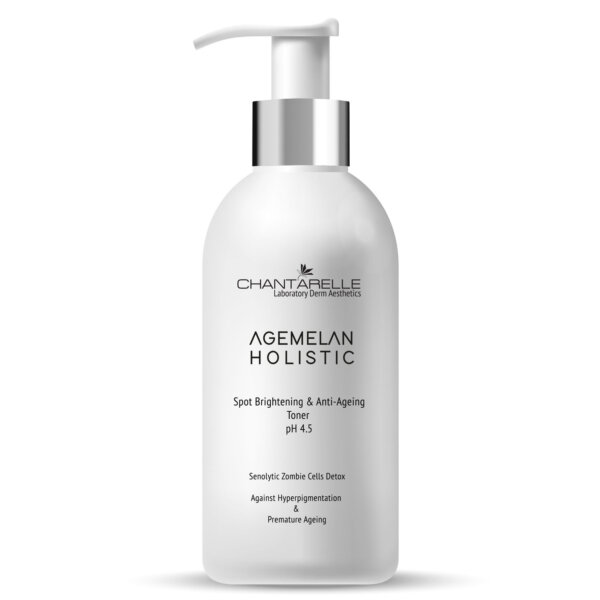
Try our novelties and bestsellers!»






Active ingredients in cosmetics
Vitamin ABC in cosmetics
May
Vitamins are chemical substances of varied structure essential for the proper functioning of the body. Their great importance in our diet has been known for centuries, and they have also been added to cosmetic preparations for many years. However, it is only recently that their effective effects on the epidermis and dermis have been confirmed. As we know, most vitamins should be supplied with food. Their deficiency or excess can worsen the condition of the body, while affecting the firmness and colour of the skin, but also the condition of the hair and nails.
The vitamins contained in skincare creams and medicinal preparations keep our skin healthy, prolong its youth, prevent inflammatory processes, protect against the harmful effects of the sun’s rays and add vitality. Each vitamin has a different spectrum of its action, but often combines two or more vitamins in one preparation. Below is a guide to vitamins that actively influence the condition and appearance of our skin.
Vitamin of youth
Vitamin A
Counted among the “vitamins of youth”. It is found in products of animal origin: meat and meat products, milk and dairy products, animal fats and fish fats (fish oil). As provitamin A, i.e. β-carotene (a plant pigment which is converted in the body into active vitamin A), it can be found in fruits: apricots, plums, cherries, and vegetables: carrots, tomatoes, spinach, lettuce, green peas, watercress, broccoli. Vitamin A influences the renewal of the epidermis, the renewal of collagen and elastic fibres. It prevents keratosis, roughness, smooths the skin, accelerates wound healing and protects against free radicals. Chantarelle home care preparations use a vitamin A derivative –retinol palmitate, which has a protective and regenerative effect on the epidermis, soothes inflammation, and is also responsible for the growth and maturation of epithelial cells. Another form is provitamin A – allantoin, which counteracts hypersensitivity and sensitisation to the sun. It also has antioxidant properties and protects against free radicals, which are the cause of faster skin ageing.
B vitamins
Vitamin B₁
(Thiamine) Very widespread in natural products, it is found in oatmeal and buckwheat groats and in legumes, yeast and pork, among others. However, it is very sensitive to heat and during food preparation, we can lose up to half of its content in a given product. Vitamin B₁ is needed for the proper functioning of the nervous system and the metabolism of carbohydrates. It also speeds up the healing of wounds and helps in the treatment of skin diseases. Vitamin B₂. (Riboflavin) It is found in milk and dairy products, dark bread, meat and offal, fish and peas, beans and yeast. It influences the renewal of the body’s tissues and thus the proper functioning of many internal organs. Its deficiency manifests itself, among other things, in the appearance of “cavities”, i.e. the cracking of the skin at the corners of the mouth, and an increase in the symptoms of seborrhoea, acne and related inflammatory changes on the skin.
Vitamin B₁₂
(Cobalamin) Found in spirulina algae, oily fish, pork – especially liver, lamb, eggs. It is involved in DNA synthesis, regeneration of red blood cells and supports brain function. It is therefore also essential for the regeneration process of the skin and epidermis. Its deficiency can cause anemia.
Vitamin B₃
(Vitamin PP, niacin) Most vitamin B₃ is found in liver, fish, nuts, cereal grains, milk, eggs and some vegetables: carrots, onions. It is of great importance in metabolism, participating in the metabolism of amino acids, sugars and fats. It also plays an important role for the immune system and in removing toxic substances from the body. It contributes to the maintenance of the skin’s good condition and proper levels of hydration and exfoliation. It smooths skin roughness, soothes redness and inflammation, especially after too much sunbathing.
Vitamin B₅
(Pantothenic acid) Sources of vitamin B₅ are mainly yeast, liver, wheat bran, peas and soya. It activates metabolic processes, has a soothing and calming effect and reduces redness. It improves the structure of the epidermis, activates the division process of its cells, has a shielding effect, stimulates epithelial formation. Accelerates healing and soothes irritation. Improves and increases the moisture content of the skin – dry skin becomes smooth and supple.
Vitamin B₆
(Pyridoxine) Found primarily in brewer’s yeast, wheat germ, bananas, oatmeal, nuts, brown rice, oily fish and potatoes. It is involved in many metabolic changes of carbohydrates, proteins and fats, and supervises the metabolism of amino acids. It is important for the proper functioning of the nervous system and the healthy state of the skin. Its deficiency manifests itself through an increase in the symptoms of seborrhoeic dermatitis or the appearance of “afts”, i.e. damage to the oral mucosa.
Vitamin B₁₂
(Cobalamin) Found in spirulina algae, oily fish, pork – especially liver, lamb, eggs. It is involved in DNA synthesis, regeneration of red blood cells and supports brain function. It is therefore also essential for the regeneration process of the skin and epidermis. Its deficiency can cause anaemia.
Ascorbic acid
Vitamin C
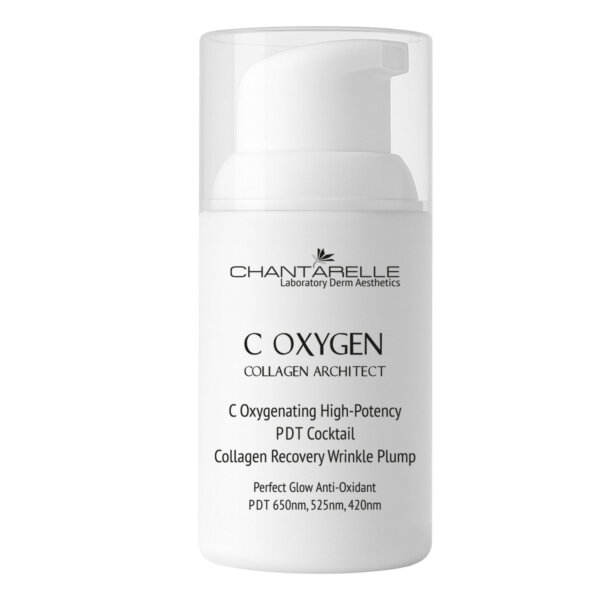
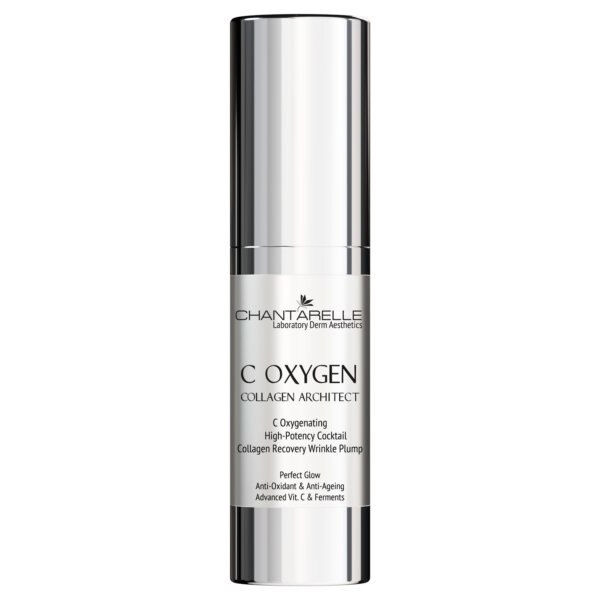
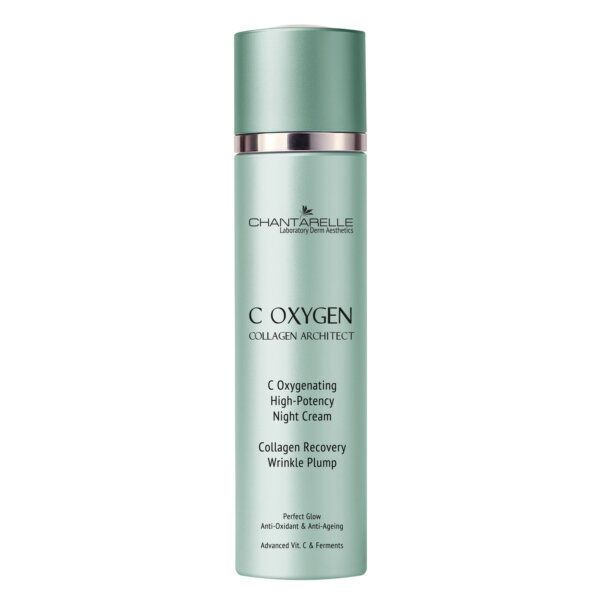
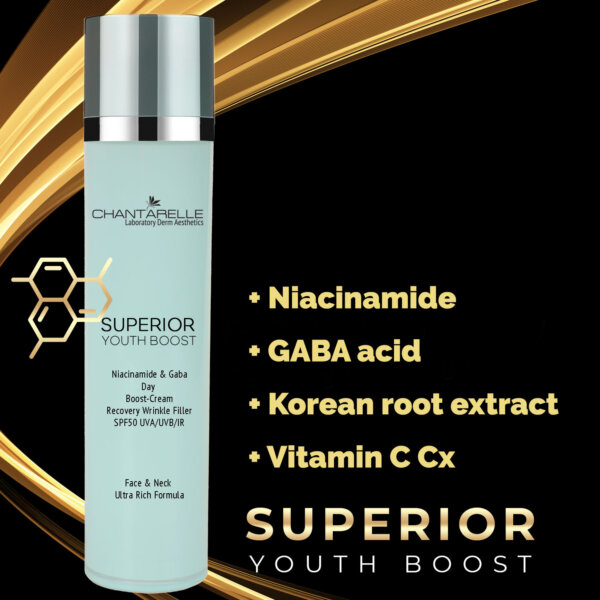
Another of the trio of ‘vitamins of youth’. Rich sources of vitamin C include rosehips, blackcurrants, citrus fruits, and vegetables: peppers, Brussels sprouts, red and white cabbage, horseradish, cauliflower, broccoli, tomatoes, potatoes, parsley. Due to its high absorption by skin cells, vitamin C has a multidirectional effective rejuvenating effect. It has a stimulating effect on the elasticity and firmness of the skin by significantly improving the quality of the connection between the epidermis and the papillary layer. It is essential for the formation and regeneration of collagen, prevents the formation of wrinkles and reduces existing ones. It has a protective effect against the damaging effects of UVA/UVB radiation. Protects cell DNA and reduces the symptoms of UV damage. Stimulates the metabolism of skin cells, plays a major role in cellular oxygenation, especially tyrosine – helps reduce discolouration. It has a skin-brightening effect, confirmed by studies. Vitamin C is also a very powerful antioxidant – an antioxidant and free radical scavenger. It has a strengthening and sealing effect on capillaries. It also has antibacterial properties. Chantarelle preparations use stable forms of vitamin C for maximum effectiveness: SAP (Sodium Ascorbyl Phosphate) – a stable form of vitamin C with very high antimicrobial activity and AA (Ascorbic Acid) – pure ascorbic acid with a stabilised formulation.
Other vitamins
Vitamin D
(calciferol) Sources of vitamin D include fish oil and other fats from fish, milk and milk products, eggs and liver. This vitamin is also produced by the body when exposed to sunlight. Its deficiency can affect skeletal abnormalities (e.g. rickets in children) and the development of dental caries. Studies show the effect of vitamin D in inhibiting inflammation on the skin and accelerating metabolic processes and increasing epidermal tone.
Vitamin E
(Tocopherol) Vitamin E is mainly contained in cereal sprouts, leafy vegetables such as lettuce, hazelnuts, rosehips and sunflower, corn and wheat germ oil. The last is known as the ‘youth vitamin’. It is responsible for the formation of new epidermal cells, helps to maintain the elasticity of the skin and thus prevents skin ageing and the formation of wrinkles. It smoothes, firms and lubricates the skin. Is a natural antioxidant that protects DNA and cell structures from damaging free radical attack. Protects against harmful UV radiation, prevents strong oxidation of lipids in the skin. Enhances hydration, revitalisation and has an anti-inflammatory effect.
Vitamin H
(Biotin, vitamin B₇, coenzyme R) Vitamin H is found in liver, milk and egg yolks. The skin of people with a vitamin H deficiency may be red, flaky, dry and overly sensitive. Vitamin H is involved in the formation of fatty acids, so it influences the strengthening of the skin barrier and the processes related to the keratinisation of the epidermis, as well as increasing hydration levels. As it is closely linked to the cell growth process, it contributes to the formation of creatine (the main building block of skin, hair and nails). Another effect of its deficiency is therefore brittleness and splitting of nails and hair loss. Recent studies show the effect of vitamin H in smoothing out deep wrinkles and smoothing out fine wrinkles, as well as brightening age spots. The vitamin also normalises sebaceous gland function and reduces the symptoms of seborrhoeic dermatitis. In complex with a stable form of vitamin C, it reduces redness and spots, increases epidermal barrier resistance, brightens and evens skin tone.
Vitamin K
Vitamin K is found in green vegetables: broccoli, turnip greens, spinach, lettuce, cabbage and soya. It has a significant effect on the blood clotting process. It is also extremely important for the care of vascular and rosacea-prone skin. It prevents the formation of dilated capillaries, inflammation, bacterial and fungal infections. It is rarely deficient as it is constantly produced by bacteria living in the digestive tract.
Vitamins in Chantarelle cosmetics