Try our novelties and bestsellers!»






Active ingredients in cosmetics
Soapwort – plants in cosmetics
Aug
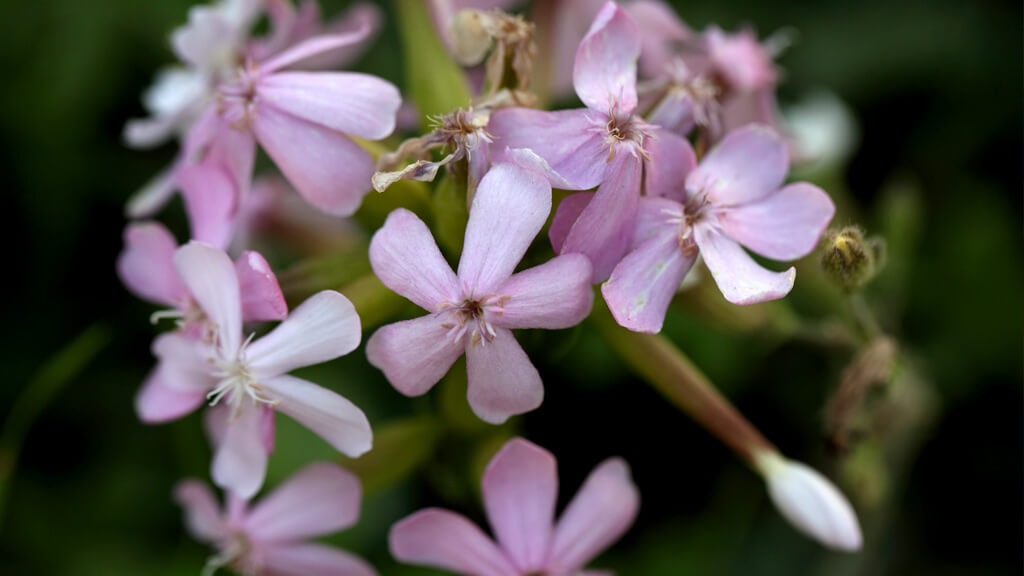
Saponaria officinalis (Saponaria officinalis) belongs to the clove family, which includes dozens of species found in Europe, northern Africa and south-west Asia. In Poland, only one species grows wild – just soapwort with large, bright pink flowers.
Medicinal uses of soapwort
Her diuretic, purgative and expectorant effects have been known since antiquity, and the plant’s widespread therapeutic use is due to the Arab physicians who used soapwort to treat leprosy and skin ulcers. Its most important action is due to the presence of saponins, which reduce blood pressure, increase cell permeability, and have foaming and emulsifying properties, making it often used as a natural detergent.
Soapberry in cosmetology and cosmetics
Saponins have a mild cleansing and cleansing effect, as well as an anti-seborrheic effect. Soapwort extract is therefore used in cosmetics for oily and impure skin and sebum-regulating preparations. In vitro studies have also shown saponins to have fungicidal and antiviral properties. Soapberry extract can therefore be useful in cosmetics with antiseptic properties. On the other hand, thanks to its anti-inflammatory properties, it is recommended in cosmetics for sensitive and irritated skin.
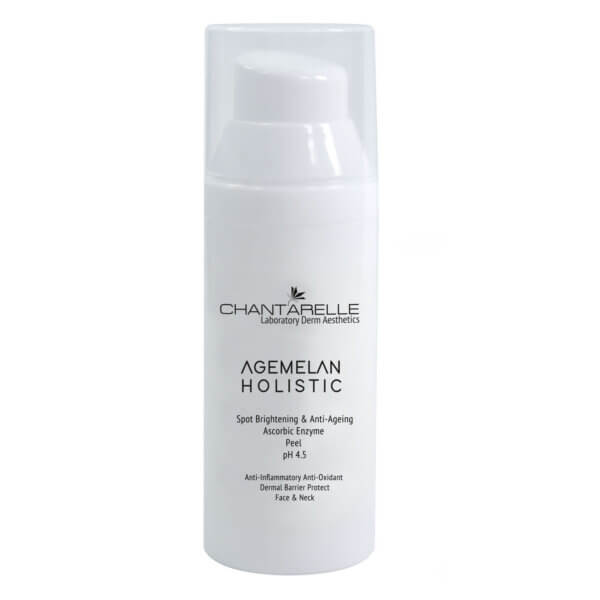
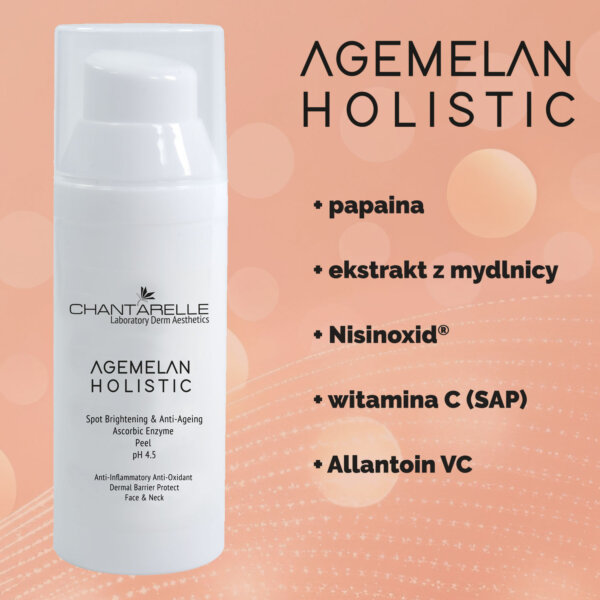
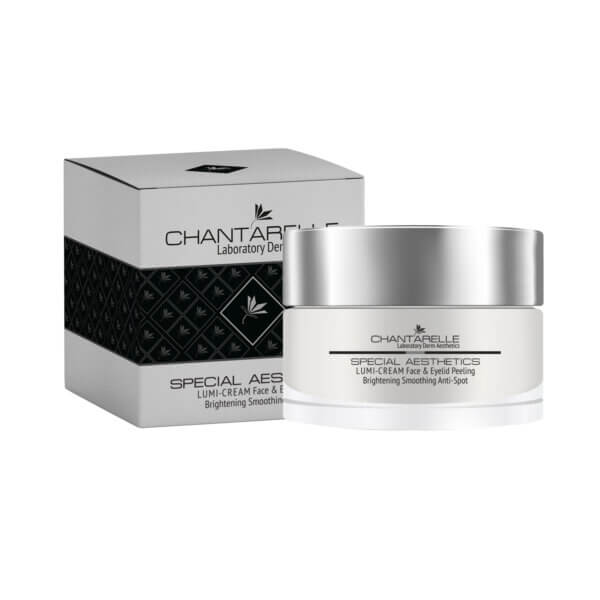
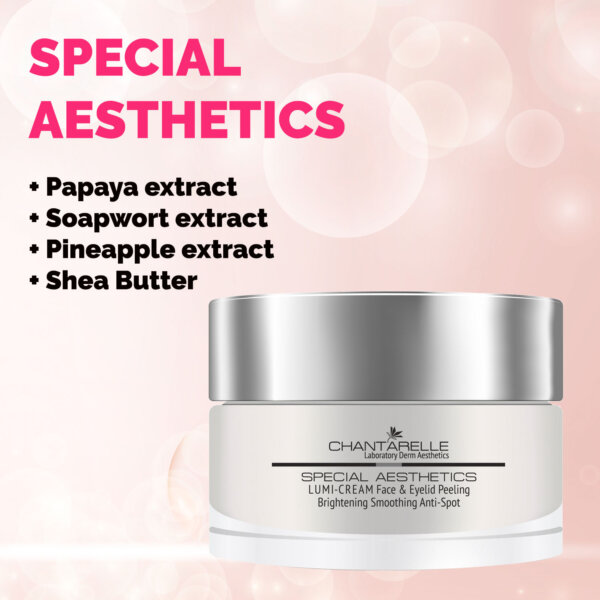
Soapwort in Chantarelle cosmetics