Try our novelties and bestsellers!»






Active ingredients in cosmetics
Sage – plants in cosmetics
Aug
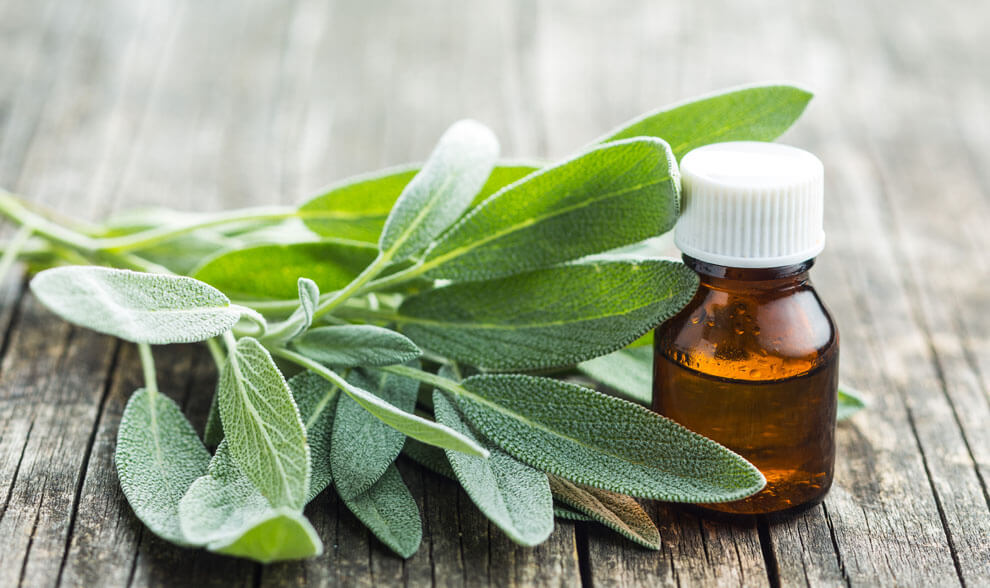
Sage (Salvia officinalis) is an evergreen shrub in the warbler family. It grows to a height of 30-70 cm, has a woody stem, while the leaves are grey-green on the outside and whitish on the inside. The purple-blue flowers have an intense fragrance and are very abundant in nectar. Sage usually grows on dry and sunny slopes up to 750 m above sea level, on clay soils.
Sage leaves contain 1 to 2.8% essential oil, and the plant itself is valued for its aroma, among other things. The content of flavonoids in sage leaves is 1-3%. Other active ingredients include phenolic acids, hydrolysed and condensed tannins.
Sage – a medicinal plant
Sage has been valued since ancient times as a medicinal as well as a magical plant. The plant’s name is derived from the Latin word salvere, meaning ‘healthy’. The Greeks and Romans used it as a remedy for snakebites, vision problems and memory loss. The Egyptians used sage to improve fertility, and the Romans additionally used it as a stimulant (much like coffee today). Hippocrates prescribed sage poultices for wounds and pains. Sage was also very popular with the Chinese, who valued it more than traditional tea and often exchanged it with the English. In the Middle Ages, it was used as a remedy for colds, fevers, epilepsy, liver ailments and constipation. It was also considered an aphrodisiac. Arab medics proved that the consumption of sage prolonged life.
Before toothpaste was invented, people rubbed fresh sage leaves into their teeth to keep them white and shiny. A three-minute decoction of 20 g of sage leaves was traditionally used as a mouthwash to protect against bleeding gums and tooth decay. Sage is also a popular remedy for anxiety, irritability, indigestion, hepatic dyskinesia and menopausal problems. It is used to stimulate appetite, reduce lactation and leg sweating, as well as for diabetes. The European Commission has approved the topical use of sage leaves for the treatment of pharyngeal and nasal mucositis. Sage is also recommended for inflammations of the stomach, gums or throat. Sage is used in baths for the treatment of various dermatological conditions. It is customarily applied to infected wounds, aphthas and ulcers.
Sage in cosmetology and cosmetics
Essential oil of sage has an inhibitory effect on Gramm bacteria and on fungi. Therefore, sage extract is recommended for cosmetics with purifying and antiseptic effects. Sage leaves exhibit well-known and documented antioxidant activity, based on their content of phenolic components. Sage extract may therefore be useful in cosmetics that protect the integrity of the skin and hair from harmful oxidation processes. Applied externally, it blocks the nerve endings of the sweat glands and affects the thermoregulatory centre of the hair follicles, making it useful in the treatment of perspiration odour. Sage extract may therefore find use in cosmetics with an antiperspirant effect.
The astringent activity of sage is due to the presence of tannins. These compounds have an affinity for protein molecules. When applied topically, they coat the surface layers of the skin and mucous membrane, thereby protecting the deeper layers. They also have a reinforcing effect on blood vessels. As tannins reduce fluid loss and protect against damage caused by external factors, they promote tissue regeneration during the healing of wounds or burns. Sage extract is recommended for products with astringent and healing properties.
Sage is a dark-dyeing and hair-strengthening plant. It is also used to treat baldness. When used in lotion form, infusions of sage leaves tone the hair and make it shiny. Sage is particularly recommended for dark hair, enhancing its natural colour and increasing hair strength. Sage extract can therefore find use in hair care products.
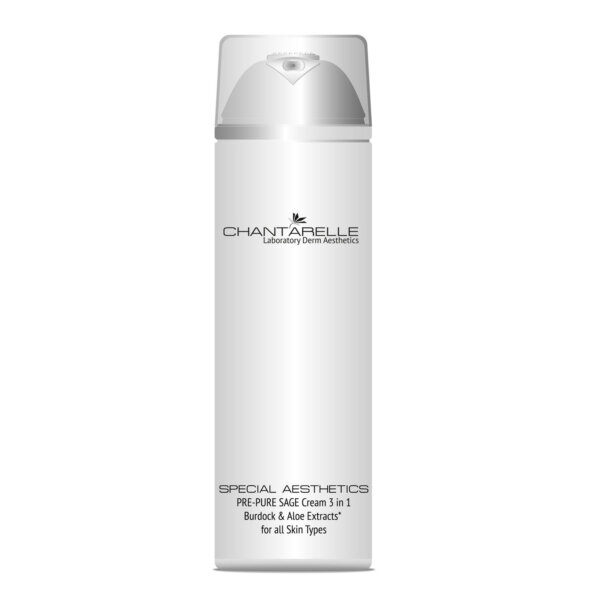
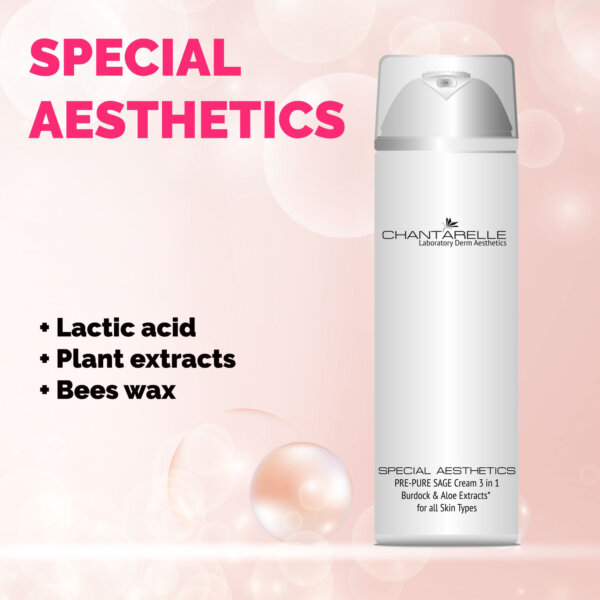
Sage in Chantarelle cosmetics