Try our novelties and bestsellers!»





Dermatology, Skin care at home, Tips
Acne scars – effective methods of reduction
Apr
Acne scars are changes that have appeared on the skin as a result of a disruption in the healing process. In cosmetic surgeries, experts offer a number of treatments to reduce the visibility of such scars, including correcting their colour to be as close as possible to the skin tone.
These include various types of hyperpigmentation, or dyschromias (changes in skin colour), atrophic scars and hypertrophic scars.
How acne scars develop
Factors that increase the development of acne lesions:
-
- severe acne
- inflammatory skin process lasting longer than 12 months
- strong genetic predisposition to acne vulgaris
- inadequate treatment and care of skin with acne
- self-imposed squeezing and scratching of acne lesions
Acne scars are a major defect, especially on facial skin. However, there are many treatments available that can make them less noticeable. Before starting scar reduction therapy, however, it is first of all necessary to get rid of the acne itself. This is because new pimples can lead to the formation of further acne scars.
Types of acne scars
Atrophic scars (atrophic scars) are otherwise known as atrophic or depressed acne scars (depressed acne scars) are most common on the face. They form when not enough collagen is produced during wound healing. There are three types of atrophic scars:
- boxcar – are wide scars (square-shaped in cross-section) with sharp edges, and are shallow or deep.
- ice pick – narrow scars (V-shaped in cross-section) that can penetrate deep into the skin. They can look like small round or oval holes, just like chickenpox scars. They are the most difficult to treat as they can be quite deep.
- rolling – wide depressions (U-shaped in cross-section), usually have rounded edges.
hypertrophic scars (hypertrophic scars) or raised acne scars (raised acne scars) – usually appear after acne on the chest and back. They grow above the surface of the surrounding skin and are caused by too much collagen during healing.
How to reduce and remove acne scars?
Depending on the type of acne scars, the cosmetologist or aesthetic doctor will select the appropriate treatment and prescribe home care.
Sbumelan Holistic treatment
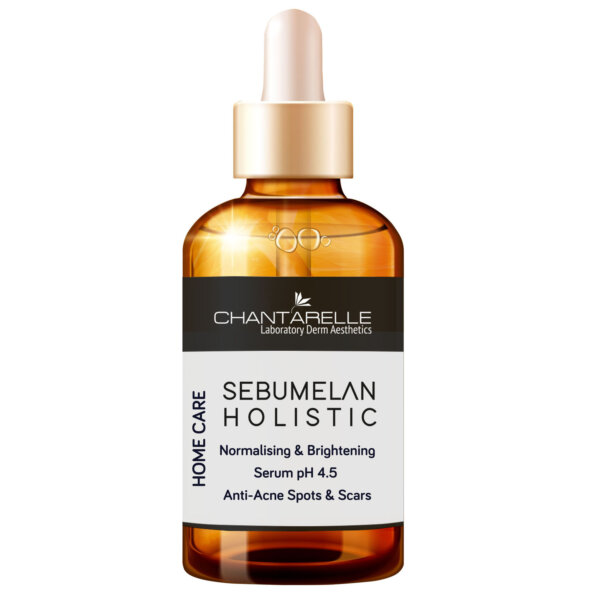
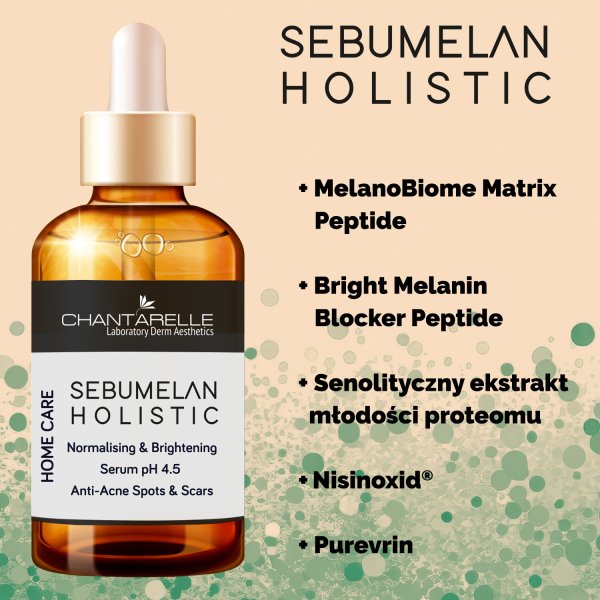
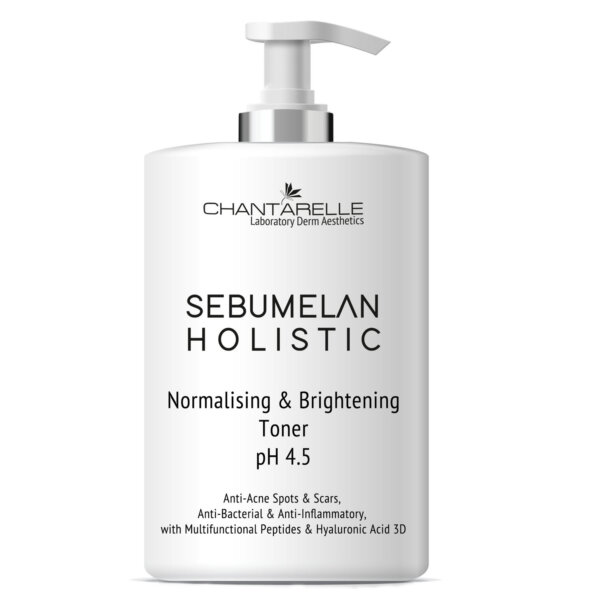
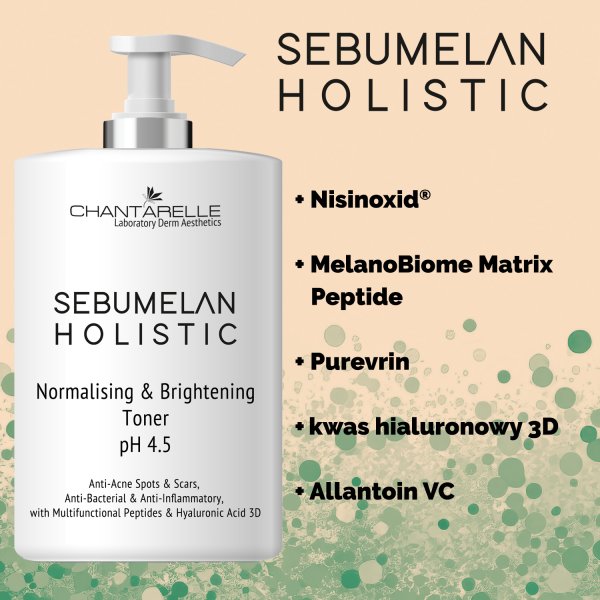
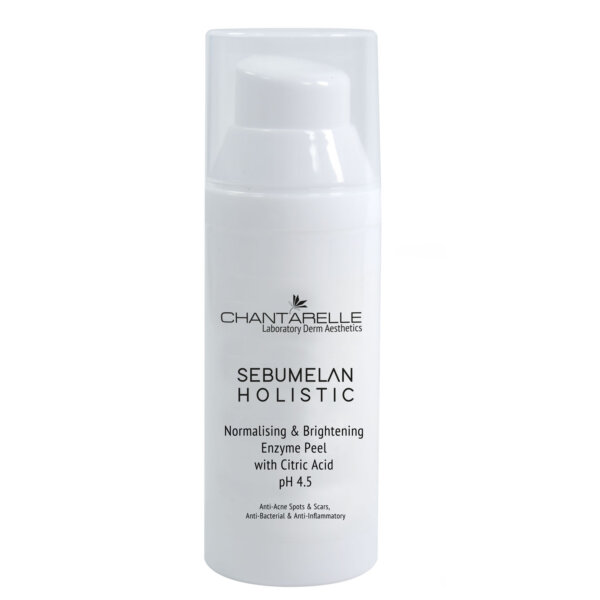
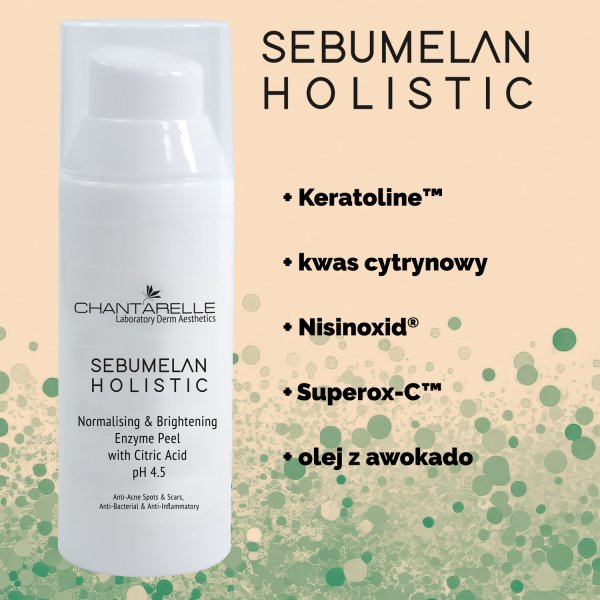
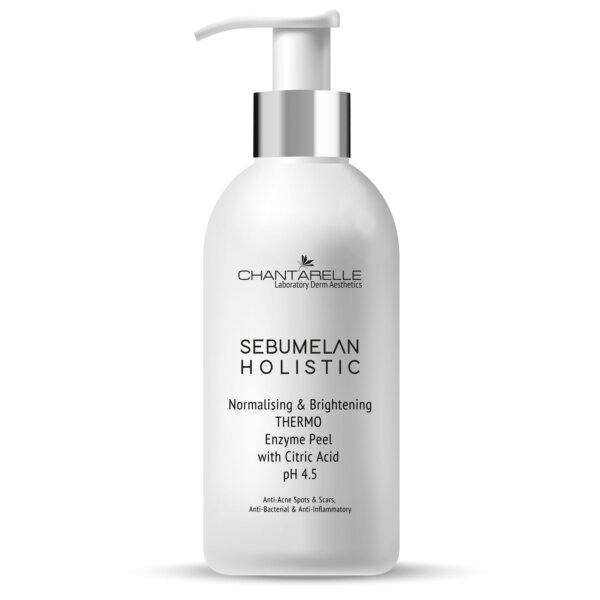
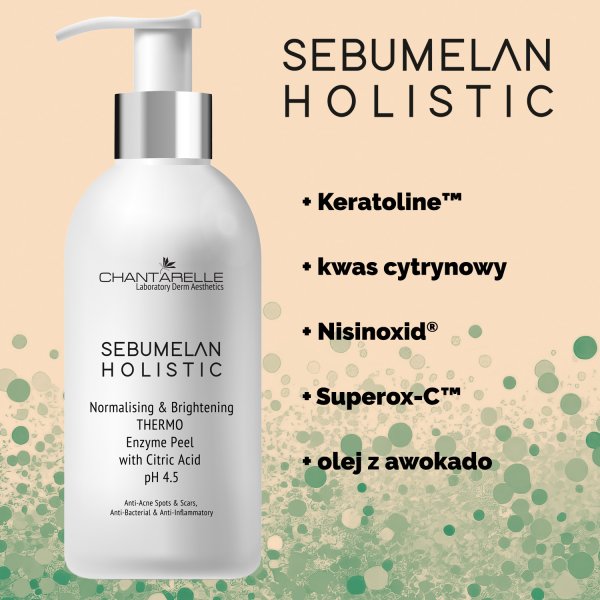
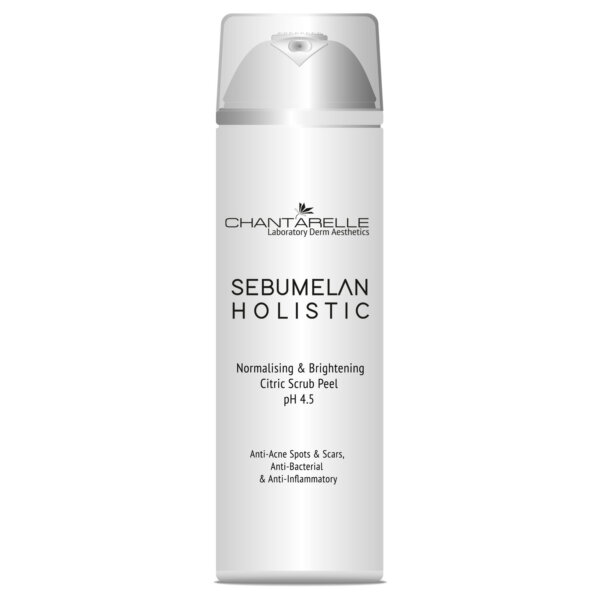
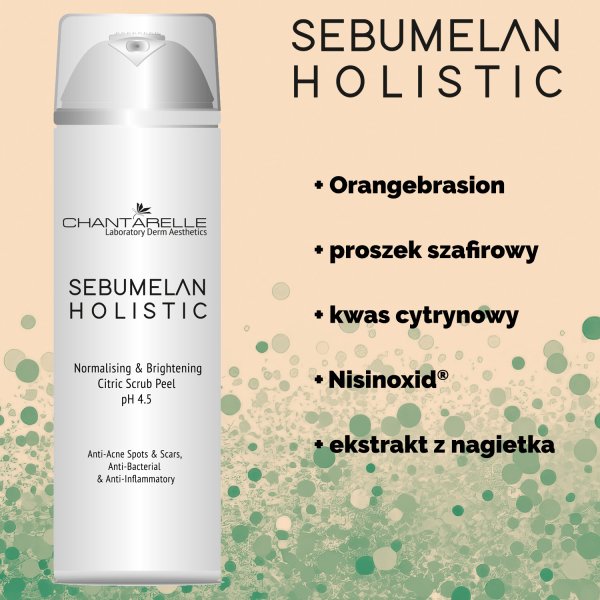
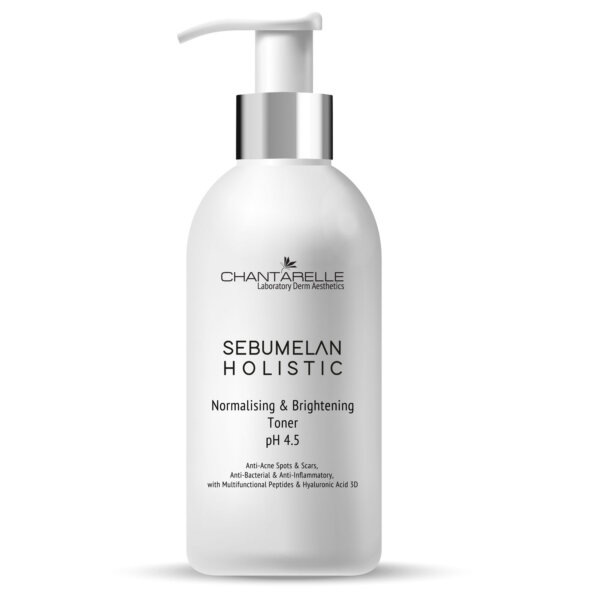
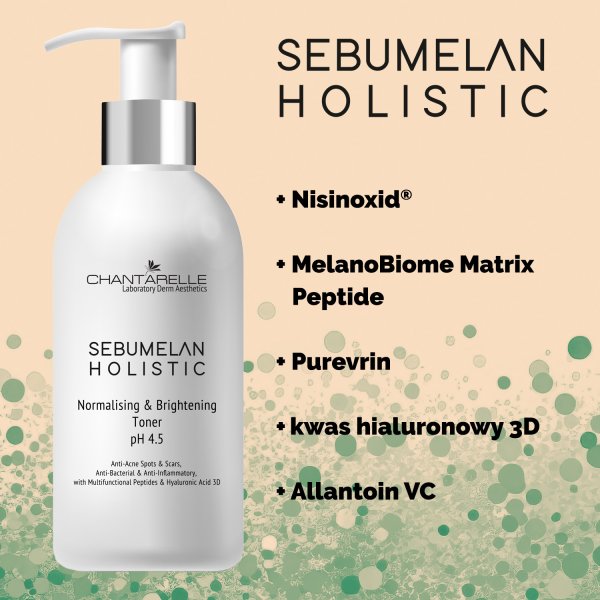
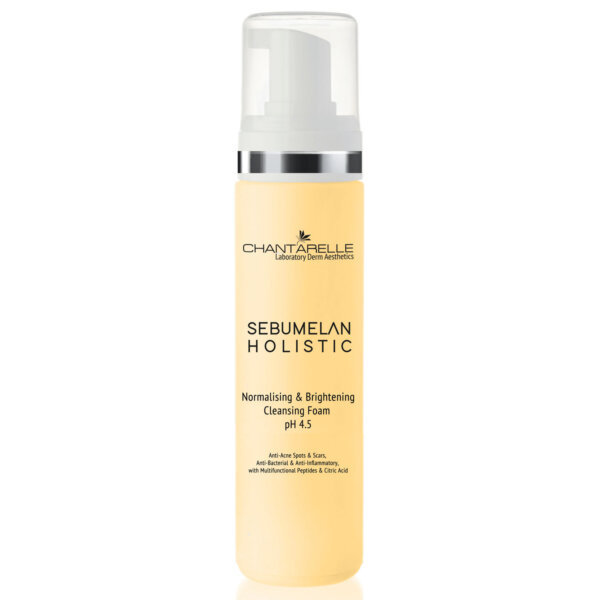
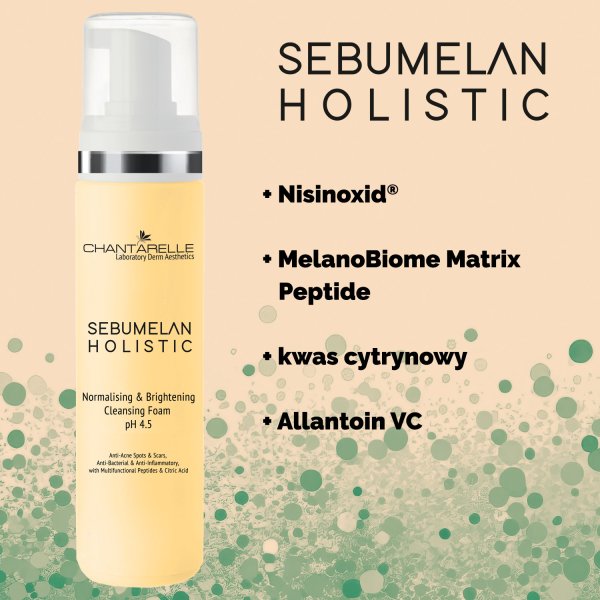
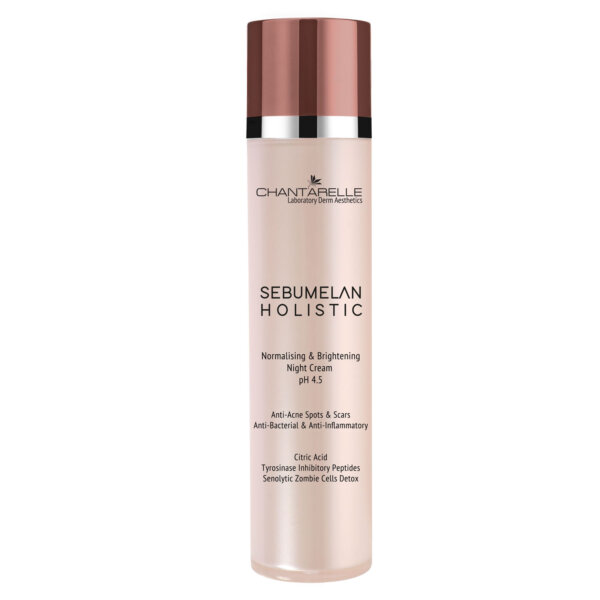
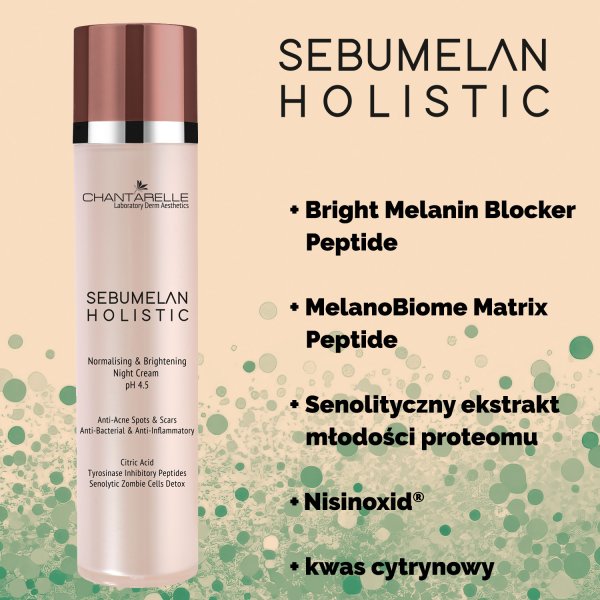
Sebumelan Holistic is a pH 4.5 brightening and normalising programme for the reduction of post-inflammatory hyperpigmentation and acne scars. It has antibacterial properties, regulates sebaceous glands and sebum secretion. At the same time, it strengthens the epidermal barrier, rejuvenates the skin and strongly moisturises it. It is based on such ingredients as: Omega 3-6-9 acids encapsulated in a special lipid carrier with high permeability, biomimetic peptide of the latest 3rd generation of pharmaceutical grade, brightening citric acid, antibacterial Nisinoxid® system and vitamin C from kakadu plum.
AHA acids
May help reduce the appearance of acne scars. They can affect the condition of the skin at a molecular, cellular and tissue level. When applied to the skin, AHA acids have exfoliating, moisturising, anti-inflammatory and antioxidant effects, as well as stimulating collagen and glycosaminoglycan synthesis in the skin. AHA acid masks gently correct scarring lesions, but do not penetrate deeply into the skin, as the pH is no lower than 3.5. . . .
| Salicylic, lactic and mandelic acid mask 32% pH 3.5 for oily, acne-prone skin |
| Lactic acid mask 25% pH 3.5 anti-wrinkle, moisturising, smoothing |
| Glycolic and lactic acid mask 25% pH 3.4 anti-wrinkle, rejuvenating |
| Lactic acid mask 25% pH 3.4 anti-wrinkle, rejuvenating |
Lactic acid
A study showed that lactic acid peels performed every 2 weeks for 3 months improved skin texture, appearance and pigmentation and lightened acne scars. Lactic acid reduces the levels of mediators responsible for inflammatory processes and irritation. Depending on the pH and concentration of the acids, the peel can be chosen for both sensitive skin and skin with good barrier properties. Lactic acid is best for: all types of acne scars. . .
| M-lactic acid 30% pH 3.5 |
| M-lactic acid 40% pH 3.5 |
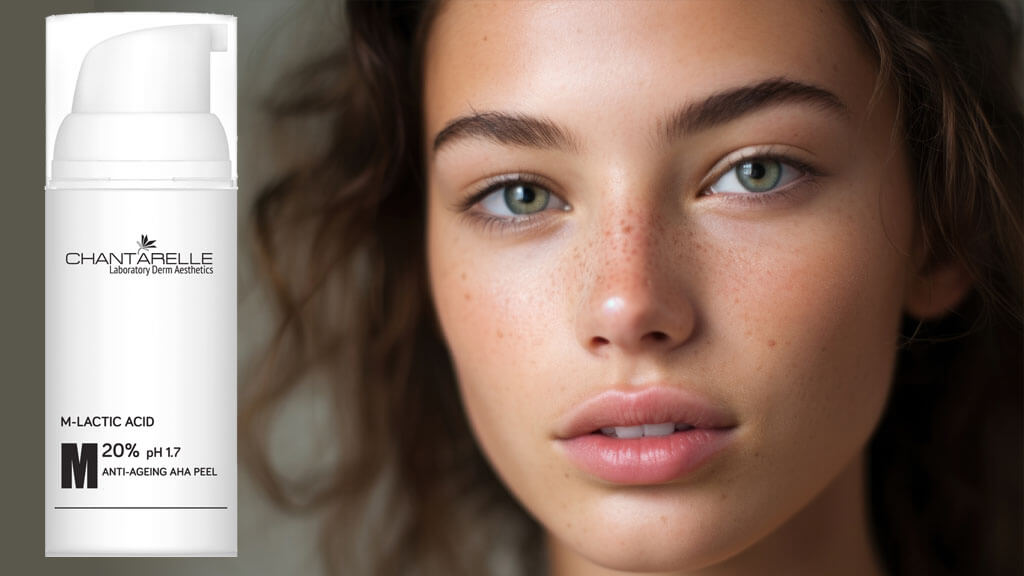
| M-lactic acid 20% pH 1.7 |
| M-lactic acid 40% pH 1.6 |
| M-lactic acid 40% pH 1.6 |
| M-lactic acid 55% pH 0.9 |
| M-lactic acid 80% pH 0.3 |
Retinoids
Topical retinoids are another agent that can both reduce acne and smooth scars. Studies have shown that retinoids not only speed up cell renewal and improve skin texture, but also help reduce hyperpigmentation and make scars less visible. Retinoids are effective for atrophic scars. . . .
| PDT boost-serum with microencapsulated retinol 0.3% potent renewal for the skin |
| PDT boost-serum with microcapsule retinol strong renewal for the skin |
Salicylic acid
Salicylic acid is an organic compound belonging to the beta hydroperoxides (BHA) and phenolic acids. It is fat-soluble, easily penetrates through the lipid layer into the skin, cleans pores well, brightens and whitens, reduces hyperpigmentation and acne lesions. It improves microcirculation and speeds up the tissue healing process. For sensitive skin, spot treatments and less frequent application are recommended. Salicylic acid is suitable for all acne scars. . .
| BHA-PHA ACID 20% pH 3.5 with exfoliating, decongestant, antibacterial action |
Chemical peels
Chemical peels with strong acids are used to remove the top layer of skin and plump up deeper scars. There are many different types of chemical peels, so it is best to consult with your cosmetologist as to which one will be right for you. Strong chemical peels are effective on all types of acne scars and are often used for deeper scars. . .
| Glycolic and lactic acid 40% pH 1.6 |
| M-glycolic and lactic acid 70% pH 0.5 |
| M-glycolic and lactic acid 70% pH 0.5 |
| M-pyruvic acid 50% pH 1.6 |
| M-pyruvic acid 55% pH 1.5 |
| M-pyruvic acid 65% pH 1.3* |
| M-lactic and mandelic acid 33% pH 1.4 |
| M-lactic and mandelic acid 55% pH 0.7 |
Low power laser regeneration (LLLT)
LLLT laser treatments are used for a variety of conditions requiring stimulation of healing, pain relief and inflammation. It has been shown that red light can affect sebum secretion by sebaceous glands and alter the behaviour of keratinocytes. Low-energy laser therapy can also exert its effects by modulating cytokines from macrophages and other cells, which in turn can reduce inflammation. Laser resurfacing is a modern, non-surgical technique, the essence of which is the action of light rays on the upper layers of the epidermis, which trigger regenerative processes and stimulate the production of collagen and elastin fibres. This treatment is not a good option for people who are still struggling with acne or those with darker skin tones. Best for: all acne scars and lighter skin tones. . . .
| PDT serum regulation and sebum reduction of oily skin with dilated pores and blackheads |
| PDT serum reduction of scars of various origins, firming, smoothing |
Microdermabrasion
Microdermabrasion is the exfoliation of the skin with a special device to reduce defects on the surface of the skin. Mechanical resurfacing is most commonly performed on the forehead, chin, cheeks and other areas of the face and body. Dermabrasion is indicated for shallow scars located close to the skin surface, such as boxcar or rolling scars. However, deeper scars can also be made less noticeable.
Micropuncture
The main effect of microneedling is subcutaneous collagen production. The introduction of various beneficial ingredients into the skin is of ancillary value. Thanks to the numerous punctures in the skin, protective reactions for wound healing are activated, collagen synthesis is induced during the regeneration process, leading to smoother skin. Treatment with micro-needles is used for atrophic scars.
Protection of scars from UV light
Too much sun, solariums, hot saunas or extreme cold – negatively affect tissue healing. In addition, scars that are frequently exposed to the sun darken over time, as ultraviolet radiation can cause pigmentation disorders. Strong heat also adversely affects tissue regeneration. If you have acne scars, remember to apply a sunscreen with a high factor – preferably SPF 50. . .
| Silver SPF50 UVA/UVB Cover UV-protective day cream with silver |
| Matte Day Cream SPF25 UVA/UVB pH 4.5 to normalise and lighten post-inflammatory hyperpigmentation and scars |
It is worth recalling once again that the best way to heal acne scars is to prevent them in the first place, i.e. to treat acne properly in the first place.
 dr Khrystyna Shekhovtsova C
hantarelle expert, dermatologist and aesthetic physician
Cosmetics for acne scars