Try our novelties and bestsellers!»






Dermatology, Cosmetic treatments, Active ingredients in cosmetics, Aesthetic cosmetology
Inflammaging – the inflammatory ageing theory
Jul
Ageing is a process that is linked to an imbalance of the immune system. Inflamaging, on the other hand, is a chronic inflammatory condition that accelerates ageing. In this article, we will take a closer look at what factors affect the immune system and its condition. What can support it and what can weaken it?
Cytokine hypothesis
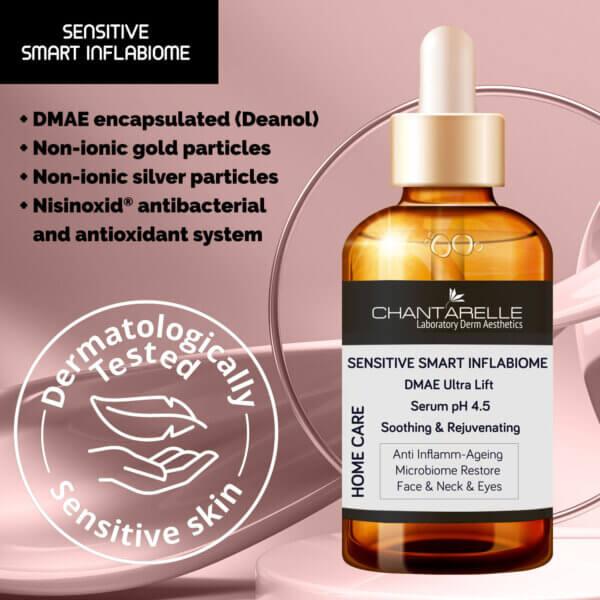
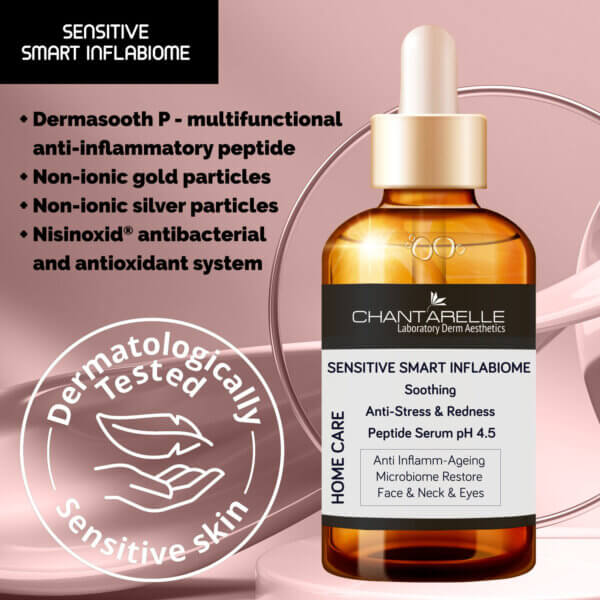
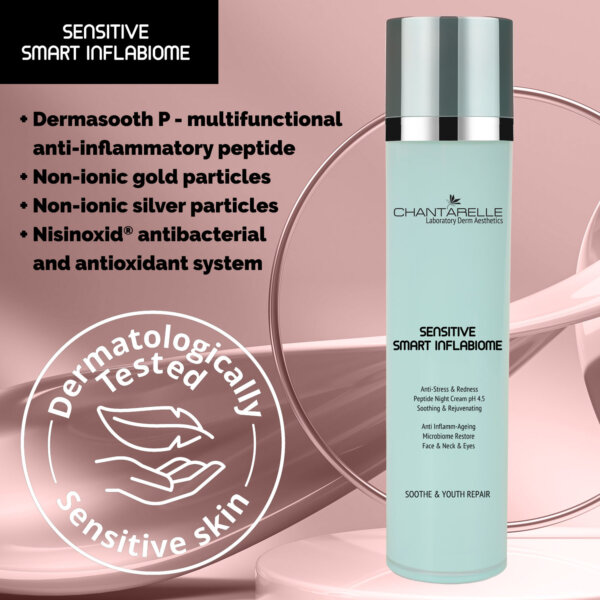
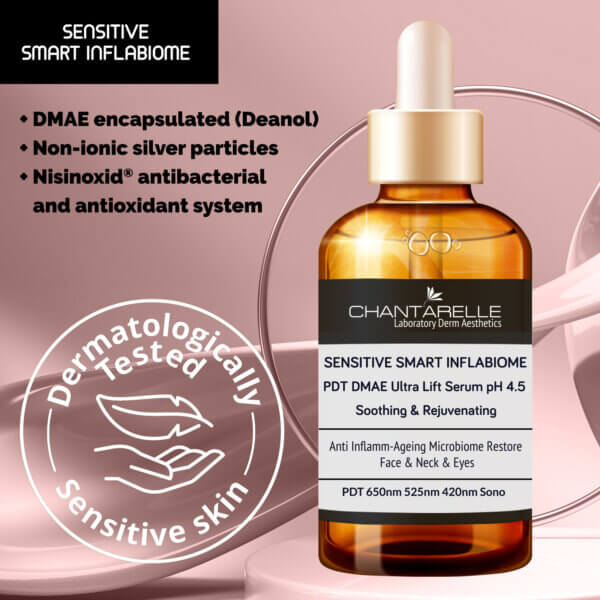
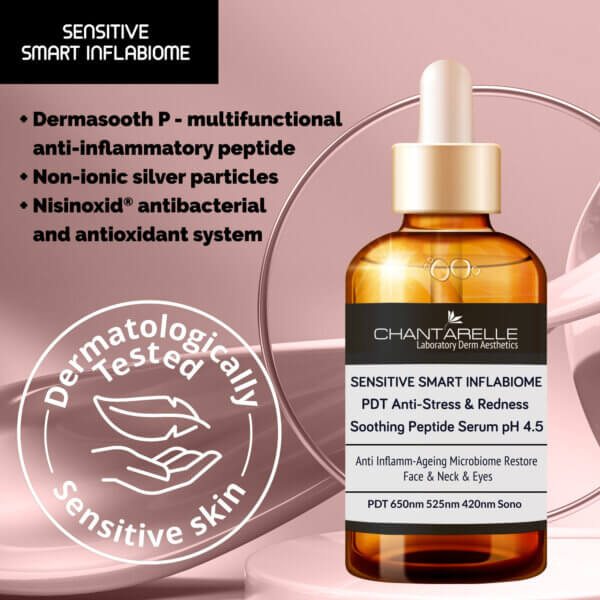
An important factor for the balance of the immune system is the presence of pro-inflammatory mediators in the blood. This is the cause of slow, chronic inflammation. There is then no visible inflammation, only an overreaction to external factors, for example. This means that we describe the condition more as a temporary hypersensitivity of the skin. However, over time this becomes the norm for the skin and causes premature ageing. Remedy: Local control of cytokines in the skin is made possible by a cosmetic ingredient – Dermasooth P Peptide Pentapeptide-26. This is a multifunctional anti-inflammatory peptide that reduces the expression of the production of the inflammatory cytokines IL-1alpha, IL-8, TNF-alpha.
Oxidative stress theory
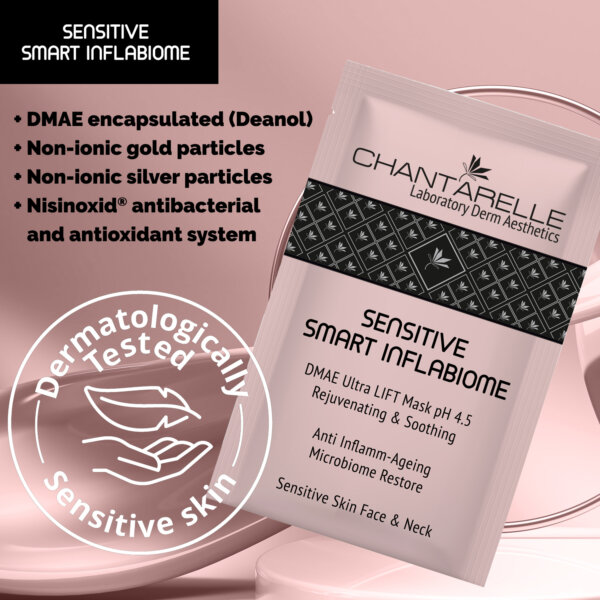
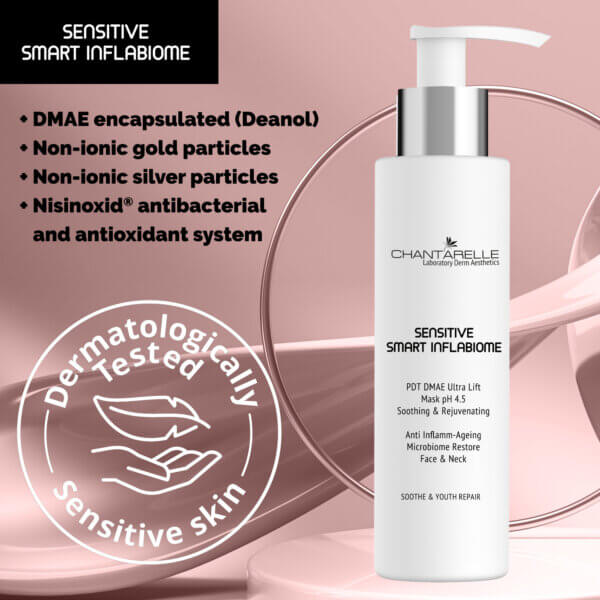
There is a strong link between oxidative stress and inflammation associated with ageing. This theory was published in 1956 by Denham Harman, who argued that ageing is the result of random damage to tissues by free radicals. Oxidation of the bilipid layer of the stratum corneum is particularly dangerous because it increases skin sensitivity and activates cytokines. According to this theory, an adequate dose of antioxidants in the diet and their external application to the skin can improve immune function. And, consequently, a reduction in oxidative stress levels. Remedy: Nisinoxid® is Chantarelle’s antibacterial and antioxidant proprietary cosmetic ingredient. It counteracts aggressive free radicals and the effects of damage. Contains a nisin peptide to support the balance of the microbiome.
Obdominal obesity
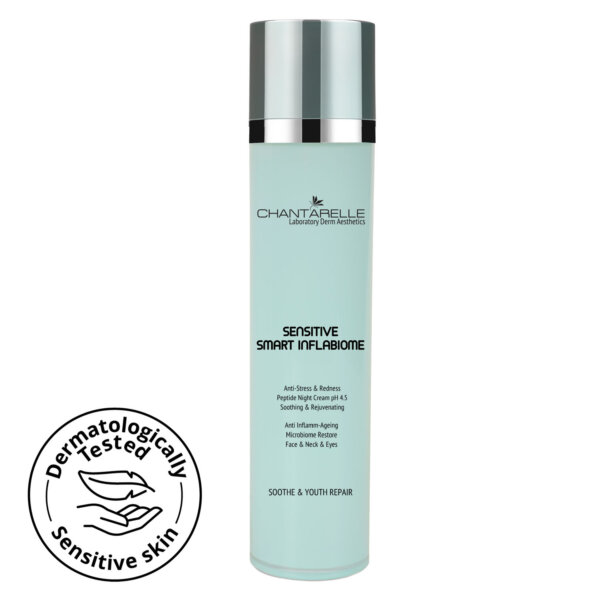
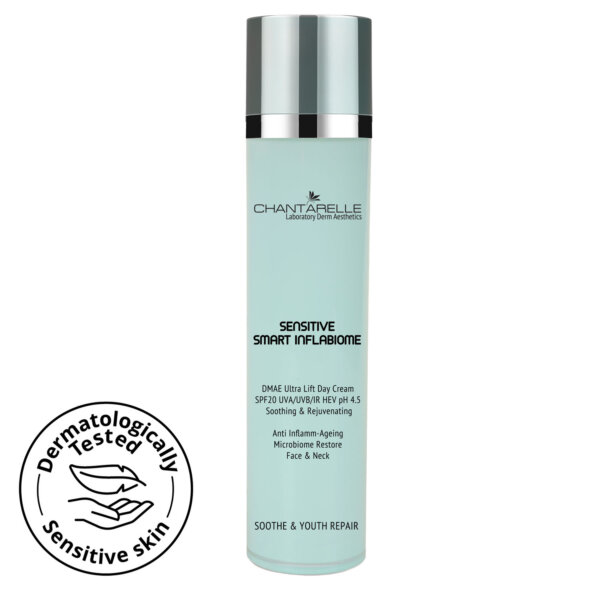
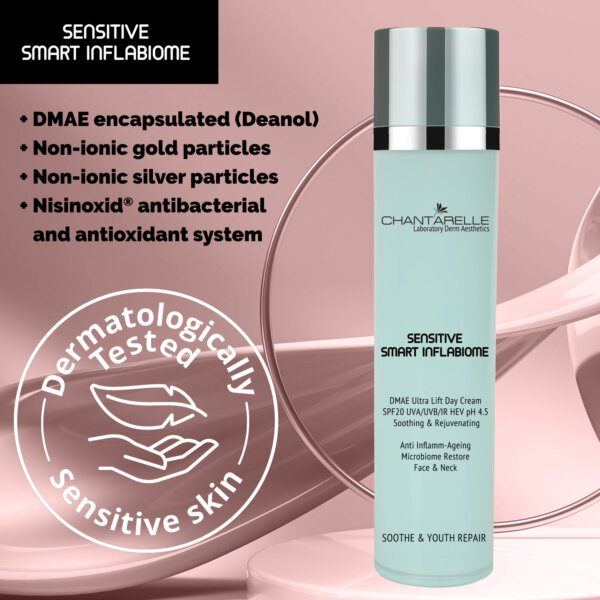
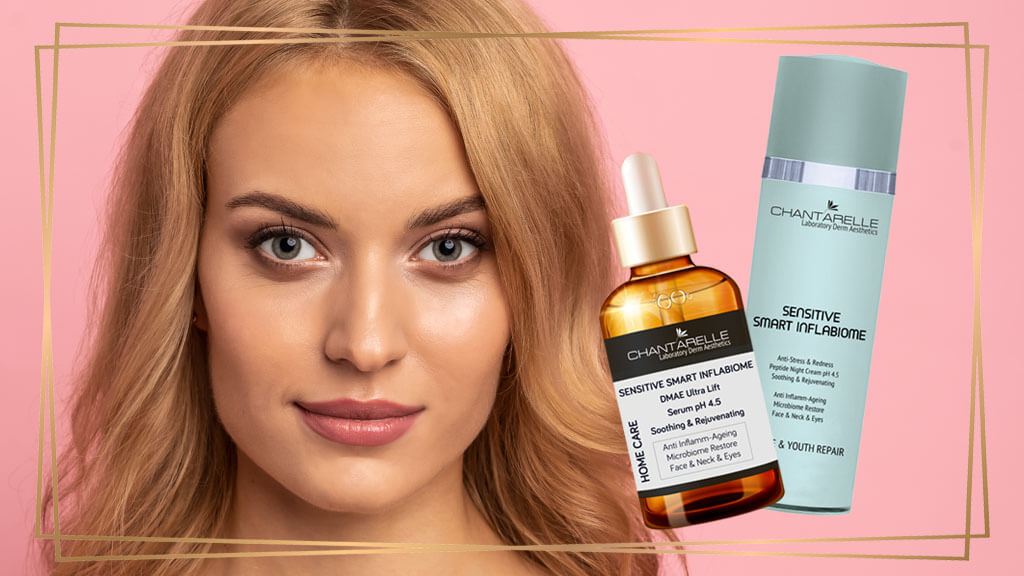
Abdominal obesity is otherwise known as visceral obesity, visceral obesity or apple-type obesity. Fat tissue is then mainly deposited in the abdomen, with a waist circumference of at least 80 cm in women and at least 94 cm in men. Abdominal obesity is often closely linked to systemic inflammation. Adipocytes, wherever they are located, can synthesise pro-inflammatory and chemotactic molecules and hormones that modulate inflammation. Remedy: For those with sensitive skin and additionally with abdominal obesity and recommended cosmetics Sensitive Smart Inflabiome, as these products, by controlling skin cytokines, reduce the inflammatory reaction in the skin.
Cellular ageing
Cellular ageing is the irreversible loss of the ability to divide cells, the loss of the ability to proliferate, the lack of response to growth factors and resistance to apoptosis (cell death). The process of stem cell ageing leads to depletion of stem cells, i.e. it simultaneously slows down tissue regeneration. And secondly, ageing cells secrete pro-inflammatory cytokines, which cause chronic inflammation and tissue dysfunction. Remedy: It is important for the cosmetologist and dermatologist to control skin cell proliferation with appropriate treatments, including retinol-like peptides or retinol, to help the skin control inflammation.
Supporting the microbiome
Scientific evidence suggests that ageing is associated with a decline in the number of beneficial microorganisms in the body, such as Coprococcus, Faecalibacterium andLactobacillus. The importance of these micro-organisms is great, as they prevent the growth of pathogenic flora while maintaining the integrity of the intestinal barrier. The dysbiosis that then occurs can lead to increased permeability of the intestinal mucosa, which will exacerbate chronic inflammation. Dysbiosis becomes more pronounced in diseases such as obesity and type 2 diabetes in older people. A healthy intestinal flora can be supported through the use of probiotics, prebiotics or a combination of these. Remedy: Special attention is paid with the above-mentioned risk groups and sensitive skin present. In this case, in-office treatments and home care with cosmetics Sensitive Smart Inflabiome. are recommended.
 dr Khrystyna Shekhovtsova
Chantarelle expert, dermatologist and aesthetic physician