Try our novelties and bestsellers!»







Cosmetic treatments
Acid peels – what should you know before treatment?
Mar
Spring and autumn are the best seasons for dermocurations using acids, or chemical peels. A chemical peel treatment (peel – exfoliation) involves the controlled application of preparations with acids to exfoliate the relevant layers of the epidermis. Why are acid treatments so effective and are they suitable for all skin types? What are the types of chemical peels and which ones can be performed by a beautician and which ones by an aesthetic practitioner? How many treatments should be performed and what results can we achieve? How do you take care of your skin at home and how long do the results last?
History
Peelings were probably already performed more than 5,000 years ago in Egypt using fruit and lactic acids. In the 19th century, salicylic acid was used for the first time and peels became increasingly popular in cosmetology. In the 1930s, light surface acids were introduced, making treatments much safer. From the 1980s onwards, they became increasingly popular and became a permanent fixture in cosmetic and aesthetic medicine practices.
Action of a chemical peel
The human skin continuously produces new cells that move upwards towards the epidermis to co-form the protective hydro-lipid mantle. Once the cells have done their job, they die and are naturally removed, i.e. exfoliated, and their place is taken by newly formed cells. This cycle lasts approx. 28 days in a young person, but it becomes weaker and slower with age and as a result of unfavourable factors. In chemical peels, acidic chemicals are applied to remove the skin layers to an appropriate level, without disturbing the deeper tissues. Superficial peels of up to 40% concentration are used in cosmetic surgeries and their action is limited to removing dead cells from the stratum corneum. Deeper peelings, reaching the dermis with concentrations above 40%, are only performed by aesthetic physicians.
Depth of action
(classification of chemical peels according to M.G. Rubin)
- very superficial peels – exfoliation of the epidermis down to the stratum spinosum (up to 0.06 mm);
- superficial peeling – exfoliation of the entire epidermis down to the basal layer (up to 0.45 mm);
Both of the above types of exfoliation are used for shallow wrinkles, superficial hyperpigmentation, acne vulgaris, among others.
- medium-depth peeling – exfoliation of the epidermis and superficial dermis layer to the upper part of the reticular layer (up to 0.6 mm) – used e.g. for wrinkles, hyperpigmentation, lentigines, signs of photo-ageing, shallow scarring;
- deep peeling – exfoliation of all epidermal cells and the upper part of the dermis up to the central reticular layer (above 0.6 mm) – used for deep wrinkles and scars;
Medium-depth and deep peels, due to the risk of complications, should only be performed by aesthetic physicians.
Physical index
The pH index of the skin tells us about the chemical reaction of the skin environment, which can be:
- acidic pH 0-6
- neutral pH 7
- alkaline pH 8-14
The pH of healthy skin is not uniform throughout. It is usually slightly acidic with a pH of about 5.5, because the hydro-lipid mantle contains acids secreted by the sweat glands. The acidic environment on the skin’s surface provides protection against bacteria and fungi, which multiply poorly in such a reaction. Chemical peels also have a specific pH value. If it is lower (close to pH 1) – exfoliation is more intense, and if it is higher (close to pH 5) – exfoliation is weaker.

Skin types and problems
Chemical peels with acids, properly selected in terms of type and concentration, can act on the problems of many skin types, including very difficult ones. Thanks to the exfoliation process and the regeneration of collagen fibres, fine wrinkles of mature skin can be smoothed out with them. They are extremely effective for oily skin with excessive seborrhoea, acne vulgaris, enlarged pores and blackheads. For sensitive skin, dry skin, vascular skin and skin with symptoms of rosacea, special programmes have also been developed on the basis of acids, which have a minor exfoliating (exfoliating) effect, but mainly strengthen, regenerate and moisturise. Acids are an ideal treatment for problems with hyperpigmentation, colour changes and minor scars, including acne scars. Chemical peels can be used on the face, neck decolletage, hands and selected parts of the body. They can also be combined with other procedures, including microdermabrasion, sonophoresis, iontophoresis, needle and needle-free mesotherapy or laser treatments.
Treatment plan
The selection of the type of acid, its concentration, the duration of contact with the skin during treatment and the frequency of treatments are determined depending on the problem. Dermofection with acids starts with the use of a preparation of lower concentration (10-20%) and gradually progresses to higher ones (30-60%). Treatments in the series are usually performed at intervals of 10-14 days – this is sufficient time for the skin to regenerate. At the same time, longer intervals are not recommended so that the action of the acids is sufficiently strong and long-lasting. It is usually recommended to carry out about 5-10 treatments with low concentrations of acids or about 3-5 treatments with high concentrations.
Effects of peel treatments
The result of a chemical peel depends on the thickness of the skin, sensitivity to acids, lifestyle and cosmetic and medical treatments performed previously. The first effect – an improvement in skin tone and smoothness – is usually visible immediately after the first treatment. During the treatment itself, redness of the skin may also occur with some types of acids, which disappears within a few hours. After 2-3 days after a superficial treatment, we may observe a slight peeling of the epidermis. Medium and deep medical peeling induces controlled ‘damage’ to the skin, which can cause irritation and a few days of intense peeling and healing of the skin. Therefore, this type of treatment must be performed under medical supervision. Most of the expected results are achievable after a series of 3-5 treatments. When the recommended number is performed in a series and the recommendations for home care are strictly followed – the expected results are very long-lasting.
How does a chemical peel work on the skin?
- removes keratinised epidermis
- stimulates the production of new cells in the skin
- smoothes fine lines and reduces deeper wrinkles
- unblocks and regulates the sebaceous glands
- clears out blackheads
- reduces hyperpigmentation (including sun spots)
- smoothes scars (including acne scars) and stretch marks
- facilitates the penetration of active cosmetic ingredients into the skin
- improves hydration
- improves micro-circulation
- improves the elasticity, resilience and tone of the skin
General contraindications
- allergy to a particular exfoliating substance
- fresh abrasions and wounds
- viral and bacterial skin infections
- purulent eruptions on the skin
- active herpes
- fungal infections of the skin
- fungal infections of the skin
- cutaneous warts
- numerous pigmented skin lesions
- skin neoplasms
- proneness to scarring
- denial tanning (tanorexia)
- pregnancy and breastfeeding
Complications after superficial peels are rather rare, while deeper peels may be followed by erythema, post-inflammatory hyperpigmentation, herpes activation, among others.
Dermal care after treatments
After one treatment for min. 30 days and between treatments in a series, it is mandatory to use UV protection, also on cloudy days and throughout the year. It is necessary to use creams with a high factor, min. SPF30, e.g. Special Aesthetics Cover UV-protective cream SPF50 UVA/UVB . Do not use sunbathing or tanning beds during this time. After the acid treatment, the therapist will recommend a dedicated line of home care products that will not irritate the skin, but will allow the epidermis to regenerate and rebuild properly. Preparations to maintain the effects after aesthetic and medical treatments, including acid peeling, include Special Aesthetics liquorice day cream.
Chantarelle exfoliating chemical peels
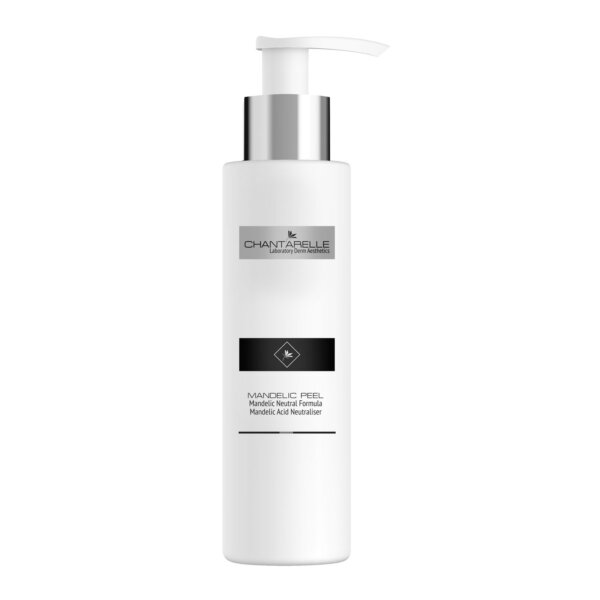
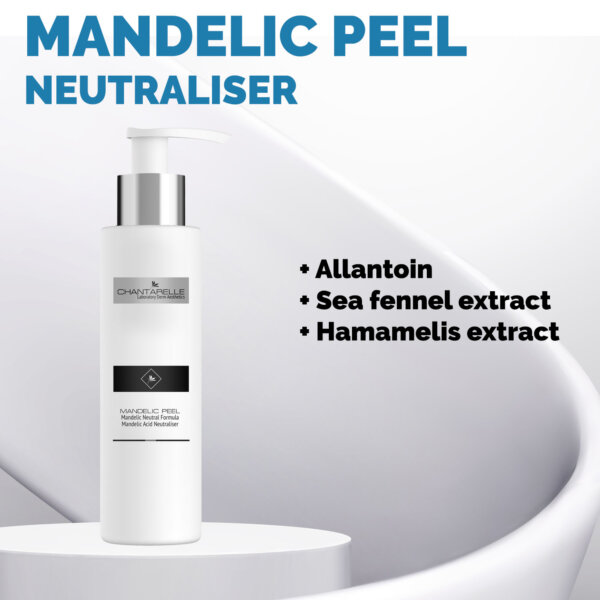
chemical and medical peels
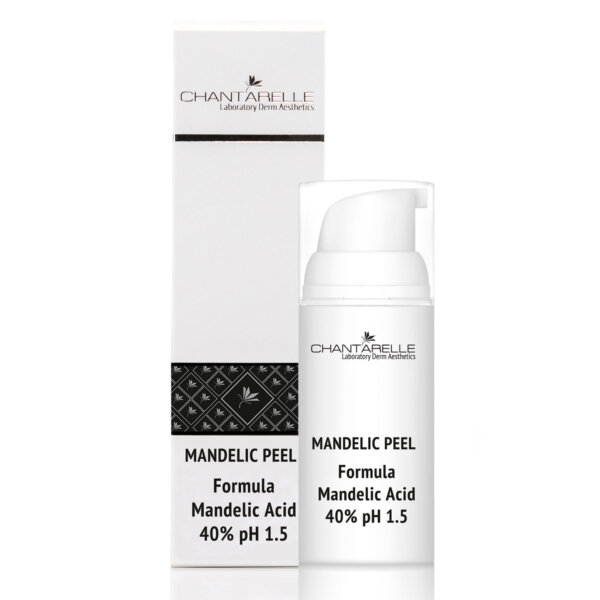
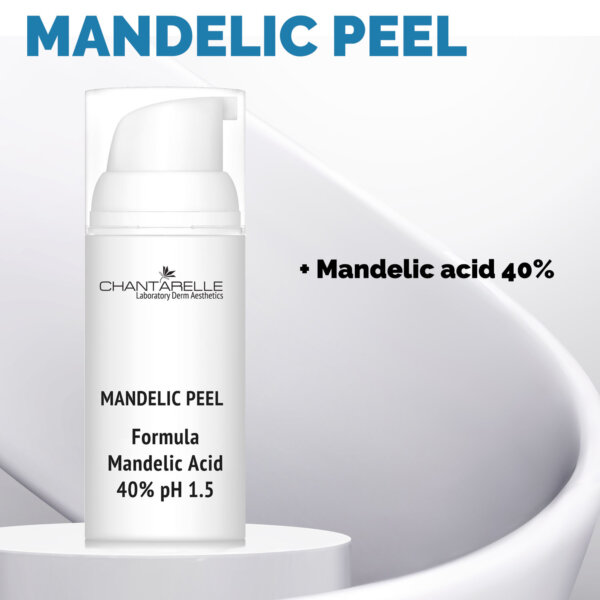
chemical and medical peels
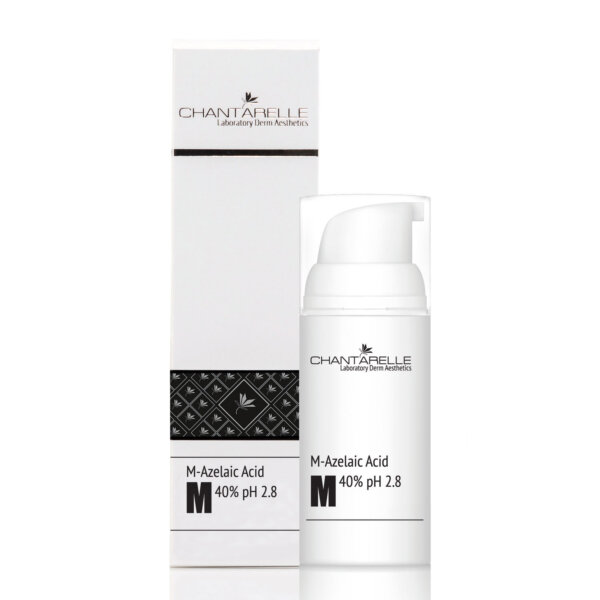
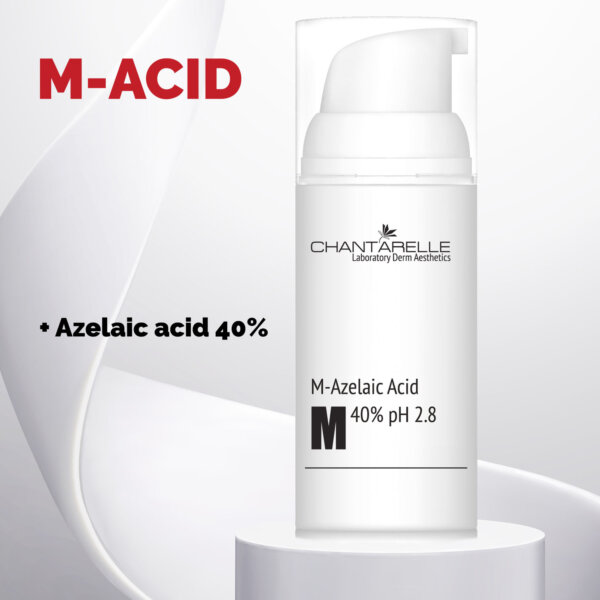
Cosmetic M-acids
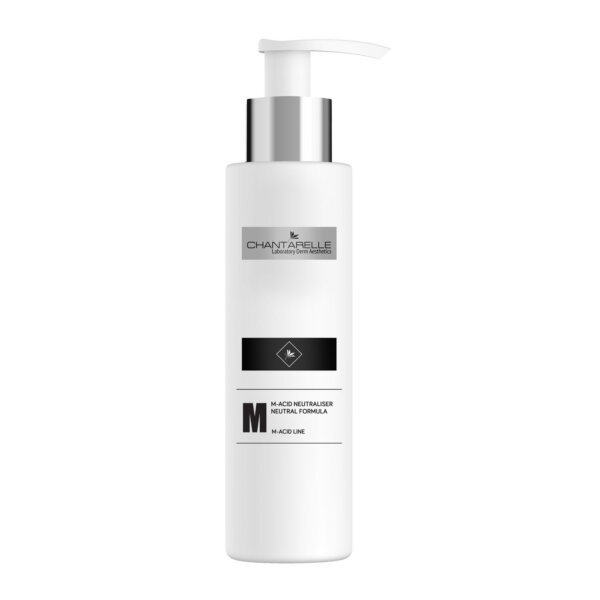
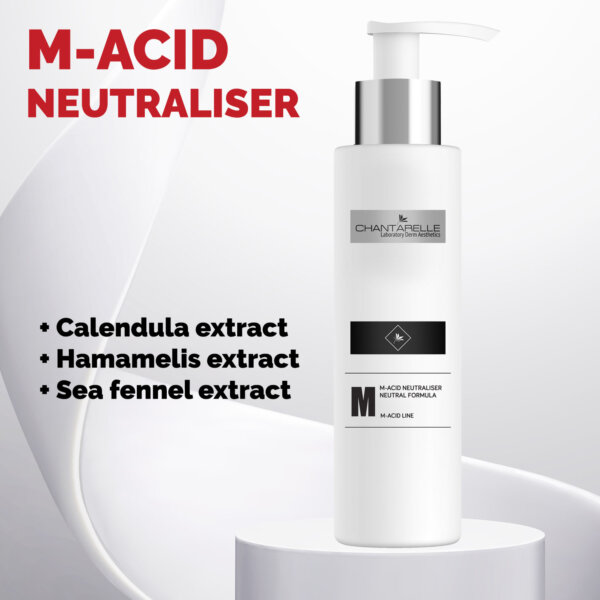
Cosmetic M-acids
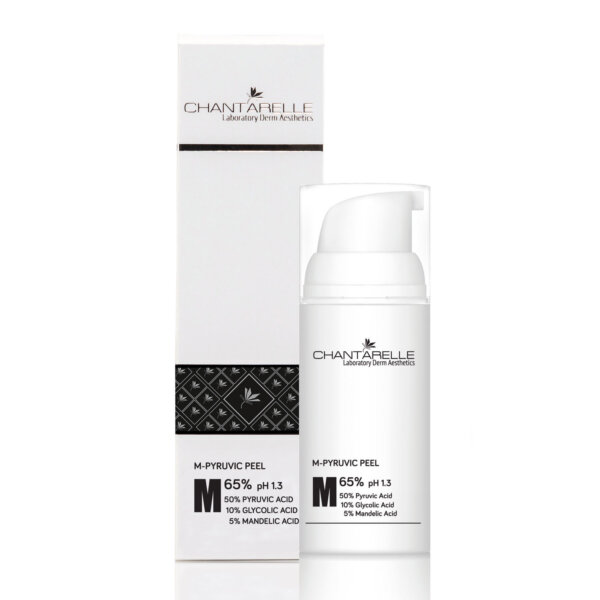
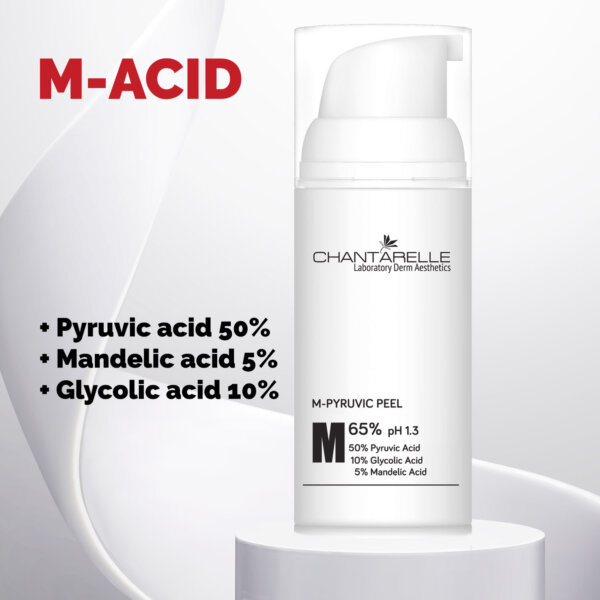
Cosmetic M-acids
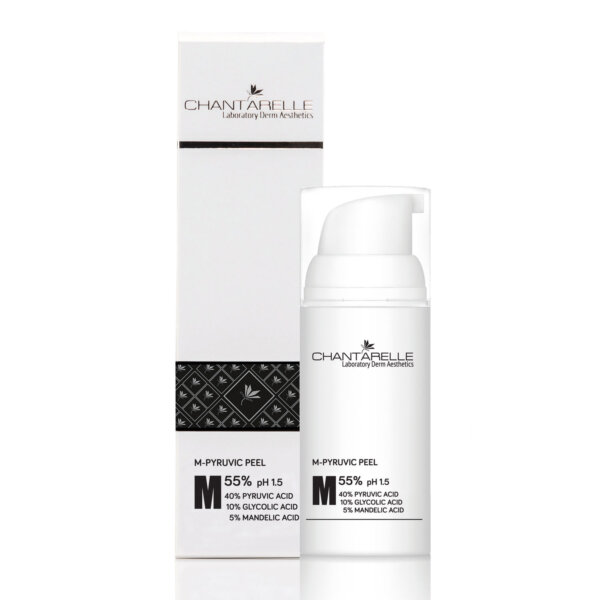
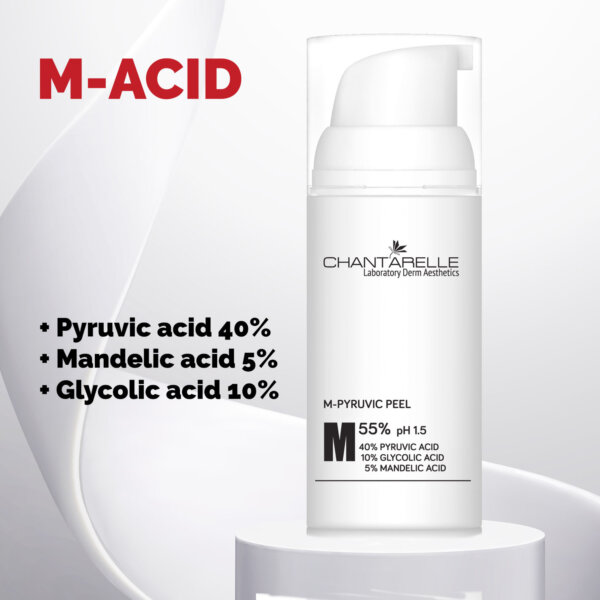
Cosmetic M-acids
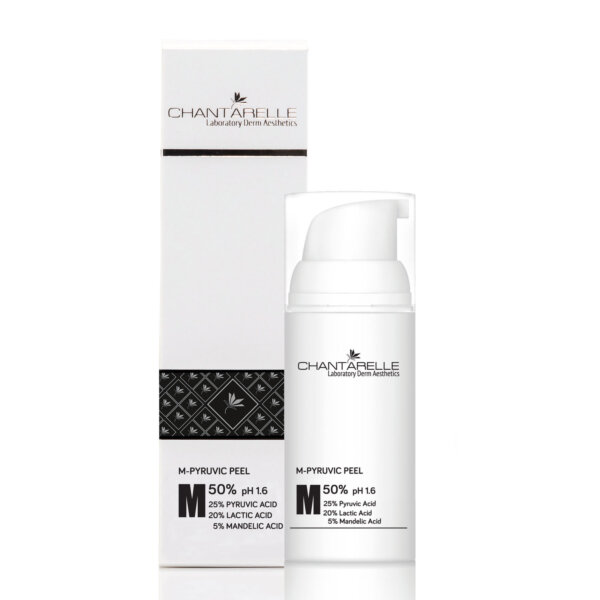
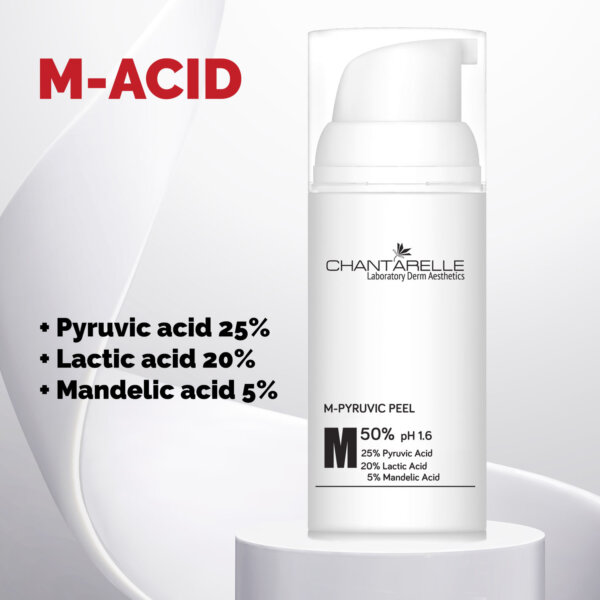
Cosmetic M-acids
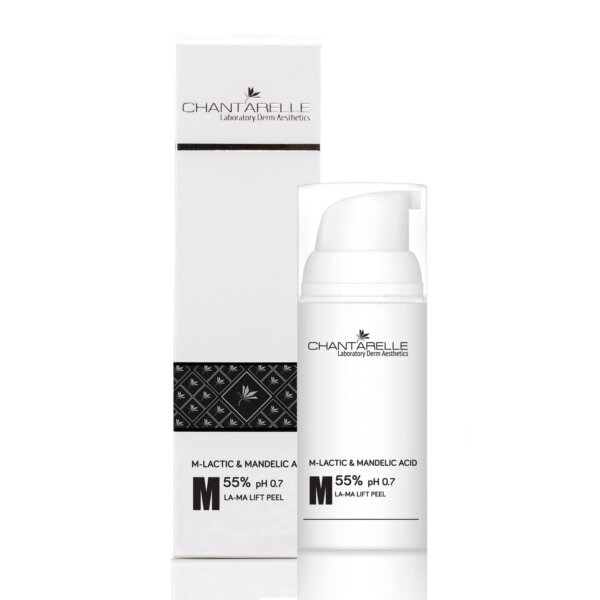
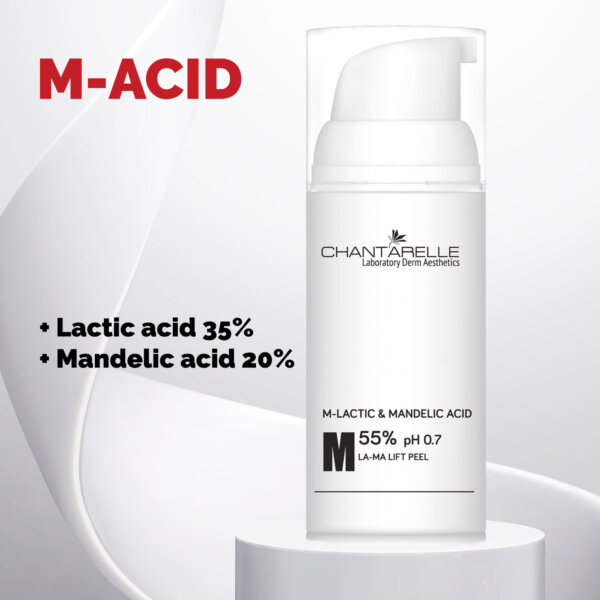
Cosmetic M-acids