Try our novelties and bestsellers!»






Skin care at home
Facial acids both at the beautician and at home
Jan
Facial acids are one of the most effective treatments within all cosmetics with many benefits. If you have not yet heard of them be sure to read this collective text. It will also guide you to detailed descriptions of individual cosmetic acids.
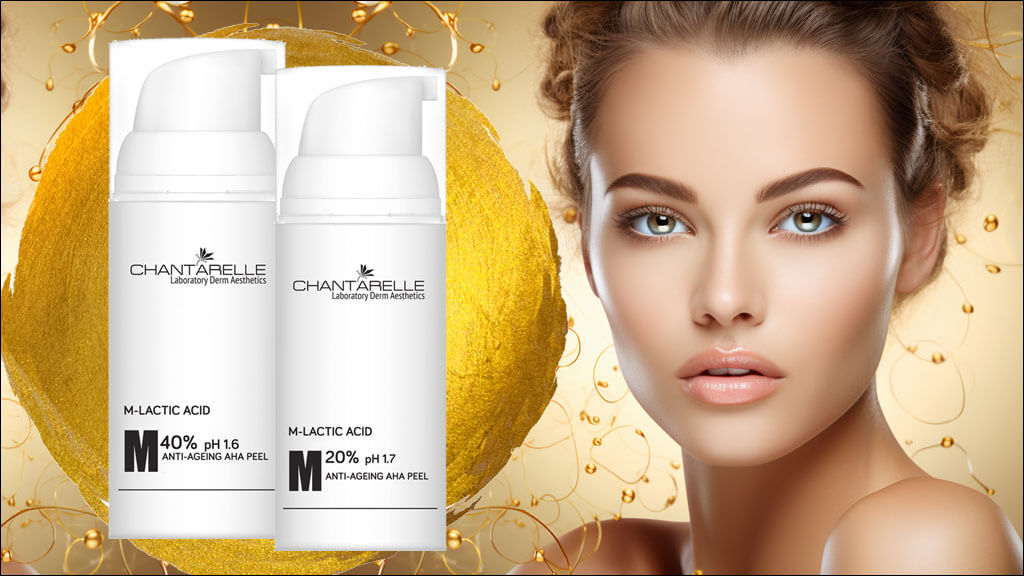
AHA or fruit acids are even essential for the skin – they remove old, superficial cells of the stratum corneum, improve cell renewal, rejuvenate and lighten age spots. Acids can be found not only in scrubs, but also in foams, toners, masks and creams. They can be used both in professional care at a beautician or cosmetologist and in home care.
Acid facial treatments – what is acid therapy and why is it worth it?
Acid therapy is a gentle physiological method to normalise the skin barrier and acidity. Acid therapy involves the use of cosmetics with a slightly acidic pH (4.2-5.5) in daily skin care. . Remember that with a prolonged high pH, the secretion of lamellar granules – those that contain enzymes and lipids from which the lipid barrier – the one that fills the space between corneocytes – is inhibited. This means that the skin will not have a good protective barrier, which means it will be sensitive. In addition, prolonged high pH causes inflammation. These processes are characteristic of many dermatoses. Another important factor affecting pH is the support of the skin’s microflora. The benefits of acid therapy for beautiful and healthy skin are therefore many.
Facial acids – types and use in cosmetics
We will talk about the beneficial effects of the different acids on the skin and then give examples in our products.
Polyhydroxy acids (lactobionic and glucolactone)
When compared to AHA acids, they have additional softening and moisturising properties and strengthen the barrier function of the stratum corneum. In addition, they have anti-inflammatory properties. Clinical studies have shown that glucolactone does not increase the skin’s sensitivity to sunlight and can be used in a comprehensive treatment programme that includes retinoids and other cosmetics. Lactobionic acid provides deep and long-lasting hydration, which is important for skin with a damaged stratum corneum. Read more about gluconolactone HERE and lactobionic acid HERE..
Alpha hydroxy acids (AHAs)
These include glycolic acid, mandelic acid and citric acid. These acids ‘detach’ the top layer of dead skin cells, ‘releasing’ healthier cells to the surface. Removing dead skin cells improves skin texture and tone, unclogs clogged pores and increases the effectiveness of other ingredients. Salicylic acid (beta-hydroxy acid) Thanks to the presence of a phenolic group, salicylic acid has a keratolytic effect, denaturing proteins on the epidermal surface. . The most well-known action is antiseptic. Salicylic acid reduces the synthesis of fibrinogen, fibronectin and the virulence factor alpha-hemolysin, which are essential for bacterial replication in host tissues. As this acid is fat-soluble, it is ideal for correcting oily skin and controlling sebum production. If you want to know more about AHA acids, go HERE.
Azelaic acid
Azelaic acid is another good ingredient for oily, problematic skin and skin with rosacea. It helps remove/prevent inflammation and its marks, soothes, relieves redness and swelling. It has been well researched and has research-proven efficacy: it destroys acne-causing bacteria, rosacea affects hyperactive melanocytes, thus brightening hyperpigmentation, clears pores and dissolves blackheads. To, find out more, go HERE. . Cosmetic acids in home care? Definitely a good idea, especially for certain skin types. Go HERE to find out more.
Facial acids in a cosmetologist's office

Special Aesthetics
Special Aesthetics
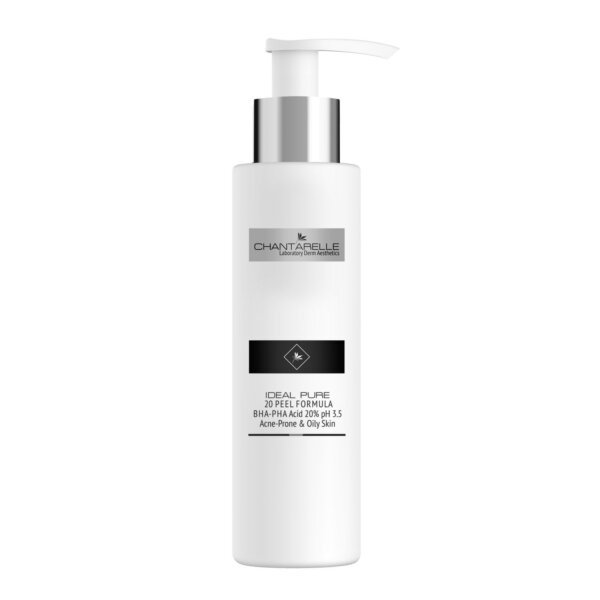
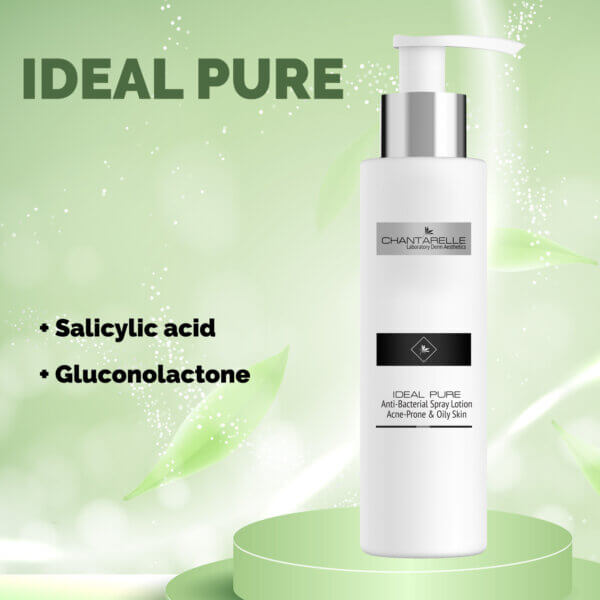
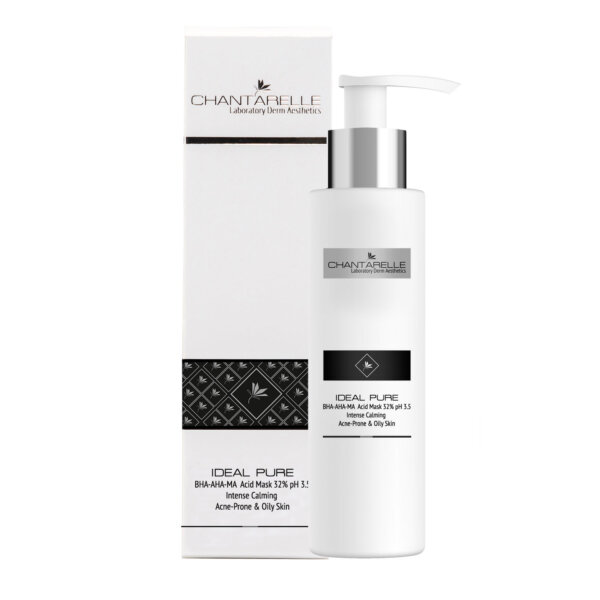
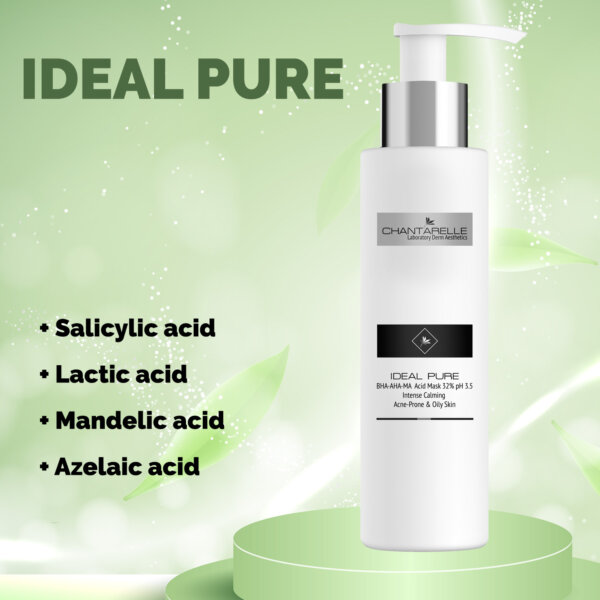
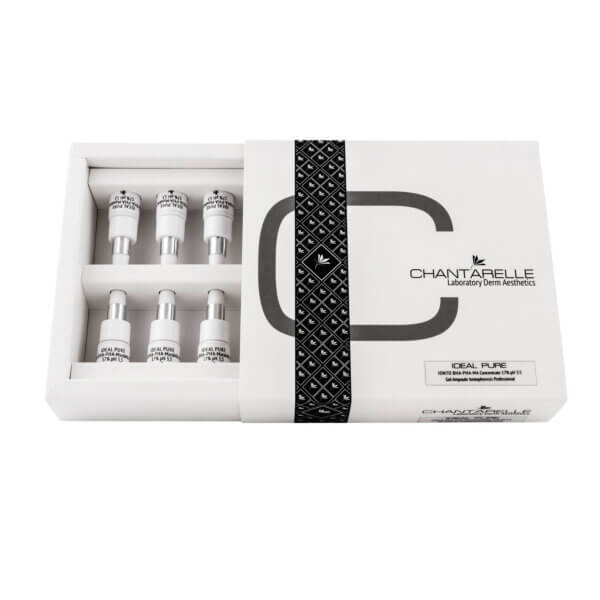
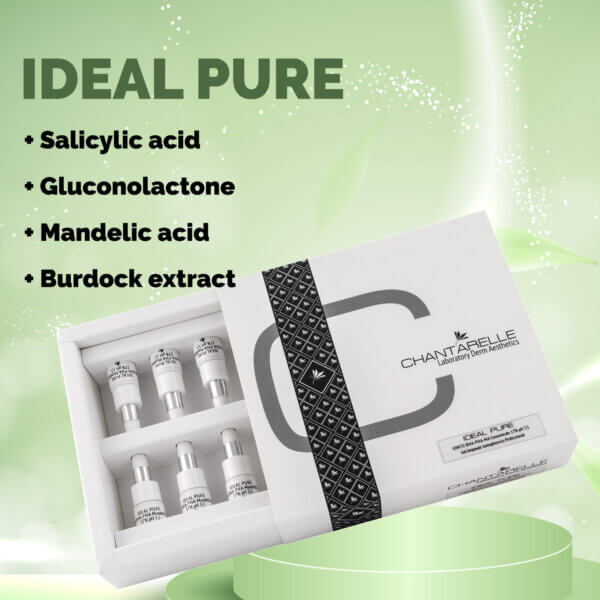
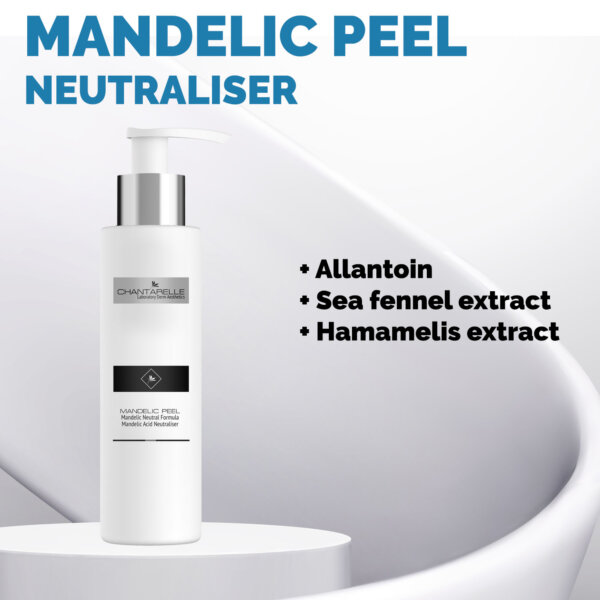
chemical and medical peels