Try our novelties and bestsellers!»






Active ingredients in cosmetics
Hibiscus oil
Feb
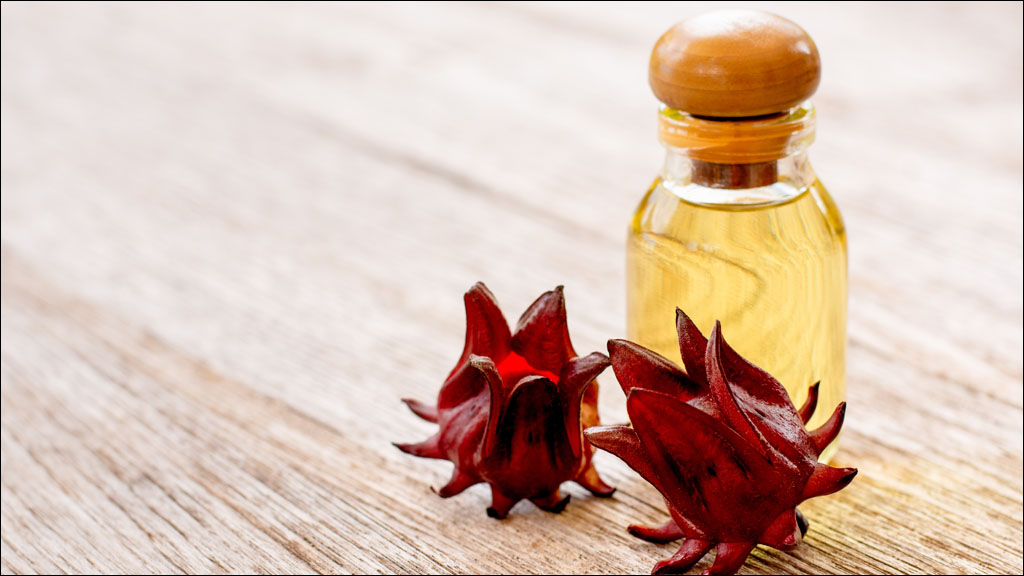
Plant extracts and oils have been used for thousands of years in medicine and later in cosmetology. At the turn of the 20th and 21st century, the trend of natural cosmetics gained ground, thanks to which a number of plant-based cosmetic ingredients that are beneficial for our skin have become widespread. One of these is hibiscus oil. Hibiscus sabdariffa L., also known as: ketmia or Jamaican sorrel is a shrub that grows up to two metres high. Hibiscus is native to India and Malaysia and is widely cultivated there. The species requires well-drained sandy loam soils and sunny weather. We produce hibiscus oil by macerating the flowers in sunflower oil.
Hibiscus oil as a drink and medicine
Traditionally, hibiscus was used as a refreshing drink. Hibiscus flowers were used to stimulate appetite and as a gentle laxative and in natural medicine, as a remedy for colds and upper respiratory infections. The tradition of drinking hibiscus infusion probably originated in Malaysia and India. Egyptians, on the other hand, love hibiscus still today. Europeans have also grown fond of hibiscus teas.
Applications of hibiscus oil in cosmetics
The oil is extracted from hibiscus flowers, which contain a number of chemical compounds popular in cosmetics. These include citric acid, malic acid, oxalic acid and tartaric acid, as well as numerous flavonoids – such as quercetin, myricetin, hibiscetin and hibiscitrin. In lower concentrations, they also contain phenolic acids, essential oils, phytosterols and pectin.
The cosmetic uses of hibiscus oil are varied. One of its most important properties is its antioxidant activity, which is due to the presence of anthocyanins. Hibiscus oil is used in products dedicated to sensitive skin and skin with symptoms of dermatoses because of its anti-inflammatory properties. The combination of hibiscus and sesame oil makes it a powerful natural anti-inflammatory ingredient with scientifically proven effects. The high concentration of linoleic acid and vitamin E further enhances these properties further. The above-mentioned ingredients also play an important role in rebuilding proper sebum levels. Many people with very dry skin and numerous dermatoses have problems maintaining their natural lipid layer. The amount and composition of the lipid layer can be evened out by using products containing restorative ingredients such as hibiscus oil.
Senegal hibiscus seed oil
Chantarelle’s experts have harnessed the precious Senegalese Hibiscus Seed Oil, with its powerful restorative, antioxidant and antibacterial properties, for all skin types. Rich in tocopherols and unsaturated fatty acids – Omega 6 and 9, it strengthens the cohesion of the epidermal barrier and hydrates the skin by reducing water evaporation (TEWL). It lightens skin tone and discolouration, giving the skin a radiant and fresh glow. Thanks to its very strong anti-free radical properties, it has an anti-ageing effect, regenerating and smoothing the skin. Reduces symptoms of inflammatory lesions, has an antibacterial effect – inhibits the proliferation of bacteria and other pathogens.
Indications for hibiscus oil
- all skin types, photo-ageing and anti-radical protection
- pigmentation, sun spots, skin after overexposure to UV
- skin that is rough, dry and dehydrated, grey, dull
- skin with signs of ageing, with wrinkles, flabby, anti-ageing prevention
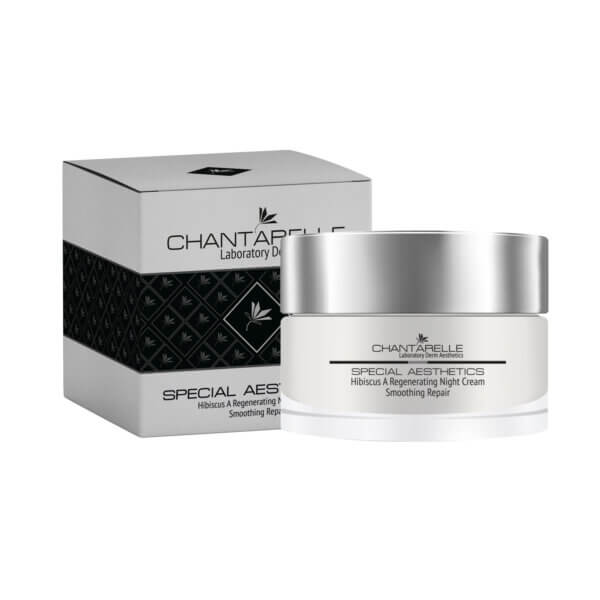
Hibiscus oil is included in the formulation of the regenerating night cream from the Special Aesthetics line.