Try our novelties and bestsellers!»







Active ingredients in cosmetics
Milk thistle – plants in cosmetics
Aug
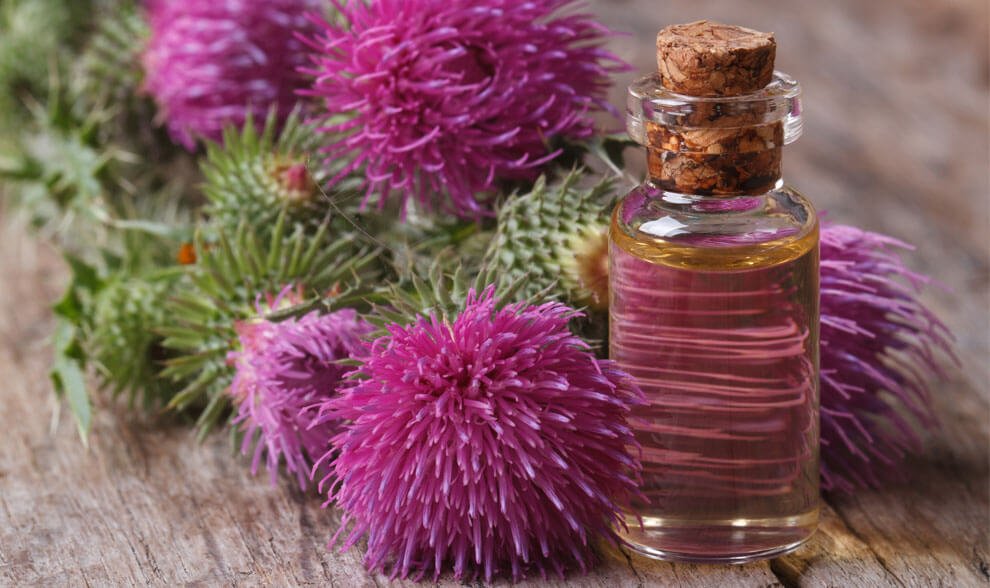
Spotted thistle (Silybum marianum) is a plant belonging to the Asteraceae family. It is a biennial plant growing up to 2m tall. The flower heads are 4-8cm in diameter. They are made up of purple tubular flowers surrounded by rows of tough bracts, the outermost of which end in strong spikes. The plant is native to the Mediterranean region of Europe, northern Africa and western Asia.
In medicine and cosmetology, the most important part of the flower is the fruit, as it is from this that the plant extract is extracted. The most important active substance of thistle is silymarin, which is not a chemically pure compound, but a mixture of structurally different islomers from the flavanolignan group. In addition to these, isosylibin and isosylichristin are also abundant in thistle, along with lower concentrations of flavonoids, tyramines, tannins, essential oils, sterols, saponins, vitamins and organic acids.
Medicinal properties of thistle
Derived from Latin, the name ‘Silybum‘ was given to thistle by the Greek physician Dioskurydes in 100 BC. The species name ‘marianum‘, on the other hand, comes from the legend of the Virgin Mary feeding a baby in the stable of Bethlehem, and drops of milk fell on the leaves of this plant and caused white spots to form on them. According to Bible scholars, thistle may be mentioned in a quote from the Book of Judges (8:7): “… then I will thresh out your bodies with the thorns of the desert and the thistles”, for it is a plant common in these regions, and its structure – a long and thorny stem topped with spiky flower stalks – makes it suitable for use as a whip.
Thistle has been used in natural medicine for nearly 2,000 years. It has long been regarded as an excellent liver protector and digestive aid. Decoctions prepared from the fruits of thistle have been prescribed as a cholagogue, to strengthen and stimulate blood circulation. As well as for combating allergies, asthma, fever and haemorrhoids. Silymarin, present in the extract when taken orally, has a protective effect on the kidneys and liver. In addition, it strengthens the walls of blood vessels and aids in lowering sugar levels. Currently, however, milk thistle is most often used for the production of preparations and cosmetic oil.
Thistle in cosmetology and cosmetics
Thanks to the highly concentrated phosphoglycans in the extract, cosmetics with thistle provide strong antioxidant protection. Due to its high concentration of silybin and silymarin, thistle extract is also an effective anti-inflammatory agent. It is recommended for allergic problems and inflammatory skin conditions. Some studies have also shown anti-ageing properties of this plant. This is due to its stimulating effect on keranocytes, which results in the synthesis of collagen and elastin. Thistle extract is typically used in creams, gels, masks, lotions, emulsions and shampoos and hair conditioners.
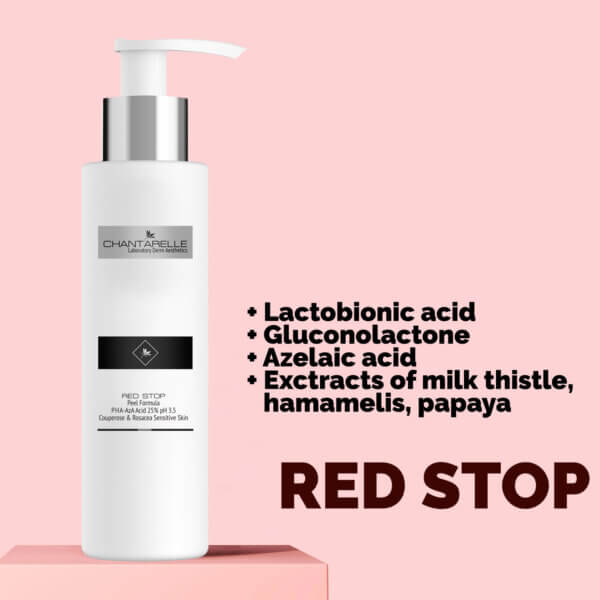
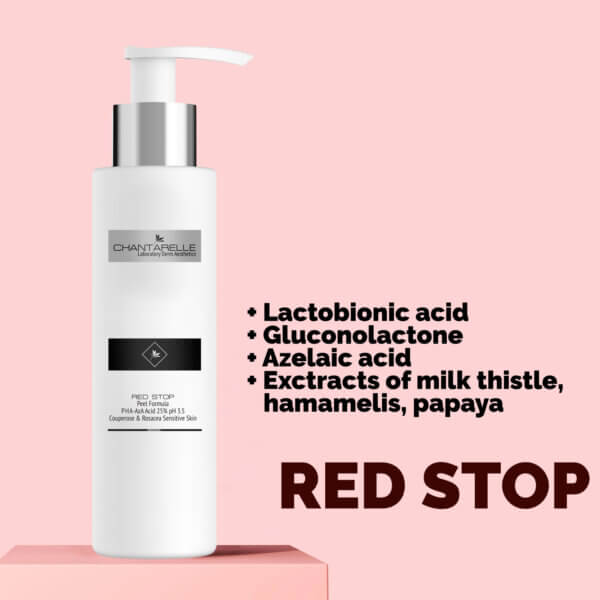
Thistle in Chantarelle cosmetics