Try our novelties and bestsellers!»




-
×
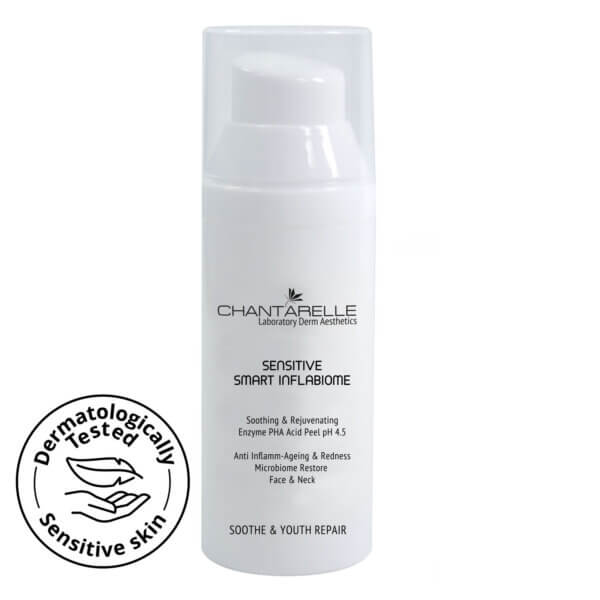 Enzymatic peeling for sensitive skin with gluconolactone, rejuvenating and soothing pH 4.5
1 × 32,00 £
Enzymatic peeling for sensitive skin with gluconolactone, rejuvenating and soothing pH 4.5
1 × 32,00 £ -
×
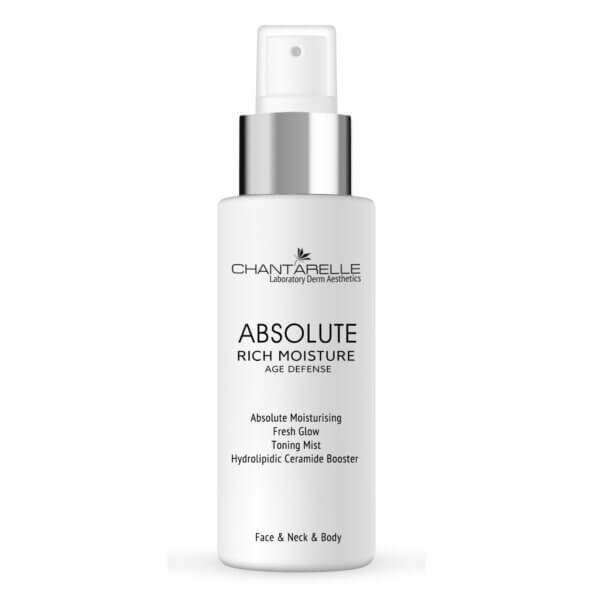 Toning mist for face, body and hair - absolute hydration
1 × 31,00 £
Toning mist for face, body and hair - absolute hydration
1 × 31,00 £ -
×
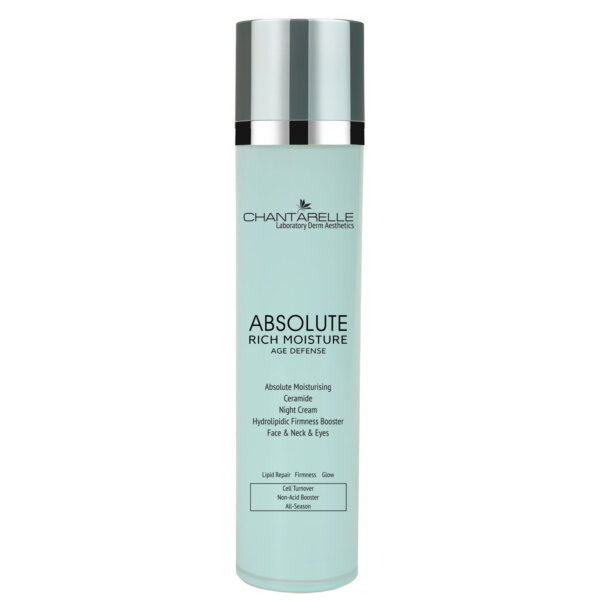 Night cream with ceramides for face and eyes - absolute hydration
1 × 55,00 £
Night cream with ceramides for face and eyes - absolute hydration
1 × 55,00 £ -
×
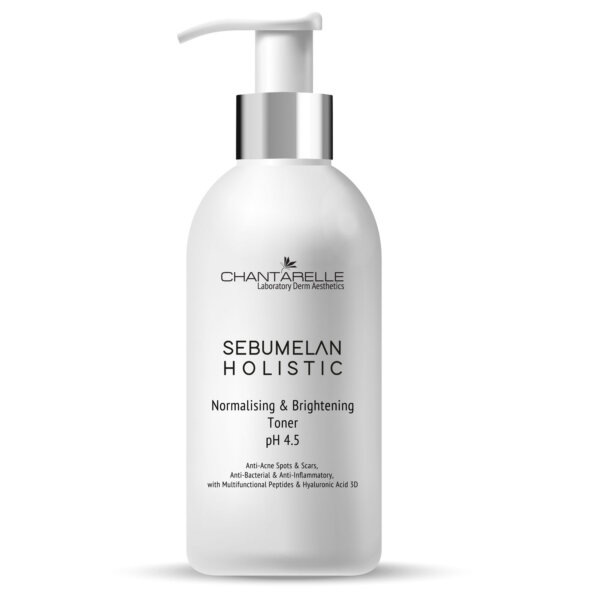 Tonic pH 4.5 for acne blemishes and scars
1 × 37,00 £
Tonic pH 4.5 for acne blemishes and scars
1 × 37,00 £ -
×
 Eye cream, against wrinkles, dark circles and puffiness, antioxidant
1 × 45,00 £
Eye cream, against wrinkles, dark circles and puffiness, antioxidant
1 × 45,00 £



Tips
Skin cleansing in the fight against bacteria and viruses
11
Mar
Mar
In the wake of the coronavirus and influenza outbreak, WHO and GIS experts are calling for people to wash and sanitise their hands regularly and not to touch their faces. These are now among the most important recommendations to protect against the spread of viruses and bacteria. Most pathogens are transmitted by the droplet route, through sneezing and coughing, but also persist for a certain period of time on different surfaces.
Hand washing – the more often the better
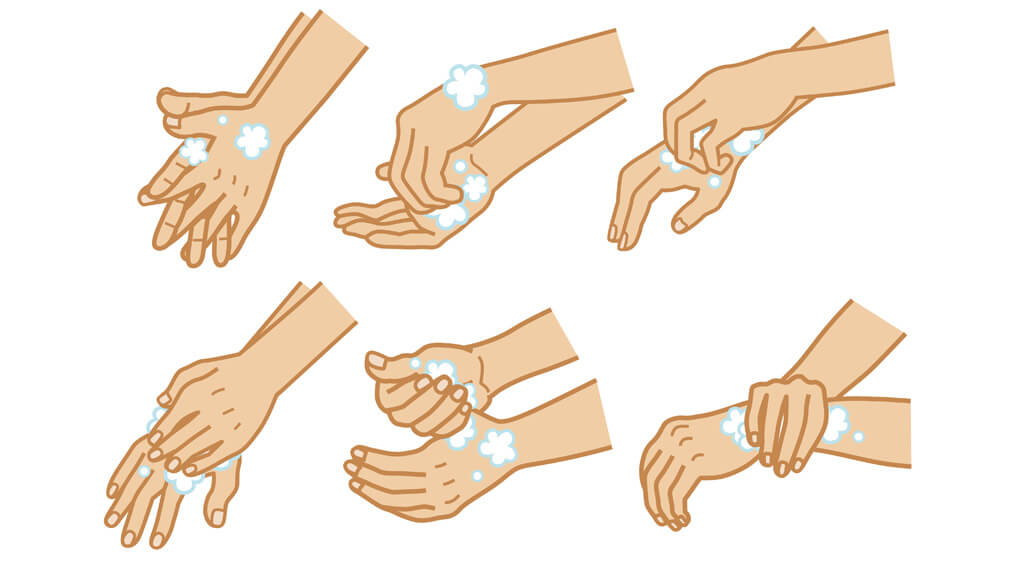
We wash our hands with soap and water for a minimum of 30 seconds. This is the best and simplest prevention against infection with harmful bacteria and viruses. The Chief Sanitary Inspectorate stresses that it is necessary to observe strict hygiene rules, including frequent washing of hands with soap and water, and if it is not possible, e.g. outside the home or office, disinfecting them with an alcohol-based agent.
How to wash your hands thoroughly below.
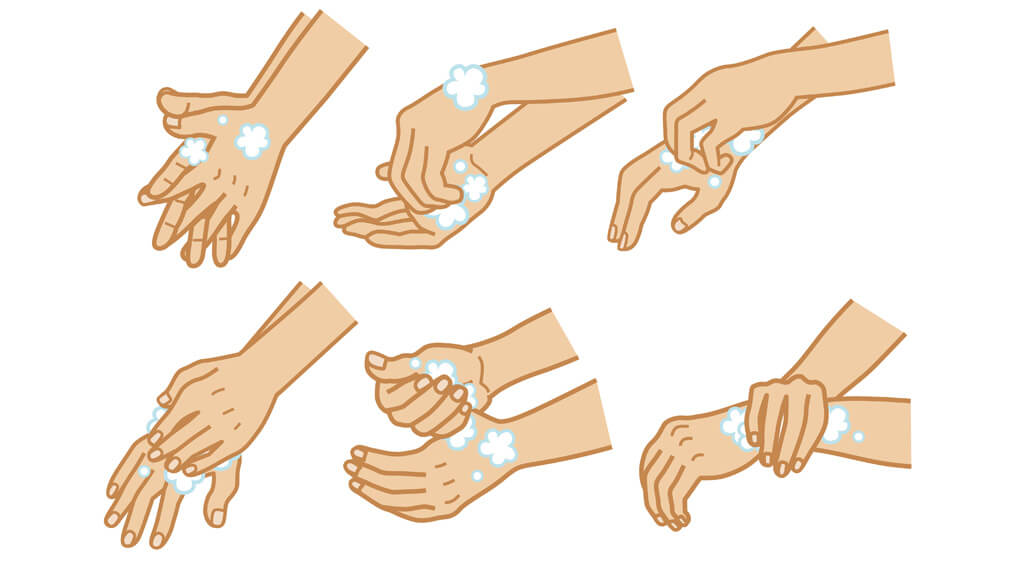
Source: General Sanitary Inspectorate
irritated hand skin
Very frequent hand washing can cause irritated hand skin. The skin becomes dry, cracked and rough. Some people even develop sores from disinfection with antibacterial products and their constant use. Unfortunately, the need for frequent hand washing is indisputable. What can we do to avoid irritated hands after disinfection. After washing your hands, it is a good idea to regularly apply a cream to moisturise and reduce roughness, soothe inflammation and strengthen the hydro-lipid barrier.
Don’t touch your face
Do you remember what your hands touched before they touched your face? A mobile phone? The steering wheel of a car? The keyboard of a computer? Money? The handrail on the bus? Doorknobs? There are up to tens of thousands of bacteria on all these objects. Many of these objects are touched by other people all the time. Then your hands unknowingly travel to your face. By touching the mouth, nose and eye area, we easily transmit pathogens such as bacteria, viruses and fungi. This is a habit that we do not control. It is important to try to control it. Contact of the mucous membranes of the nose, mouth and lips with hands – this is one of the most common routes of transmission of infectious diseases. It is enough for germs to enter the body if dirty fingers touch places covered only by mucous membranes.
Clean objects in your environment
Experts from WHO and GIS also recommend systematic decontamination with alcohol-based preparations of desk and kitchen worktops, mobile phones, keyboards, TV remote controls, door handles. These are objects and places where pathogens accumulate in huge numbers. The best thing to do is to wipe these objects with antibacterial wipes or disinfectant liquid (soak a cotton swab in it). The more often we do this, the lower the risk of a bacterial or viral infection.
Cleanse your face as soon as you get home
Don’t wait until the evening to cleanse your skin and ideally do your make-up removal as soon as you get home. Your skin that has been covered in layers of makeup for too long will not function well, leading to excessive sebum production. It can start to get oily and shiny, and clogged pores are the quickest way for blackheads, pimples and pimples to appear on your skin. Uncleansed skin also often becomes rough and dry, which can lead to irritation and inflammation. That is, a lack of cleansing has a destructive effect on the skin’s natural microbiome. Above all, the facial skin collects and carries dirt and microorganisms that we come into contact with throughout the day. It is advisable to get rid of these as soon as possible and to moisturise and regenerate the skin with a properly selected cream.
Choose effective cosmetics to protect your skin
If we have neglected the cleansing and daily care of our skin and we have problems maintaining the balance of our microbiome, then vigorous corrective action is necessary. It is then worth reaching for cosmetics from the Agemelan and Sebumelan lines. They maintain the skin’s slightly acidic pH and support the hydro-lipid barrier. They cleanse, detoxify and repair damage caused by free radicals, smog, chemicals and pathogens such as bacteria, fungi and viruses.
Agemelan Holistic – a rejuvenating and repairing programme to lighten hyperpigmentation and tone, for skin with phototype I-IV, with hyperpigmentation and uneven tone, especially dry, vascular, with symptoms of premature ageing and photo-ageing, mature, with wrinkles.
Choose Agemelan Holistic cosmetics >.
Sebumelan Holistic – normalizing-brightening program with pH 4.5, designed for oily, acne-prone, combination skin; for the reduction of post-inflammatory hyperpigmentation and scars. It is a programme based on modern active ingredients targeting anti-inflammatory, sebum-regulating, rejuvenating and brightening effects.
Choose Sebumelan Holistic cosmetics >.