Try our novelties and bestsellers!»







Ferulic acid 40% pH 2.2 (chemical peeling)
Cosmetic M-acids
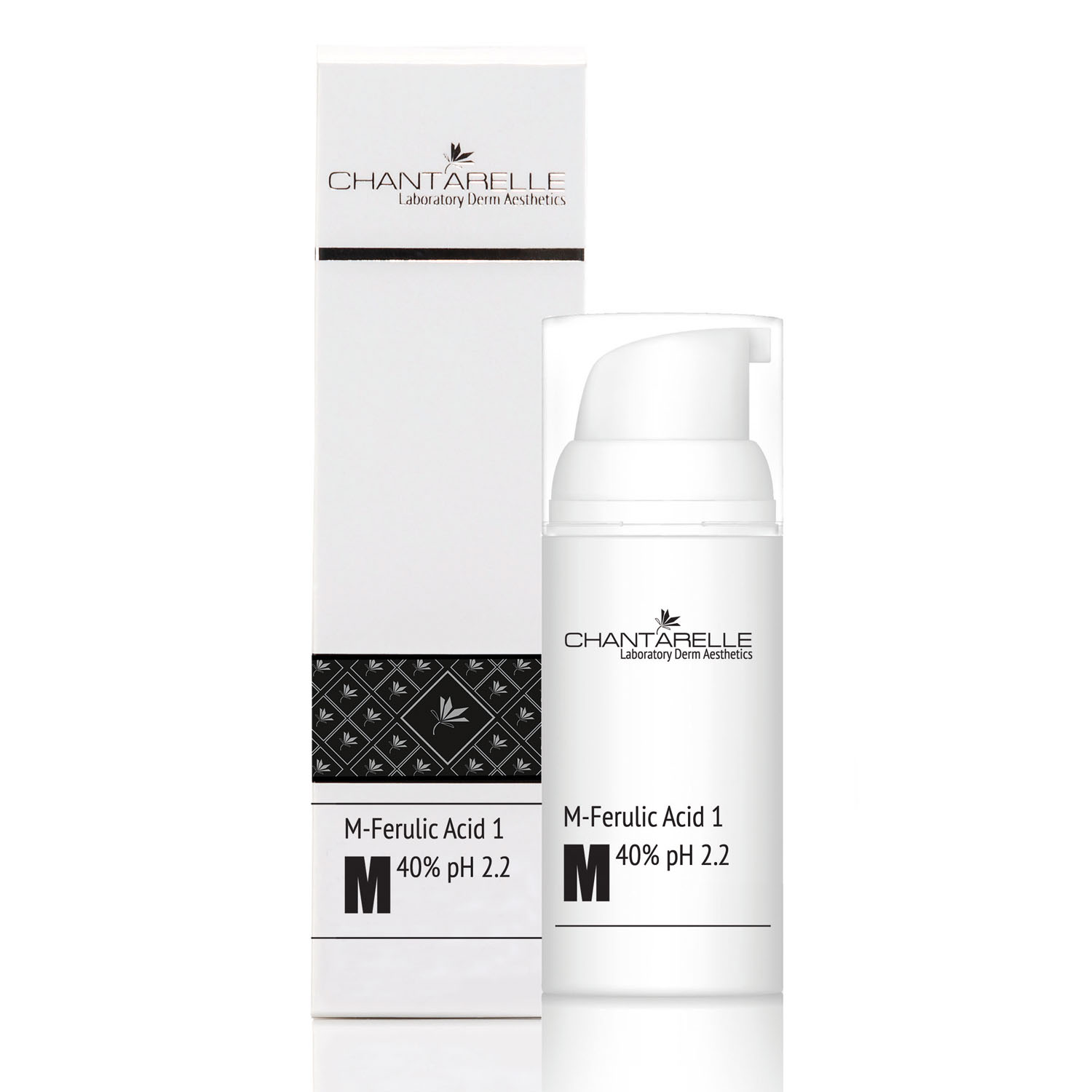
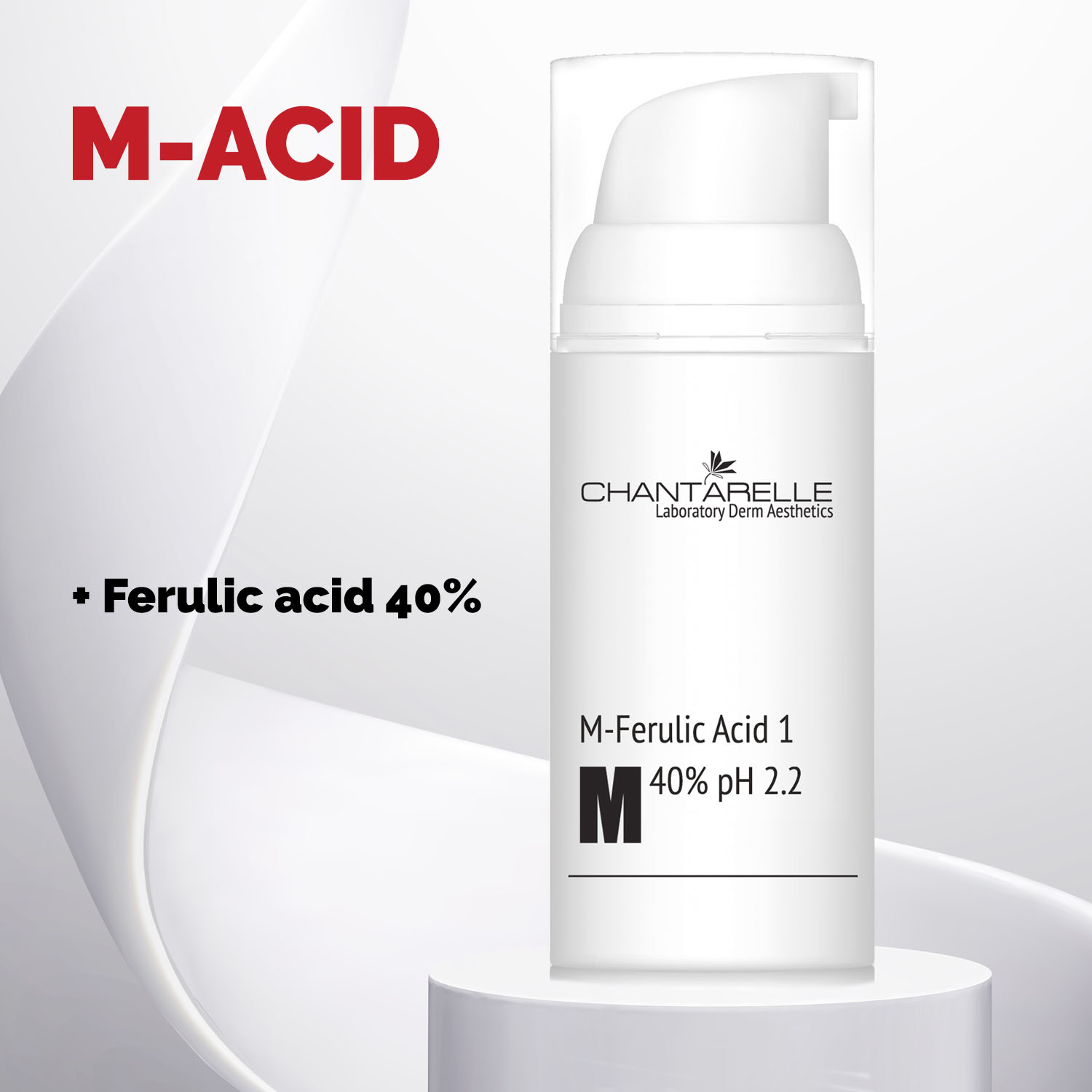
M-Ferulic Acid 40% pH 2.2
Ferulic acid 40% pH 2.2 is a preparation for exfoliation treatment. It regulates the keratinisation of the epidermis, improves hydration and the protective barrier. Check
Pojemność:
50mlFerulic acid 40% pH 2.2 is a preparation for exfoliation treatment. It regulates the keratinisation of the epidermis, improves hydration and the protective barrier, strengthens skin tone and reduces hyperpigmentation.
Ferulic acid can be used all year round as it does not exhibit phototoxic effects.
Indications for ferulic acid:
- skin prone to erythema, sensitive, shallowly vascularised skin
- dry, mature skin
- lack of suppleness and elasticity
- skin with a tendency towards erythema
- wrinkles
- acne symptoms and acne scars
- skin in need of regeneration, renewal and brightening
- urban skin, grey skin, smokers
Ferulic acid – effects:
- regulation of epidermal keratinisation
- perfect hydration and strengthening of the protective barrier
- increase in skin tone and rejuvenation
- reduction of sunburn
- skin perfectly nourished and moisturised
- photoprotection and enhanced antiradical protection

What do we know about ferulic acid?
✓ Ferulic acid is a derivative of cinnamic acid, while in nature it is found in the leaves, seeds and bark of coniferous trees, in the grains of wheat, rice, corn and rye. Its name comes from the giant fennel – Ferula communis. For cosmetology, it was discovered more recently.
✓ First of all, this cosmetic acid has photoprotective effects, it prevents skin ageing, improves skin tone and protects against photo-ageing. Therefore, it enhances the natural protection against UV radiation. Secondly, it has the ability to absorb radiation in the full UVA and UVB range, up to the high ultraviolet 450nm, with maximum absorption in the 385-420nm region. It enhances the effect of other photoprotective ingredients.
✓ It is a powerful antioxidant, nullifies free radicals that cause cell damage, dehydration, accelerated skin ageing, loss of firmness, wrinkles and hyperpigmentation. Ferulic acid rebuilds the skin matrix and stimulates collagen and elastin synthesis.
✓ But this is not the end of its possibilities. Scientists are discovering more and more miraculous properties of this substance. As it turns out, ferulic acid inhibits the deposition of beta-amyloid and can therefore be used as a basis for the manufacture of drugs for nervous system diseases. Other studies point to beneficial effects in hypertension and diabetes, which involve counteracting glycation.
| 01. Nazwa angielska | M-Ferulic Acid 40% pH 2.2 |
|---|---|
| 02. Pojemność | 50ml |
| 03. Linia | Chemical peels |
| 05. Kosmetyka profesjonalna | acids |
| 07. Wiek i płeć | age 20-30, age 30-40, age 40-50, age 50+, male |
| 08. Typ skóry | acne-prone skin, combination skin, dry skin, mature skin, sensitive skin, tired skin without energy, vascular skin |
| 09. Problem skóry | lack of energy and radiance, facial wrinkles, photo-aging, discolourations, capillaries, erythema, acne vulgaris, excess sebum, acne scars |
| 10. Efekt działania | exfoliation, rejuvenation, regeneration, reduction of mimic wrinkles, reduction of discolouration, antioxidant protection |
| 11. Składniki aktywne |
Active ingredients
Ferulic acid 40%
DESCRIPTION:
Ferulic acid – is a powerful antioxidant, nullifies free radicals that cause cell damage and accelerated skin ageing, dehydration and wrinkle formation. Stimulates collagen and elastin synthesis, moisturises. It also has an anti-inflammatory effect. It has a photoprotective effect, reinforcing the natural protection against UV radiation. Can be used all year round with appropriate sun protection.
Directions for use
-
- In accordance with the treatment procedure. It can be used all year round as it does not show phototoxic effects.
-
- Single-layer application of M-ferulic acid 40% for up to 3 min; Double-layer application of M-ferulic acid 40% for up to 2 min, and M-ferulic acid 50% for up to 1 min.
- Treatment time: up to 40 min
- Treatment frequency: 4-6 treatments in a series every 7-10 days or as a stand-alone treatment.
- For this product, we recommend: M-Neutraliser for M-mono and mixed acids – a common neutraliser for M-mono and mixed acids.
line
M-acids are chemical peels with mono-acid and acid mix. These are effective aesthetic treatments with exfoliating properties that provide visible effects of skin layer renewal and rejuvenation. Chantarelle experts have developed a wide range of M-acids, which, in addition to their basic function – exfoliation of the epidermis, allow for obtaining effects in treatments for a specific skin problem, even sensitive and problematic skin.
Related products
Cosmetic M-acids
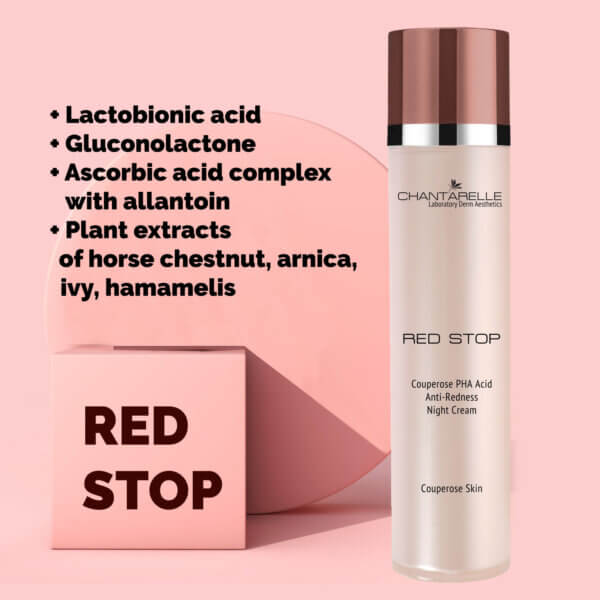
Special Aesthetics
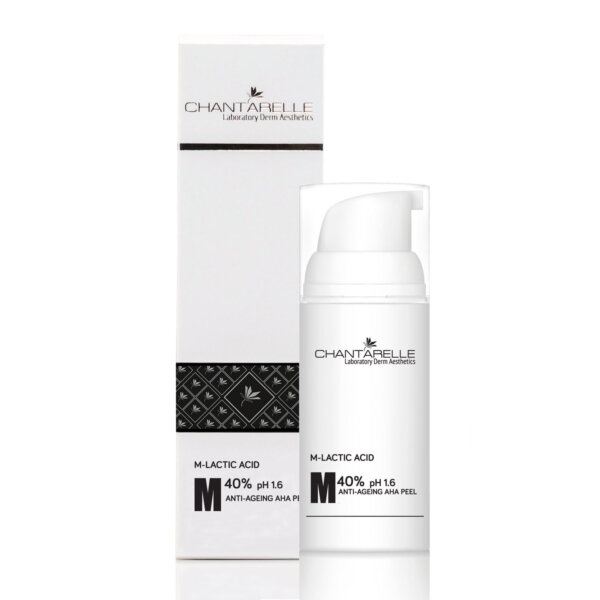
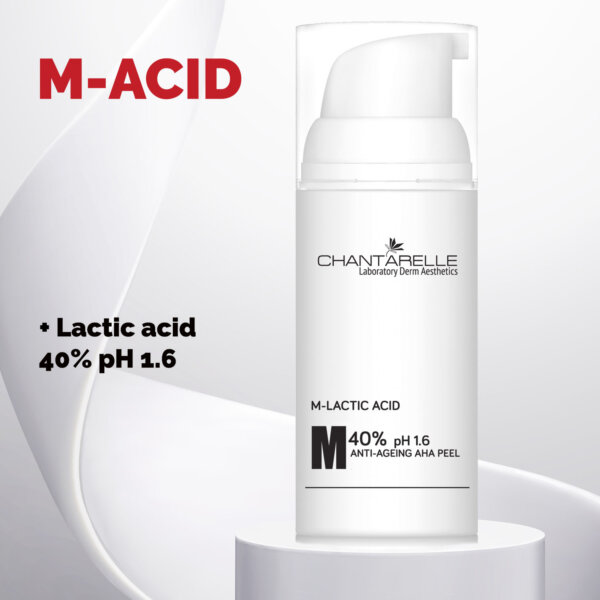
Cosmetic M-acids
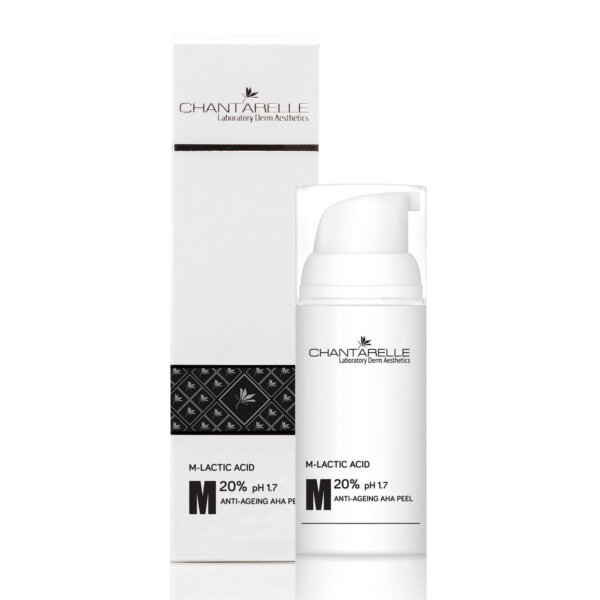
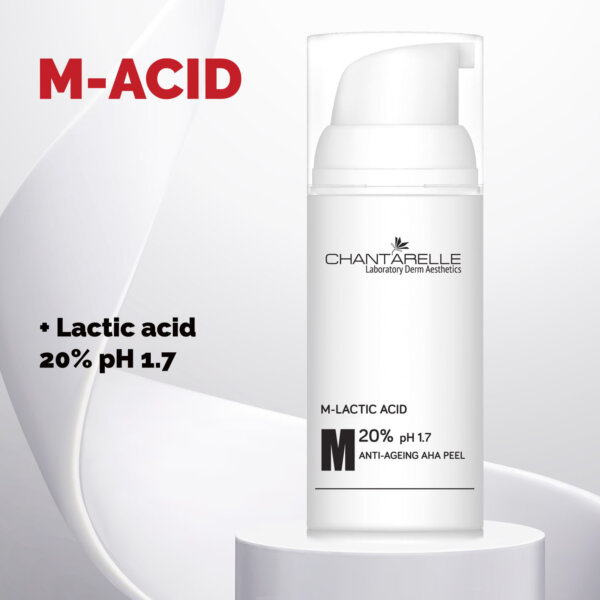
Cosmetic M-acids