Try our novelties and bestsellers!»



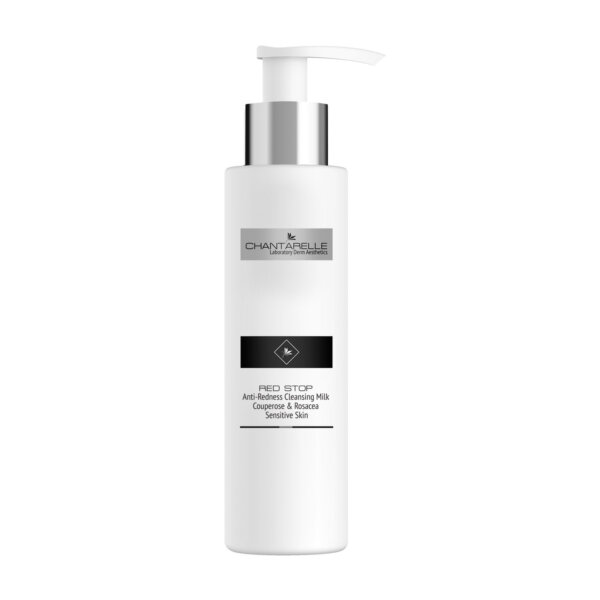 Milk for capillary and sensitive skin - soothing, capillary strengthening, cleansing
 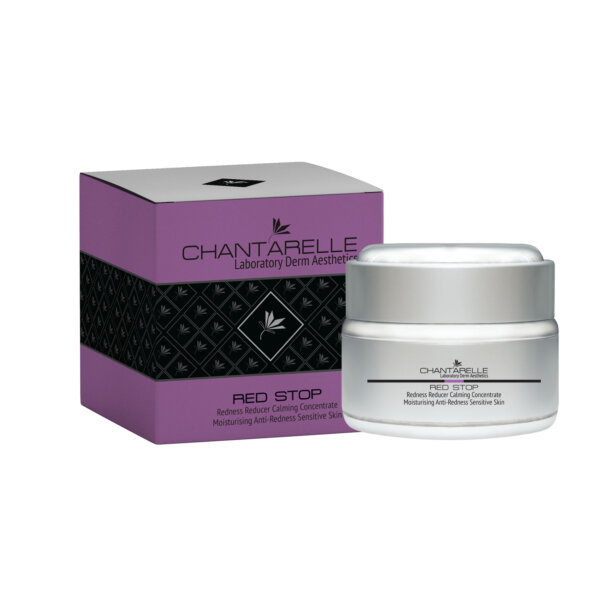 Redness-reducing concentrate for vascular, sensitive skin
 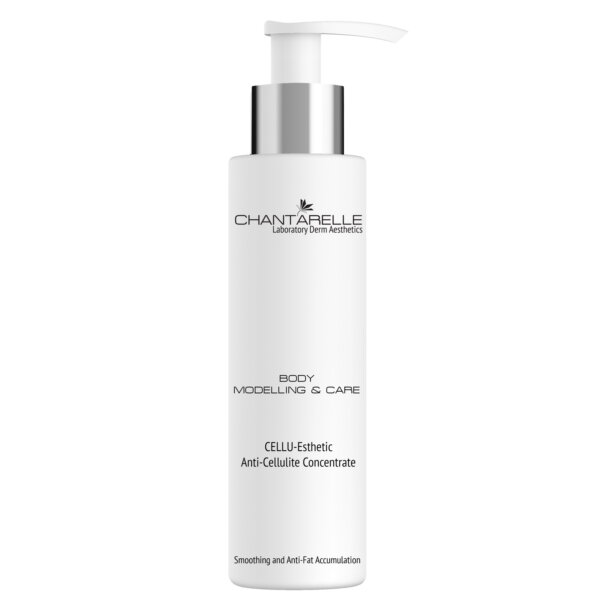 Anti-cellulite concentrate, smoothing and anti-fat accumulation


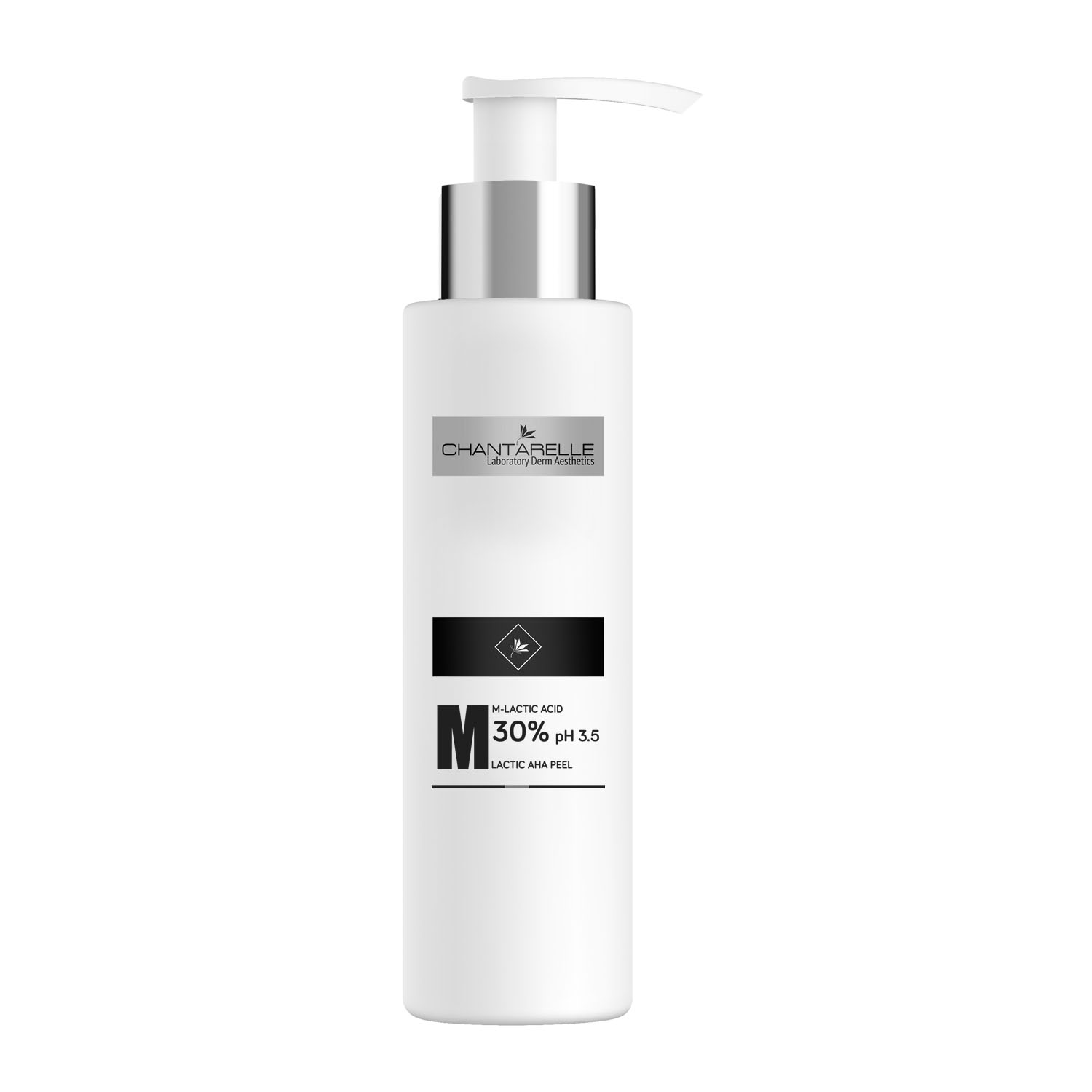
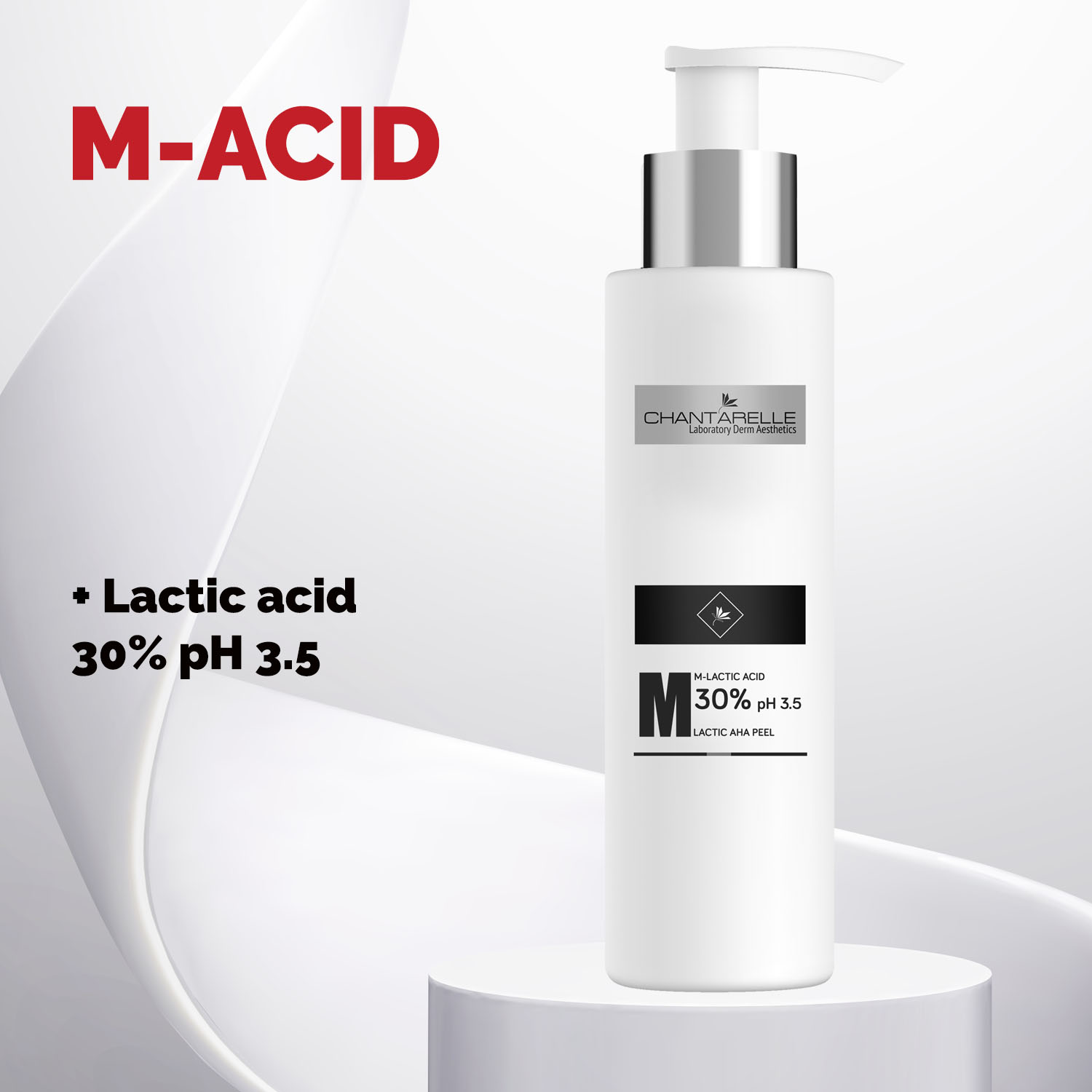
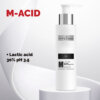
Lactic acid 30% pH 3.5 (chemical peeling)
Cosmetic M-acids
M-Lactic Acid 30% pH 3.5
The most popular cosmetic acid – lactic acid 30% pH 3.5 for regulating and rejuvenating treatments. Lactic acid for the face and décolleté.
Pojemność:
200mlLactic acid 30% pH 3.5 for purifying, moisturising exfoliation of the face and body skin. It has an anti-wrinkle effect, reduces scars and discolouration, evens out skin tone. It is designed for all skin types, especially oily skin prone to acne vulgaris. The product contains lactic acid buffered to 30%. Perform an exfoliation – lactic acid treatment on the face and décolleté, followed by a selection of post-treatment preparations from the Special Aesthetics line.
Effects of lactic acid treatments = regulation of sebaceous glands + deep rejuvenation + stimulation of regeneration + reduction of spots, scars and bumps
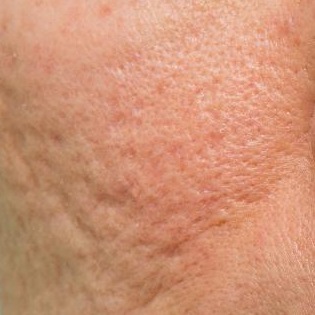
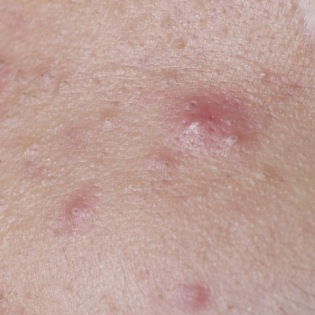
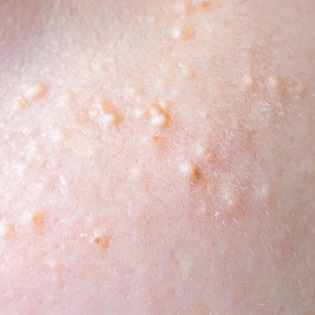
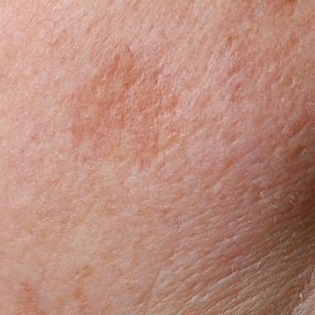
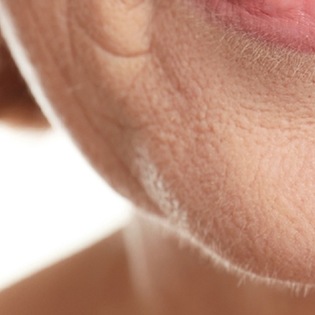
Explore the variants of the 30% lactic acid treatments
1) REGULATING TREATMENT
Lactic acid – indications:
- oily, seborrhoeic skin
- with dilated pores, impure skin
- with a tendency to oily, seborrhoeic skin
Lactic acid – effects:
- regulation and stabilisation of sebum production
- cleaning of sebaceous ducts
- equalisation of moisture
- restoring a healthy skin tone
2) INTENSIVE REJUVENATION TREATMENT
Lactic acid – indications:
- skin lacking elasticity
- with wrinkles
- dry, grey, lacking in radiance and healthy colour
Lactic acid – effects:
- stimulation of hydration and collagen building
- reduction of fine wrinkle networks
- prevention and inhibition of skin ageing
3) TREATMENT TO EVEN OUT SKIN IRREGULARITIES
Lactic acid – indications:
- skin with hyperpigmentation and spots, also scars, stretch marks
- structural imperfections of the skin
Lactic acid – effects:
- brightening and removal of hyperpigmentation and photopigmentation
- reduction of scars and stretch marks in the red and white phase
- restoration of healthy skin appearance

What do we know about lactic acid?
✓ Lactic acid is an alpha hydroxy acid (AHA) of moderate potency. It plays an important role in biochemical processes. It is produced by lactic acid bacteria of the Lactobacteriaceae family. It is also formed during intense exercise in our muscles and its presence causes acidification of the muscles, which results in a decrease in their performance.
✓ In low concentrations (up to 10%), lactic acid has a moisturising effect. It is one of the main components of NMF, or natural moisturising factor. As such, it influences the hydration and moisturisation of the skin and allows the epidermis to maintain a normal moisture level.
✓ In higher concentrations (usually 30-50%), it has an exfoliating effect. Peelings containing lactic acid, in addition to their ability to exfoliate the epidermis, improve the pigmentation of the skin, for example in facial acne and hyperpigmentation.
✓ Furthermore, lactic acid also shows the ability to increase epidermal thickness by increasing levels of procollagen I and collagen I. Thanks to these properties, it is considered a suitable acid for rejuvenating skin with photodamage.
✓ Lactic acid is therefore used very frequently in chemical peeling procedures because it effectively stimulates collagen and elastin production. It therefore stimulates skin hydration and elasticity, smoothes wrinkles, lightens spots and discolouration, smoothes scars and stretch marks, and additionally regulates keratinisation, cleanses and shrinks skin pores. To conclude, lactic acid is a mildly acting acid that allows an all-round improvement of the skin: its hydration, firmness and colour.
| 01. Nazwa angielska | M-Lactic Acid 30% pH 3.5 |
|---|---|
| 02. Pojemność | 200ml |
| 03. Linia | Chemical peels |
| 05. Kosmetyka profesjonalna | acids |
| 07. Wiek i płeć | age 20-30, age 30-40, age 40-50, age 50+, male, menopause |
| 08. Typ skóry | acne-prone skin, combination skin, dry skin, mature skin, oily skin, youthful skin |
| 09. Problem skóry | dryness, dehydration, loss of firmness, deep wrinkles and furrows, facial wrinkles, photo-aging, discolourations, acne vulgaris, excess sebum, acne scars |
| 10. Efekt działania | exfoliation, rejuvenation, firming, regeneration, reduction of deep wrinkles and furrows, reduction of mimic wrinkles, reduction of discolouration |
| 11. Składniki aktywne |
Active ingredients
lactic acid 30%
DESCRIPTION:
Lactic acid (AHA) – at concentrations above 5% removes dead epidermal cells and triggers renewal and regeneration mechanisms of collagen and elastin fibres. At higher concentrations of 20-40%, it lightens spots and discolouration, evens out small scars and has an effective smoothing effect on wrinkles. Peelings with lactic acid help to regain an even, healthy skin colour, increase the hydration of the epidermis, make the skin stronger, more elastic and firmer.
Directions for use
- In accordance with the treatment procedure.
- In all phases of treatment protect eyes, do not apply to mucous membranes. Follow the general peeling regimen with the use of SPECIAL AESTHETICS peri-treatment preparations for make-up removal, soothing and regenerating preparations, finishing creams with a high UVA/UVB filter.
- For body treatment, do not treat more than 20% of the body skin surface at one time.
- For large body surface treatments, there may be a slight increase in overall body temperature after treatment.
line
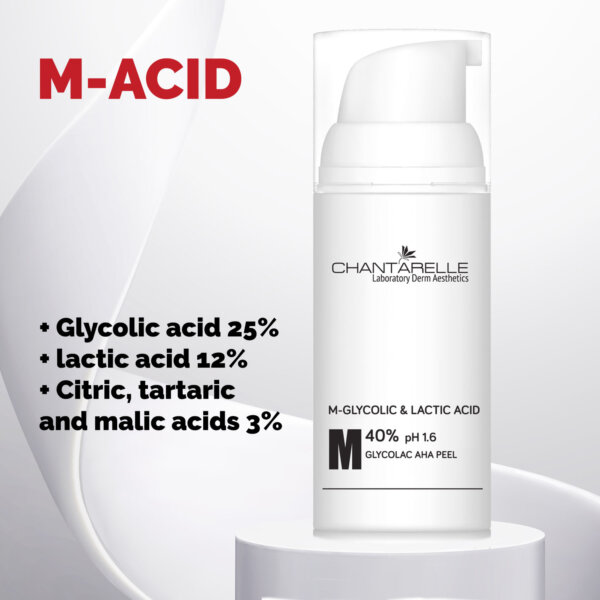
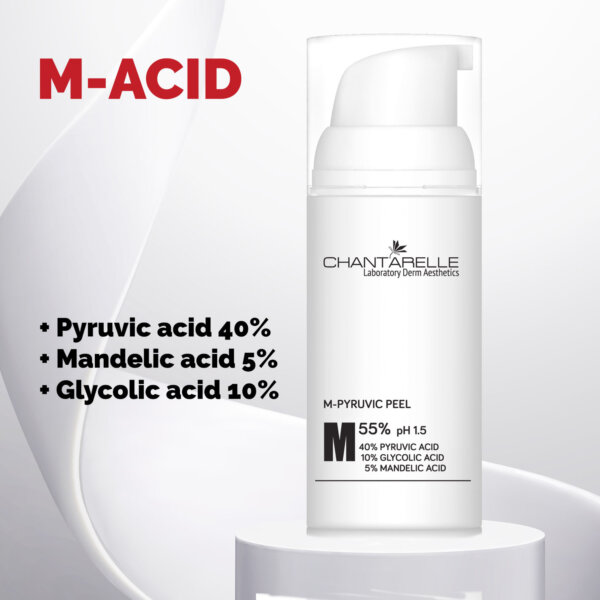
M-acids are chemical peels with mono-acid and acid mix. These are effective aesthetic treatments with exfoliating properties that provide visible effects of skin layer renewal and rejuvenation. Chantarelle experts have developed a wide range of M-acids, which, in addition to their basic function – exfoliation of the epidermis, allow for obtaining effects in treatments for a specific skin problem, even sensitive and problematic skin.
Related products
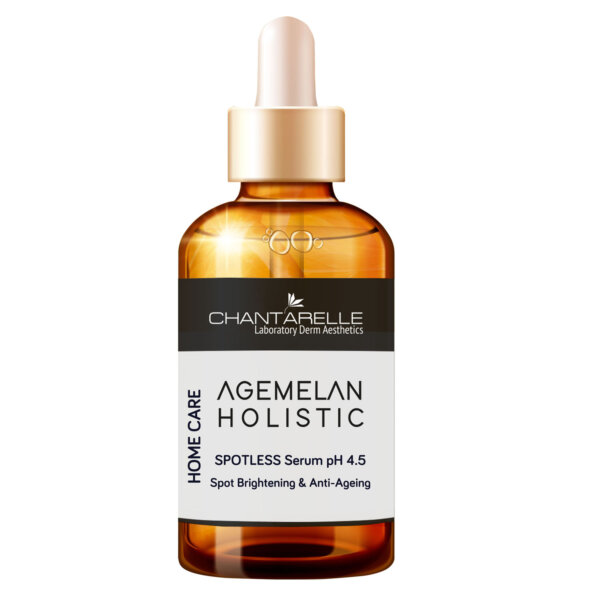
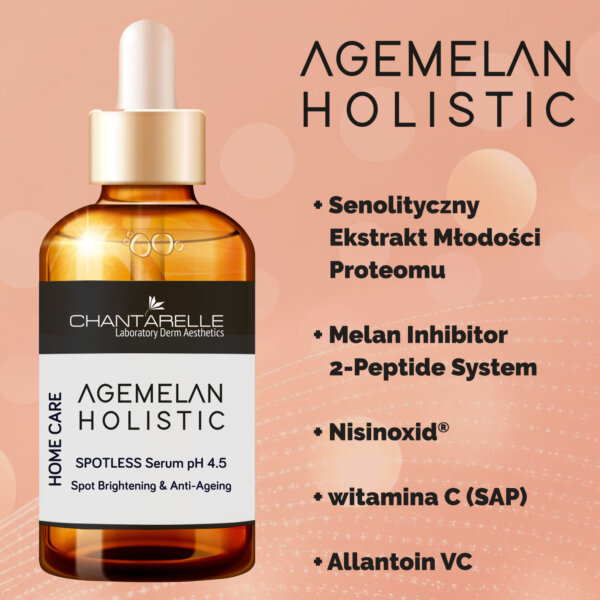
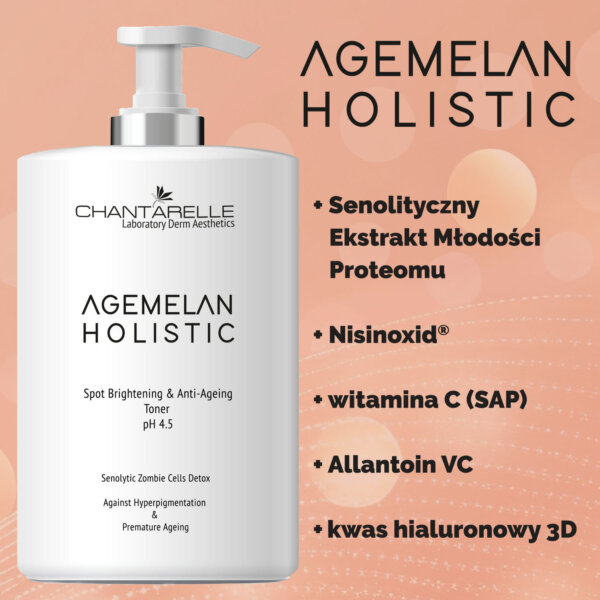
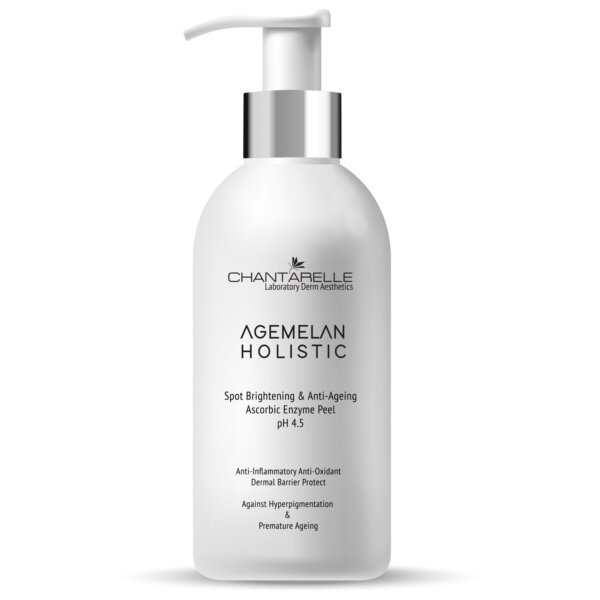
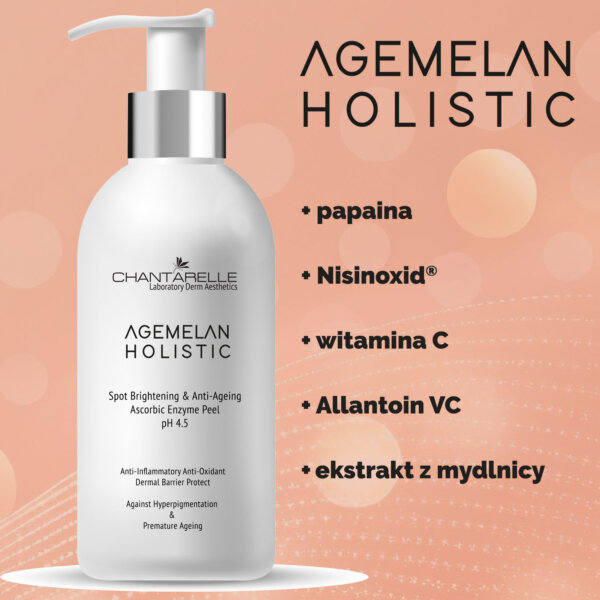
Agemelan Holistic
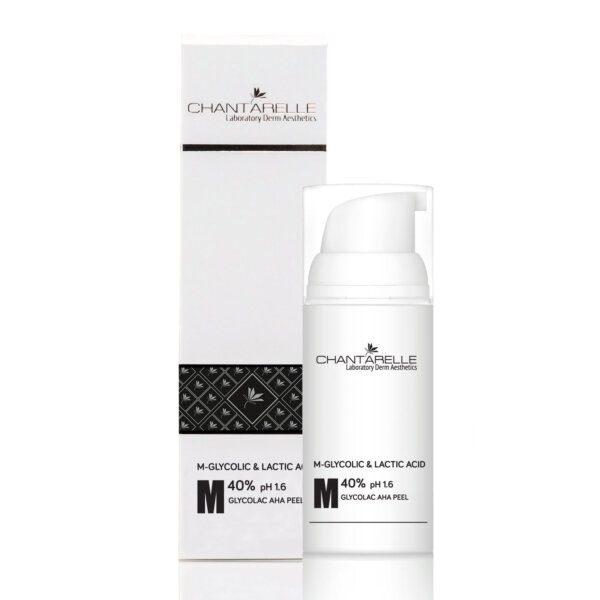
Cosmetic M-acids
Agemelan Holistic
Cosmetic M-acids
Cosmetic M-acids