Try our novelties and bestsellers!»




-
×
 Antibacterial herbal cleansing gel
1 × 25,00 £
Antibacterial herbal cleansing gel
1 × 25,00 £



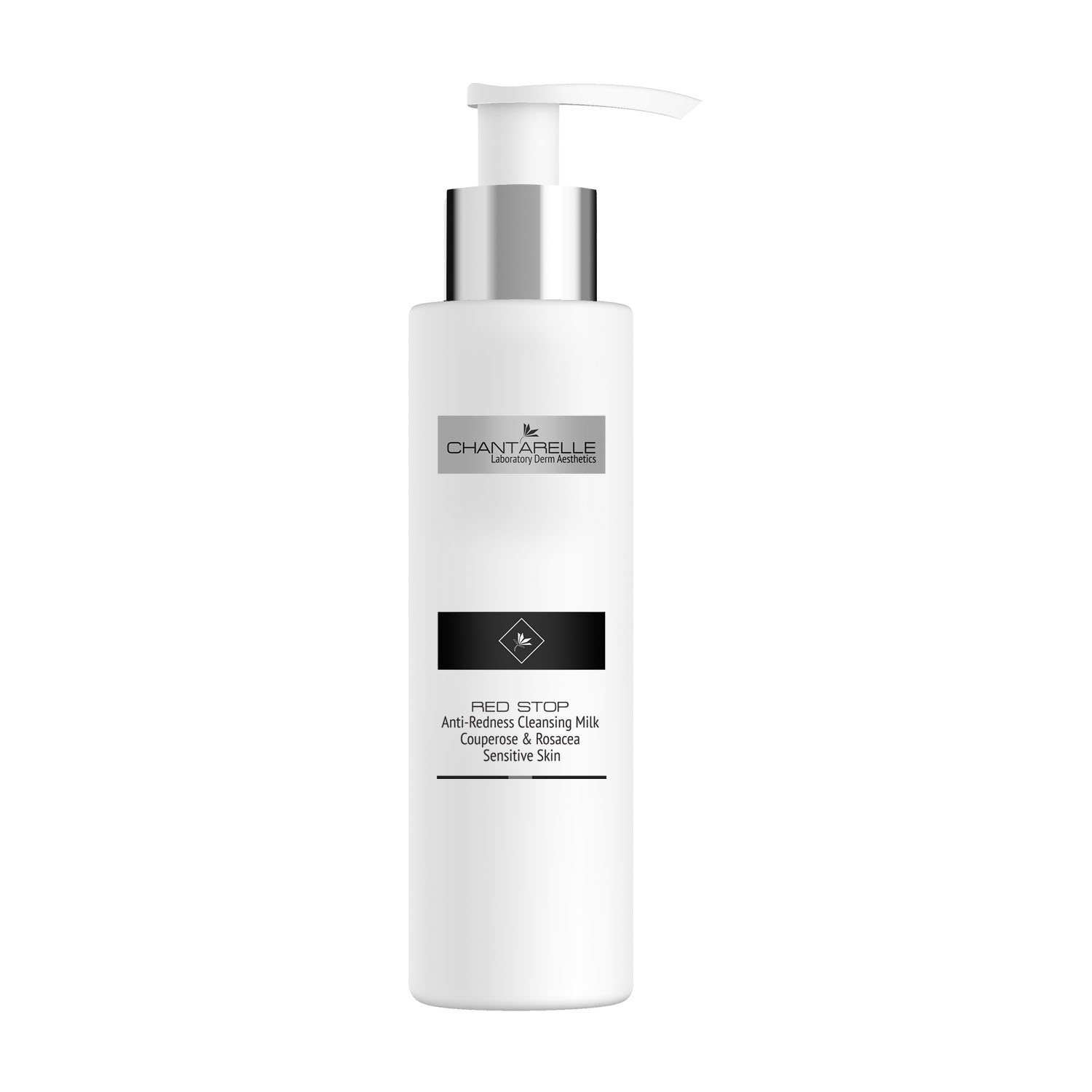
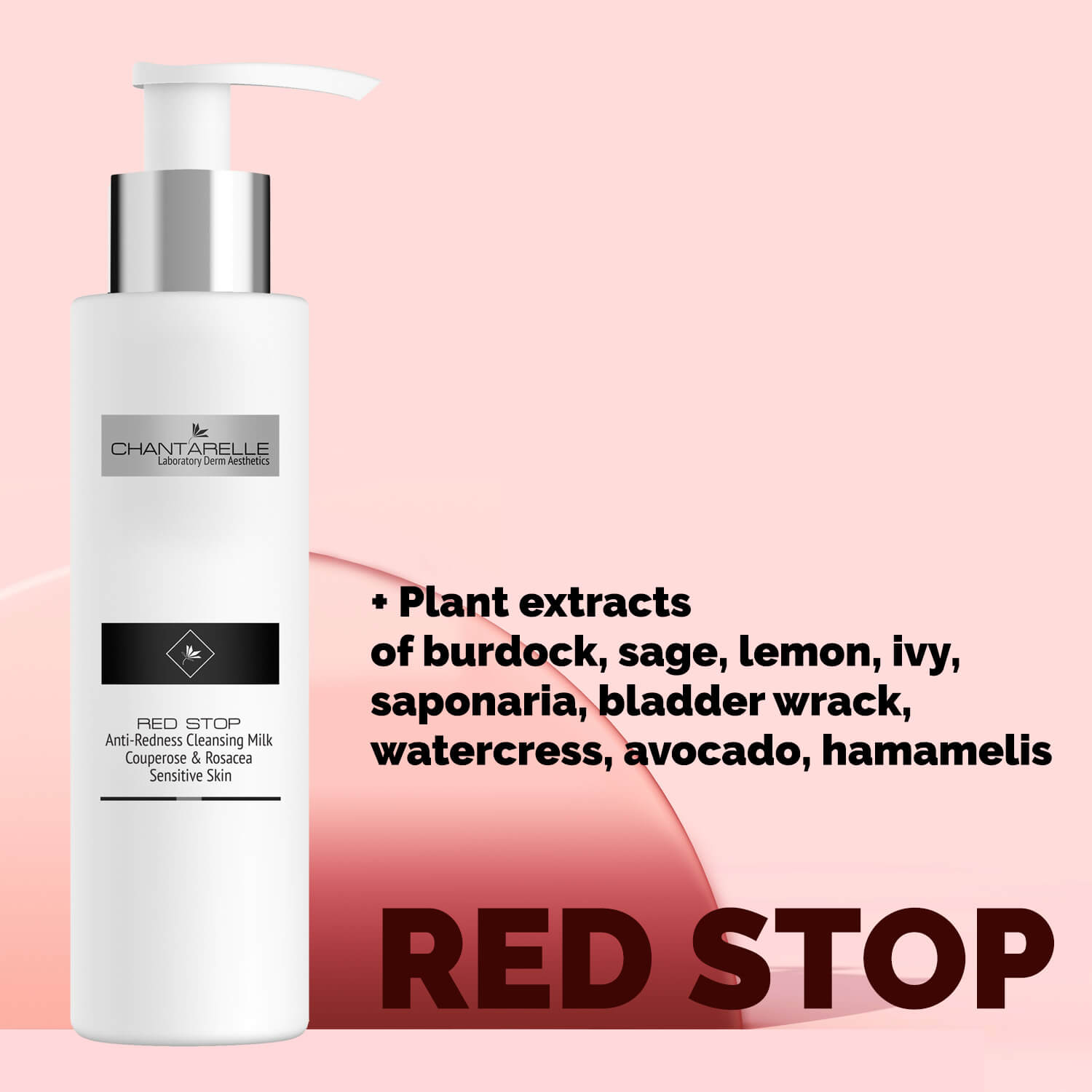
Milk for capillary and sensitive skin – soothing, capillary strengthening, cleansing
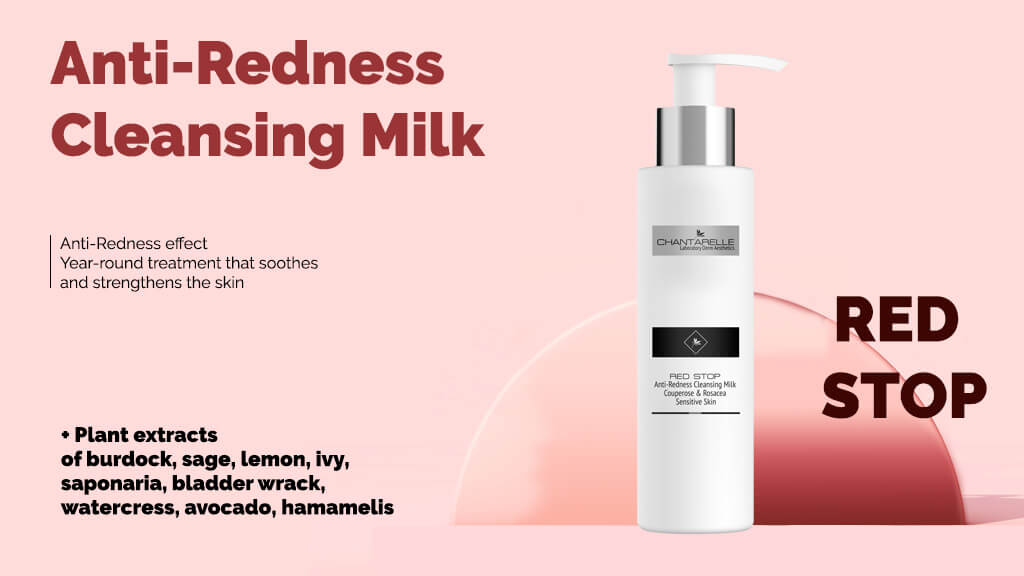
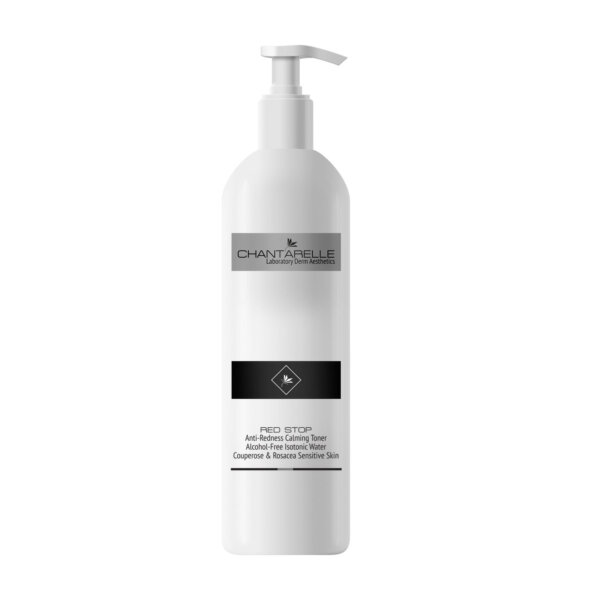
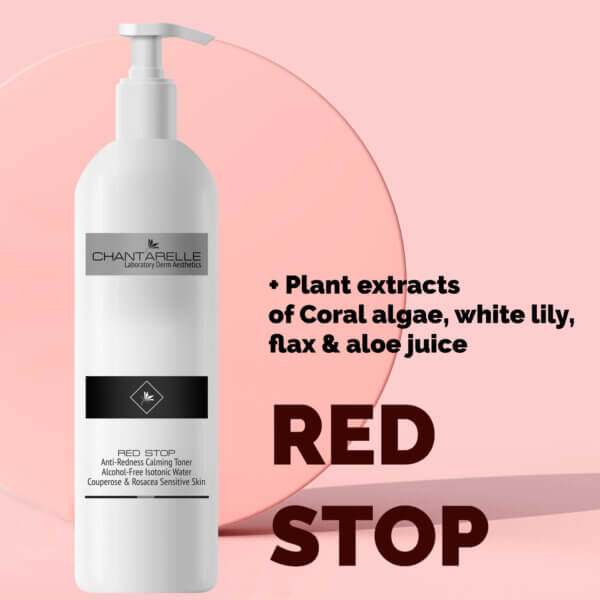
Red Stop
Anti-Redness Cleansing Milk
Anti-redness cleansing milk. Designed for removing make-up from vascular, rosacea-symptomatic, sensitive skin,
Pojemność:
200ml Koszt dostawy: od 0 zł
Czas realizacji: do 3 dni roboczych + czas dostawy
Milk for vascular, sensitive and rosacea-symptomatic skin – cleansing, soothing, anti-redness.
Contains natural, selected plant active ingredients. Has a moisturising, soothing and calming effect. Improves blood circulation and tightness of blood vessels. The skin is clean, fresh and, in addition, perfectly prepared for the next care phases. The milk is intended for removing make-up from vascular skin, with symptoms of rosacea, sensitive skin prone to erythema and irritation.
Red Stop Line is a year-round treatment to soothe and strengthen vascular and sensitive skin with symptoms of rosacea.
Recommendations and indications
- vascular skin
- sensitive, reactive skin
- dilated capillaries
- vascular foci, tendency to erythema
- sensitive, reactive skin
- dilated vessels
- severe flushing of the skin
- severe redness
- inflammatory symptoms
- acne rosacea, sensitive skin
- sensitive skin
- pustules and pustules
- dryness, burning, tenderness of the skin
- excessive skin reaction.
- excessive reactivity to external stimuli
- stress on the skin
Effects
- reduction of irritation and redness
- strengthening, sealing and shrinking of capillaries and improvement of their elasticity
- reduction of acne symptoms
- reduction of rosacea symptoms and symptoms of periodic paroxysmal erythema
- intensive anti-inflammatory and antibacterial action
- regeneration and restoration of the epidermal barrier function
- improvement of skin condition and its resistance to stress
Milk for vascular, sensitive skin and with symptoms of rosacea – plant extracts in the milk:
- Blade is a powerful antibacterial agent. It regulates sebum secretion and also has an emollient, anti-ageing and anti-inflammatory effect.
- <>Blade is a powerful antibacterial agent.
- Sage with antiseptic, astringent and antioxidant properties. Regulates sebum secretion and strengthens blood vessels.
- Citrine has excellent antioxidant and anti-inflammatory properties. It eliminates excess sebum and blackheads. It also has a brightening effect.
- Bluegrass has anti-inflammatory and anti-irritant properties, as well as astringent and decongestant. It also has a mild antiseptic effect.
- Mustard has moisturising properties. It has also been shown to have antioxidant potential and antioxidant activity.
- Cress has astringent as well as remineralising and tonic effects. It also has anti-inflammatory properties and improves the blood supply to the skin.
- Hamamelis (witch hazel) regenerative, antibacterial. Soothes symptoms of irritation and redness. Improves blood supply to the skin.
- Saponwort (Saponaria) is a natural vitalizing saponin and has a mild cleansing and decongestant effect.
- Avocado – has anti-ageing and antioxidant effects, stimulates collagen synthesis. Helps protect the skin from UV rays.
Vascular skin (vascular)
Vascular (vascular) skin is one of the more difficult to care for. It is characterised by an increased susceptibility to external factors. It is very thin with a visible network of blood vessels, the so-called telangiectasia (couperose). Under the influence of negative stimuli (for example, atmospheric factors, stress, poor diet), the capillaries rapidly contract and dilate. This causes excessive redness of the skin, i.e. the symptoms of erythema. These symptoms are initially temporary and the redness usually fades after a few minutes. Over time, however, it can develop into a permanent form. Furthermore, the thin-walled blood vessels often burst as a result of high blood pressure, and permanent marks appear on the skin, so-called “spider veins”. These are most common on the cheeks, nose and décolleté. Further inadequate care can consequently lead to the development of rosacea.
Characteristics of vascular skin:
- shallowly set, dilated and bursting blood vessels;
- hypersensitivity, reactivity;
- excessive, unresponsive skin.
- symptoms of overreactivity to external and internal factors,
- long-term redness of the skin;
Vascular skin sometimes occurs with other problematic skin types, such as sensitive or dry skin.
Rosaceous acne
Rosacea (acne rosacea) is a chronic, inflammatory, seborrhoeic skin condition of the face. However, unlike acne vulgaris (acne vulgaris), rosacea is associated with a vascular (blood vessel) skin type. When exposed to negative stimuli (for example, atmospheric factors, stress, poor diet), the capillaries rapidly contract and dilate. This results in reddening of the skin – i.e. the so-called features of erythema. The redness is initially transient and usually fades after some time, but may later develop into permanent symptoms. The persistent form is a multitude of dilated blood vessels known as teleangiectasia. These are most commonly found on the central part of the face, on the forehead, nose, cheeks and chin. Further inadequate care can lead to the development of rosacea, i.e. the formation of inflammatory papules and shallow pustules. Therefore, the next phase of rosacea development, especially in men, may additionally lead to hypertrophy of the sebaceous glands. Furthermore, it can lead to nodular lesions on the nose – this is the hypertrophic form of rosacea (rhinophyma).
Stages of rosacea development:
- redness, symptoms of erythema of a transient nature
- permanent erythema symptoms, i.e. telangiectasias – multiple, permanently dilated blood vessels
- permanent erythema symptoms
- inflammatory papules, pustules, hypertrophic lesions of the sebaceous glands, nodular lesions on the skin of the face
Features of skin with rosacea:
-
- shallowly set, dilated and bursting blood vessels
- hypersensitivity, skin reactivity
- permanent symptoms of irritation to external and internal factors
- long-term reddening of the skin, erythema
- permanent redness of the skin, erythema
- sensation of heat, astringency, burning
- sensations of heat, astringency, burning
- appearance of inflammatory papules, pustules, hypertrophy of the sebaceous glands
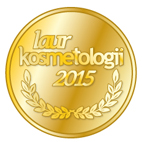
PRESTIGIOUS AWARD
GOLD COSMETOLOGY AWARD 2015
– best vascular treatment
by beauty professionals
| 01. Nazwa angielska | Anti-Redness Cleansing Milk |
|---|---|
| 02. Pojemność | 200ml |
| 03. Linia | Red Stop |
| 04. Pielęgnacja domowa | cleaning |
| 07. Wiek i płeć | age 20-30, age 30-40, age 40-50, age 50+, male |
| 08. Typ skóry | sensitive skin, skin with rosacea, vascular skin |
| 09. Problem skóry | capillaries, erythema, rosacea, sensitivity |
| 10. Efekt działania | vascular strengthening, exfoliation, hydration |
Active ingredients
burdock extract, sage extract, lemon extract, ivy extract, watercress extract, huckleberry extract, hamamelis extract, soapberry extract
DESCRIPTION:
Extract of burdock (Arctium lappa) – is a particularly useful and potent antibacterial agent against the Staphylococcus strain. The good results obtained in reducing the symptoms characteristic of acne-prone skin and some varieties of eczema, confirm its antiseptic properties. It regulates sebum secretion and also has emollient, anti-ageing and anti-inflammatory effects. Combats free radicals.
Sage extract (Salvia officinalis) – purifying with antiseptic, astringent and antioxidant properties. Has anti-inflammatory and anti-irritant properties. Regulates sebum secretion. Strengthens blood vessels – inhibits micro-bleeding from excessively dilated or damaged capillaries.
Common Lemon Extract (Citrus limonum Risso) – has excellent antioxidant and anti-inflammatory properties. It is also a very important source of vitamins, mainly vitamin C (ascorbic acid), present in the fruit. It also contains lemon oil, which is particularly effective for oily skin – it eliminates excess sebum and blackheads. It also has a brightening effect on skin discolouration.
Common ivy extract (Hedera helix) – has anti-inflammatory and anti-irritant properties due to the saponosides and flavonoids in its chemical composition. Flavonoids have a protective effect and hederins have astringent and decongestant properties. It has a mild antiseptic effect.
Saponaria extract (Saponaria officinalis) – natural saponins with vitalizing effects, have a mild cleansing, decongestant and anti-inflammatory action, which helps to combat excessive sebum secretion.
Fucus vesiculosus extract (Fucus vesiculosus) – affects the metabolism of fats in the cells by reducing their production in the sebaceous glands. It has moisturising properties and helps to combat moisture loss. The antioxidant potential of hake extract and the antioxidant action of brown algae have also been demonstrated. This action may help to treat inflammatory processes.
Watercress extract (Nasturtium officinale) – considered a purifying plant due to its astringent, cleansing action. It also has remineralising and tonic properties. Watercress also has anti-inflammatory effects and improves blood circulation in the skin.
Avocado extract (Persea Gratissima) – has anti-ageing and antioxidant effects, stimulates collagen synthesis. Helps protect the skin from UV rays and free radicals. Improves barrier function and moisturises. Particularly recommended for sensitive and irritated skin.
Directions for use
Make a cleansing massage, wash off residue with water. Avoid the eye area.
Line
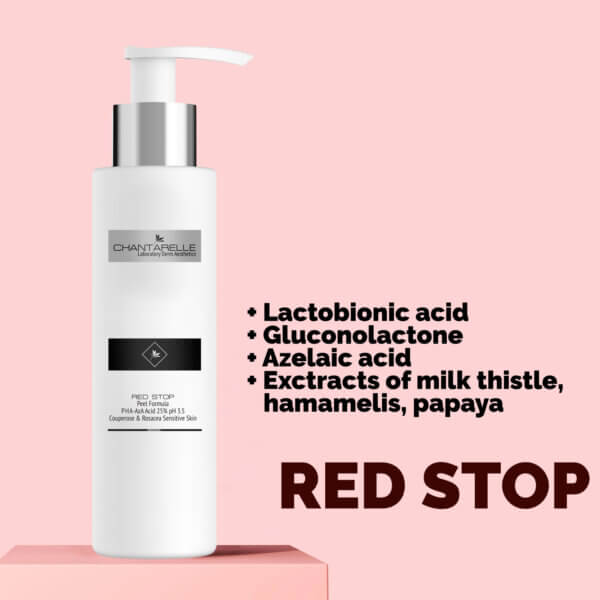
RED STOP is a year-round treatment with lactobionic acid, azelaic acid, and gluconolactone. Designed specifically for skin with dilated capillaries (Couperose) and sensitive skin with rosacea symptoms, prone to redness and irritation (Rosacea Sensitive). It reduces irritation and redness, strengthens, seals, and improves the elasticity of capillaries, reduces the symptoms of rosacea, and has anti-inflammatory and antibacterial properties. It effectively improves skin condition and its resistance to stress.
Related products
For professionals only
New
For professionals only
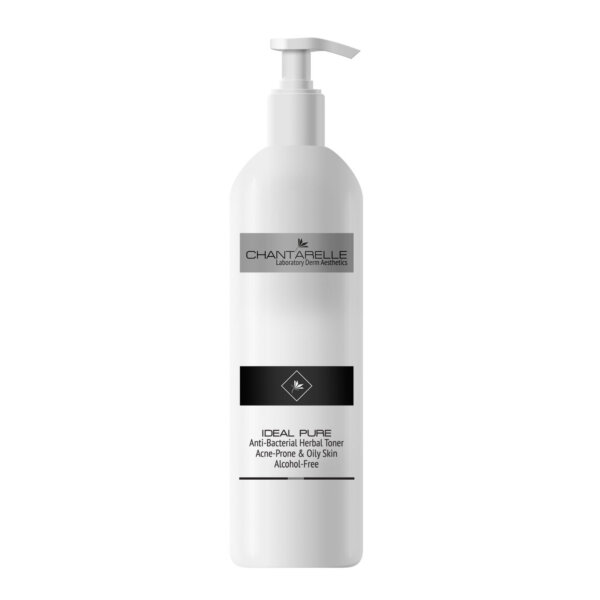
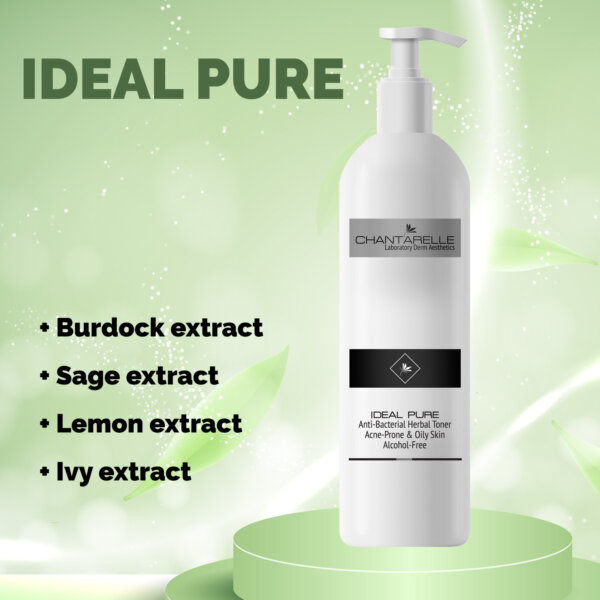
Ideal Pure
NEW
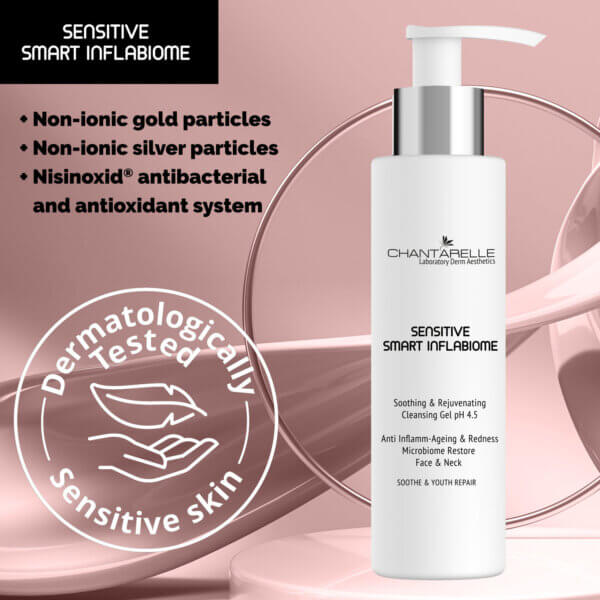
Sensitive Smart Inflabiome
Cleansing gel for sensitive skin, rejuvenating and soothing pH 4.5
27,00 £
Add to basket
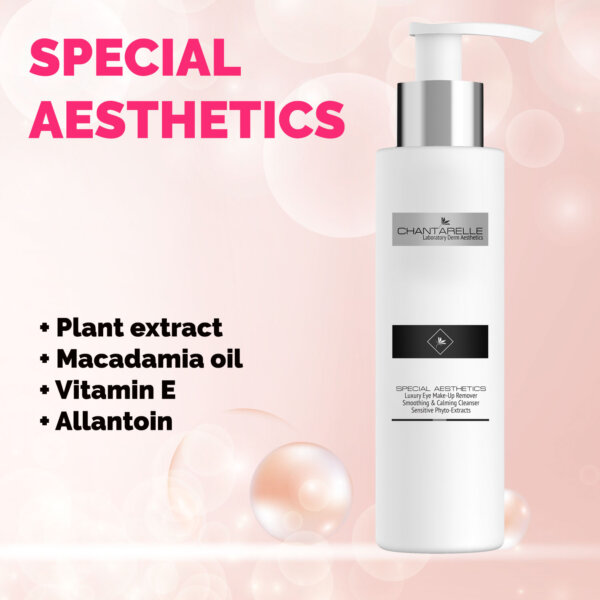
Special Aesthetics
New
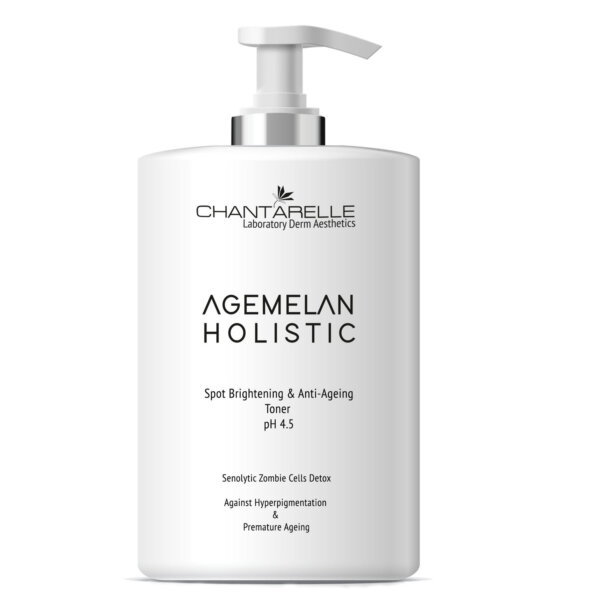
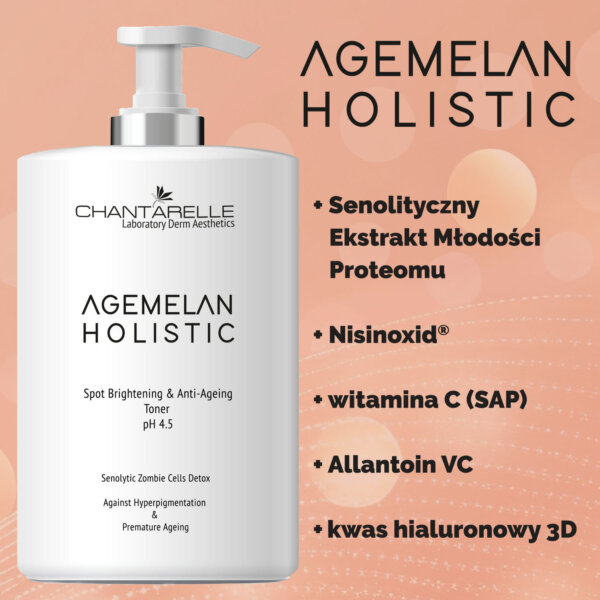
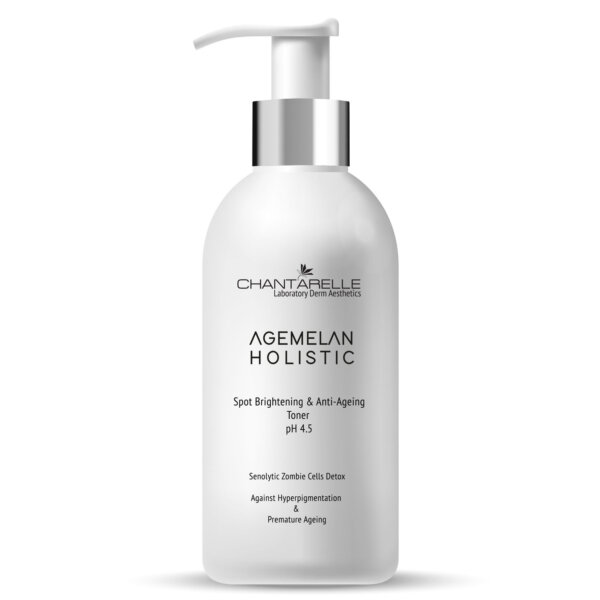
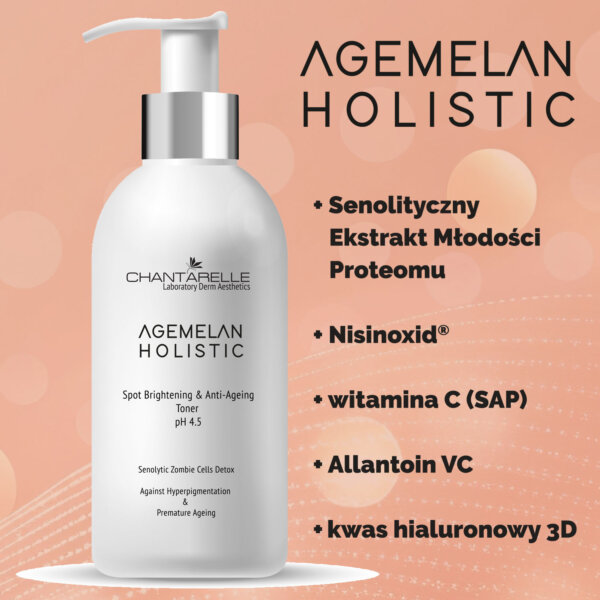
Agemelan Holistic