Try our novelties and bestsellers!»







Cosmetic treatments
Spa fashion
Apr
Few people associated the word SPA with anything in particular until a few years ago. Specialist establishments, hotels and spa treatments were scarce, and few knew the philosophy itself. Today, there are many varieties of SPA, special cosmetics, SPA treatments for the body, hair and even special massages performed according to the SPA & Wellness philosophy.
What does the word SPA mean?
The very term SPA comes from the Latin maxim Sanitas per aquam – meaning: health through water. This is because as far back as antiquity we had evidence of the life-giving effects of water. In the early Middle Ages, special baths, saunas and tubs were built all over Europe. The names of some of the saunas have remained to this day: Finnish, Turkish or Roman. Later centuries brought a regression in this respect, the baths became a thing of the past, and the culture of contemplating the body in beautiful and peaceful surroundings was replaced by the slogan “frequent washing shortens life”. Also, many ancient myths refer to water as the source of life. Even in the Old Testament hymn about the creation of the world in seven days, there is a description of the separation of the sky from the waters as one of the first stages in the formation of life on earth. Just this sequence is also confirmed by scientists suggesting that the emergence of life on earth was coupled with the appearance of great rainfall across the globe. Also, the beginning of each of us took place in water, as the foetus in the womb is surrounded by safe foetal waters. Perhaps this is why we associate water with peace and tranquillity.
History of spa treatment
Water is the source of life, a symbol of renewal and freshness. SPA philosophy refers to the fashionable trend in the 19th century, when the aristocracy travelled to resorts with curative healing waters, where, thanks to the positive properties of the waters, one could regain vitality, balance and peace of mind. Such resorts were also built in Poland. It is worth citing the example of the hotel in Szczawno, built by the enterprising Princess Daisy, Lady of the castle in Książ and Pszczyna. The hotel was so luxurious and modern that it was admired by Kaiser Wilhelm II himself. Unfortunately, the short-lived prosperity of the exclusive hotel was interrupted by the First World War. In Europe, spas such as Baden-Baden, Karlovy Vary, Davos, Arosa and the famous Bath enjoyed the greatest esteem. There is also a famous spa town with the emblematic name of Spa, which is located in the Ardennes, after which the term spa resorts and spas has come to mean spas. The types of therapeutic waters are also varied, with sulphurous waters, magnesium waters, silicic waters, brines and many others, as well as hot springs heated by the natural heat of the earth, such as in our native Cieplice Śląskie-Zdrój. Visitors to the resorts took baths, drank the healing waters and ate exquisite meals. Cosmetic procedures and weight-loss treatments slowly began to appear in spa offers, but this form of spa operation only became standard after the Second World War.
Types of spa
Today’s spas are very different from their precursors. The luxury hotels of the past rarely featured cosmetic treatments, let alone spa cosmetics. Besides, no lady in the 19th century would have imagined a situation where she had to bare herself in front of a stranger. A common feature, however, is the practice of water treatment in spa institutes, i.e. hydrotherapy (other names include hydrotherapy, aquatherapy), which involves the use of so-called Scottish whips or various baths. Originally, the word SPA meant spa, but modern spas do not always use the benefits of nature. Nowadays, they are based on specialised machines, spa cosmetics and qualified personnel. Specialisation in every field is now progressing rapidly.
Spa hotels
There are now several types of spa. Hotel SPA includes tourist activities, while offering specialised treatments using SPA cosmetics. Often the offer also includes nutritional consultations, a special diet and exercise programme.
DAY SPA
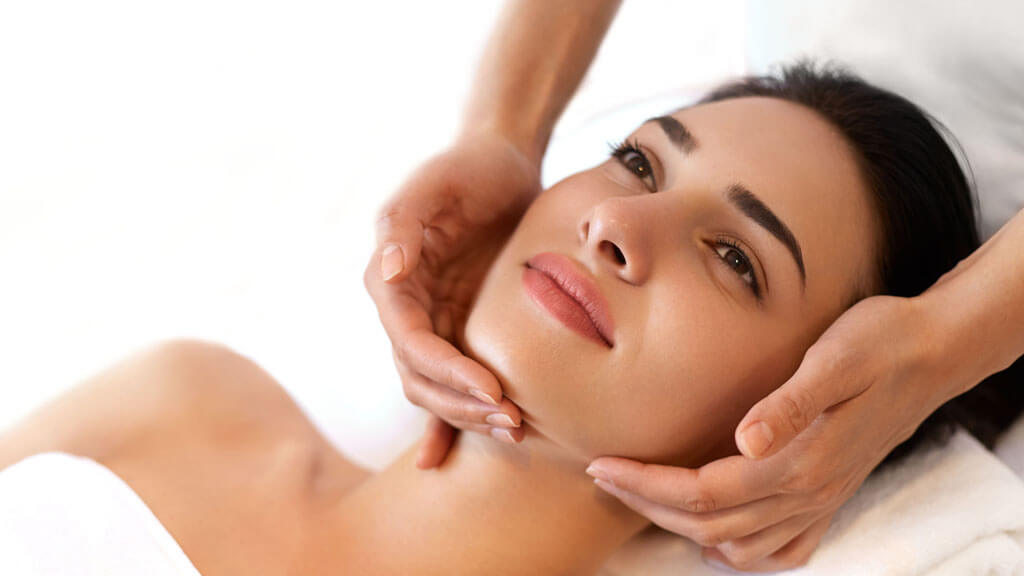
A different concept isDAY SPA, where, by definition, one spends from just a few to several hours or a weekend. During your stay, you can indulge in an entire programme dedicated to your skin, choosing several or one body and facial treatment or massage. You can also enjoy a jacuzzi, sauna or swimming pool. Some Day Spas also offer colour therapy, music therapy, salt grotto, ozonated air grotto.
MEDI SPA
In a spa you will also encounter specialised equipment, pressure capsules, massagers, slimming machines. Healing SPA otherwise called – MEDI SPA, is a combination of relaxing SPA cosmetic treatments with professional medical care. At the same time, therapeutic SPAs very often offer rehabilitation services such as physical therapy or laser therapy.
GASTRO SPA
A novelty is GASTRO SPA related to the trend of healthy eating and balanced diet. At GASTRO SPA, the focus is on healthy eating principles appropriate to the individual. The food served is light, healthy, but also tasty and, most importantly, appetising.
Ethnic spa
More and more resorts are choosing a theme for themselves in their spa treatments, in which case we have Ethnic SPA. The most popular spas at the moment are Ayurvedic, Mediterranean, Polynesian, Chinese, Japanese (zen) and, more recently, the increasingly popular French wine spa and Mexican spa.