Try our novelties and bestsellers!»



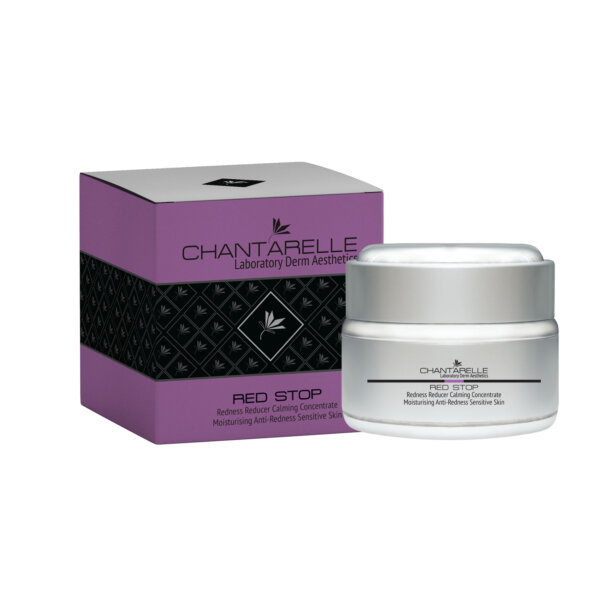 Redness-reducing concentrate for vascular, sensitive skin
 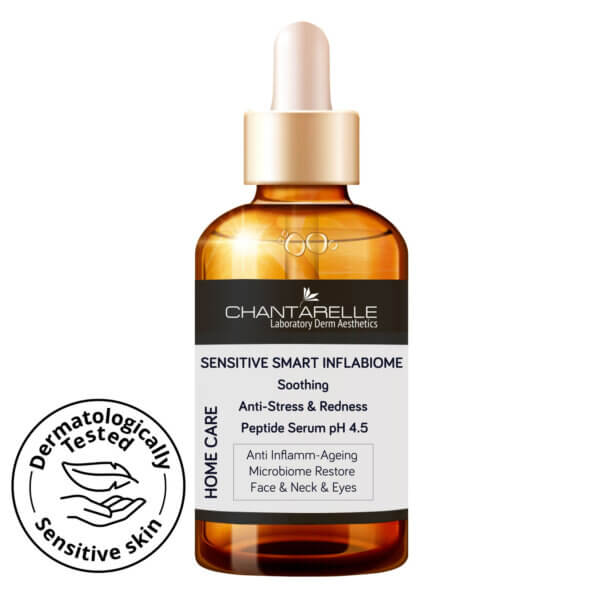 Peptide serum for sensitive skin, anti-stress and soothing pH 4.5


Cosmetic treatments, Active ingredients in cosmetics, Aesthetic cosmetology
What distinguishes Chantarelle chemical peels?
Nov
Exfoliation of the epidermis is a natural process that occurs continuously. Unfortunately, under the influence of internal or external factors, the exfoliation process is sometimes disrupted. This can lead to unfavourable changes in the skin that worsen its appearance.
How do chemical peels work
Chemical peels are the answer to such problems. They allow the layers of the skin to be remodelled by removing dead skin cells, changing the ratio of the thickness of the stratum corneum to the underlying layers of the epidermis, and activating regenerative processes. Chemical peels have a stimulating effect, reduce fine lines and wrinkles, lighten discolouration, even skin tone and tighten pores. The use of chemical peels can achieve the desired results for a range of skin problems. These include problems such as intrinsic and photo-ageing, inflammatory dermatoses, keratinisation and pigmentation disorders (O’Connor et al. 2018).
Parameters of chemical peels
The effects of chemical peels depend on the type of exfoliant, concentration and duration of skin contact. Acid potency is expressed by a magnitude of pKa, which is a characteristic of the substance in question, and in the case of substances widely used in chemical peeling treatments, takes values ranging from 0.7 for trichloroacetic acid through 3.83 for glycolic acid and over 9 for phenolic compounds. The acidity of an exfoliating preparation, expressed in terms of pH, also depends on the concentration and whether one is dealing with an unbuffered or buffered formula. The acid formula determines the content of the undissociated form of the acid (free acid) which has a greater ability to penetrate the skin than the dissociated form. An important factor is also the chemical nature of the molecule related to its lipophilicity, which also affects the ability of the substance to penetrate the skin. A number of exfoliating substances, in addition to their primary action on the stratum corneum, have other activities that can be termed metabolic. They influence such treatment effects as whitening or antibacterial action. As a result, these characteristics and parameters determine the depth of exfoliation and other activities of the preparation. The recovery time of the skin after the treatment should not be forgotten either.
Types of acids
The classic division of exfoliating substances, introduced by the pioneer of the use of acids in cosmetology, Eugene Van Scott, and distinguishing alpha hydroxy acids (AHA) as the basic group is still valid. However, modern cosmetology offers a wide spectrum of exfoliating substances. They differ not only in their potency expressed in terms of pKa, but also in other parameters, e.g. those conditioning penetration through the skin. Even acids belonging to the same group differ in their exfoliating effect and other metabolic activities. Examples include AHA acids such as glycolic, lactic or mandelic acid. The first two are well water-soluble and their small particle size facilitates their penetration into the skin. Glycolic acid peels have anti-inflammatory, antioxidant, brightening and caratolytic effects. Lactic acid, similar in structure, not only has an exfoliating effect, but also stimulates ceramide synthesis and is itself a component of the NMF and has a brightening effect. Mandelic acid is used for photo-ageing, pigmentation disorders and acne, and also has anti-wrinkle and seburegulatory effects. It has a milder effect due to its larger particle size as well as its greater lipophilicity. The list of exfoliating substances used is, of course, much longer and it is worth familiarising oneself with it, bearing in mind the various characteristics and functions of exfoliating substances. However, learning about the acids used in peels is not enough. While the use of selected acids in peeling procedures allows the initiation of regenerative processes and the use of the metabolic activity of the acid in question, the use of combinations of acids provides greater opportunities for planning penetration and additional actions.
Mixed and multi-layer peels
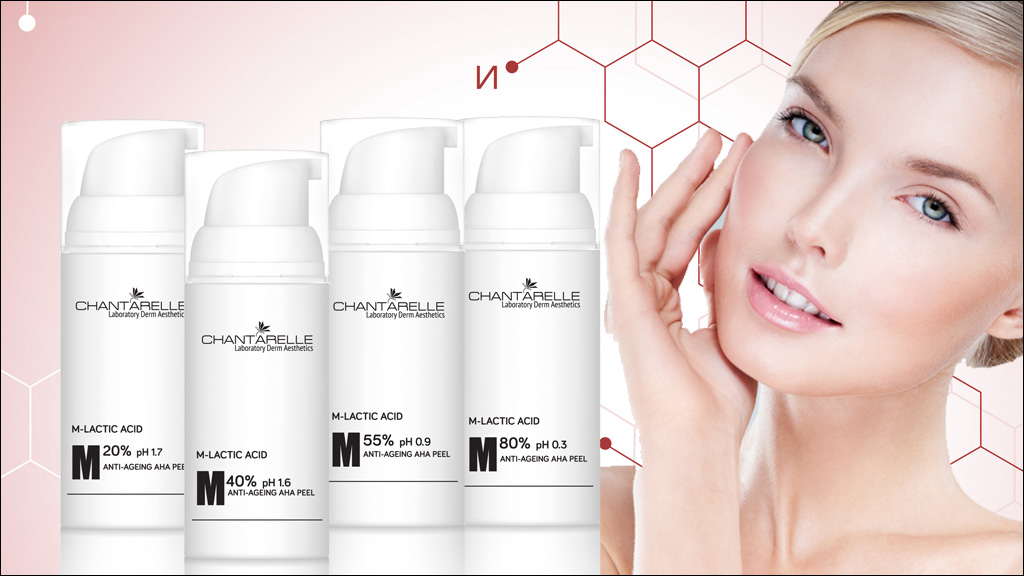
In order to achieve optimum results from an acid treatment, mixed peelings are increasingly being used. These contain a variety of acids which, in addition to their exfoliating action, can have a brightening, moisturising and anti-inflammatory and antioxidant effect (Linder, 2013). Such a solution also allows greater control over the course of the treatment. And, at the same time, take into account the characteristics of the exfoliating substances used, which includes both their mechanism of action and route of penetration. Another solution is to use multilayer applications with increasingly lower pH. In this way, it is possible to achieve the intended effect while maintaining maximum safety of the treatment. All these properties can be found in Chantarelle’s extensive range of peels. And even more interesting solutions, for example, thanks to the gel formula, the application of the exfoliating substance is precise and there is no dripping or collection in the depressions. Familiarising yourself with Chantarelle’s range of acids will allow you to choose the best compositions and the most appropriate treatments for your problem, skin type and season.
 Dr Marcin Wasylewski
Chantarelle expert, biotechnologist and university lecturer
Literature:
- Linder, J. (2013). Chemical peels and combination therapies. Plastic Surgical Nursing, 33(2), 88-91.
- O’Connor, A. A., Lowe, P. M., Shumack, S., & Lim, A. C. (2018). Chemical peels: A review of current practice. Australasian Journal of Dermatology, 59(3), 171-181.
- Stasiorowska S, Rodak I (2020). Chemoexfoliation in the cosmetology office. Aesthetic Cosmetology 2(9), 199-210
Chantarelle chemical peels
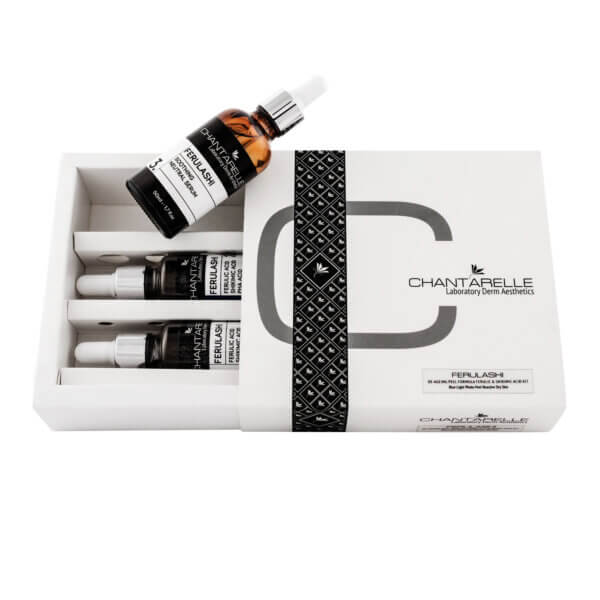
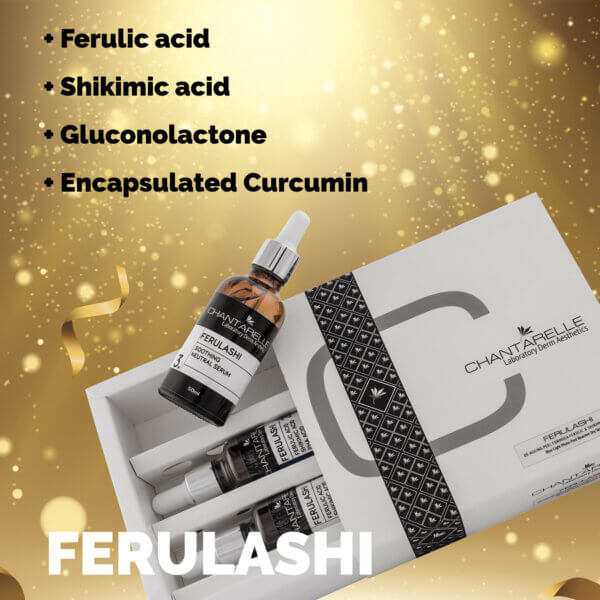
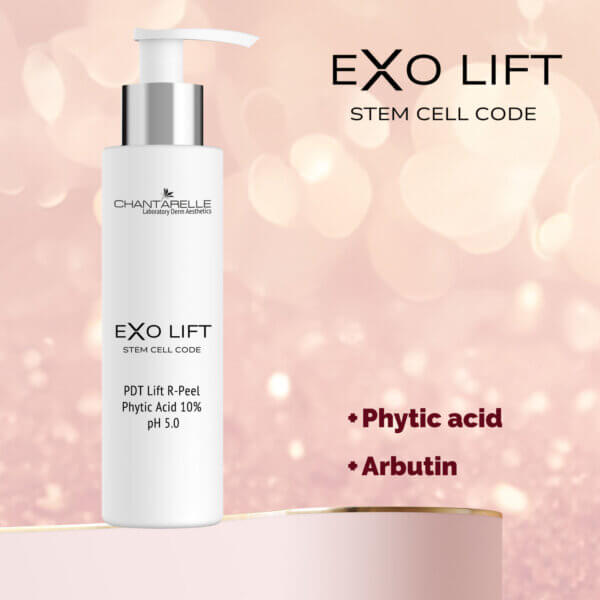
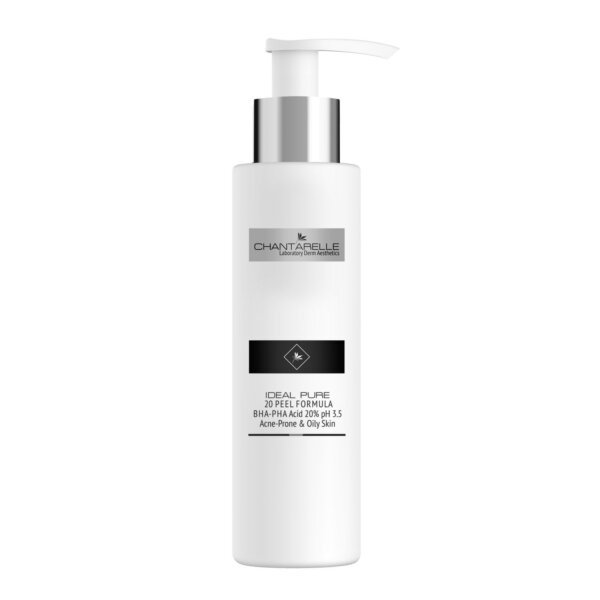
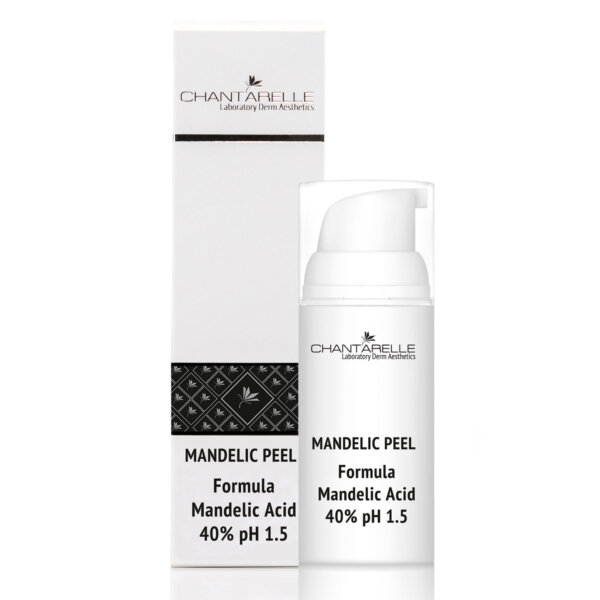
chemical and medical peels
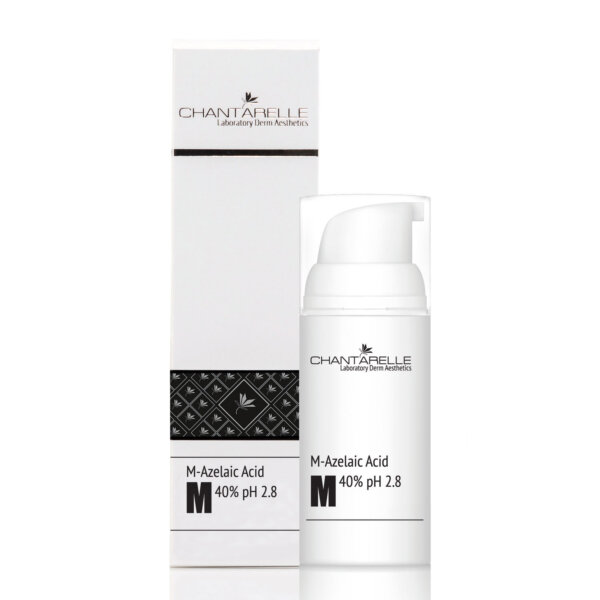
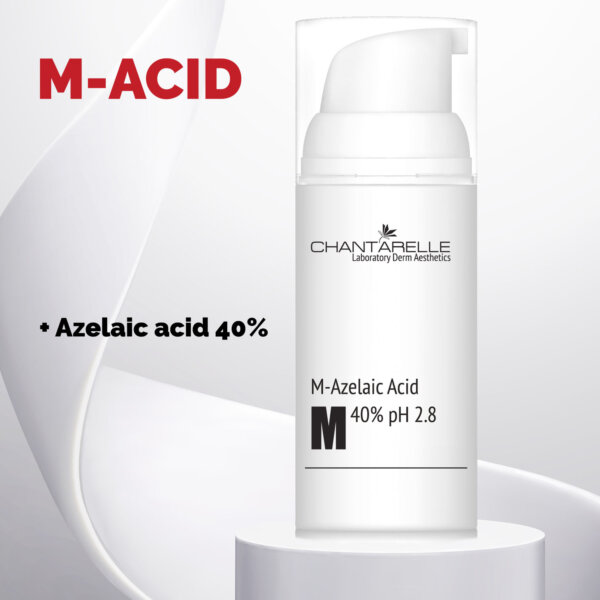
Cosmetic M-acids
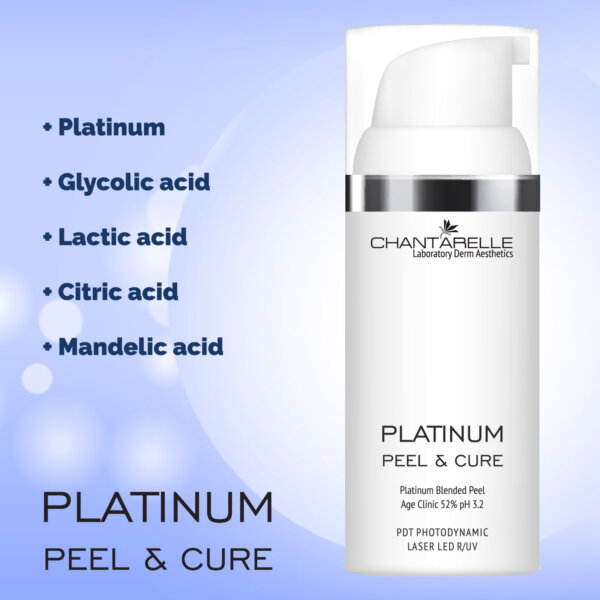
Platinum Peel&Cure
PDT Blend-Peeling Age Clinic 52% pH 3.2 for mature and dry skin