Try our novelties and bestsellers!»






Active ingredients in cosmetics
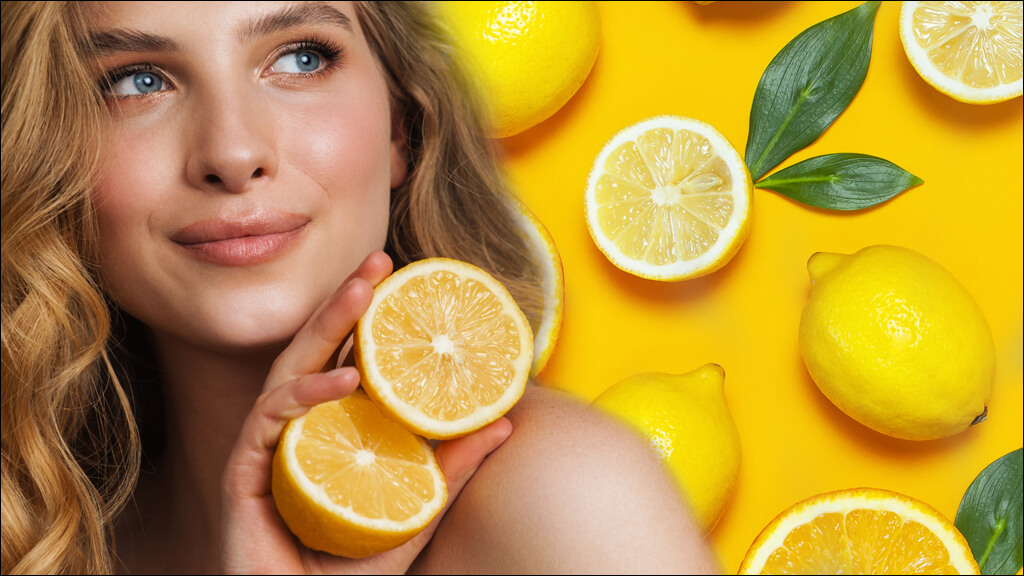
Citric acid – cleansing the skin and reducing imperfections, spots and discolouration
Oct
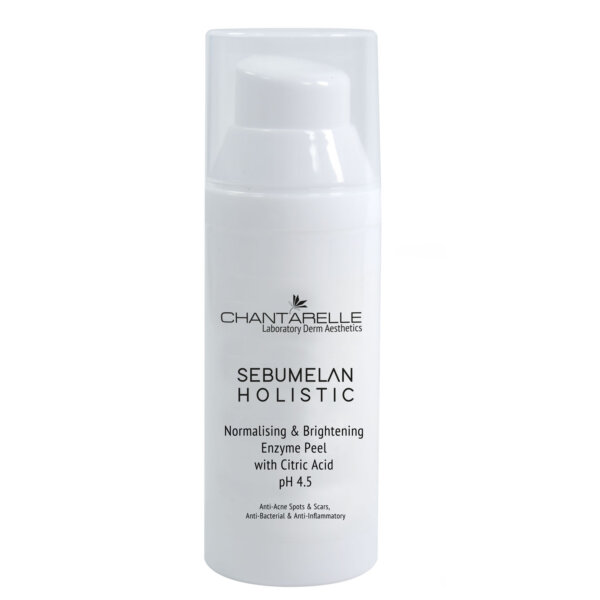
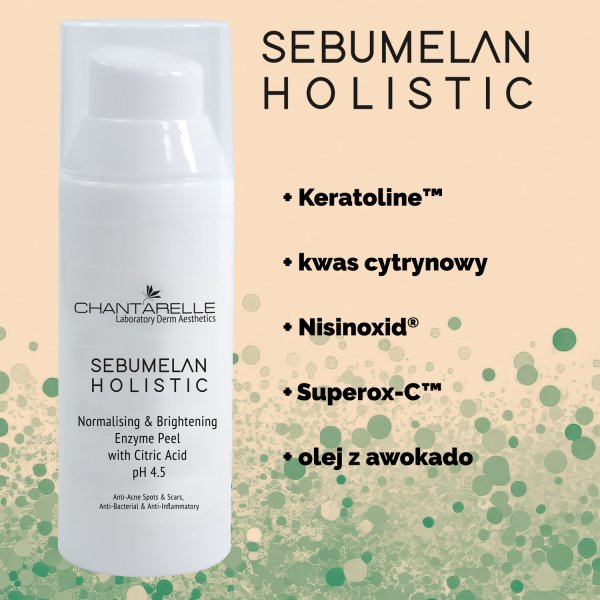
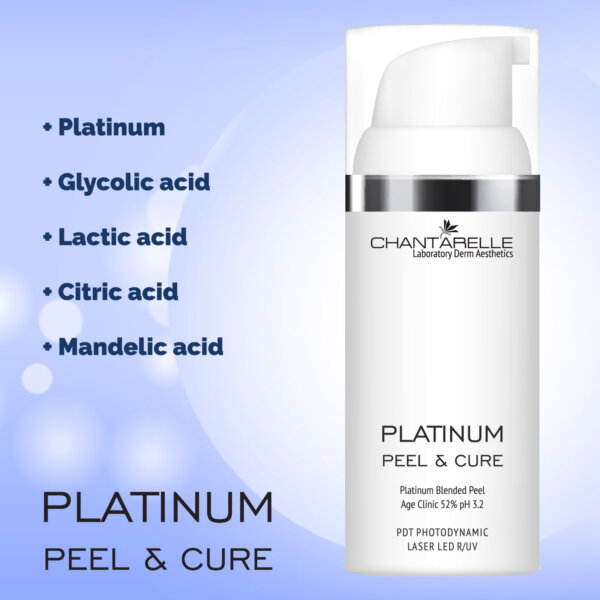
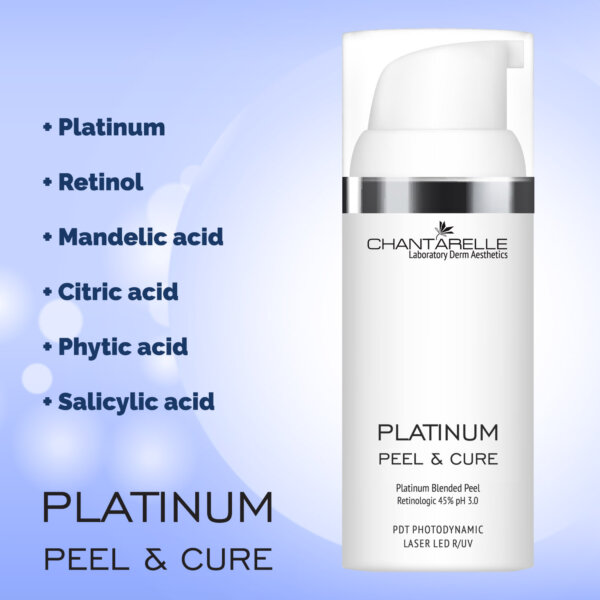
Citric acid in Chantarelle chemical peels is dedicated to impure skin in need of refreshment; skin with discoloration and spots of various origins; dry, rough and mature skin with loss of firmness and wrinkles; and combination skin with dilated pores.
Use of citric acid.
Citric acid is a fruit acid that belongs to the alpha-hydroxy acid (AHA) group. It was discovered by the Arabian alchemist Jabir Ibn Hayyan in the 8th century. Isolated from lemon juice in 1784 by Karl Wilhelm Scheele. It is mainly found in citrus fruits (8 % by dry weight), but is also found in kiwi, strawberries, black and red currants, blueberries, raspberries, blueberries or vegetables such as sugar beets and tomatoes, among others. Citric acid is also a vital substance – it is involved in one of the most important metabolic cycles in animals, plants and bacteria alike – the so-called Krebs cycle also known as the citric acid cycle.
Citric acid treatments
Citric acid has three carboxyl groups and one hydroxyl group – it can be considered both an alpha- and beta-hydroxy acid. It has moderately high potency and is a safe substance in cosmetic preparations. Citric acid is used like an acidity regulator, but its main property is its exfoliating action. Chemical peels with citric acid aim to improve skin parameters, regenerate and rejuvenate the skin. Exfoliative treatments with citric acid have been proven to lead to an increase in epidermal thickness. The structure of the basal layer of the epidermis was improved by improving the organisation of tonofilaments (Ditre et al. 1996). The authors suggest that the positive changes in the epidermis are due to an increase in the synthesis of collagen, elastin and glycosaminiglycans, including both hyaluronic acid and chondroitin sulphate (Bernstein et al 1997). It is known that even small changes in the level of glycosaminoglycans result in significant changes in the hydration level of the skin which translates into skin thickness and mechanical parameters. Another equally important property of citric acid is its whitening effect. This is due to the ability of this acid to inhibit the synthesis of skin pigments. This mechanism of action is related to its interaction with one of the key enzymes in melanogenesis, tyrosinase (Gunia-Krzyżak et al. 2016). The aforementioned characteristics place citric acid in the ranks of extremely valuable active ingredients with applications in skin rejuvenation. Treatments stimulate the production of protocollagen (the basic structure of collagen), as well as the growth of the dermis and living layers of the epidermis. Citric acid improves firmness by stimulating an increase in the skin’s GAG (glycosaminoglycan) content: chondroitin sulphate and hyaluronic acid. Citric acid has a beneficial effect on the collagen of blood vessels (they become less fragile and more elastic). The effects of peels with Citric acid include: normalisation of keratinocyte proliferation (proliferation), deep cleansing of the skin, smoothing of wrinkles and fine lines, reduction of hyperpigmentation and brightening of the skin, as well as skin regeneration and reconstruction. Citric acid has been used in many of Chantarelle‘s M-Acids line of exfoliating preparations.
 Dr Marcin Wasylewski CHANTARELLE brand expert
Literature:
– Bernstein EF, Underbill CB, Lakkakorpi J, Ditre CM, Uitto J, Yu RJ, SCOTT E. Citric acid increases viable epidermal thickness and glycosaminoglycan content of sundamaged skin. Dermatologic surgery. 1997 Aug 1;23(8):689-94. – Ditre CM, Griffin TD, Murphy GF, Sueki H, Telegan B, Johnson WC, Ruey JY, Van Scott EJ. Effects of α-hydroxy acids on photoaged skin: an Apilot clinical, histologic, and ultrastructural study. Journal of the American Academy of Dermatology. 1996 Feb 1;34(2):187-95. – Gunia-Krzyżak A, Popiol J, Marona H. Melanogenesis Inhibitors: Strategies for Searching for and Evaluation of Active Compounds. Current medicinal chemistry. 2016 Sep 1;23(31):3548-74. – Van Scott EJ, Ditre CM, Ruey JY. Alpha-hydroxyacids in the treatment of signs of photoaging. Clinics in dermatology. 1996 Mar 1;14(2):217-26.
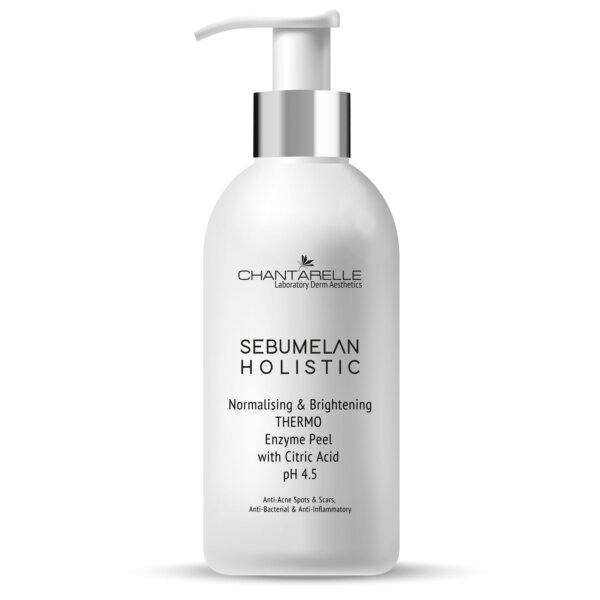
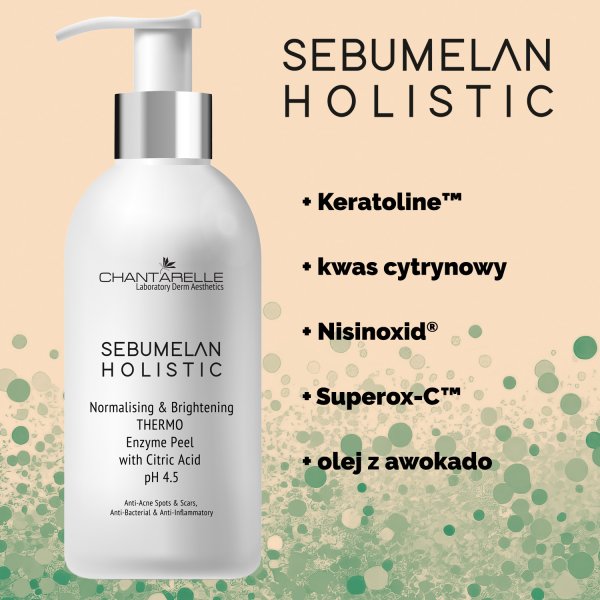
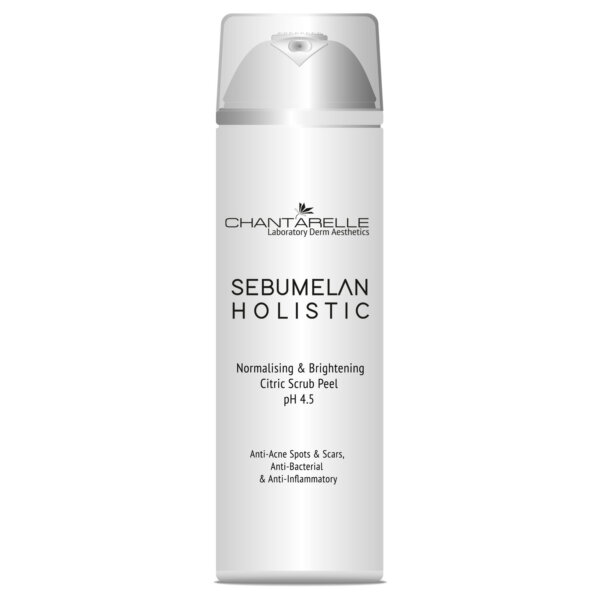
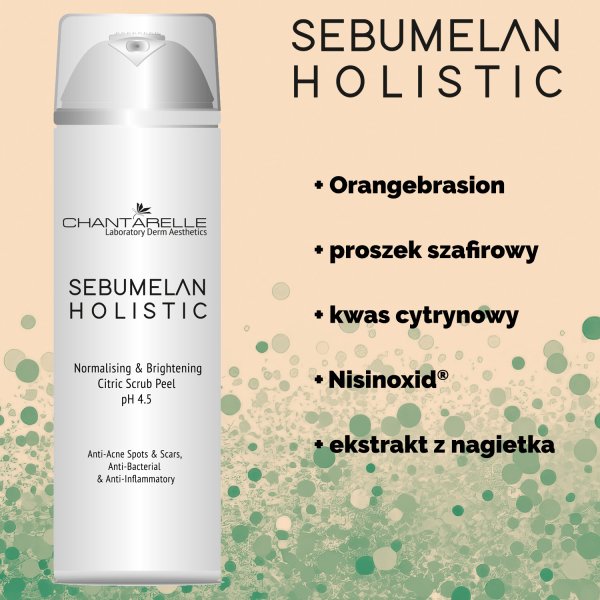
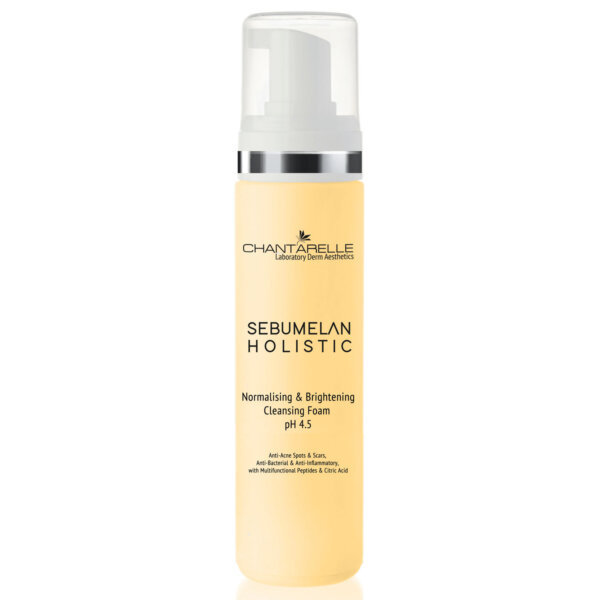
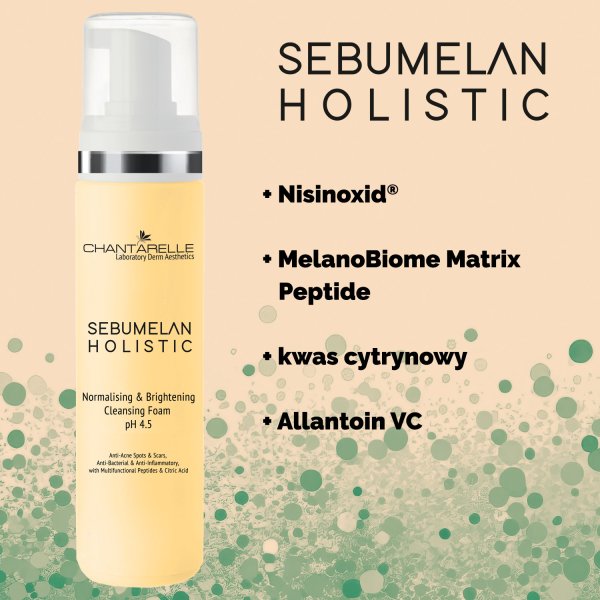
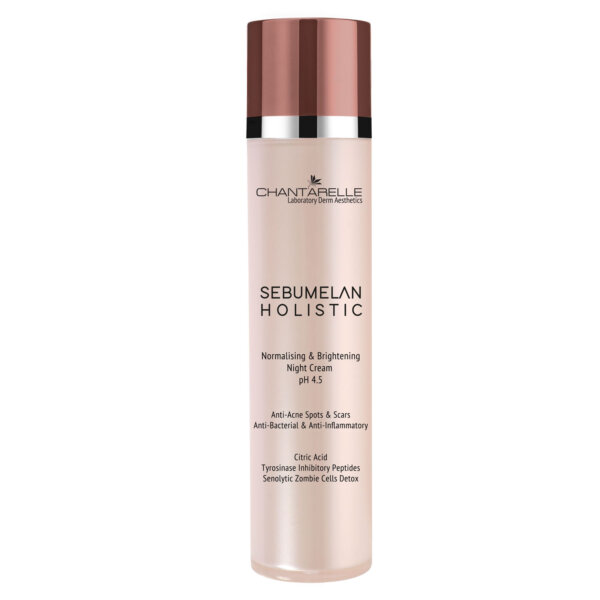
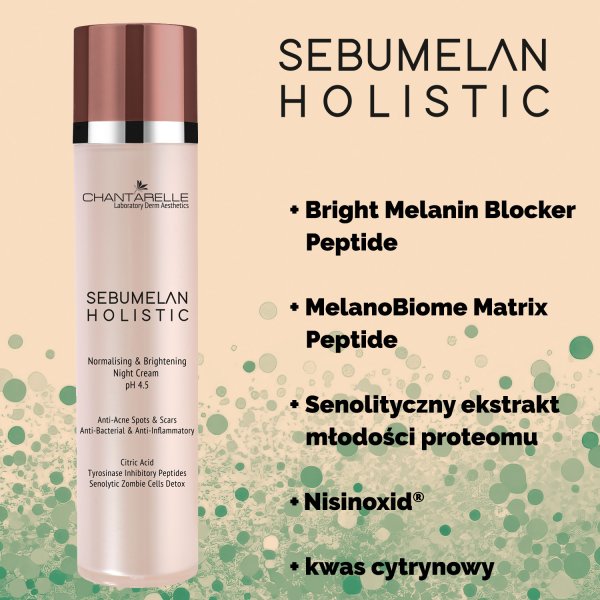
Citric acid in Chantarelle cosmetics