Try our novelties and bestsellers!»




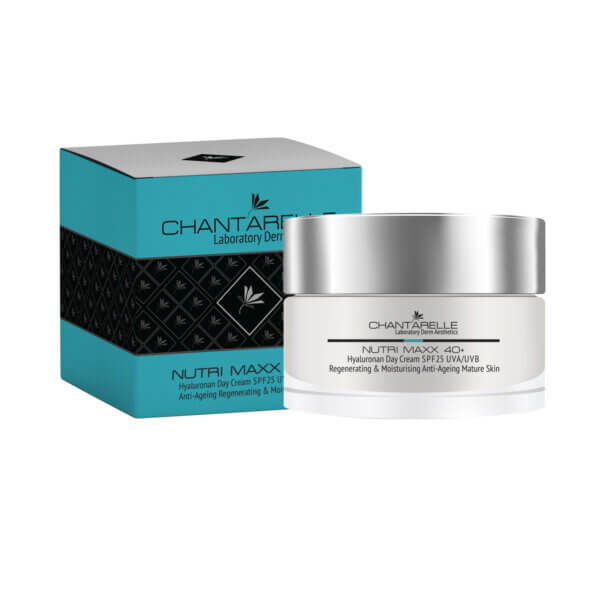 Moisturising day cream with hyaluronic acid and peptides SPF25 UVA/UVB
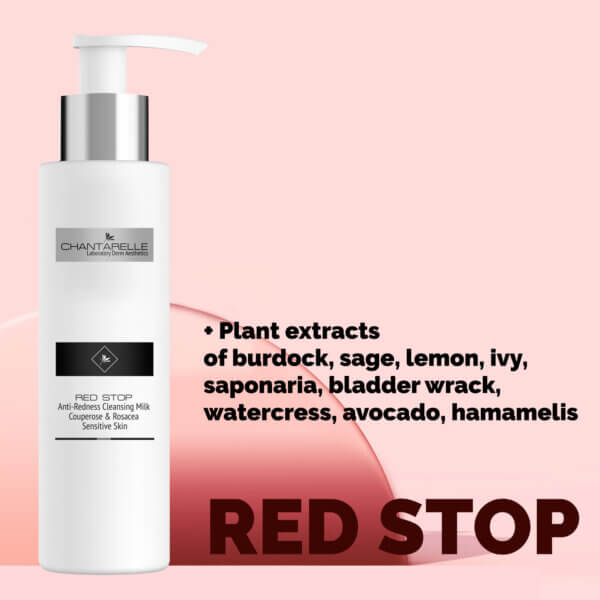
 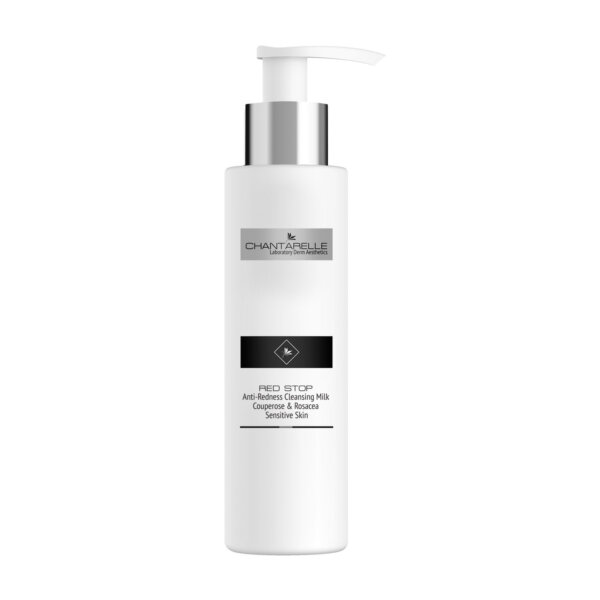 Milk for capillary and sensitive skin - soothing, capillary strengthening, cleansing


Dermatology
Acne rosacea – symptoms and causes
Jan
The symptoms of rosacea have been well studied and documented in the medical literature. Acne rosacea is a benign skin condition, but one that is very bothersome and visible to those around it. It often results in discomfort and complexes for the affected person.
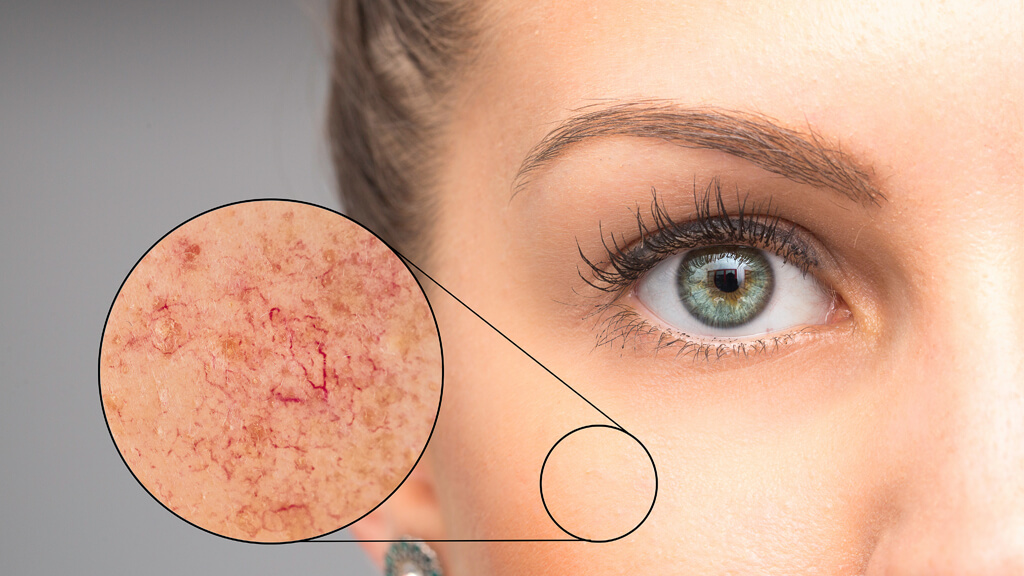
Acne rosacea is characterised by erythema, papules, pustules and often facial swelling. Cracked capillaries or telangiectasias and hypertrophy of the sebaceous glands without seborrhoea are also characteristic. Clusters of broken capillaries are visible on the face, and the person affected by rosacea suffers from paroxysmal redness of the face. The erythema usually occurs due to emotions, changes in ambient temperature, hormonal changes, as well as spicy food or alcohol.Sometimes it helps to cool the lips with an ice cube or cold drink to shrink the vessels.
The first stage of rosacea is erythema especially in women over 40. It is also increasingly common in younger and younger women, even in their 20s. Acne rosacea also affects men. Then the symptoms are similar with the more common papular and pustular forms. The erythema appears in the central part of the face – in the forehead, nose and chin area. Then the disease spreads and also affects the cheeks, pimples and papules appear. The broken capillaries become more visible as a result of the thickening of the vessel walls due to frequent dilatation. In extreme cases, there is a nodular phase, when the vessels form large clusters – also on the nose (rhinophyma). Conjunctivitis and hypersensitivity to light may also occur.
Rosaceous acne – main symptoms
- rainage
- broken capillaries
- pimples
- rubs
- inflammatory redness
- dynamic reaction of the vessels on the skin to external factors
- sensitivity of the skin
- sensitivity of the skin to stimuli
How does rosacea (photos) look like?

At present, the causes are still unknown. Researchers are looking for causes in genetic factors, the prevailing theory is that there are many factors in the formation of the disease, including autoimmune causes. Bacterial and mite (demodex folliculorum) infections are also cited as possible factors. Among associated factors, researchers point to poor diet and digestive problems, stressful lifestyles, food allergies, overheating of the body (sauna and UV radiation) and a link to HPV infection. Research into the causes of rosacea is ongoing.
Cosmetics for skin with rosacea symptoms