Try our novelties and bestsellers!»




 Eye cream, against wrinkles, dark circles and puffiness, antioxidant


Cosmetic treatments, Dermatology
Acne vulgaris – symptoms and dermokuracje
Jul
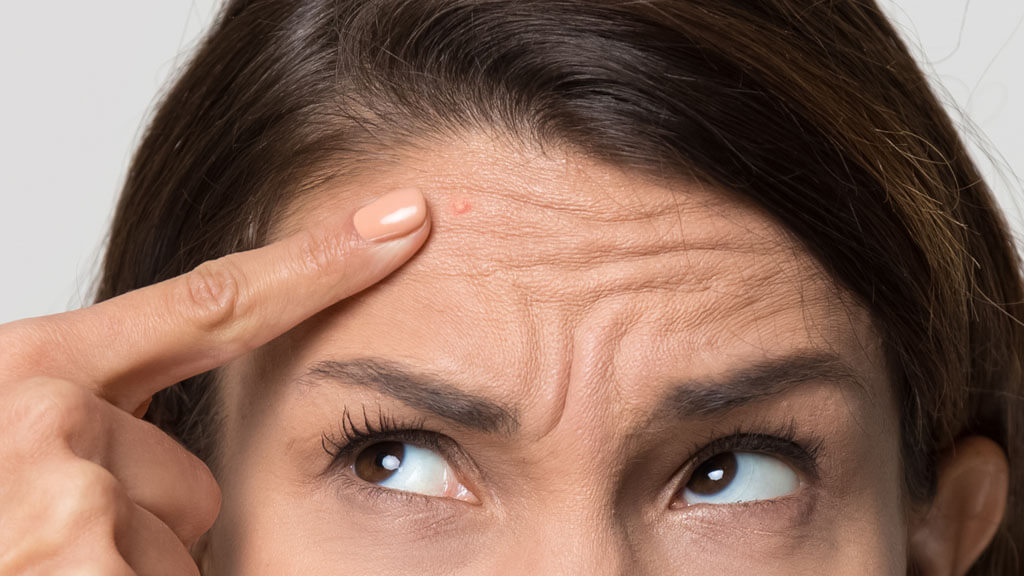
Acne vulgaris (Acne vulgaris) is the most common disorder of adolescence. Studies show that more than 80% of the population aged between 11 and 30 years is affected. The disease is characterised by a chronic course and can therefore often lead to depression. Acne vulgaris lesions mainly affect the seborrhoeic areas (face, chest, back) and include blackheads, papules, pustules and purulent cysts.
Genesis of acne vulgaris
- Increased sebum (sebum)
- Sebum composition (linoleic acid deficiency)
- Excessive keratinisation of the ducts leading out and the sebaceous gland orifices
- Microbial proliferation (Propionibactreium acnes,Pityrosporum ovale, Staphylococcus epidermidis)On a hormonal basis
- Inflammatory process
- Iatrogenic background
- Action of certain cosmetics
The primary lesion in acne are microcorneae (microcomedones). The cause of their formation is excessive sebum secretion and intralymphatic keratinisation. This process leads to a narrowing of the ducts, making it difficult for the contents of the sebaceous gland to reach the skin surface. Under the influence of residual sebum, the ducts dilate and closed comedones (whiteheads) are formed. In the next stage, open comedones (black heads) are formed. This process is associated with further dilatation of the ducts and oxidation of the fats contained in the sebum. The formation of inflammation is due to microorganisms, or rather hydrolytic enzymes (lipases, proteases, hyaluronidases), which they secrete. These enzymes have a destructive effect on the walls of the sebaceous glands. The result is the escape of horny masses into the surrounding tissues, which causes inflammation and the formation of papules and pustules. If the inflammation persists longer, nodules are formed. Abscesses form from the clustered papules, pustules and nodules.
Some cosmetic ingredients can also cause acne or aggravate acne lesions. Such ingredients include isopropyl myristate, cocoa butter, vegetable oils, industrial-quality mineral oil, industrial-quality petroleum jelly. Industrial-quality substances may be contaminated with tars, which are directly responsible for acne formation. Today, however, cosmetics are made from cosmetic-quality raw materials. Acne, depending on the condition, is treated topically and generally.
Dermocations for acne vulgaris
The following substances are used in topical treatment:
- Retinoids applied topically have anti-inflammatory, anti-seborrhoeic, keratolytic, comedolytic effects and stimulate angiogenesis (Atrederm, Airol, Retin-A)
- Antibiotics (Erythromycin, Clindamycin, Tetracycline)
- Azelaic acid with anti-inflammatory, antibacterial and comedolytic effects (Skinoren, Hascoderm, Acne Derm)
- Salicylic acid, which has comedolytic and anti-seborrhoea effects (Sebasorb lotio)
- Benzoyl peroxide with keratolytic, comedolytic, anti-inflammatory and antimicrobial effects (Benzacne, Oxy)
Research shows that the best acne treatment results are obtained by alternating drugs with different mechanisms of action. Generic treatment is used in moderate to severe forms of acne.
Very nice therapeutic effects are obtained with the use ofisotretinoin or 13-cis vitamin A acid (Roaccutane, Isotretinoin Isis). This drug is characterised by its anti-inflammatory, antibacterial, anti-seborrhoeic and keratolytic effects. Side effects are noted during therapy, such as inflammation of the red lips, dryness of the mucous membranes of the nose, throat and mouth. The sun should also be avoided. Isotretinoin has a proven teratogenic effect.
Another group of medications used in the treatment of acne are antibiotics. Among the drugs and the throw-away drugs all the time are tetracyclines. These antibiotics have a very broad spectrum of antimicrobial activity and anti-inflammatory effects.
In the treatment of acne, it is very important to includevitamin preparations (vitamin PP, B vitamins, vitamin C, vitamin A). It is also worth taking zinc. It is a trace element that plays many functions in the body. It also inhibits the secretion of bacterial enzymes. An important role is also played by psychotherapy. Due to the fact that acne affects mainly young people, the lesions are located on exposed parts of the body and the course of the disease is chronic, it is not only a medical or cosmetic problem but also a psychological one.
Chantarelle cosmetics for acne
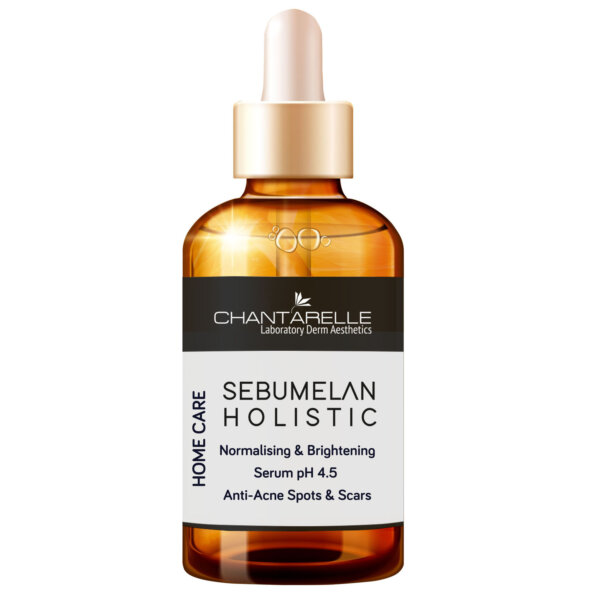
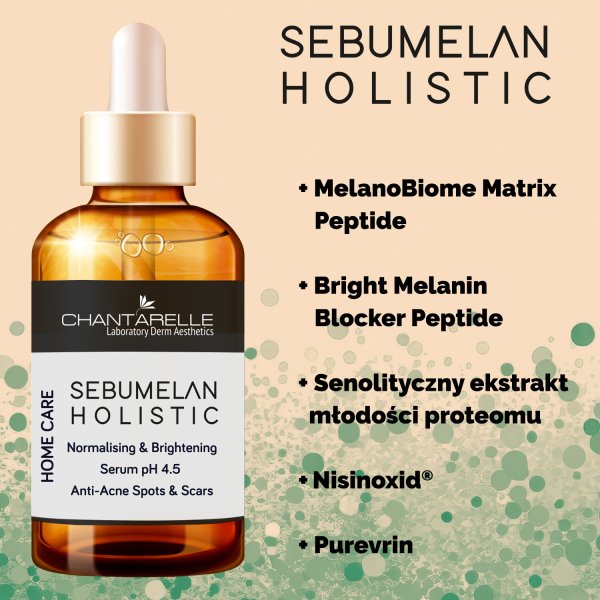
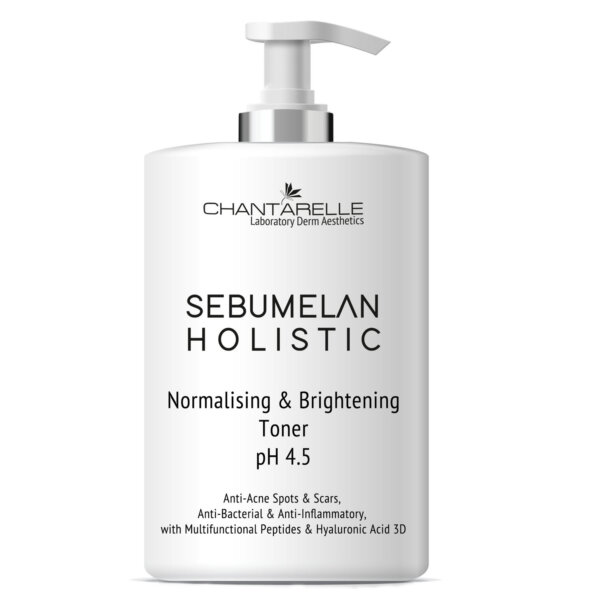
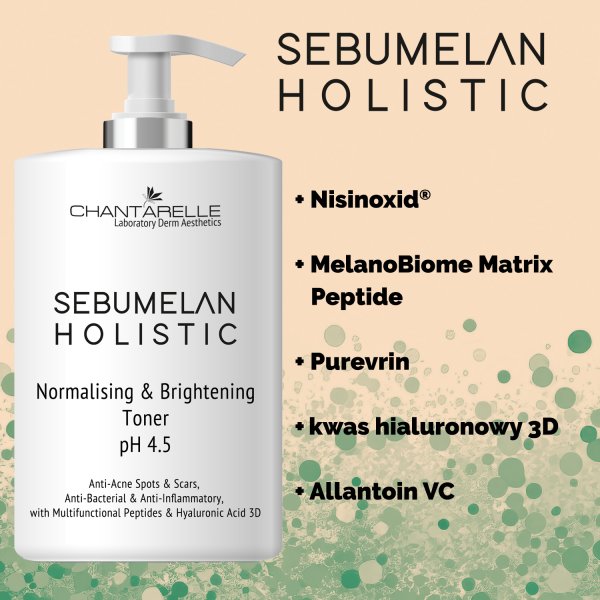
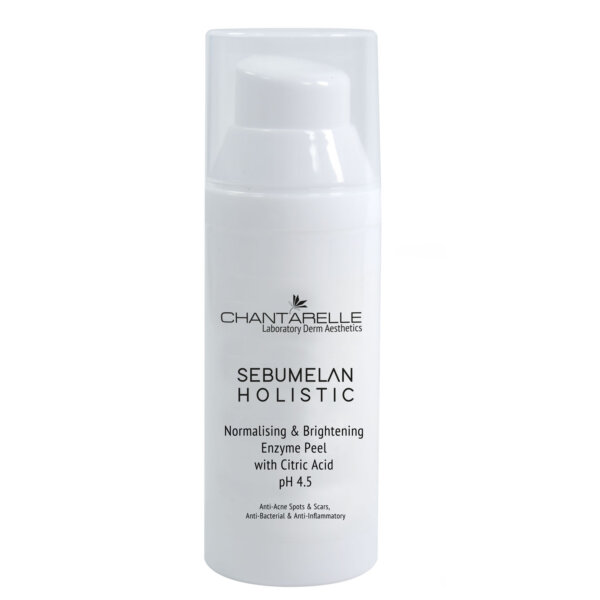
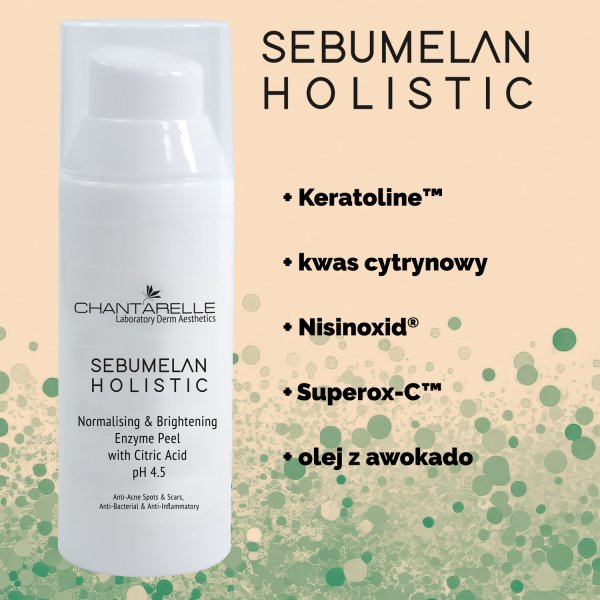
Sebumelan Holistic
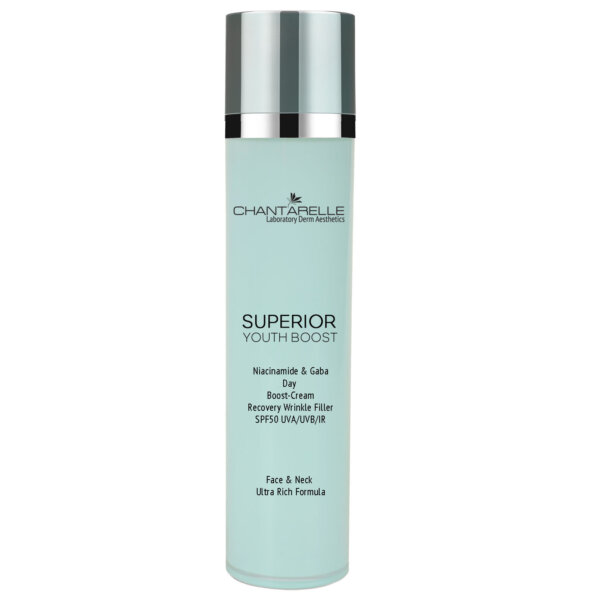
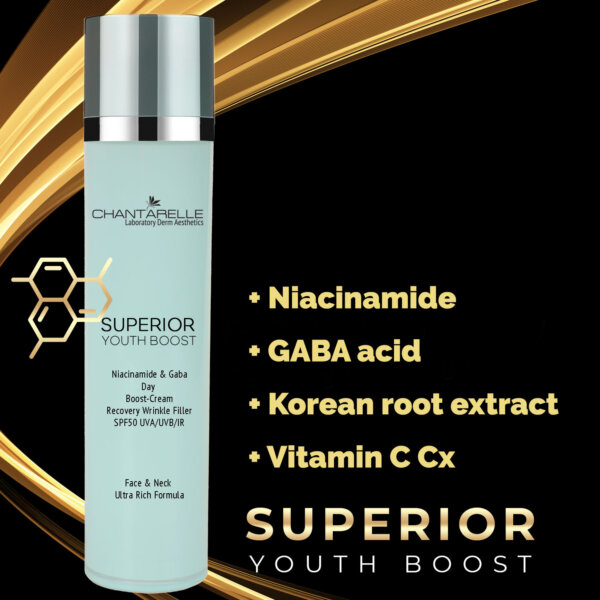
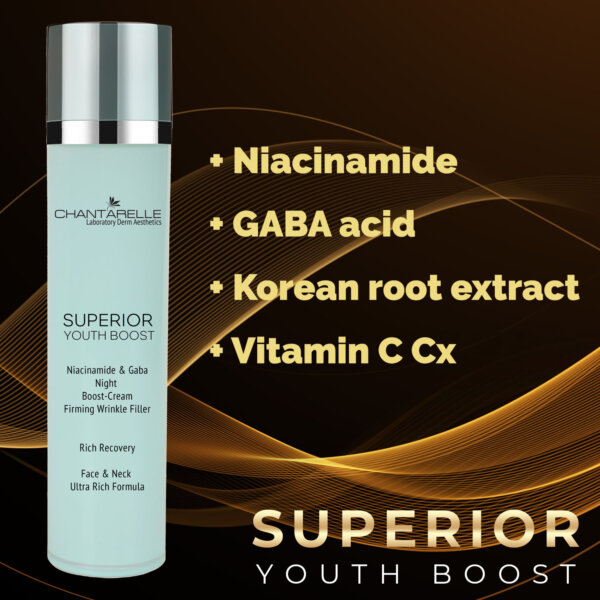
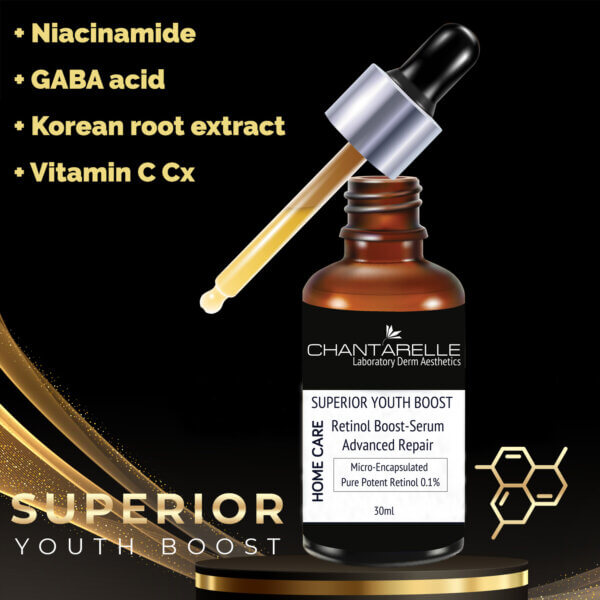
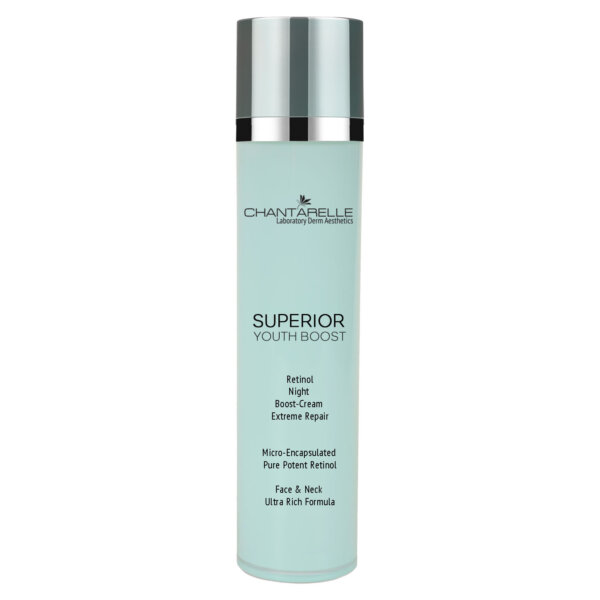
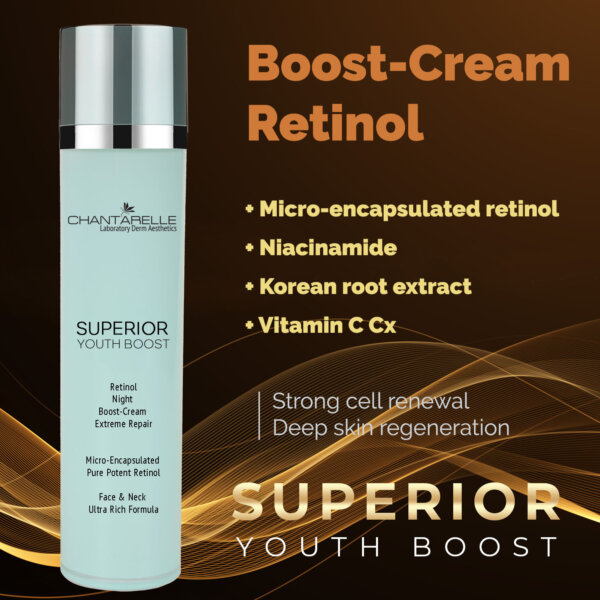
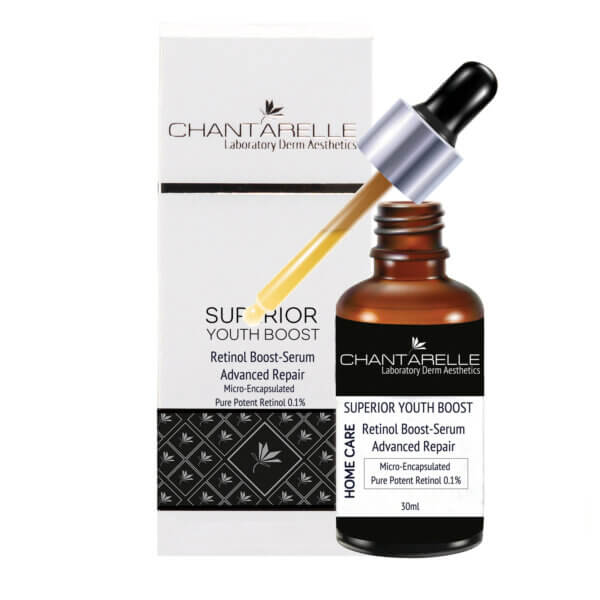
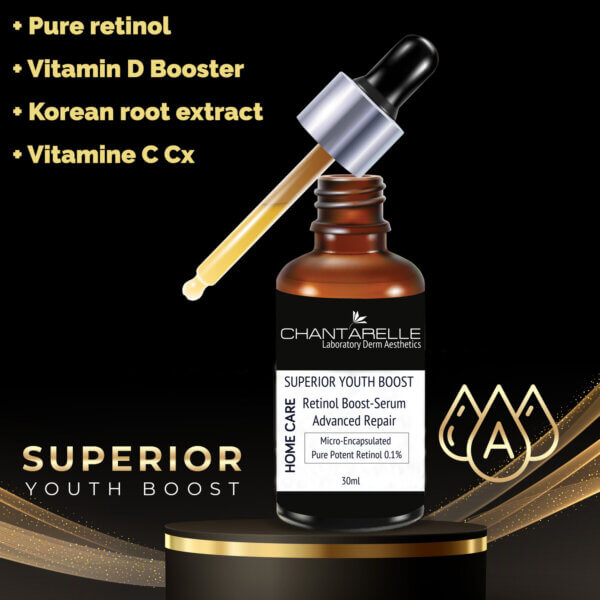
Superior Youth Boost
Boost Day Cream SPF50 UVA/UVB/IR/HEV with niacinamide and GABA acid