Try our novelties and bestsellers!»




-
×
 Antibacterial lotion with salicylic acid and gluconolactone
1 × 36,00 £
Antibacterial lotion with salicylic acid and gluconolactone
1 × 36,00 £ -
×
 Hydrolipid toning foam for face and neck - absolute hydration
1 × 36,00 £
Hydrolipid toning foam for face and neck - absolute hydration
1 × 36,00 £ -
×
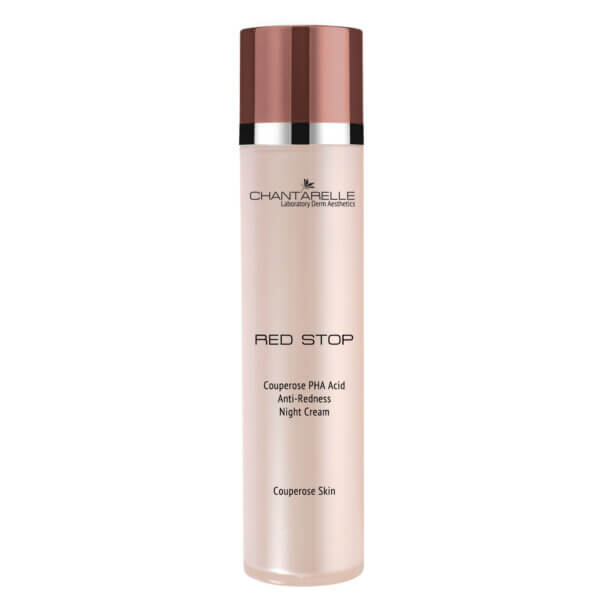 Lactobionic acid night cream for vascular skin
2 × 42,00 £
Lactobionic acid night cream for vascular skin
2 × 42,00 £ -
×
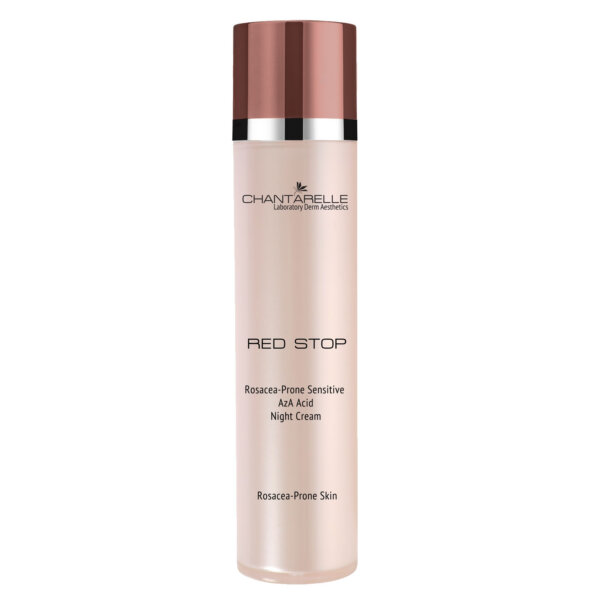 Azelaic acid night cream for skin with symptoms of rosacea
1 × 42,00 £
Azelaic acid night cream for skin with symptoms of rosacea
1 × 42,00 £ -
×
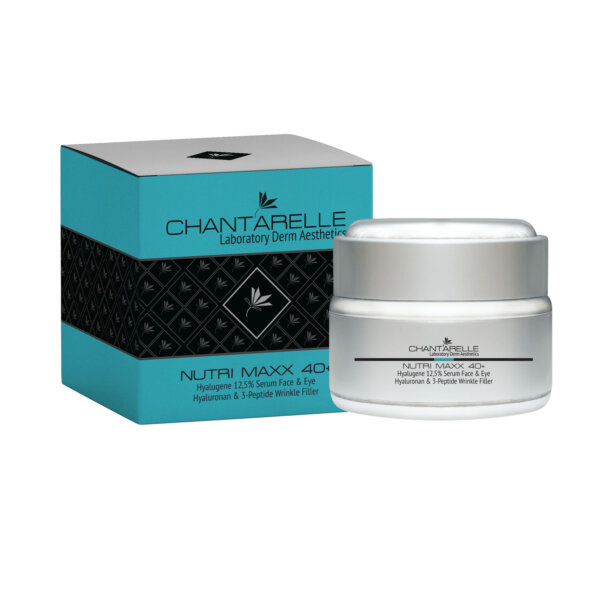 Hydrating and rejuvenating HYALUGENE 12.5% serum
1 × 53,00 £
Hydrating and rejuvenating HYALUGENE 12.5% serum
1 × 53,00 £ -
×
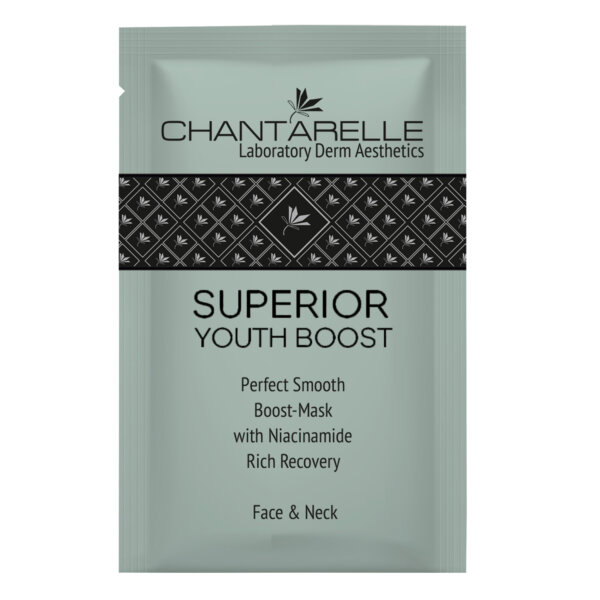 Boost-Mask with niacinamide Perfect Smooth
1 × 3,90 £
Boost-Mask with niacinamide Perfect Smooth
1 × 3,90 £ -
×
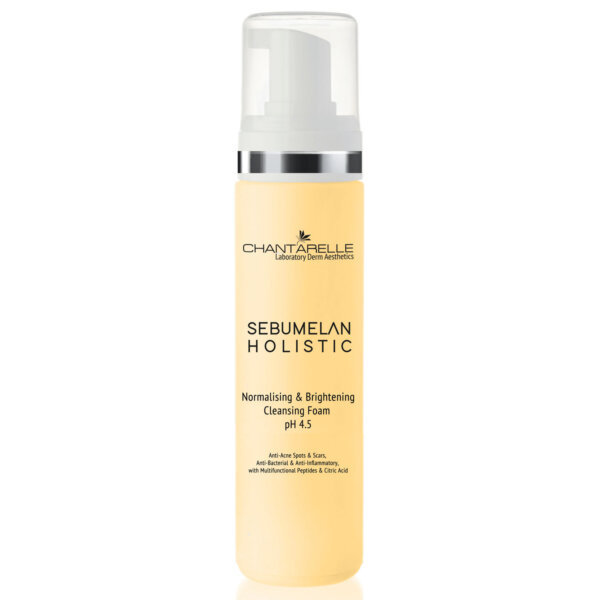 Cleansing foam pH 4.5 for acne blemishes and scars
1 × 37,00 £
Cleansing foam pH 4.5 for acne blemishes and scars
1 × 37,00 £ -
×
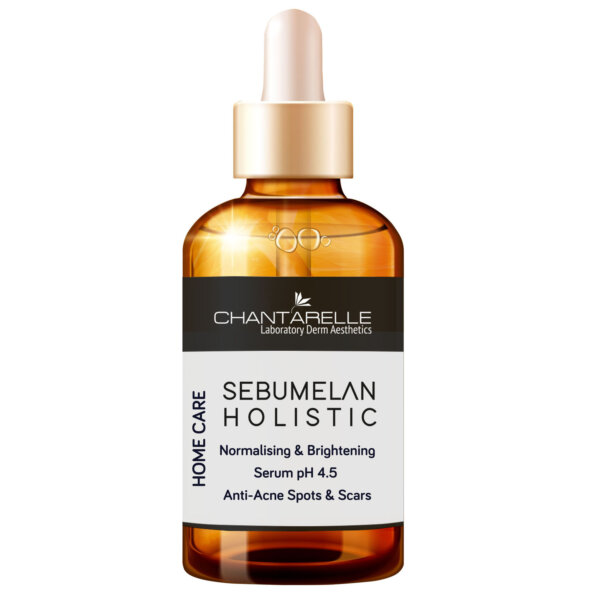 Serum pH 4.5 for acne blemishes and scars
1 × 55,00 £
Serum pH 4.5 for acne blemishes and scars
1 × 55,00 £



Cosmetic treatments, Aesthetic cosmetology, Dermatology, Tips
Best treatments for facial hyperpigmentation
08
Jan
Jan
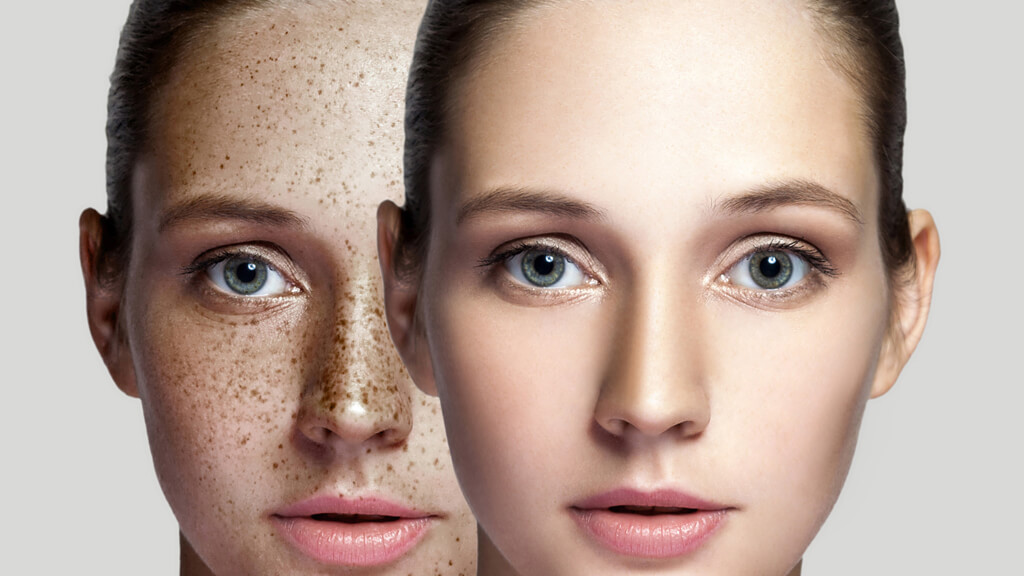
The best treatments for facial hyperpigmentation significantly improve the look and feel of the skin. Skin discolouration is a serious aesthetic defect and a challenge for cosmetologists and dermatologists. The main reason for their formation is excessive sun exposure. Nearly 90% of Poles are affected, and pigmented lesions of various origins can develop at any age. The number of people suffering from hyperpigmentation has increased in recent decades as a result of the emergence of alternative tanning methods, such as solariums or tanning accelerators and self-tanners.
How is hyperpigmentation produced?
Melanin is the pigment that gives the characteristic colour of everyone’s skin, hair and eyes. When exposed to UV radiation, its amount in the skin temporarily increases, producing a tanning effect. Disturbances in the synthesis or localisation of melanin result in the formation of hyperpigmentation. Depending on the depth of occurrence, a distinction is made between epidermal, intradermal and mixed hyperpigmentation.
- The shallower epidermal hyperpigmentations have an intense brown colour. They are formed by the accumulation of an increased number of melanocytes, or melanin-producing cells, in the epidermis.
- It is the result of the accumulation of an increased number of melanocytes in the epidermis.
- Deeper pigmentations occur in the dermis in the papillary layer. Their colour is less pronounced than epidermal hyperpigmentation.
- There are some cases of hyperpigmentation in the dermis.
- In some cases, intradermal hyperpigmentation takes on a grey colour.
There is also the possibility of mixed localization. In this case, increased pigmentation occurs simultaneously in the epidermis and the dermis.
Cause of hyperpigmentation
There are many causes of hyperpigmentation. The most common is too long and/or too frequent exposure to the sun. Another cause is endocrine disruption, which can occur during pregnancy, menopause and as a result of contraception or hormonal medication.
Hyperpigmentation can also occur as a result of hyperthyroidism, inflammation of the appendages, liver disease, menstrual disorders and as a result of photosensitising substances. The formation of hyperpigmentation is often genetically determined. For this reason, when observing pigmented changes in the parents, it is extremely important to prevent them and to act quickly at the first such changes in the child. When diagnosing hyperpigmentation, it is important to use advanced methods to determine the type of hyperpigmentation. These may include freckles, chloasma, lentigines and post-inflammatory hyperpigmentation.
The process of hyperpigmentation is varied and very complicated. An equally complicated, difficult and often long process accompanies the removal of pigmented lesions. There are a number of methods to reduce spots. Their effectiveness depends on the correct diagnosis of the type of hyperpigmentation and the selection of the appropriate treatment method.
Sun spots
Post-sun discolouration is most common on the face of women. They are caused by the accumulation of pigment from melanocyte cells, which are responsible for sun protection. The main cause of them is precisely prolonged sunbathing without adequate UVA/UVB protection.
Depending on the depth of the melanocytes located in the skin, the spots are very intensely brown or lighter – the colour of coffee with milk. There are many methods for removing sun spots, but dermatologists agree that the most important thing is adequate preventive care.
This involves the use of filters with a high SPF factor, avoidance of the sun between 11:00 and 15:00 on very hot days and the use of protective clothing with adequate photoprotection. Unfortunately, prevention alone is often not enough. What remains then is the use of a brightening dermo-cure with intensive brightening and depigmenting ingredients.
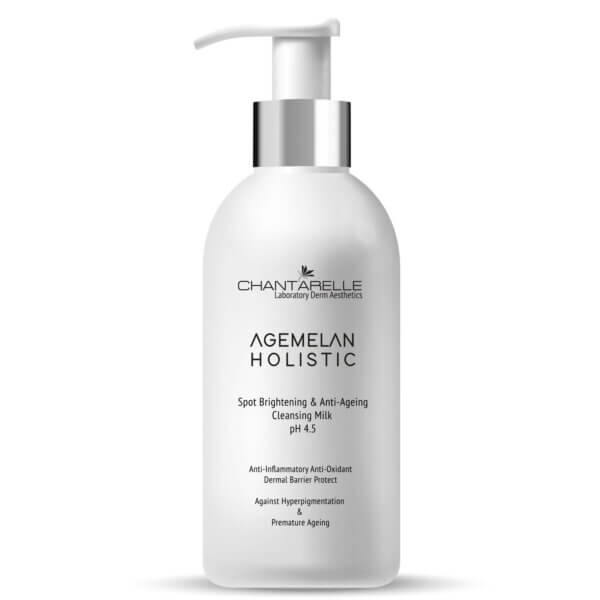
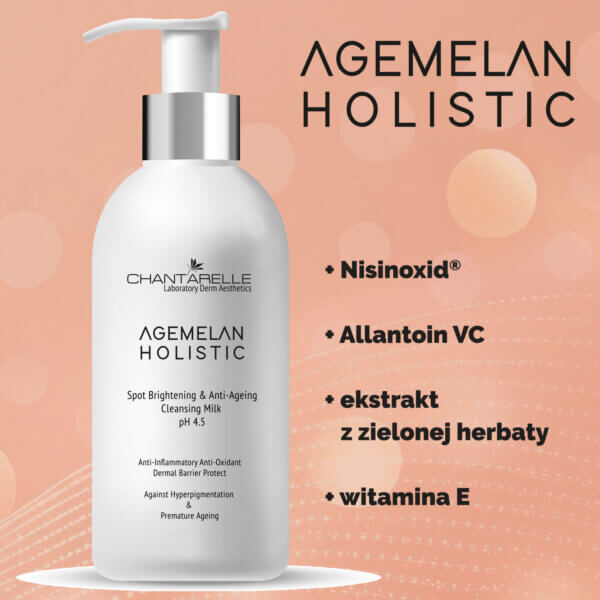
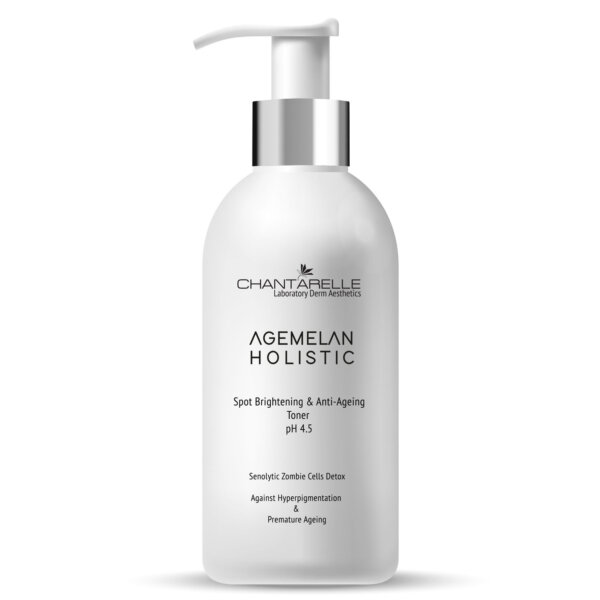
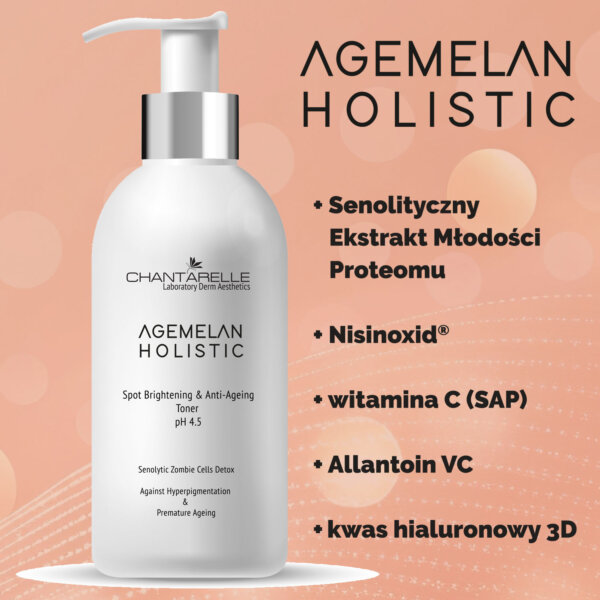
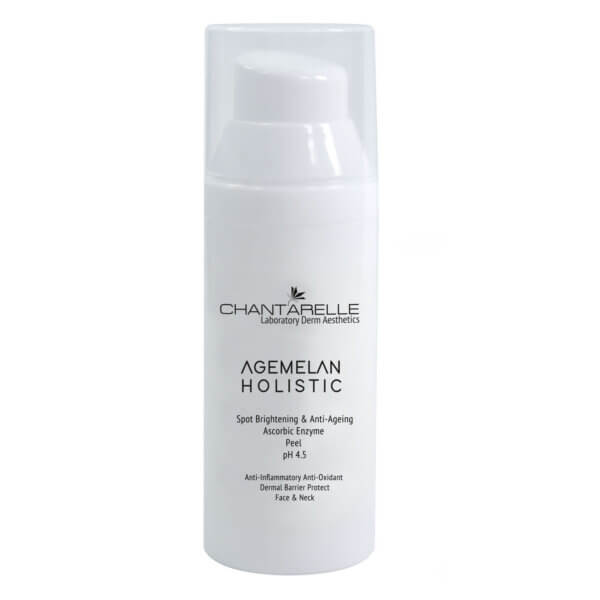
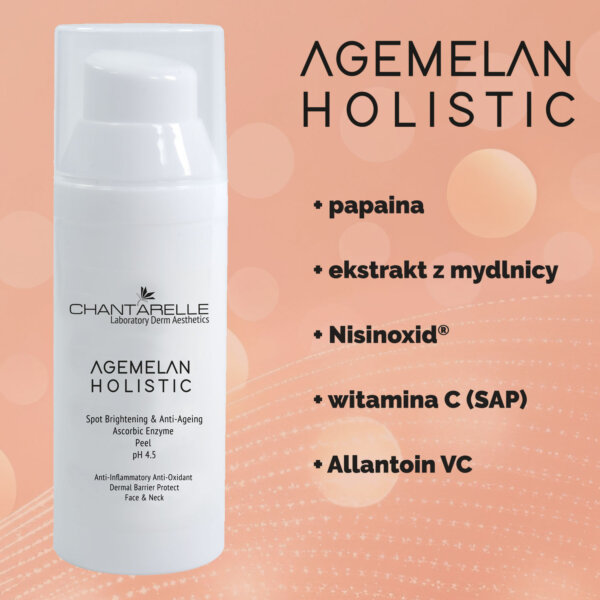
Best treatment for facial hyperpigmentation – Agemelan Holistic treatment
Treatment for skin discolouration with simultaneous active rejuvenation
An innovative dermoprogram for skin with phototype I-IV targeting:
- reduction of pigmentation changes – hyperpigmentation and uneven skin tone,
- restoration of enzyme pathways – inhibition of melanogenesis,
- stimulation of enzymatic activity of sirtuins
- cellular cleansing and detoxification
The effect of the treatment is the renewal of collagen and skin structures whose damage causes and exacerbates pigmentary changes. The skin’s protective barrier is strengthened against the effects of damage. At the same time, the effect of smoothing out wrinkles is achieved. It is a holistic programme for recovering luminous, rejuvenated, better hydrated and elastic skin, without discolouration and with an even skin tone.
The Agemelan Holistic treatment is for you if you are over 35 years old, have skin with multiple hyperpigmentation and uneven skin tone, as well as dry skin with signs of premature ageing and photo-ageing and wrinkles.
Recommend kojic and citric acid peels
These are whitening treatments that lighten skin tone irregularities, remove hyperpigmentation and spots of various origins. Treatments with kojic and citric acids are excellent for achieving quick results to even out skin tone after uneven tanning and sun damage. Particularly recommended if there is a high incidence of yellowish (to light brown) pigmented spots all over the skin.
Treatments with m-acids are for you if you have a large number of hyperpigmentation spots scattered throughout your face and body.
What is chloasma?
Osteoporosis is brown patches with a symmetrical arrangement. They usually occur on the face (mainly forehead and cheeks) and on the nape of the neck. The formation of chloasma has been linked to hormonal disturbances and UV radiation. It is most common in people with a dark skin phototype.
Osteoporosis is closely linked to hormone levels, which fluctuate when taking contraception. It is often associated with the use of hormonal therapies, including during pregnancy and menopause. For this reason, it mainly occurs in women.
Thyroid disorders, photosensitising substances, liver disease and an unbalanced diet can also be causes of the appearance of osteoma. Osteoporosis is very difficult to remove and good prevention should be the primary concern.
If, however, such changes have already occurred – the most effective method is strong acids combined with microdermabrasion. It is worth bearing in mind that this is an intensive therapy and is discouraged for sensitive skins.
Recommended treatment with pyruvic acid
This is a powerful peel that lightens even deep-seated hyperpigmentation while regulating the sebaceous glands. M-acids have a pore-cleansing, intensely rejuvenating, firming effect. The treatment has a visible effect of smoothing wrinkles and furrows and reducing scars.
Thanks to its rapid penetration into the dermis, it gives excellent depigmentation effects in a short time, similar to those obtained with much more aggressive peeling treatments. The treatment can be performed in a cosmetic surgery at an acid concentration of 50% pH 1.6 and 55% pH 1.5, or in an aesthetic medicine surgery at a higher concentration of 60% pH 1.3.
Lentiginous stains
Lentiginous spots are characteristic pigmented lesions of various shades of brown. In appearance they resemble lentil seeds. Their oval shape is clearly separated from healthy skin. They are most commonly scattered on the back, chest and face, less frequently on the neck, forearms and backs of the hands. They are characterised by thickened epidermis protruding beyond the skin line. Lentigines spots are caused by the growth of melanocytes in the basal layer of the skin. They usually develop after the age of 30 and tend to disappear over time. Lentigines spots are quite a challenge for dermatologists and cosmetologists. Their treatment usually involves cryotherapy or laser. Proper home care is extremely important in reducing the lesions.
Recommend laser treatment PDT Black Essential Depigmentation and Reduction of Hyperpigmentation
Lightens superficial hyperpigmentation: lentigines (sun spots, age spots, “liver” spots), freckles, epidermal melasma and hyperpigmentation originating in the dermis. It reduces the formation of new hyperpigmentation, while also reducing signs of photo-ageing and strengthening capillaries. Reduces tyrosinase activity by acting on the melanogenesis pathway and inhibits the formation of new discolourations. Stimulates collagen synthesis.
Post-inflammatory and acne hyperpigmentation
Post-inflammatory and acne hyperpigmentation – occurs in areas where there have been acne lesions, skin burns, sensitisation or other trauma. These lesions are caused by a reduction in the number of sulfhydryl groups, which inhibit melanogenesis, the formation of skin pigmentation. Post-inflammatory pigmentary changes may be the result of photosensitising substances. Discolouration resulting from inflammation tends to resolve spontaneously after a long period.
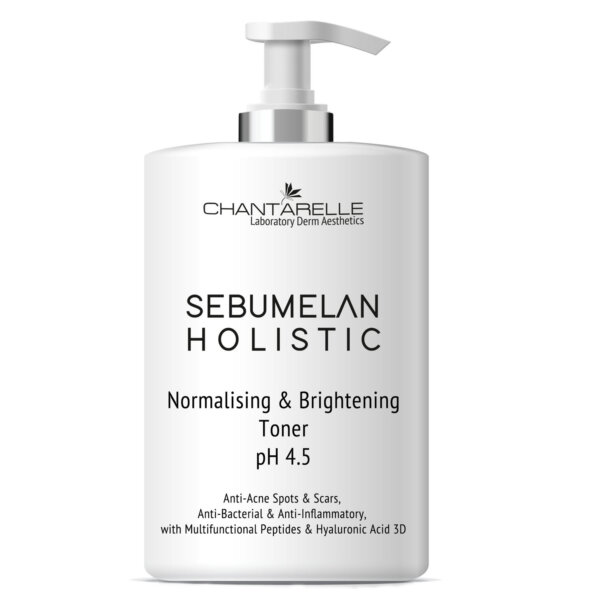
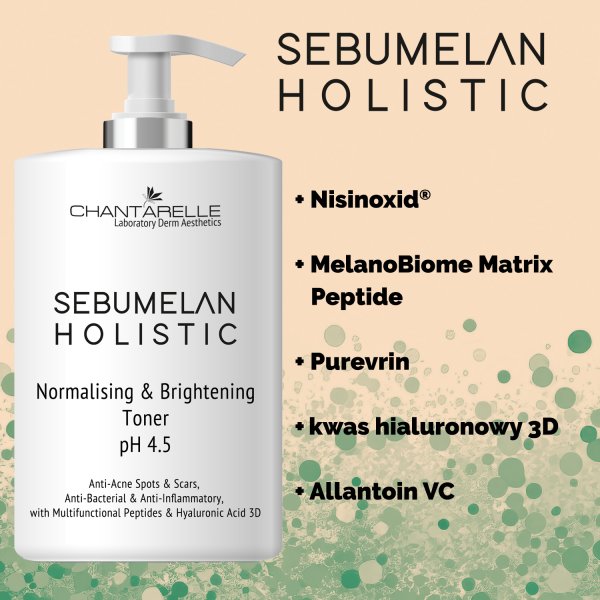
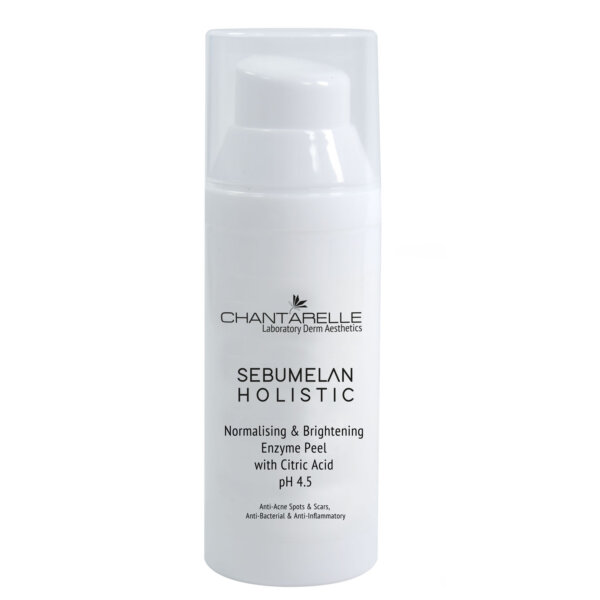
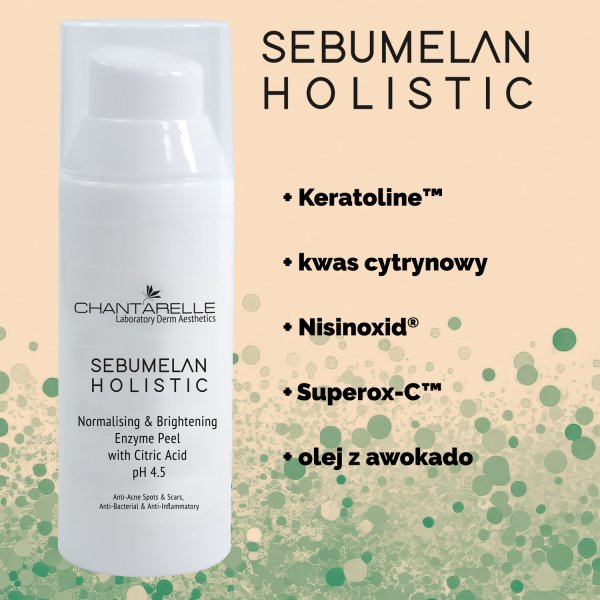
Recommend the Sebumelan Holistic treatment
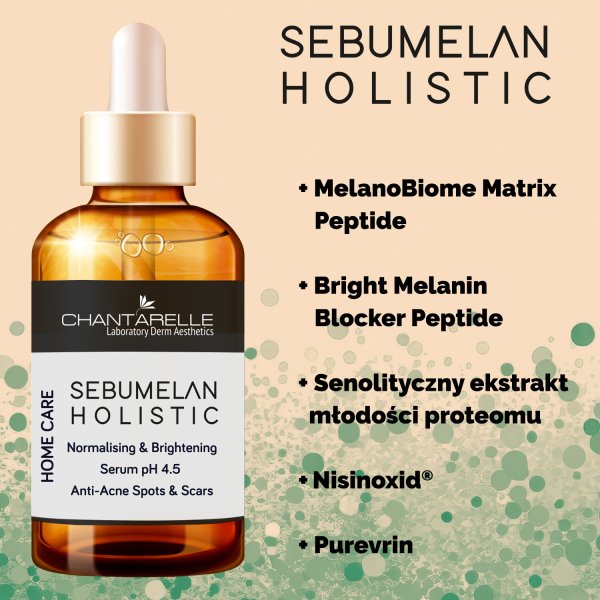
This is a holistic programme for regaining purified, strengthened and brightened skin without post-inflammatory hyperpigmentation or scarring. Based on state-of-the-art active ingredients targeting anti-inflammatory, sebum-regulating, rejuvenating and brightening effects, such as Omega 3-6-9 acids encapsulated in a special lipid carrier with high permeability, a biomimetic peptide of the latest third generation of pharmaceutical grade, the Nisinoxid® system and vitamin C from the cockatoo plum and citric acid. The lower pH of 4.5 of all formulations strengthens the skin’s protective barrier against pathogens and damage. The programme also has an intensive rejuvenating effect through regeneration of collagen and skin structure and cellular detoxification through enzymatic stimulation of sirtuin activity. Deterioration of these skin parameters is cited as a contributory factor in the formation of hyperpigmentation. Some types of skin discolouration are able to fade on their own over time, but in most cases they require the intervention of a cosmetologist or dermatologist. Proper home care using whitening preparations combined with in-office treatments will allow us to enjoy beautiful and healthy skin for years to come.
Chantarelle cosmetics for hyperpigmentation
New
New
Sebumelan Holistic
New
New
New
New
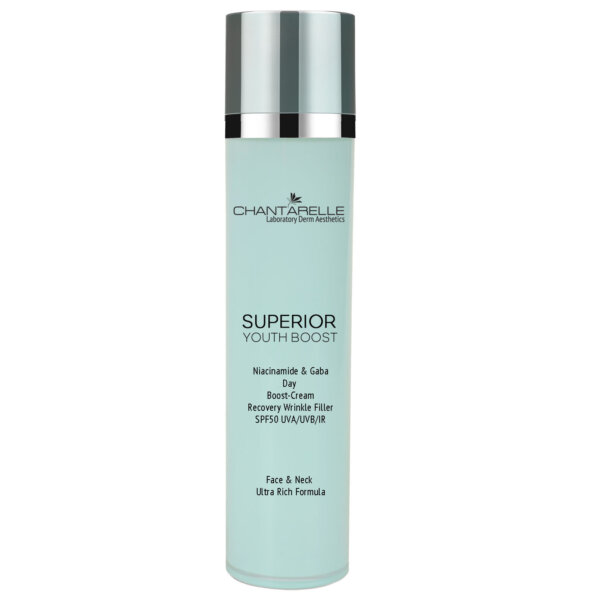
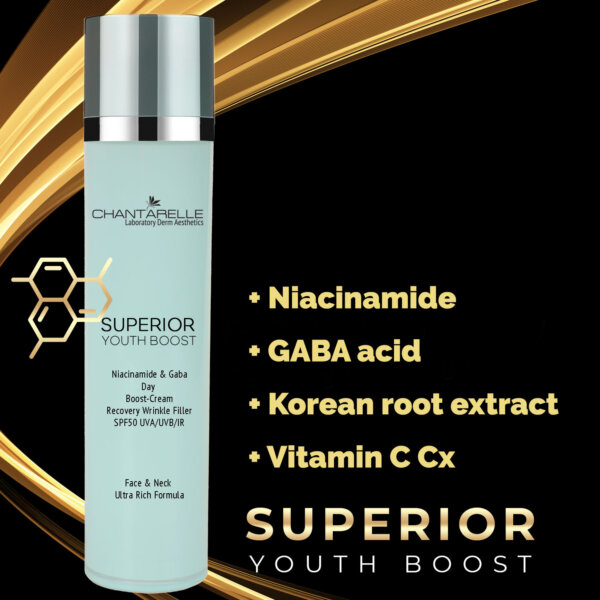
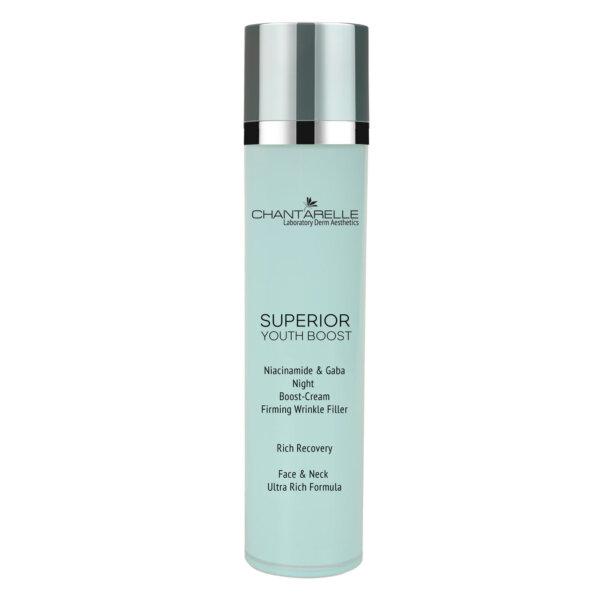
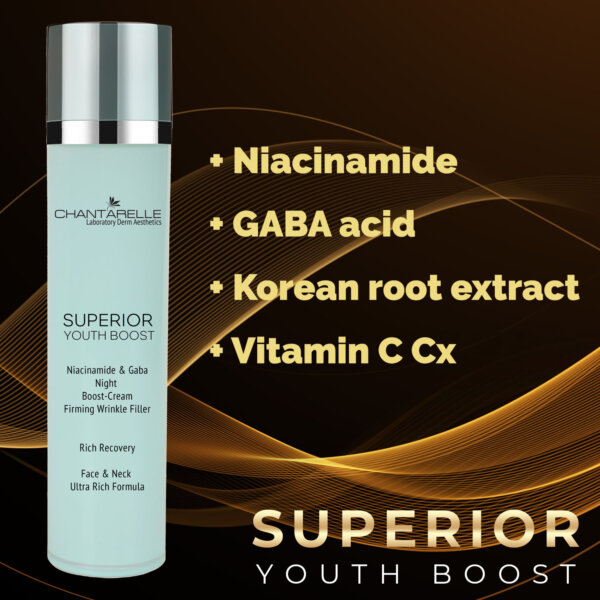
Superior Youth Boost
Boost Day Cream SPF50 UVA/UVB/IR/HEV with niacinamide and GABA acid
55,00 £
Add to basket