Try our novelties and bestsellers!»




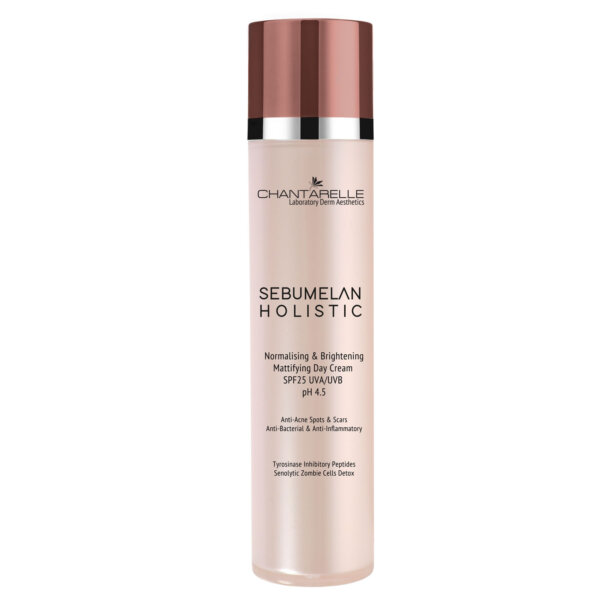 Normalising & Brightening Day Cream SPF20 with Senolytics and Peptides

Active ingredients in cosmetics
Calendula – plants in cosmetics
Aug
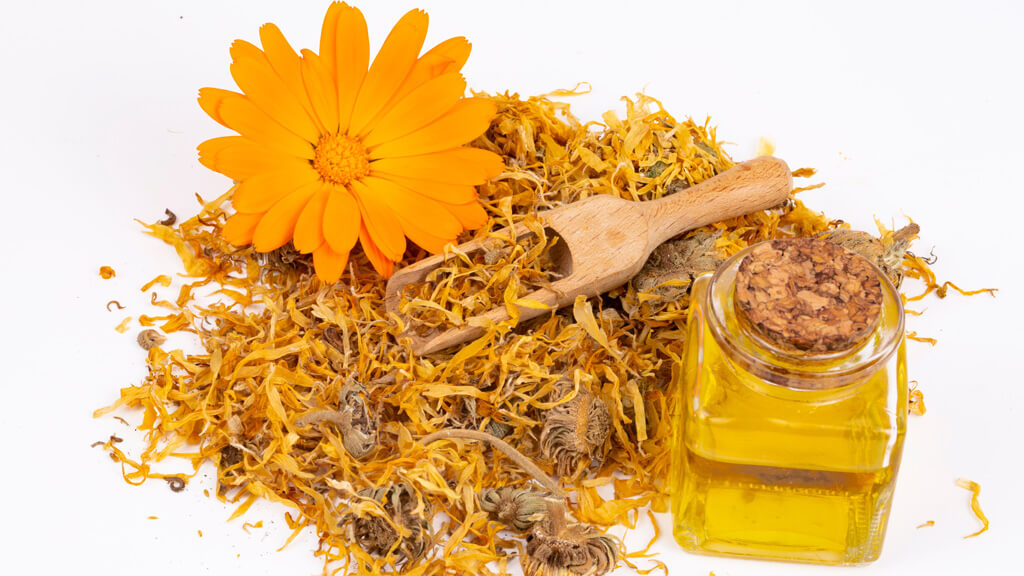
Marigold (Calendula officinalis) is a species of annual plant belonging to the Asteraceae family and typically growing up to 50 cm. Marigold is native to the Mediterranean region and is widely distributed worldwide as an ornamental plant. The flowers are sensitive to changes in temperature and humidity. They close when it is dark or rainfall is expected.
Medicinal uses of marigold
The botanical name marigold is derived from the Latin word “kalendulae“, meaning the first day of the Roman calendar. This association is due to the marigold’s tendency to bloom at the beginning of almost every month. The ancient Romans also called it “solsequium“, meaning “sun flower”, because marigold flowers open at dawn and close at dusk.
Marigold in cosmetology and cosmetics
Calendula extract is obtained from the flower heads. Calendula, rich in polysaccharides, flavonoids, triterpenes and carotenes, has long been used to treat skin ulcers, infected wounds, rashes, eczema, varicose veins. Calendula’s most widely used effects are to accelerate wound healing and rebuild the epidermis. It also has a soothing, bacteriostatic, regenerative and anti-inflammatory effect. Thanks to its moisturising action, calendula is ideal in cosmetic formulations targeting dry, irritated and sensitive skin. In addition, it is recommended in sunscreen cosmetics (used before and after sunbathing).
Marigold in Chantarelle cosmetics