Try our novelties and bestsellers!»




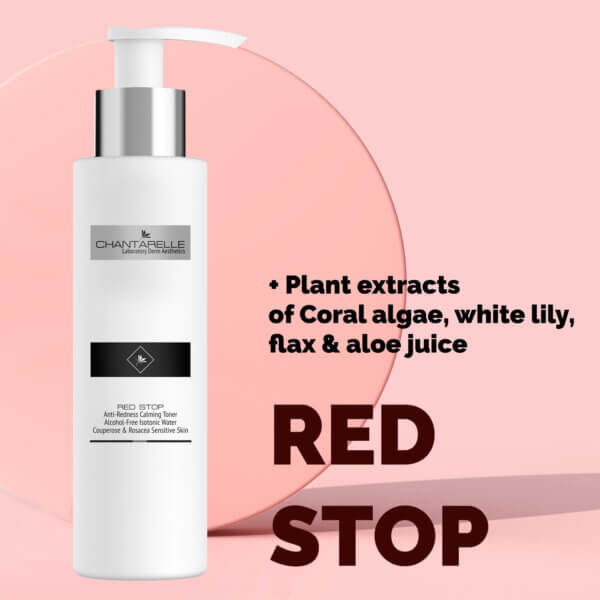
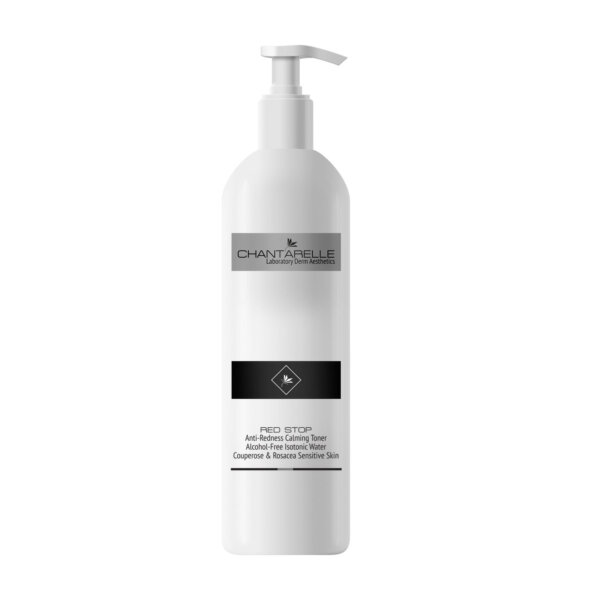
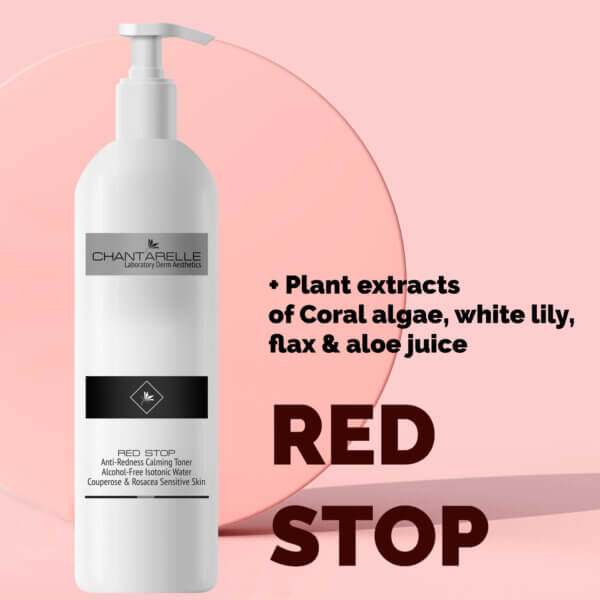
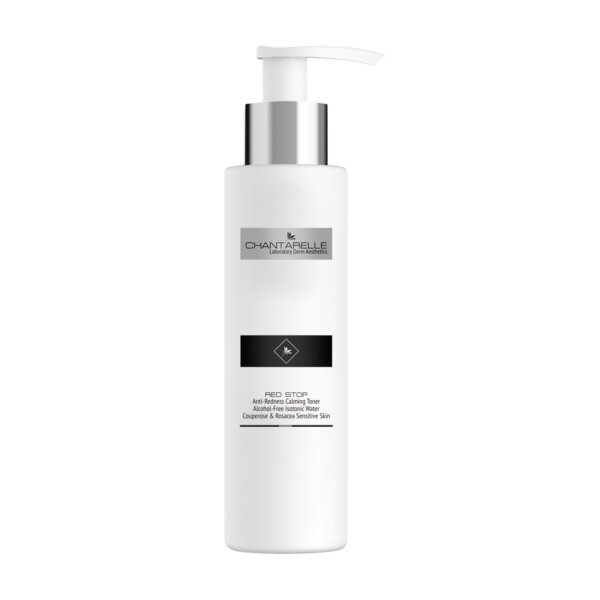 Anti-Redness Calming Toner Alcohol-Free Isotonic Water Couperose & Rosacea Sensitive Skin

Active ingredients in cosmetics
Common flax – plants in cosmetics
Aug
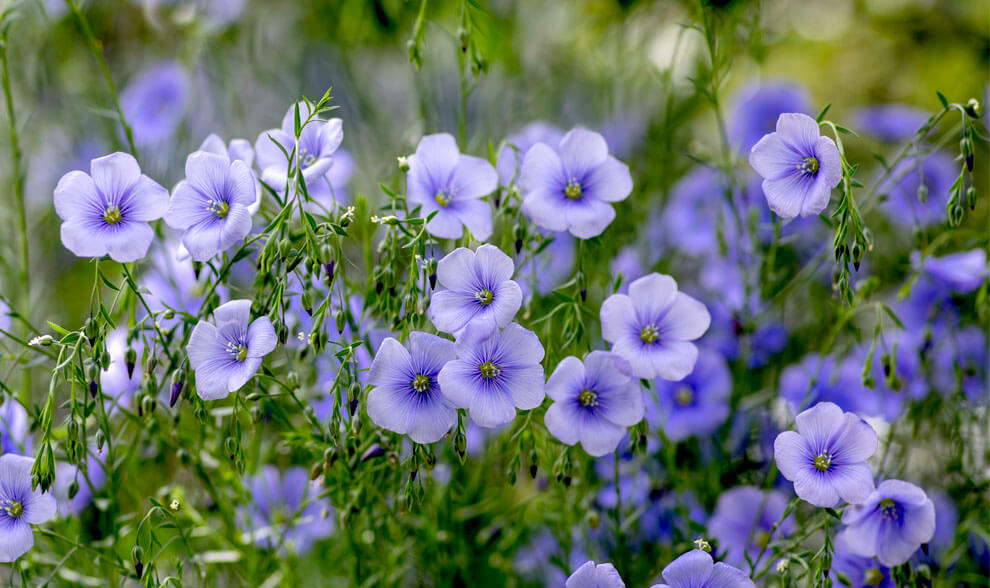
Common flax (Linum usitatissimum) is an annual herbaceous plant in the flax family with a straight, narrow stem growing up to 1m. The flowers are white or blue and the seeds of the flax are oval and light brown. It is now grown in temperate and subtropical areas in Europe, Asia and the Americas. The name Linum is derived from the Celtic word “lin” (thread) refers, of course, to the use of this plant as a fabric.
The most commonly used part of flax is its seeds, known as linseed, and the stalk. Two main varieties are grown, the seed type for the oil and the flax type for the fibres extracted from the stalk. The seeds are harvested in the summer, when fully ripe. They are then cleaned and dried. They contain about 30-45% linolenic acid and other flax active substances: proteins, carbohydrates, lignans, flavonoids, phenolic compounds, mineral salts (potassium, phosphorus, magnesium and calcium) and vitamin E.
History of flax use
Flax was an important plant for the development of Western civilisation, known for at least 8,000 years. Its seeds found in the ruins of Babylon were dated to around 7000 BC, so we can consider it the first cultivated plant known to us. The Egyptians used flax fibres to mummify corpses, while flax cloth is mentioned several times in the Bible, including the verse in the Book of Proverbs (31.10-31): “Flax is sought for and wool … makes garments for himself, … linen he makes, he sells”.. Clothes, ropes, wicks and shoes were made from its fibres. Flax seed also had its food and medicinal uses. Around 700 AD, Charlemagne enacted a law ordering his people to consume flax seed to maintain their health. Hippocrates recommended it as an emollient as early as the fifth century BC. It was spread to the Mediterranean by Phoenician traders, and later in Europe its cultivated fields appeared and the flax industry developed. Flax seeds were found in excavations at Biskupin.
Green unsaturated fatty acids
Today, flax is used as a laxative, emollient, soothing, anti-cough, diuretic, sedative, antiseptic, antispasmodic. It is also used to combat colds, inflammation, bronchitis, coughs, gastric problems, rheumatism, liver ailments, diabetes. Flaxseed is also a source of multi-unsaturated fatty acids very important for our health. Flaxseed is widely used in pharmacy due to its laxative effect resulting from its high content of mucilage and insoluble fibres (cellulose), which cause dilatation of the intestinal walls and consequently stimulate peristalsis. In addition, flaxseed has a protective effect on the gastrointestinal mucosa, forming a protective coating in case of inflammation.
Flax in cosmetology and cosmetics
Flaxseed oil is used in many preparations to treat burnt skin or to combat rheumatic pains. Flaxseed is an effective anti-acne and anti-inflammatory. They are successfully used to treat eczema, dermatoses and psoriasis. The abundance of mucilage in flax seeds makes them useful in soothing and moisturising face and body preparations and hair care products. The mucilage forms a protective film on the skin, guarding against transepidermal water loss. Green unsaturated fatty acids (linoleic acid, oleic acid) have proven cosmetic properties due to their strengthening of the skin barrier function. Vitamin E has antioxidant properties and neutralises free radicals generated by UV radiation or other environmental factors.