Try our novelties and bestsellers!»



-
×
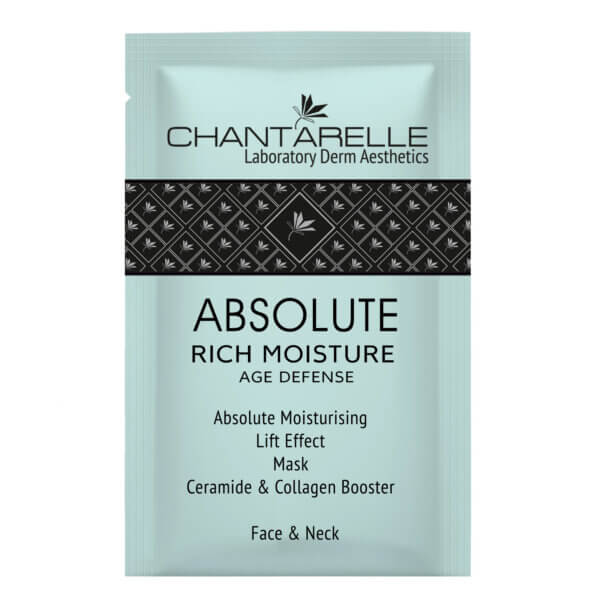 Mask with lifting effect - absolute hydration
1 × 3,90 £
Mask with lifting effect - absolute hydration
1 × 3,90 £ -
×
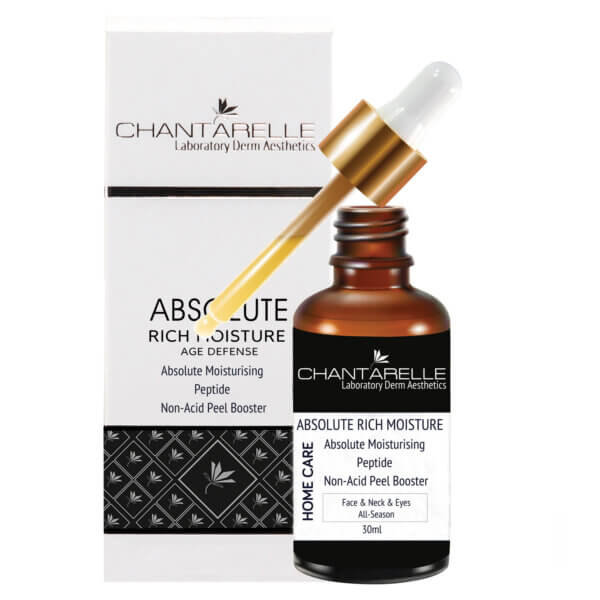 Peeling serum with peptides for the face and under the eyes - absolute hydration
1 × 52,00 £
Peeling serum with peptides for the face and under the eyes - absolute hydration
1 × 52,00 £ -
×
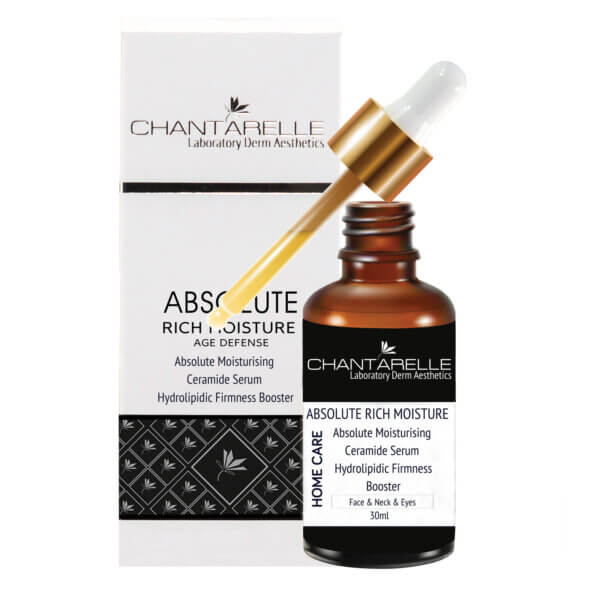 Serum with ceramides for the face and under the eyes - absolute hydration
1 × 52,00 £
Serum with ceramides for the face and under the eyes - absolute hydration
1 × 52,00 £ -
×
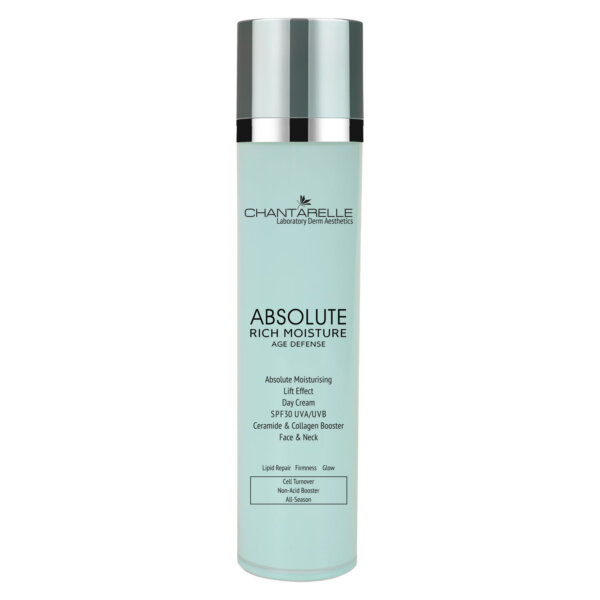 SPF30 UVA/UVB day cream with lifting effect - absolute hydration
1 × 55,00 £
SPF30 UVA/UVB day cream with lifting effect - absolute hydration
1 × 55,00 £ -
×
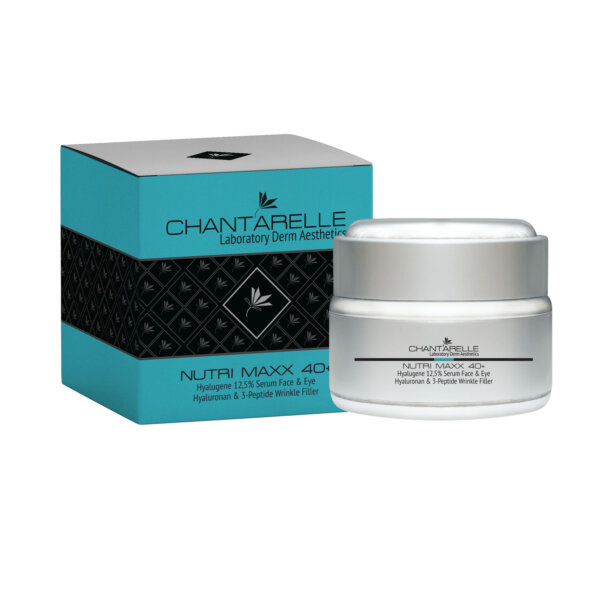 Hydrating and rejuvenating HYALUGENE 12.5% serum
1 × 53,00 £
Hydrating and rejuvenating HYALUGENE 12.5% serum
1 × 53,00 £ -
×
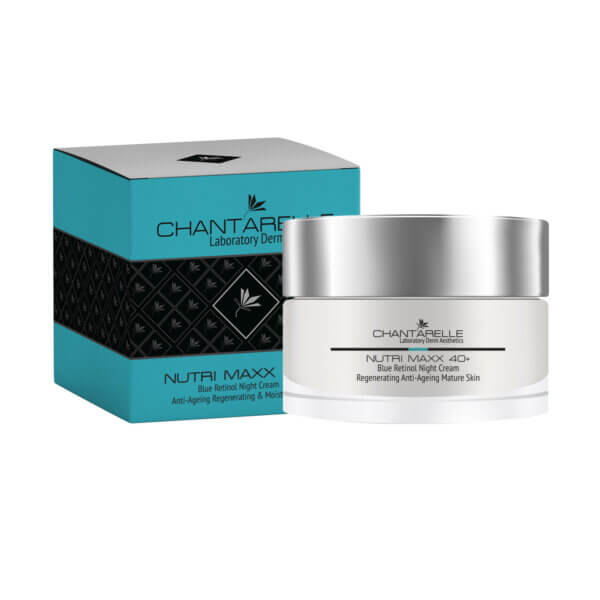 Moisturising and rejuvenating night cream with blue bio-retinol
1 × 38,00 £
Moisturising and rejuvenating night cream with blue bio-retinol
1 × 38,00 £



Active ingredients in cosmetics
Cornflower – plants in cosmetics
20
Aug
Aug
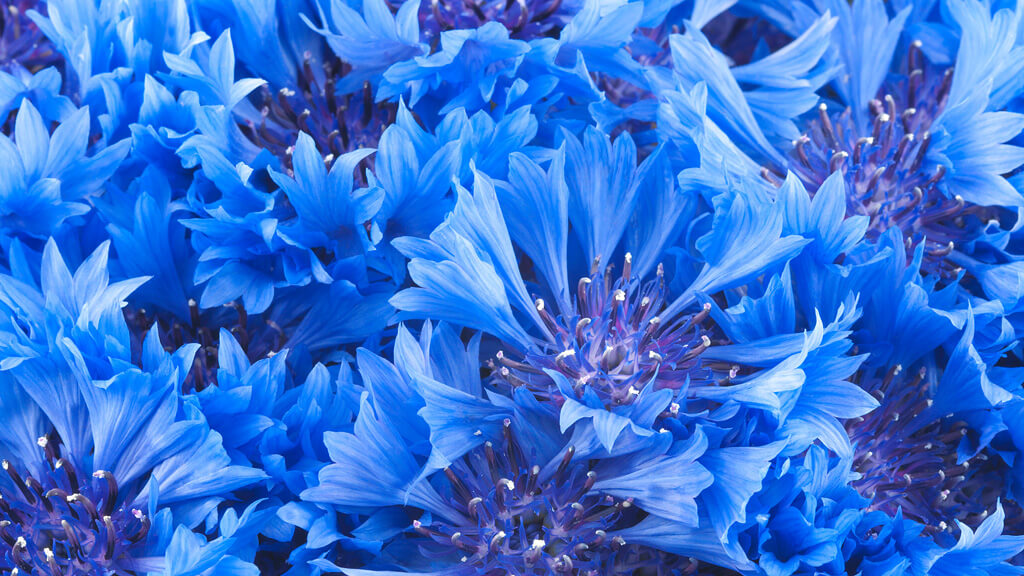
Chaber cornflower (Centaurea cyanus), from the Asteraceae family, grows to 20-70 cm and has flowers of intense blue. Cultivated varieties are also purple-purple, light pink or white. Chasteberry probably originated in the Middle East, but it is cultivated worldwide for its cereal production.
Medicinal uses of cornflower
Cornflowers appeared in the French Pharmacopoeia in 1884 for their anti-inflammatory properties and were used in ophthalmology (the branch of medicine and science dealing with the organ of sight). The plant was not used until the mid-16th century, until its beneficial effects on eye ailments were observed.
Pharmacopoeia – a set of basic requirements for the composition and quality of pharmaceutical raw materials and drugs, including herbal medicines.
Blavender also has a diuretic effect and its flowers were prepared as infusions. Due to its anti-inflammatory and slightly astringent effects, cornflower is used in cosmetic preparations applied to the eye area.
Chaber cornflower in cosmetology and cosmetics
Cornflower extract, thanks to its content offlavonoids and anthocyanins, has an emollient, anti-inflammatory, antiseptic and antibacterial effect – hence it is recommended in preparations for oily skin, seborrhoeic skin and skin with signs of inflammatory changes. It also has shrinking and capillary-strengthening properties and counteracts redness, which is why it is used in cosmetics for vascular skin. Thanks to its toning, smoothing, refreshing and moisturising effects, it is used against signs of tired skin.
Cornflower in Chantarelle cosmetics
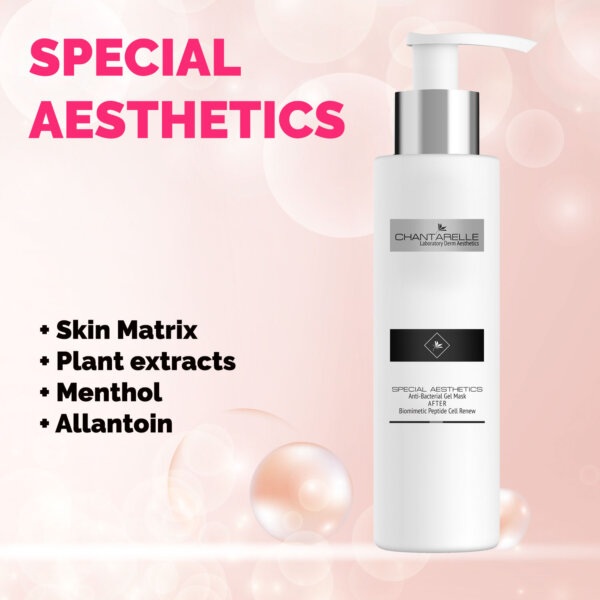
Special Aesthetics
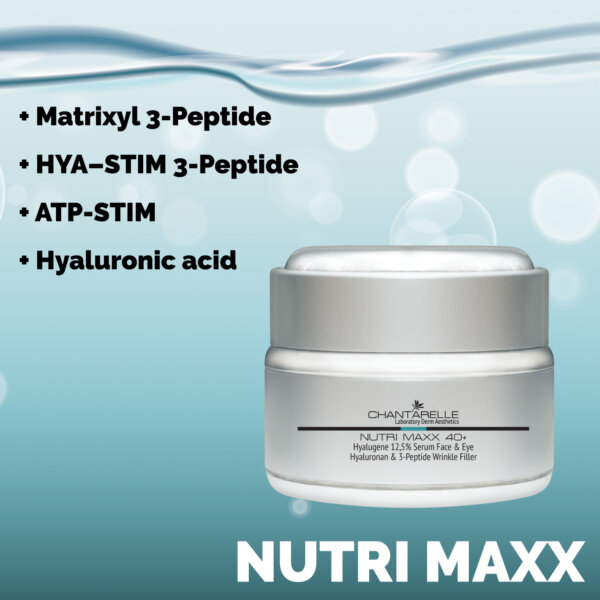
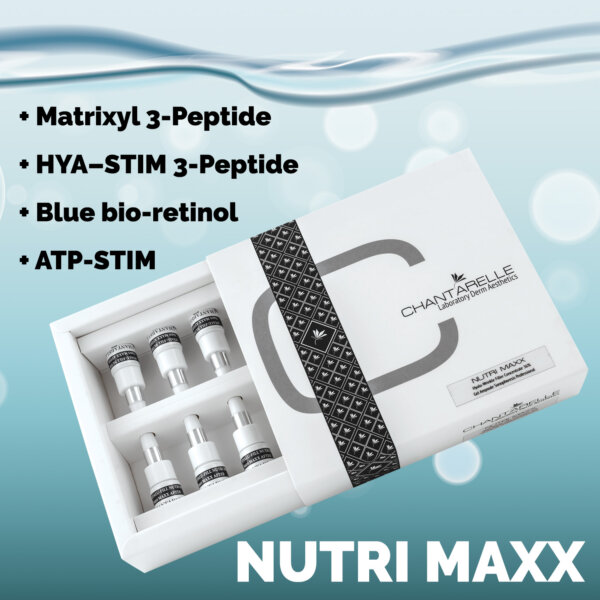
For professionals only
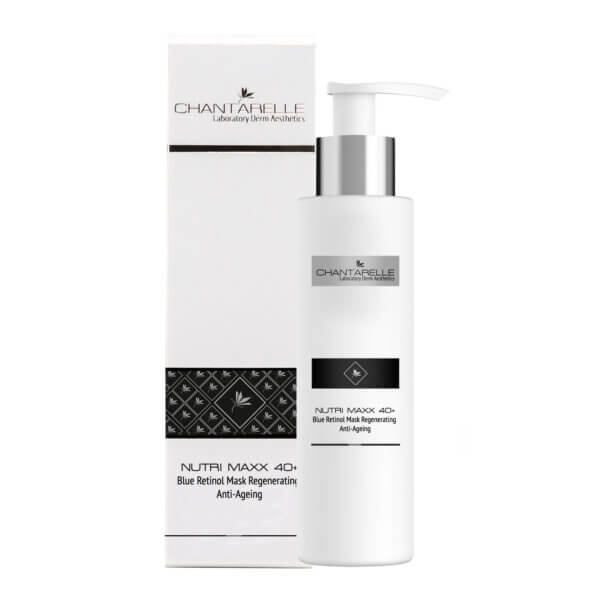
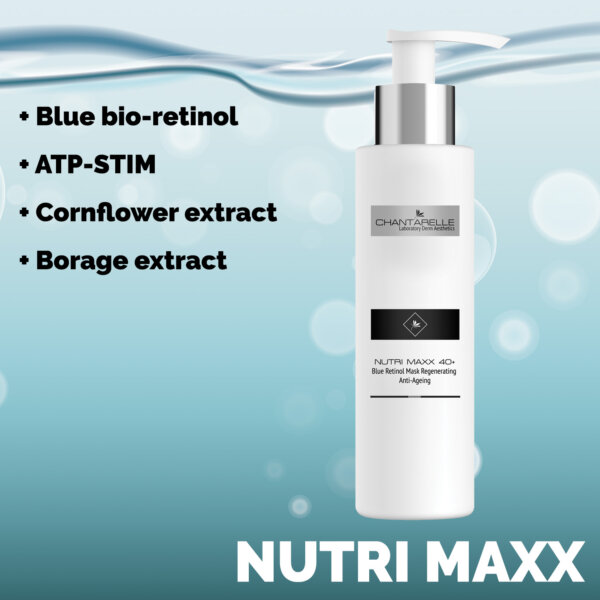
Nutri Maxx
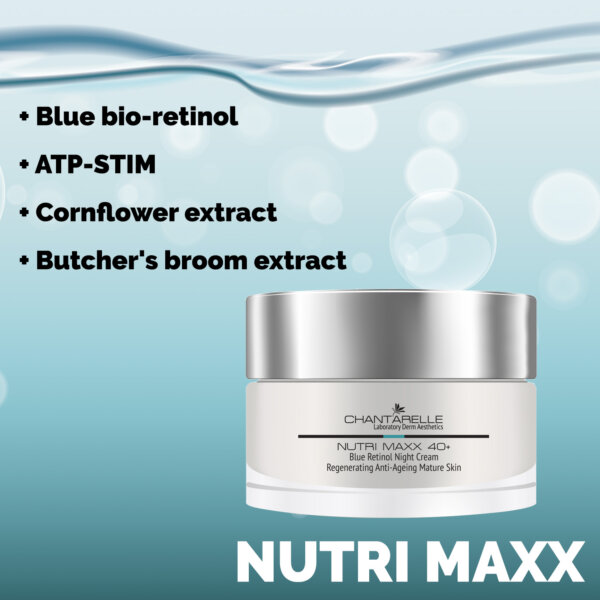
For professionals only