Try our novelties and bestsellers!»



-
×
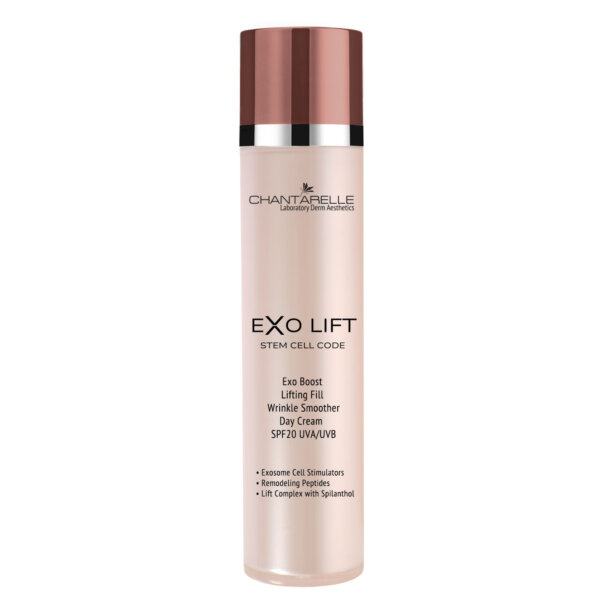 Exo Boost Exo Boost Exo Boost Exo Boost Day Lifting Cream SPF20 UVA/UVB - Exo Boost Exosome Stimulator
1 × 79,00 £
Exo Boost Exo Boost Exo Boost Exo Boost Day Lifting Cream SPF20 UVA/UVB - Exo Boost Exosome Stimulator
1 × 79,00 £ -
×
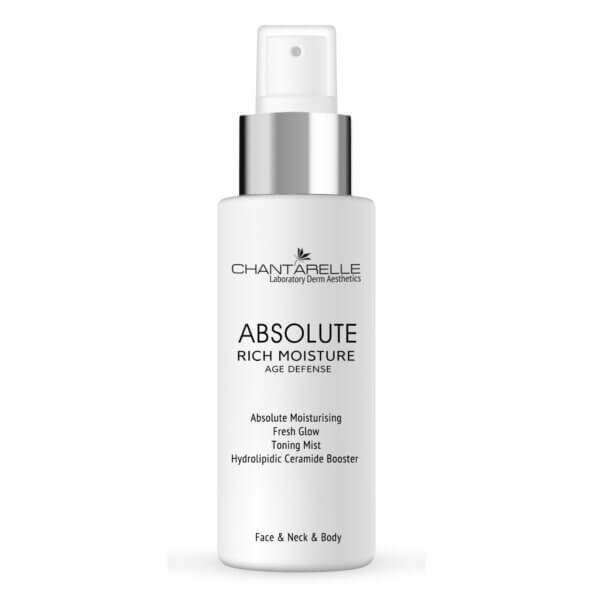 Toning mist for face, body and hair - absolute hydration
1 × 31,00 £
Toning mist for face, body and hair - absolute hydration
1 × 31,00 £ -
×
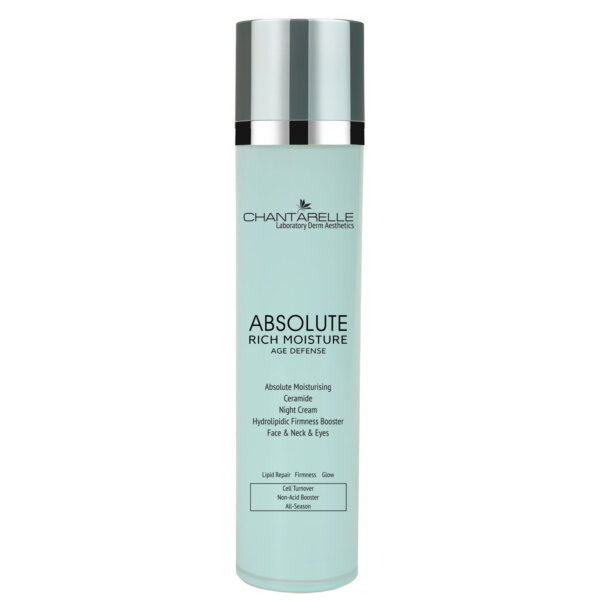 Night cream with ceramides for face and eyes - absolute hydration
1 × 55,00 £
Night cream with ceramides for face and eyes - absolute hydration
1 × 55,00 £ -
×
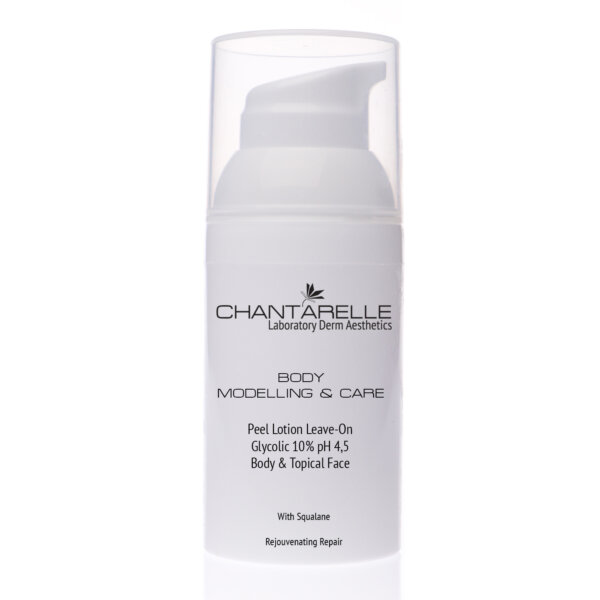 Peeling lotion without washing off with glycolic acid 10% pH 4.5, with squalane
1 × 46,00 £
Peeling lotion without washing off with glycolic acid 10% pH 4.5, with squalane
1 × 46,00 £ -
×
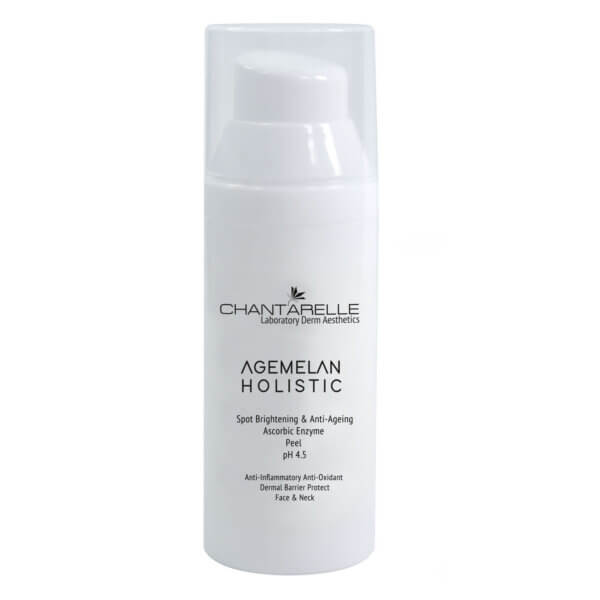 Enzyme peeling pH 4.5 to rejuvenate and lighten blemishes
1 × 32,00 £
Enzyme peeling pH 4.5 to rejuvenate and lighten blemishes
1 × 32,00 £



Cosmetic treatments, Active ingredients in cosmetics, Aesthetic cosmetology
Cosmetic peelings
24
Sep
Sep
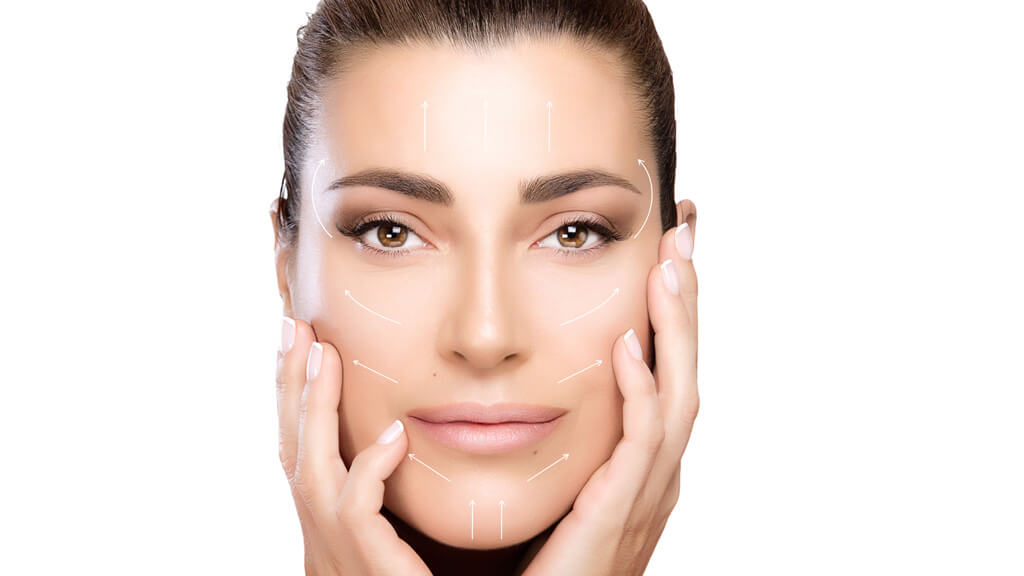
Peeling (peel – to peel off) is a procedure for destroying the epidermis or only a part of it, which may extend as far as the dermis. Exfoliation is the term for a superficial peel involving only dead epidermal cells. In the beauty parlour, superficial exfoliation, mainly of the stratum corneum, is the most common procedure. There are many peeling methods. These include chemical (acids), mechanical (e.g. microdermabrasion) and thermal agents from lasers or other light-based sources.
Peelings can be divided according to their depth into:
- Superficial (exfoliation occurs within the epidermis)
- Medium-depth (skin damage from the lower part of the papillary layer to the upper part of the reticular layer)
- Deep (damage to the middle part of the dermis)
History of peels
Skin exfoliation performed for cosmetic purposes was already known in ancient Egypt. Bathing in sour milk was observed to improve the condition of the skin, softening it and smoothing it. We now know that it is the lactic acid, a bioactive component of sour milk, that has this effect. Already in ancient times, chemical and mechanical peels were combined. Natural fruit acids or fermentation products of fruit or milk were combined with substances of mineral origin, such as pumice stone, clays, salt, sulphur and volcanic dust. Nowadays, we have a much broader knowledge of peelings. The description of the benefits of salicylic acid (BHA), phenol, resorcinol and trichloroacetate (TCA) by a German dermatologist in the 19th century initiated the interest of doctors in acids and the possibility of using them in cosmetics and aesthetic medicine. In the 1970s. J. Van Scot introduced alpha-hydroxy acids to the market. Alpha-hydroxy acids can be said to have revolutionised skin care. Initially, the action of the acids was described as normalising or having a beneficial effect on dry skin and fish scales. Subsequent years of experience have revealed that hydroxy acids also have an anti-ageing effect.
Alpha-hydroxy acids
Alpha-hydroxy acids have a very broad spectrum of action. They are recommended for the treatment of symptoms of sun-induced skin ageing, osteoma, lentigines, acne vulgaris and follicular keratosis, common and seborrhoeic warts. What effect these substances will have on the epidermis depends on the formulation, substrate, type of acid, pH, concentration and the area of skin to be treated (thickness of skin and epidermis, number of hair follicles). Alpha-hydroxy acids, also known as fruit acids, are a group of organic carboxylic acids where the hydroxyl group attached to the α carbon is adjacent to an acid group. At lower pH and higher concentrations, they exhibit properties that regulate the keratinisation process, accelerating the exfoliation of the epidermis and the replacement of its cells. This is because they act on the desmosome junctions in the basal layer. With prolonged use, they have a stimulating effect on the dermis, where fibroblasts, macrophages and mast cells are stimulated and the production of collagen, elastin and glycosaminoglycans is increased. The consequence is an increase in the thickness of the dermis. At a higher pH, they act mainly as moisturisers. Their action is described as metabolic.
Cosmetic acids
The most commonly used acids in cosmetic surgery are:
Glycolic acid It is characterised by the smallest molecule of all alpha-hydroxy acids. Its pH is equal to 3.83. Thanks to its small molecule size, it penetrates the stratum corneum very easily. Glycolic acid is characterised by its broad spectrum of action. It causes the loosening and breaking of cell bonds by inhibiting the activity of enzymes (kinases and sulphotransferases). It stimulates the synthesis of collagen and glycosaminoglycans. The effects obtained with glycolic acid peeling include rejuvenation, reduction of acne vulgaris symptoms, improvement of the general condition of the skin, shallowing of scars, brightening of discolouration, normalisation of keratosis disorders.
Lactic acid Increases glycosaminoglycans and hydration, resulting in improved skin elasticity and firmness, improves collagen structures, normalises the keratinisation process.
Mandelic acid This is an acid with a gentle and general action. It exhibits lipophilic properties. This allows it to be absorbed deep into the sebaceous glands. An additional advantage is its antibacterial effect. Mandelic acid is used in peelings intended for skins with acne vulgaris, seborrhoea as well as signs of ageing, photoageing and discolouration. It is recommended for patients with all skin types. As a rule, it does not cause irritation. It also does not sensitise the skin to the sun. Therefore, it can be performed all year round. Mandelic acid is characterised by slow penetration into the skin, which allows for better control of penetration during treatment.
Salicylic acid Belongs to the beta-hydroxy acids. It is fat-soluble and is therefore used in patients with oily skin. In concentrations up to 10%, it has a keratoplastic effect, while above 10% it has a keratolytic effect.
Peeling contraindications
A very thorough patient interview is carried out prior to the procedure. Above all, those with contraindications must be excluded. These include:
- General viral or bacterial infection of the body
- Prherpes
- Pregnancy
- Breastfeeding
- Taking isotretinoin (vitamin A derivative) – worsens the healing process, may cause complications (wait about a year after therapy)
- Therapy with tetracyclines and strong hormonal drugs – there is a risk of hyperpigmentation
- Chemotherapy – worsens the healing process
- Prone to formation of hypertrophic scars and keloids
The history also establishes:
- The indications for surgery
- The patient’s realistic expectations
- Assess his/her emotional state
- Give any explanations about the procedure
- Get the patient’s written consent
- Communicate skin care recommendations after the procedure
- Select method and means of treatment (depending on indications, skin phototype according to Fitzpatrick and Glogau classification)
Unwanted effects with peels
When performed correctly, taking into account all indications and contraindications, superficial peels rarely produce side effects. However, it must be taken into account that the skin can always react in an unpredictable manner. Adverse reactions that may occur are: skin pigmentation disorders, long-lasting erythema, demarcation lines, hypersensitivity to atmospheric agents, exacerbation of acne lesions, prosacchiae. The best time of year for AHA exfoliation is autumn and spring. It is essential to use a high factor cream after treatment. People who tolerate chemical peels badly can undergo mechanical peeling. In recent years, microdermabrasion has gained great recognition among dermatologists, cosmetologists and patients themselves. This is a procedure during which, using a diamond or corundum head, the epidermis is abraded micro layer by micro layer. This significantly improves the appearance of the skin. Although microdermabrasion concerns the superficial layers of the epidermis, it also has an effect on the dermis. The organism perceives the abrasion of the epidermal layers as an injury and activates a cascade of repair processes. The signal from the epidermis is transmitted to the dermis, where so-called remodelling occurs, i.e. an increase in collagen and elastin synthesis.
Effects of chemical peels
After one treatment, the skin is visibly smoother and brighter. With a series of treatments we achieve:
- Flattening of wrinkles
- Correction of scars
- Improved skin elasticity
- Improved skin elasticity
- Shrinking of sebaceous gland outlets
- Removal of sebaceous glands
- Removal of blackheads
- Reduction of seborrhoea
Microdermabrasion is a non-invasive treatment with no side effects. Nevertheless, there are contraindications. These include:
- Rasal acne
- Acne with inflammation
- Plaque and cavernous hemangiomas
- Damaged skin
- Viral, bacterial or fungal infections
- Prone to keloid formation
- Isotretinoin therapy
Very good treatment results are obtained by combining microdermabrasion with other methods, e.g.: microdermabrasion + chemical peeling, microdermabrasion + mesotherapy. Thanks to the association of methods, therapeutic effects are faster and better.
Chantarelle peels
New
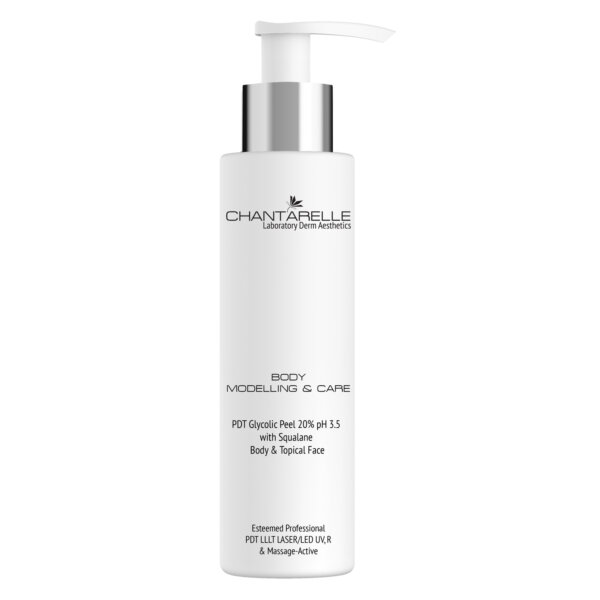
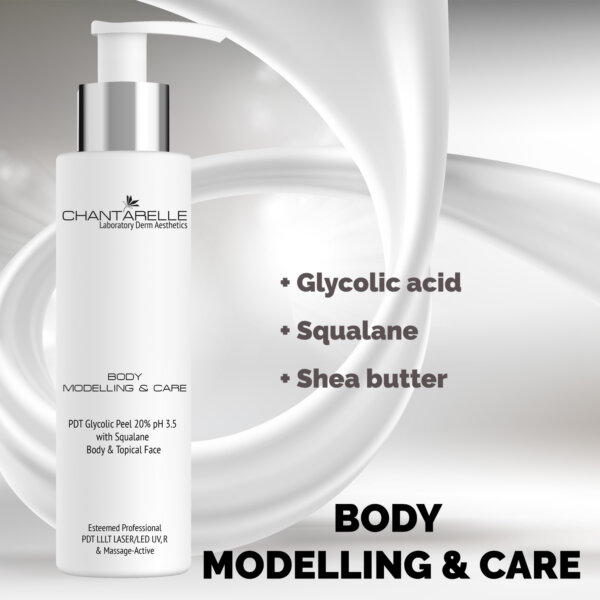
Body Modelling & Care
PDT glycolic peeling 20% pH 3.5 with squalane, for body and topical face
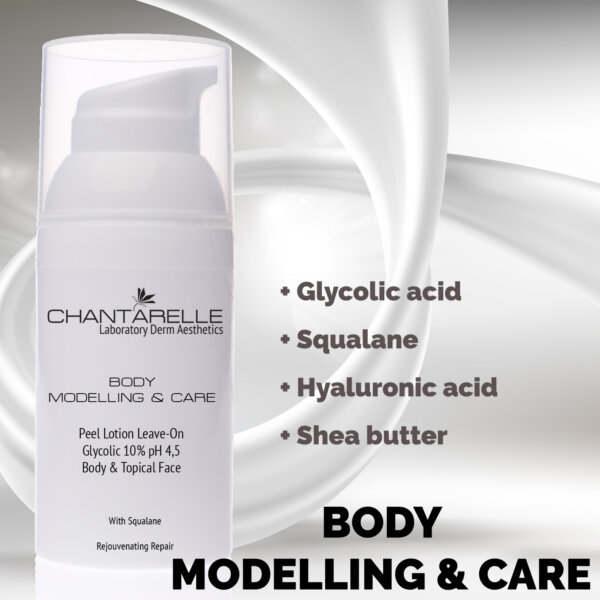
Body Modelling & Care
Peeling lotion without washing off with glycolic acid 10% pH 4.5, with squalane
46,00 £
Add to basket
NEW
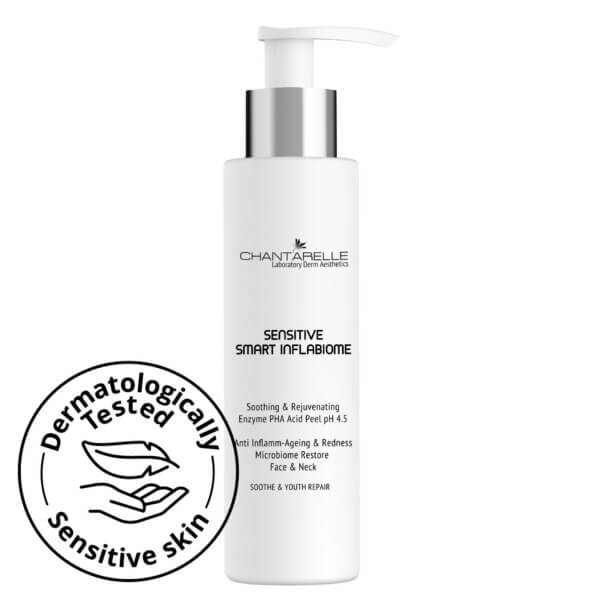
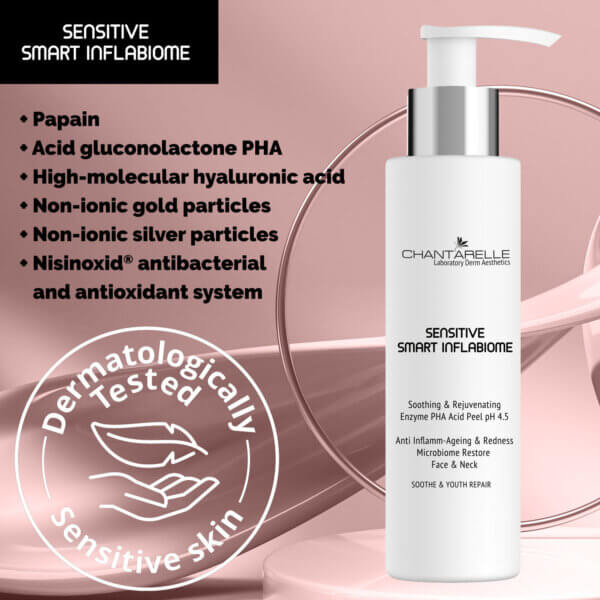
Sensitive Smart Inflabiome
Enzymatic peeling for sensitive skin with gluconolactone, rejuvenating and soothing pH 4.5
NEW
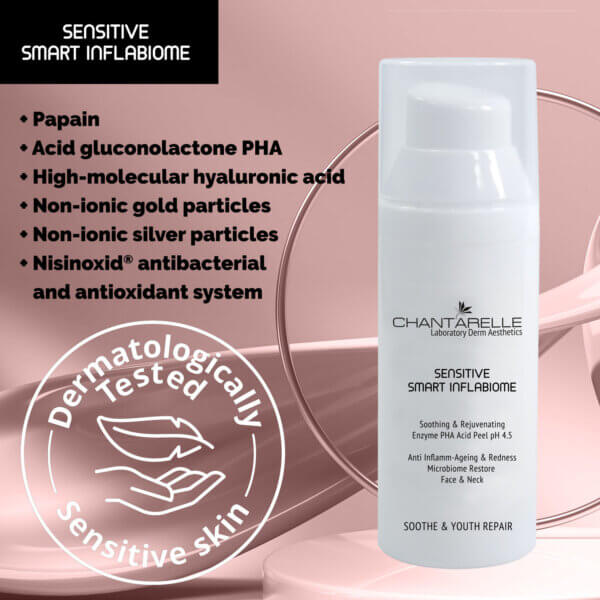
Sensitive Smart Inflabiome
Enzymatic peeling for sensitive skin with gluconolactone, rejuvenating and soothing pH 4.5
32,00 £
Add to basket
Special Aesthetics
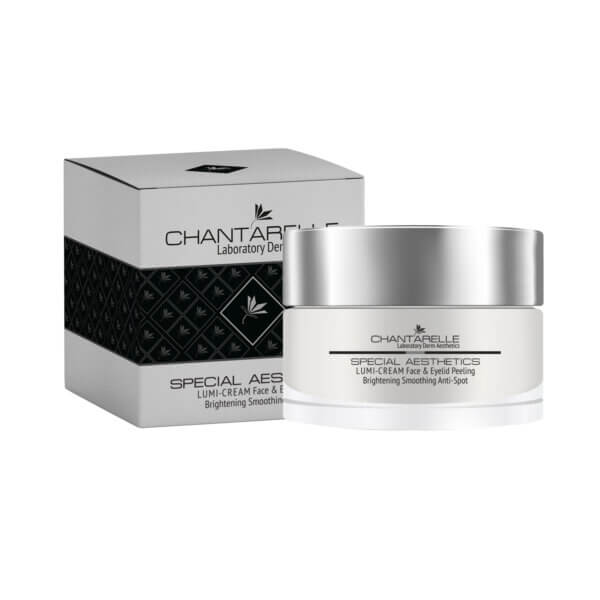
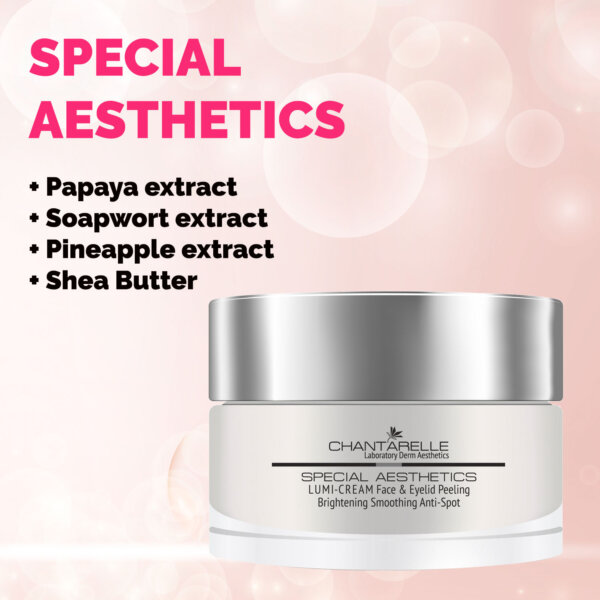
Special Aesthetics
Enzymatic peeling LUMI-KREM for the face, under-eye and eyelids
31,00 £
Add to basket
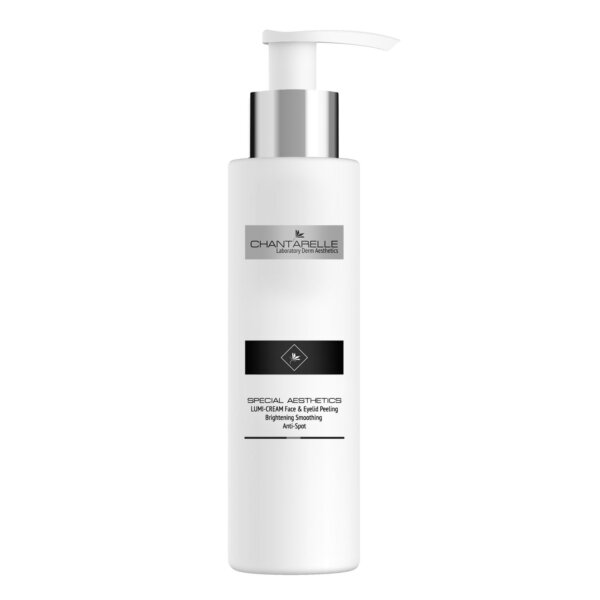
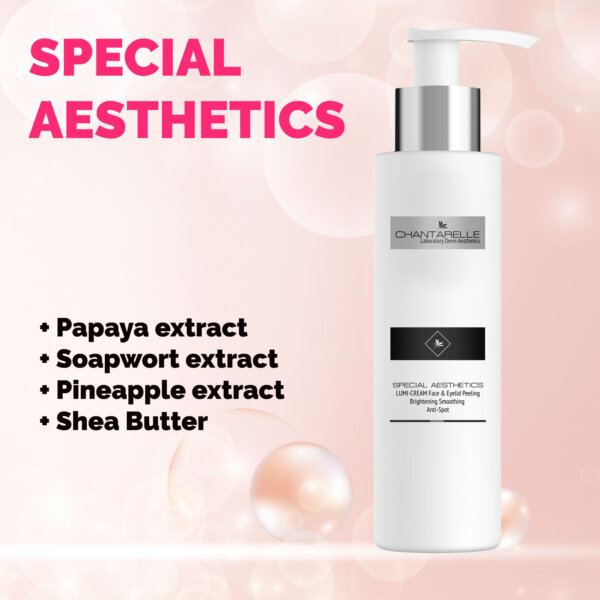
Special Aesthetics
Enzymatic peeling LUMI-KREM for the face, under-eye and eyelids