Try our novelties and bestsellers!»




-
×
 Exo Boost Exo Boost Exo Boost Exo Boost Day Lifting Cream SPF20 UVA/UVB - Exo Boost Exosome Stimulator
1 × 79,00 £
Exo Boost Exo Boost Exo Boost Exo Boost Day Lifting Cream SPF20 UVA/UVB - Exo Boost Exosome Stimulator
1 × 79,00 £ -
×
 Anti-cellulite concentrate, smoothing and anti-fat accumulation
1 × 46,00 £
Anti-cellulite concentrate, smoothing and anti-fat accumulation
1 × 46,00 £ -
×
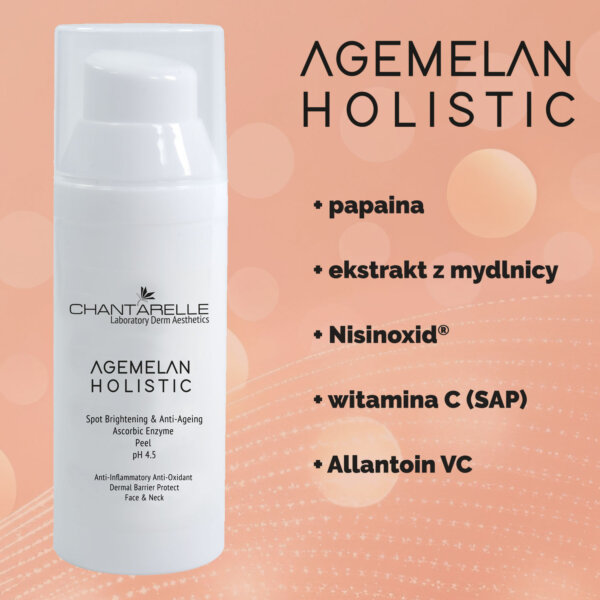
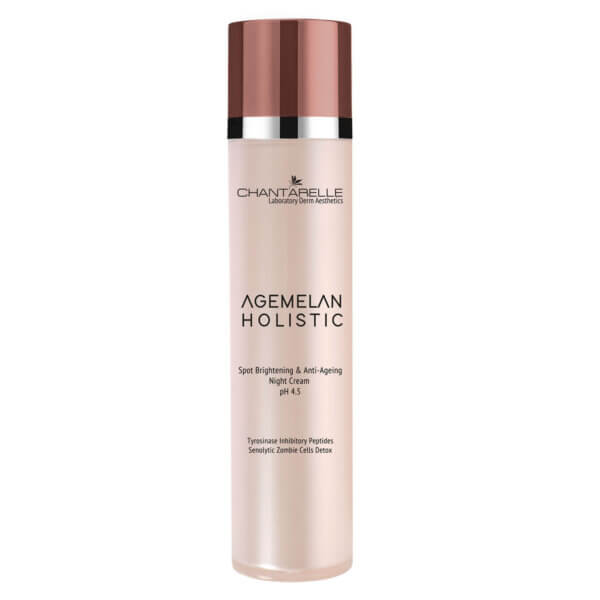 Night cream pH 4.5 to lighten and rejuvenate blemishes
1 × 55,00 £
Night cream pH 4.5 to lighten and rejuvenate blemishes
1 × 55,00 £ -
×
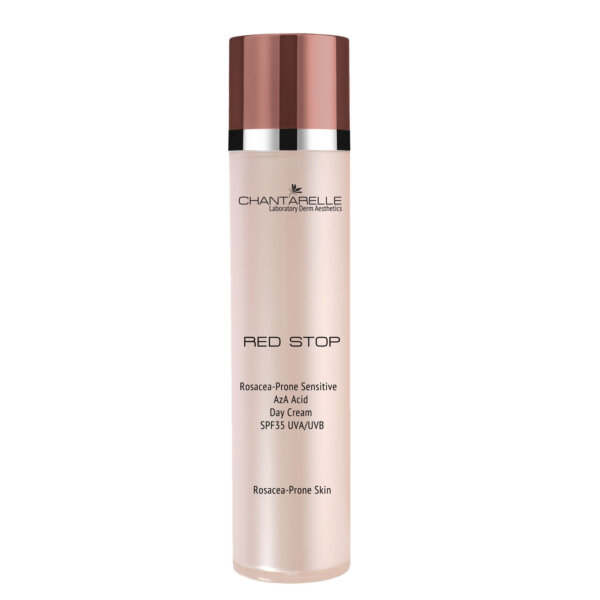 Day cream for sensitive skin with symptoms of rosacea SPF35 UVA/UVB
1 × 42,00 £
Day cream for sensitive skin with symptoms of rosacea SPF35 UVA/UVB
1 × 42,00 £ -
×
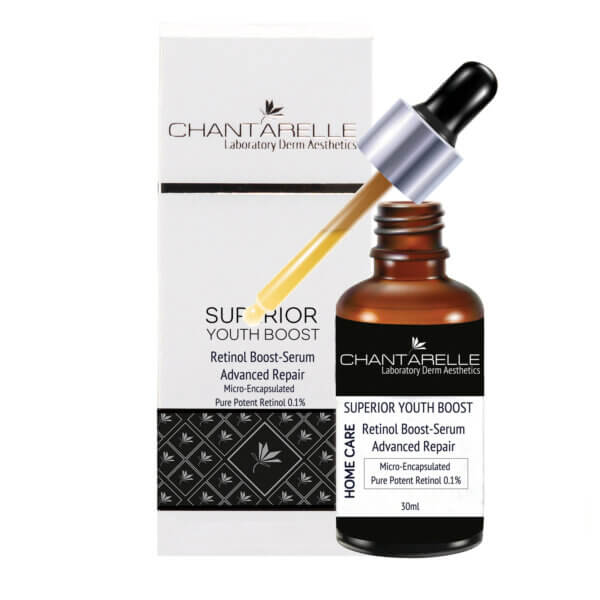 Boost Serum with microencapsulated pure retinol 0.1%
1 × 55,00 £
Boost Serum with microencapsulated pure retinol 0.1%
1 × 55,00 £ -
×
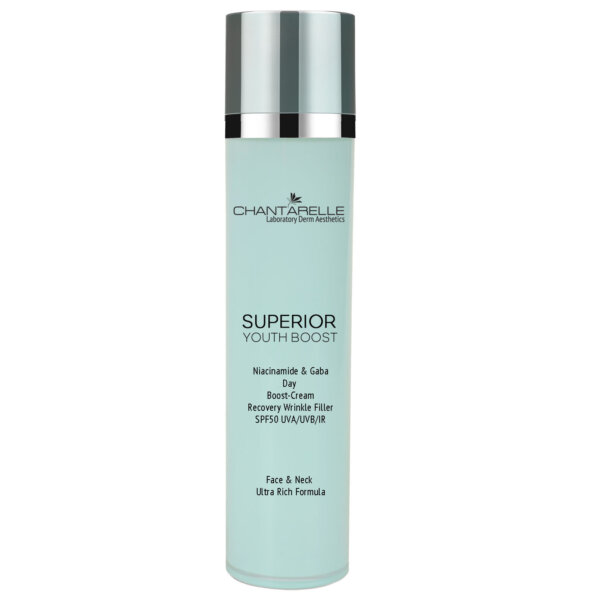 Boost Day Cream SPF50 UVA/UVB/IR/HEV with niacinamide and GABA acid
1 × 55,00 £
Boost Day Cream SPF50 UVA/UVB/IR/HEV with niacinamide and GABA acid
1 × 55,00 £ -
×
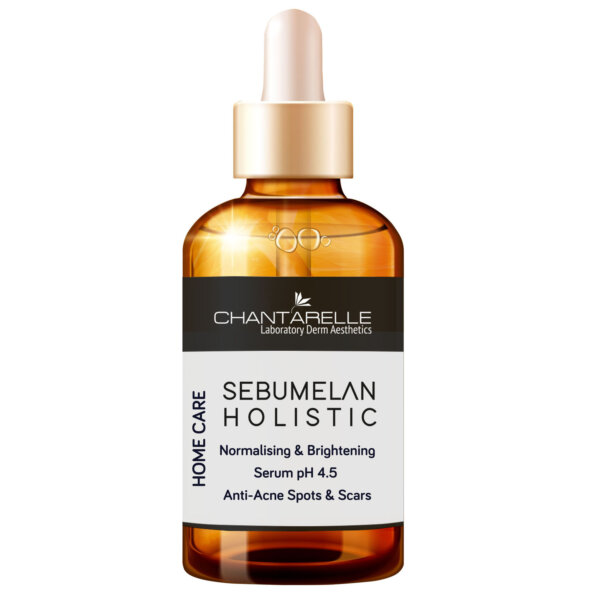 Serum pH 4.5 for acne blemishes and scars
1 × 55,00 £
Serum pH 4.5 for acne blemishes and scars
1 × 55,00 £ -
×
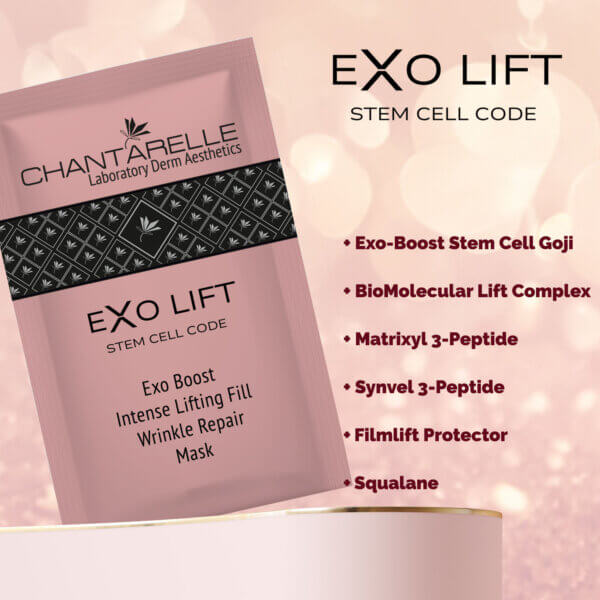
 Lifting mask - Exo Boost exosome stimulator
1 × 5,50 £
Lifting mask - Exo Boost exosome stimulator
1 × 5,50 £



Aesthetic cosmetology, Dermatology
Dry skin vs. dehydrated skin – what should you know about them?
26
May
May
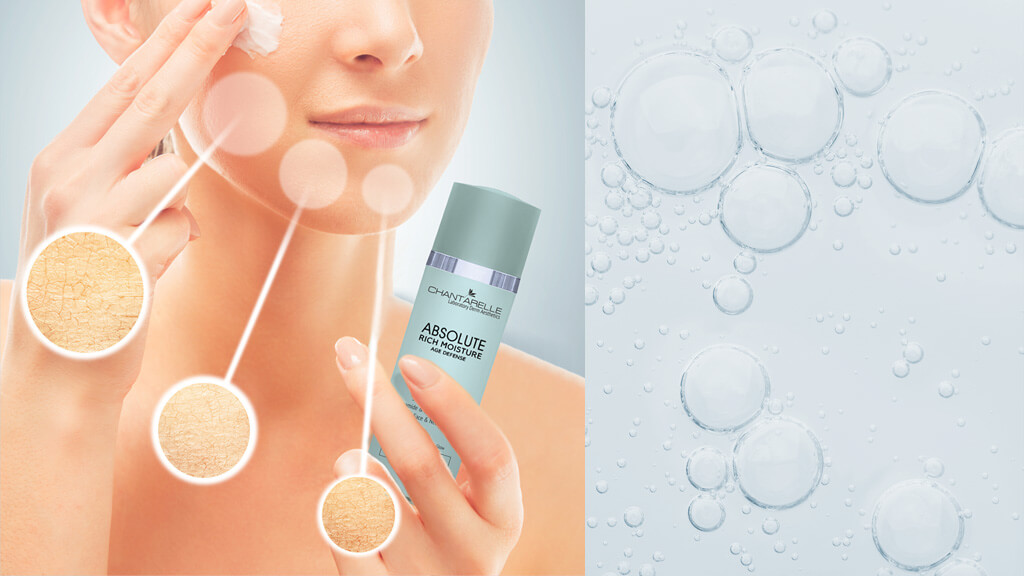
Dry skin and dehydrated skin are two completely different types of skin from a physiological point of view, but both types share the concept of ‘water’. Water is the main medium and, in many cases, an obligatory participant in the numerous chemical reactions and physical processes taking place in the skin.
Water is contained in all layers of the skin, especially in the living layers of the epidermis. The amount of water in the living layers is about 80%, in the stratum corneum about 10-15%. Water nourishes the cells, supports the elimination of toxins and digestive processes, maintains an appropriate body temperature, supports brain function and is responsible for the condition and function of the skin. It moisturises it from the inside, delays ageing and forms a barrier against harmful external factors such as UV radiation, air conditioning, detergents, etc.
Dry skin = dry stratum corneum
Dry skin is defined as skin whose main clinical signs are roughness, flaking and astringency. Such skin is prone to irritation and is often covered with small superficial wrinkles. The main diagnostic criteria are a decrease in stratum corneum hydration (assessed corneometrically) and an increase in transepidermal water evaporation rate (TEWL) measured by tewammetry.
Dehydrated skin = skin with low turgor
The main clinical sign of dehydrated skin is poor turgor, which is the tightening of the cell wall as a result of hydrostatic pressure acting on it. The skin looks saggy and wrinkles are deepened. Dehydrated skin often takes on a yellowish hue due to microcirculation problems and a thinner dermis. Fibrosis, accumulation of harmful glycation products, reduced levels of glycosaminoglycans in the extracellular matrix – all of these can lead to a decrease in water levels in the dermis. Structural changes, which mainly occur in the dermal layer, are investigated by functional analysis methods such as cutometry (determination of skin elasticity), ballistometry (determination of viscoelastic properties), reviscometry (orientation of collagen fibres), Tivi – polarisation spectroscopy method (assessment of microcirculation), ultrasonography (study of structural changes in skin tissue).
Distribution of water in the living layers of the skin
What is the process of water flow in the skin? Water penetrates into the upper layers of the skin according to the law of perfusion. At the same time, free amino acids formed during the destruction of the protein filaggrin maintain a high osmotic pressure in the corneocytes, resulting in an influx of water. In the deep layers of the epidermis, aquaporins are involved in this process. Aquaporins are membrane proteins that form through pores on the cell surface through which water flows.
Principles of cosmetic moisturisation
In dry skin and in dehydrated skin, completely different skin structures are the problem. Consequently, the approach to cosmetic therapies should be different. By reducing dry skin, we restore the supporting structures of the corneocytes and normalise the water balance in the stratum corneum. With dehydrated skin, we stimulate the dermis – fibroblasts, glycosaminoglycans, aquaporins. Both skin types therefore require, first of all, a proper diagnosis and then the selection of appropriate treatment methods.
 dr Khrystyna Shekhovtsova
Chantarelle expert, dermatologist and aesthetic physician
Literature:
- Bak H.,Hong S.P., Jeong S.K., Choi E.H., Lee S.E., Ahn S.K. Altered epidermal lipid layers induced by long-trm exposure to suberythermal-dose ultraviolet. Int J Dermatol. 2011 50(7)
- Barrel A., Paye M., Maibach H.I (eds.) Handbook of Cosmetic Science and Technology. Marcel Dekker AG., Basel., 2005
- Groen D., Poole D.S Gooris G.S., Bouwstra J.A.. Investigating the barrier function of skin lipid models with varying compositions. Eur J Pharm Biopharm/ 2011 May 30
- Egawa M .,Yanai M., Mac S., sainnthillier J.M., Humbert P. Cutaneoous differences between Black African or Caribbean Mixed-race and Caucasian women: biometrological approach of the hydrolipidic film. Skin Res Technol
New
New
New
New
New

For professionals only
New

New