Try our novelties and bestsellers!»




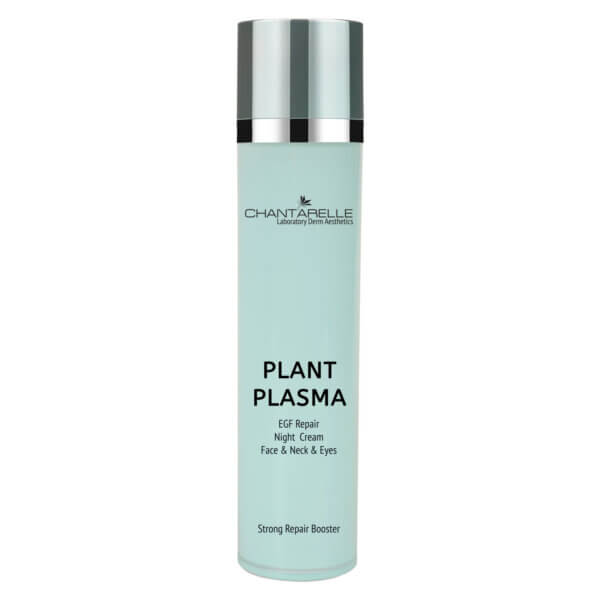 Biostimulating Night Cream with EGF for Microbiome Balance

Active ingredients in cosmetics, Aesthetic cosmetology
Equibiome™ for the balance of the skin microbiome
Sep
There is a widespread view that proper hygiene requires absolute control of bacteria and other pathogens. The reality, however, is more complex because the bacteria that live in and on our bodies make up around 3% of the body’s mass. At least one million bacteria can be found on every square centimetre of human skin (Malinowska et al 2017).
The microbiome (microbiota) is the totality of microorganisms cohabiting in a given environment. The microbiome of healthy human skin is a complex collection of different microorganisms that live in equilibrium with skin cells and components and in mutual equilibrium with each other (Brandwein et al. 2016).
Protecting the skin microbiome
Disturbances in the composition of the microbiome resulting, for example, in the dominance of one species of microorganisms can lead to skin diseases. If we want to maintain healthy skin, we should take care to balance the skin microbiome. Symbiotic strains of micro-organisms should be promoted and pathogenic strains, such as S. aureus, should be inhibited.

Equibiome™ reduces the growth of S aureus (source: test results from active ingredient manufacturer)
This task requires choosing the right cosmetic preparations so as not to harm the balance of the microbiome and to keep the skin in good condition. Science often reaches out to natural medicine and finds excellent solutions. One such example is the use of burdock (Arctium lappa) to counteract skin diseases. The extract of this plant in traditional medicine was known for its strong antibacterial, fungicidal and anti-inflammatory effects. Modern science confirms and explains burdock’s mode of action, which is linked to the abundance of active substances found in this plant. The main active constituents of burdock are polyphenols with antioxidant activity (Skowronska et al. 2021).
Equibiome™ based on burdock root extract
Drawing on a long tradition of natural medicine and the latest scientific knowledge, the cosmetic ingredient Equibiome™ was created, which is an extract from the roots of the greater burdock from aeroponic culture. This culture is carried out without the plant coming into contact with the soil, which enables the plant metabolites to be extracted efficiently and safely. In both clinical and in vitro studies, Equibiome™ has been shown to maintain the diversity of the skin microbiome, while increasing the integrity of the epidermis. Its long-term effect is to increase immunity and increase skin hydration.
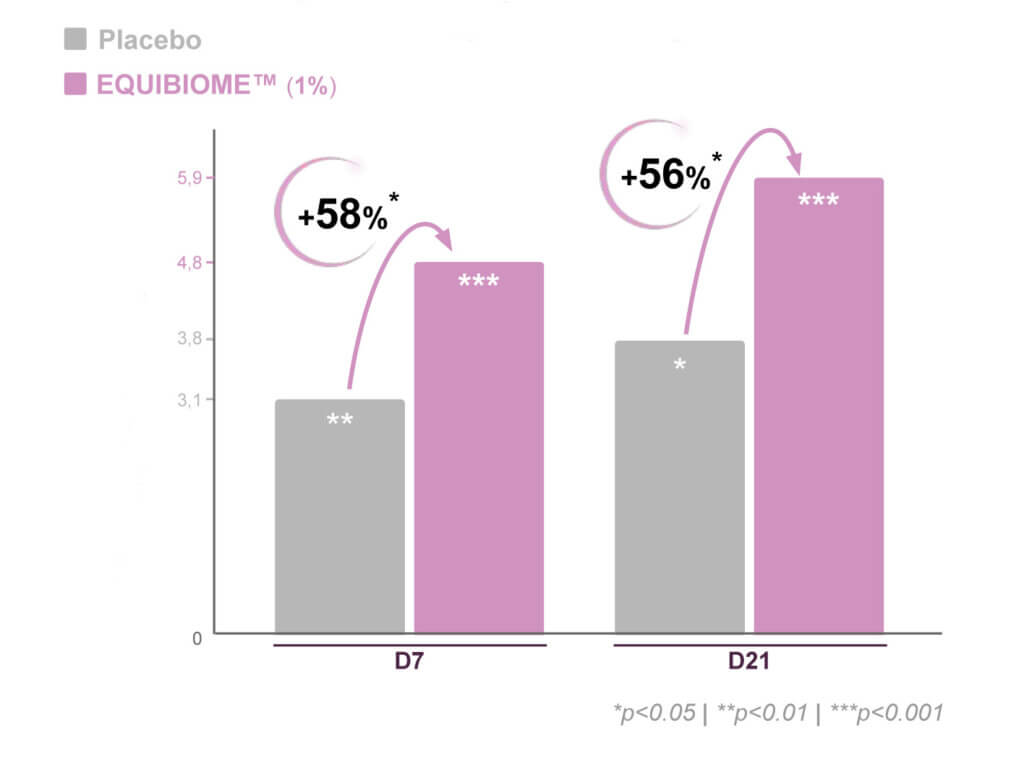
Increase in skin hydration when using Equibiome™ on day 7 and 21 compared to placebo (source: active ingredient manufacturer test results)
For maintaining the balance of the skin microbiome, the ability to maintain bacterial strains that are beneficial to the skin is crucial. This is due to its ability to reduce levels of pro-inflammatory cytokines. And this counteracts the development of inflammation and can lead to disruption of the skin’s barrier function. Studies have observed long-term beneficial effects of Equibiome™ such as a more than 50% increase in hydration and a reduction in redness and irritation. Equibiome™ reduces sebocyte activity by nearly 80% while conventional greater burdock extract at the same concentration results in a 48% reduction. This is in line with previous research results because sebocytes not only synthesise lipids, but also pro-inflammatory cytokines.
Plant Plasma’s microbiome protection line
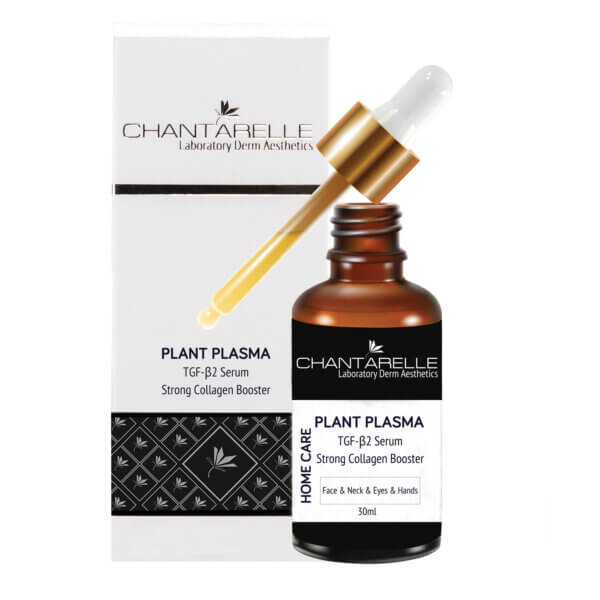
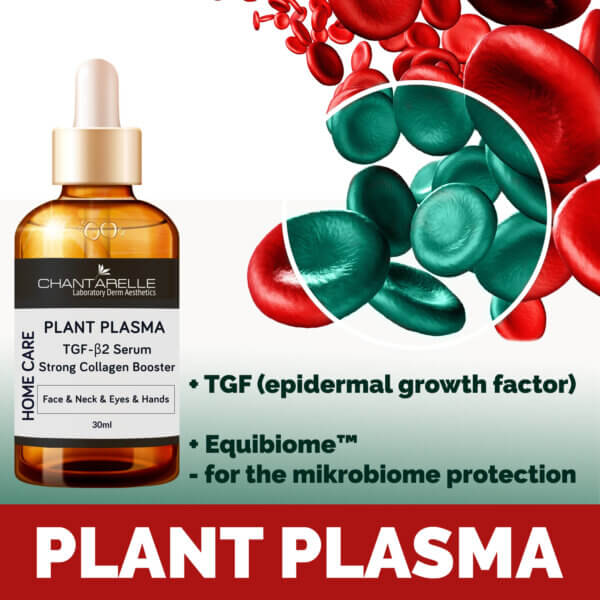
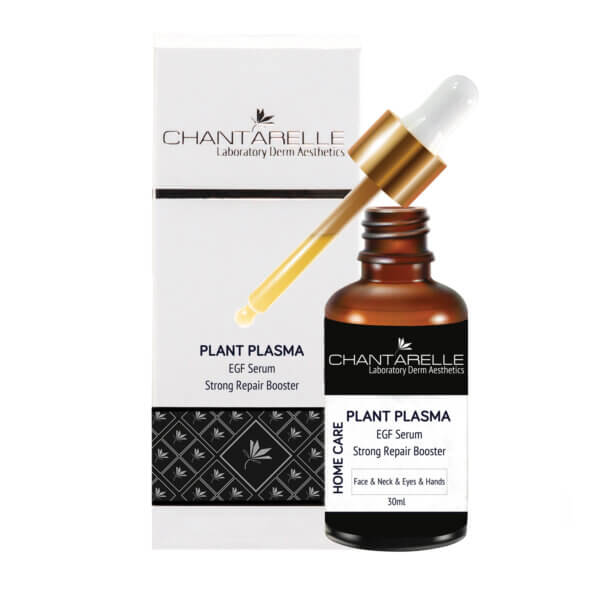
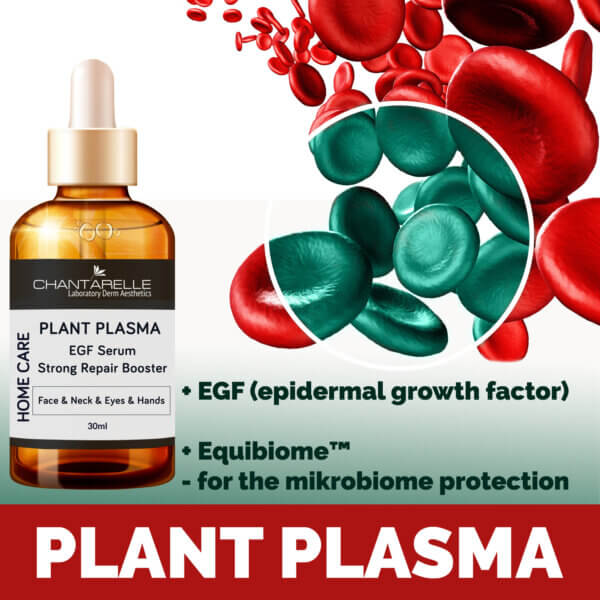
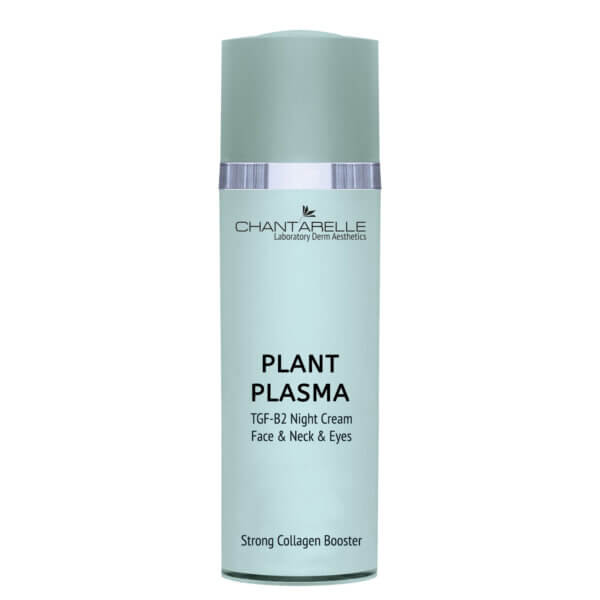
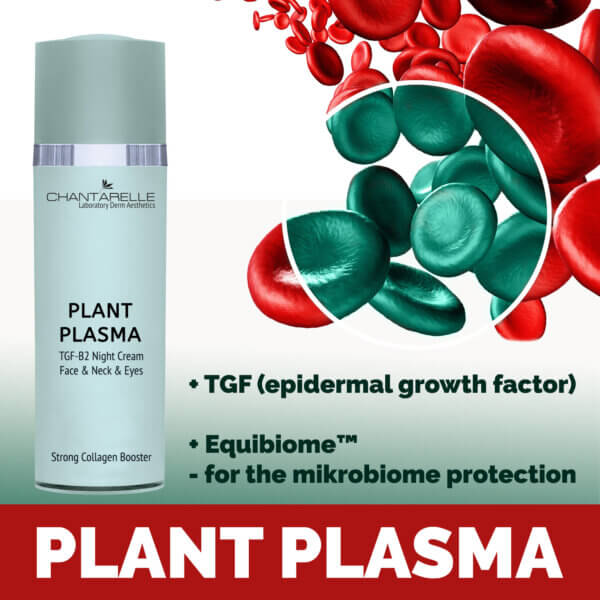
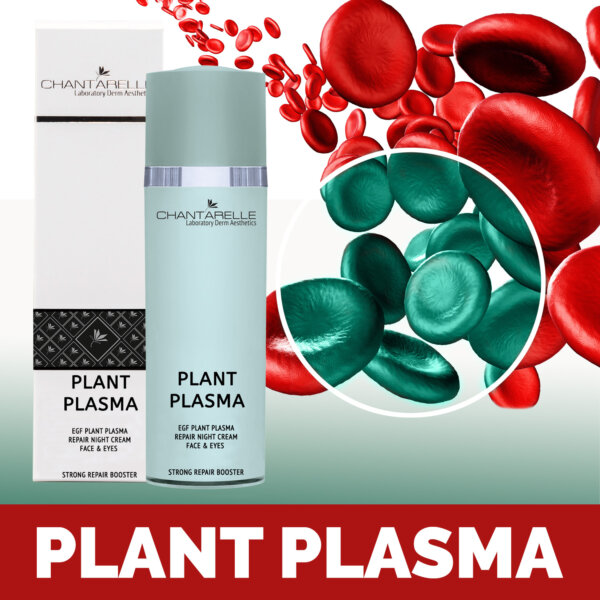
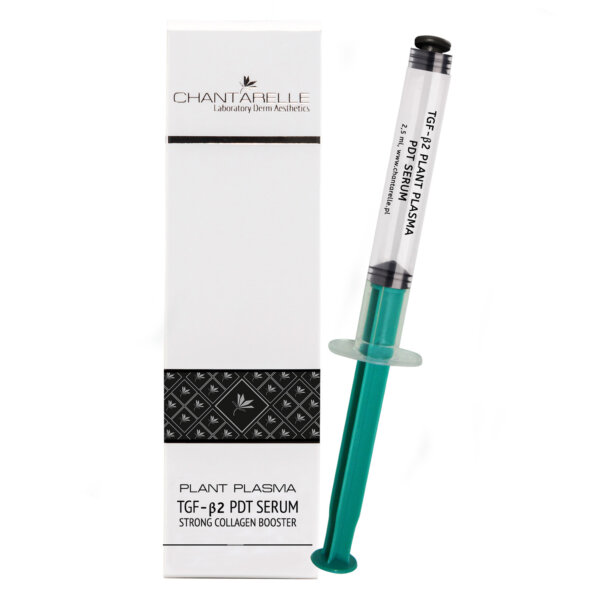
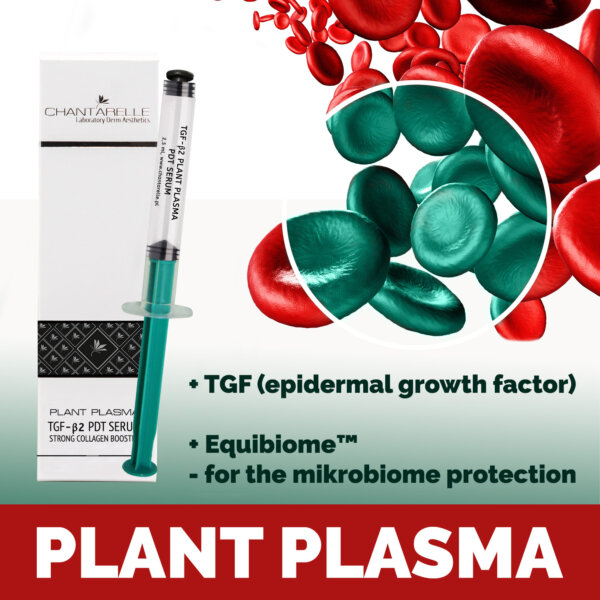
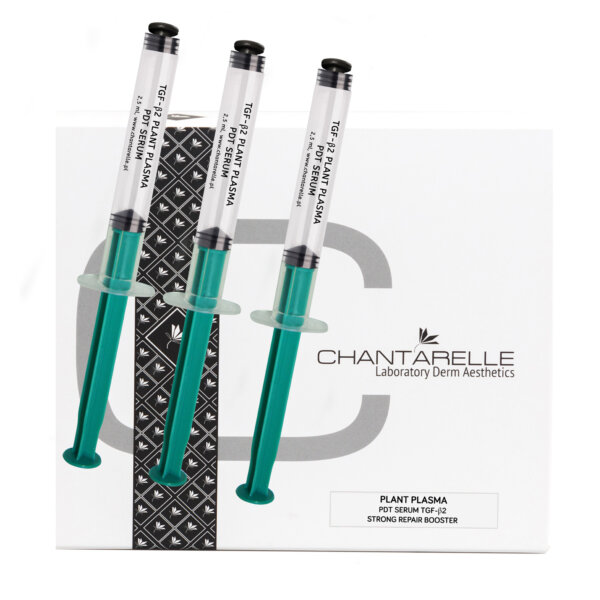
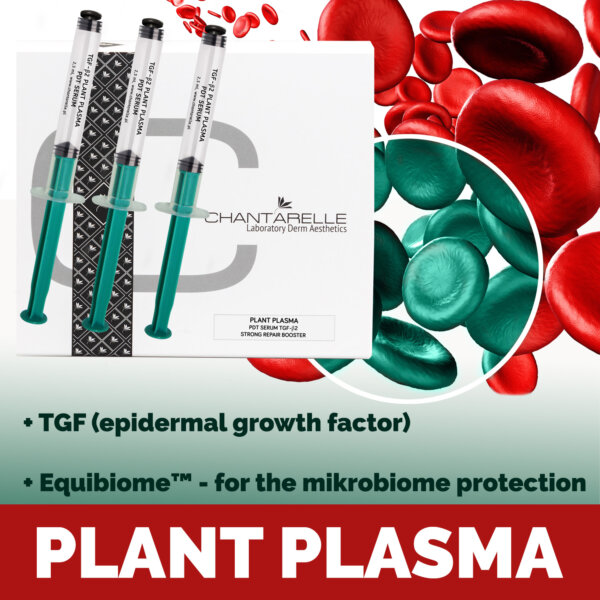
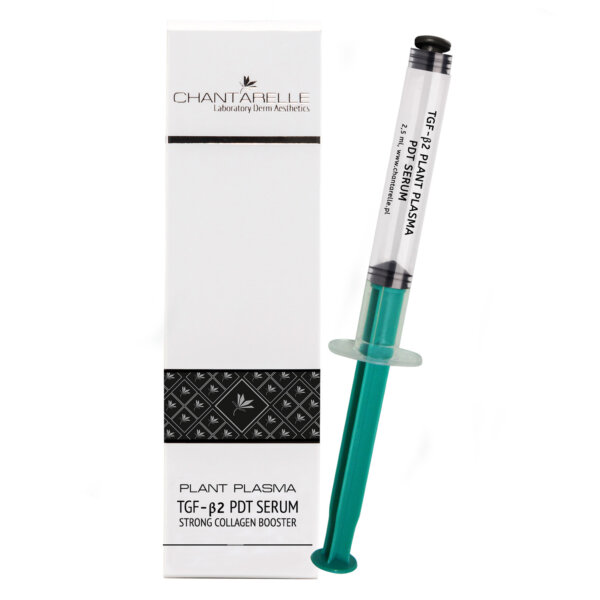
Not only the mysterious medicine of the Orient is the way to healthy skin. Also Polish meadows rich in valuable plants such as burdock. With Equibiome™, we effectively protect the skin microbiome, and provide the skin with excellent hydration and strengthen its integrity. This ingredient is used in the Plant Plasma – treatment, an innovative line with growth factors that naturally stimulate the skin to renew itself. Plant Plasma is an intensive anti-ageing and revitalising dermo-cure. It improves the main skin parameters: density, tone, hydration, as well as smoothing wrinkles and protecting the skin microbiome.
 Dr Marcin Wasylewski
Chantarelle expert, biotechnologist and university lecturer
Literature:
- Brandwein, M., Steinberg, D., & Meshner, S. (2016). Microbial biofilms and the human skin microbiome. NPJ biofilms and microbiomes, 2(1), 1-6.
- Malinowska, M., Tokarz-Deptula, B., & Deptula, W. (2017). The human microbiome. Proceedings of Microbiology, 56(1).
- Skowronska, W., Border, S., Dziedzic, M., Kurkowiak, J., Ziaja, M., & Bazylko, A. (2021). Arctium lappa and Arctium tomentosum. Sources of Arctii radix: Comparison of Anti-Lipoxygenase and Antioxidant Activity as well as the Chemical Composition of Extracts from Aerial Parts and from Roots. Plants, 10(1), 78.
Chantarelle Cosmetics with Equibiome™