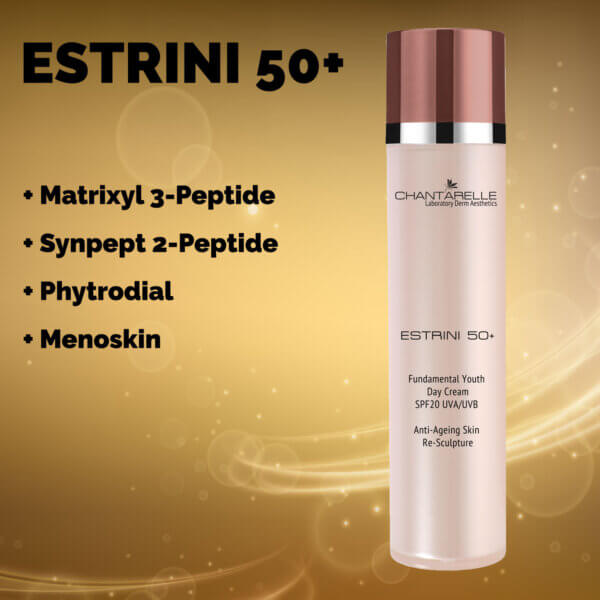
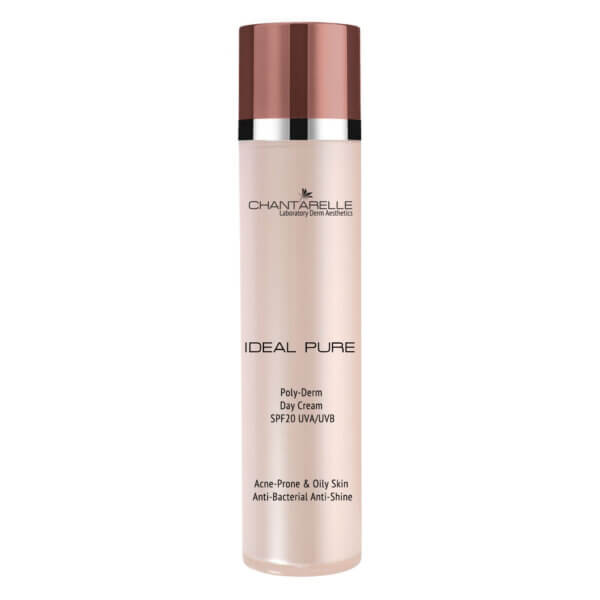
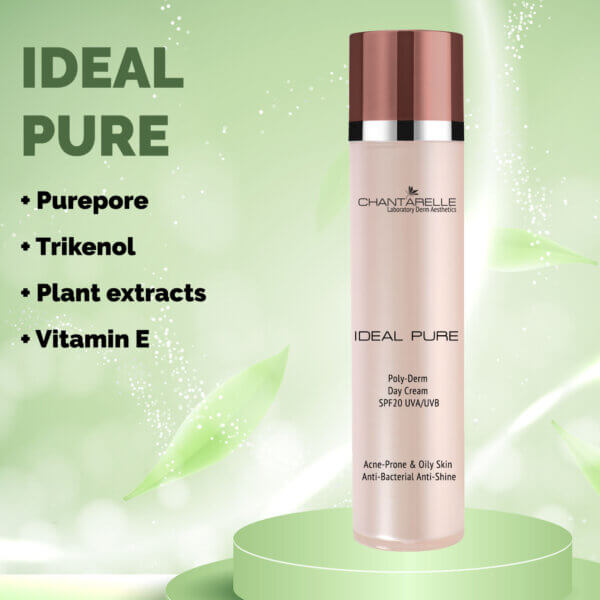
Try our novelties and bestsellers!»




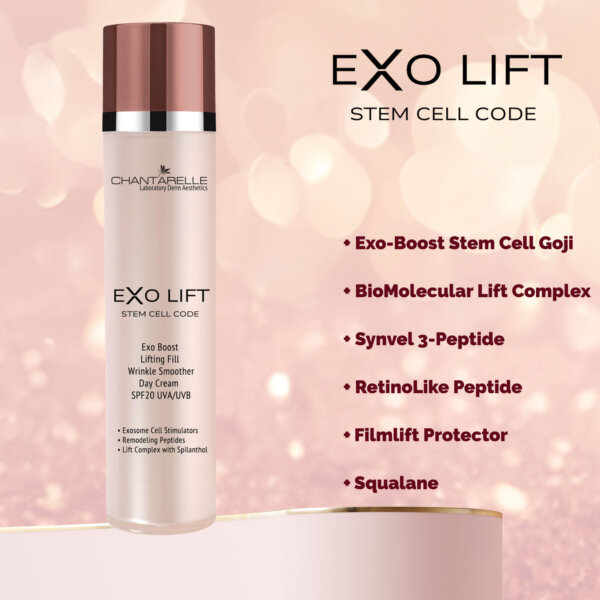
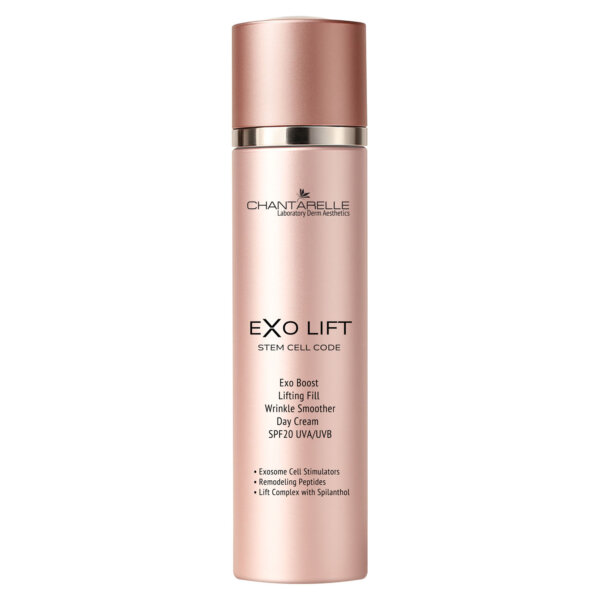 Lifting Fill Wrinkle Smoother Day Cream SPF20 with Exosomes

Skin care at home, Dermatology
FILTER the sun, but don’t flirt with the sun

Jul
Whether we spend the summer at the beach or work all summer in the office – our skin during this period is particularly exposed to harmful environmental factors such as sunlight and high temperatures.
- What are the differences between UVA, UVB and the less frequently mentioned UVC radiation?
- Why is it important to protect ourselves from excessive sun and what is photo-ageing?
- How can we ensure proper protection and which preparations will effectively defend us against the harmful effects of radiation?
It will always be the task of cosmetologists and dermatologists to educate clients and patients on the principles of safe sunbathing. Knowledge of the harm and dangers of UV radiation is still not widespread, and tanned skin is still associated with healthy skin….
Solar radiation
Solar radiation is a beam of electromagnetic waves of different lengths. They reach the Earth:
- IR infrared radiation (770-1500nm),
- visible (400-770nm),
- ultraviolet UV (200-400nm),
More than half of the radiation is IR, which penetrates deep into the skin – down to the subcutaneous tissue and can cause sunstroke. UV ultraviolet radiation, on the other hand, accounts for only a few per cent of the radiation reaching the Earth and we divide it into:
- UVA (320-400nm) – accounts for about 95% of UV radiation
- UVB (290-320nm)-only about 5% of UV radiation
- UVC (200-290nm)
UVA radiation
UVA, with its longest wavelength, penetrates deepest into the dermis and has a negative effect on collagen and elastic fibres. It contributes to the formation of free radicals, which contribute to photo-ageing, wrinkle formation and damage skin elasticity. UVA radiation is also responsible for an impermanent first tan. Caution – it penetrates through clouds, window and car glass. Its intensity is constant, the same whatever the weather, time of day or year.
UVB radiation
UVB has a shorter wavelength and only penetrates the epidermis. However, it destroys the cells of the reproductive layer of the epidermis, which can cause cancerous changes. This type of radiation influences the occurrence of redness, erythema and burning of the skin. It also stimulates the process of melanogenesis and gives a proper tan, which lasts up to several months. It activates the skin’s natural defence mechanism – the thickening of the stratum corneum. UVB does not penetrate through window glass and is strongest in summer between 11 a.m. and 3 p.m. This type of radiation enables the synthesis of vitamin D.
UVC radiation
It has the shortest wavelength and is completely absorbed by the ozone layer in the atmosphere, i.e. it should hardly reach the Earth. However, it probably does get through the so-called “ozone hole” and can affect the state of our skin. It is then entirely absorbed by the stratum corneum. This radiation has a strong erythematogenic and bactericidal effect. It is used, among other things, in lamps for disinfecting rooms.
Harmful effects of UV
The human body absorbs almost 75% of the sun’s radiation and reflects only 25%. The ageing of the skin as a result of UV radiation is called photo-ageing. It is caused by free radicals, which damage the skin and lead to a reduction in firmness and tone. Frequent sunbathing for too long, staying in the sun without sun protection or visits to a solarium are all causes:
- pigmented lesions such as freckles, lentigines and other hyperpigmentation,
- wrinkles and wrinkles.
- wrinkles and furrows,
- dilated blood vessels
- dilated capillaries and vascular erythema,
- loss of elasticity and elasticity,
- lack of elasticity.
- loss of elasticity and firmness,
- roughness, dryness and flakiness of the skin,
- appearance of neoplastic lesions, such as melanoma,
Free radicals
Free radicals are highly reactive particles that have one or more damaged atoms and attack the body, damaging its structures. For example, they can destroy elastin in the elastic fibres of the skin or DNA in the cells of the body, which can become the cause of cancer. Small amounts of free radicals arise naturally in the human body and are necessary for its physiological balance. The body can also easily cope with small numbers of them thanks to its specific repair mechanisms. However, when the body’s cells are attacked by too many free radicals, so much damage is done that the body cannot quickly repair it on its own. In order to prevent the negative effects of these reactive particles on the skin, chemical compounds called antioxidants or antioxidants are used in cosmetic preparations, which can provide protection against free radicals.
Photosensitising ingredients
Certain ingredients in medicines, cosmetics and especially perfumes can make the skin more sensitive to ultraviolet rays. Redness, burning or swelling then appears. Often photosensitising substances are extracts from certain plants, e.g. St. John’s wort, angelica, dill, or essential oils, e.g. bergamot. Above all, the use of perfumes and perfumed waters should be avoided before going to the beach.
Tan
A tan is the skin’s natural protection against UV burns. The epidermis contains pigment cells, called melanocytes, which produce melanin. When exposed to UV radiation, melanin is synthesised during melanogenesis and melanocytes move from the basal layer to the epidermal surface. Melanin absorbs the rays and does not allow them to penetrate deep into the skin, similarly, the thickened stratum corneum provides a barrier to UV penetration. First an immediate tan appears on the skin, produced mainly by the action of UVA wavelengths, followed, after about 48-72 hours, by a permanent tan through the action of UVB.
Phototypes
We can divide the skin into so-called phototypes according to its colouration and ability to defend itself against ultraviolet radiation
| Phototype | Race | Colour of skin, hair | Sun exposure | Response to sun | Time in the sun without risk of burning | Recommended SPF |
| I | cellular | very fair skin, often with freckles, light blonde or red hair | very fair skin, often with freckles, light blonde or red hair | no tan, very high tendency to burn | 5-10 min. | SPF 30 for the first days of sunbathing, SPF 25 for the following days |
| II | Caucasian, northern European | light skin and blonde hair | weak tan, high tendency to burn | 10-20 min. | SPF 25 for the first days of sunbathing, SPF 20 for subsequent days | |
| III | Caucasian, central European | Lightly swarthy skin and dark blonde hair | medium tan and medium tendency to burn | 20-30 min. | SPF 15 for the first days of sunbathing, SPF 10 for subsequent days | |
| IV | Caucasian, southern European | hairy skin and dark brown hair | dark tan and occasional burns | approx. 45 min. | SPF 10 for the first days of sunbathing, SPF 6 for subsequent days | |
| V | caucasian, dark | dark brown skin and dark brown or black hair | naturally dark skin and very rare burns | risk of burns is rare | – | |
| VI | negroid | naturally black skin, black or dark brown hair | naturally dark skin and virtually no risk of irritation | – |
Sunscreens
Cosmetics with sunscreens, which reflect or absorb the sun’s rays to prevent them from penetrating the dermis, are used to protect against the harmful effects of UV.
- Mineral (physical) filters – their particles are so large that they do not penetrate the epidermis, but form a screen on the skin’s surface to reflect and scatter radiation – but are less resistant to abrasion. They are particularly suitable for sensitive skin and are used in protective preparations for children. Mineral filters of nanoparticle size have also been developed, but are not often used in preparations as they are somewhat controversial.
- Chemical filters – absorb radiation and convert the dangerous energy of UV radiation into heat energy. They can heat up the skin and react with it – they are therefore not recommended for sensitive skin.
- Natural filters – are plant derivatives that, unfortunately, are not as effective as mineral or chemical filters – they should be applied in very high concentrations to give any protection. Sunscreen formulations should protect against both UVB and UVA radiation. The European Commission recommends that the UVA protection should be at least 1/3 of the UVB protection. Also added to protective cosmetics are antioxidants (antioxidants), which capture harmful, free radicals. These include vitamin E and C, β-carotene, flavonoids.
Sun Protection Factor (SPF)
Sun Protection Factor (SPF) is a term for the length of time a cream protects the skin from UV rays. An SPF of 15 allows a person to stay in the sun 15 times longer than without its use – before skin irritation occurs. If the skin phototype allows a person to spend 10 minutes in the sun before irritation occurs then with an SPF 15 cream it would be 15 x 10 minutes = 150 minutes (2.5h). However, you should also consider the intensity of the sun – time of day, time of year, geographical location and ‘reflective’ conditions such as sand and water – and choose your SPF slightly with ‘allowance’.
Safe in the sun
The sunscreen should be applied evenly and at least 30 minutes before going out in the sun, so that it can be well absorbed. Repeat the application every 2 hours or so, as sunscreens lose their properties over time through abrasion and dissolving due to perspiration or swimming in the sea. It is also important to remember that the amount of preparation is important (at least 2mg/cm² of skin), i.e. one teaspoon each for parts of the body such as the face, neck and arm, and one tablespoon for the chest, abdomen, back and leg. Special protection is especially important for nevi. Also remember to protect your head and ears, the area around the eyes and mouth from the sun. Avoid being in the sun on hot days between 11:00 and 15:00 in our latitude.
UVA/UVB protection
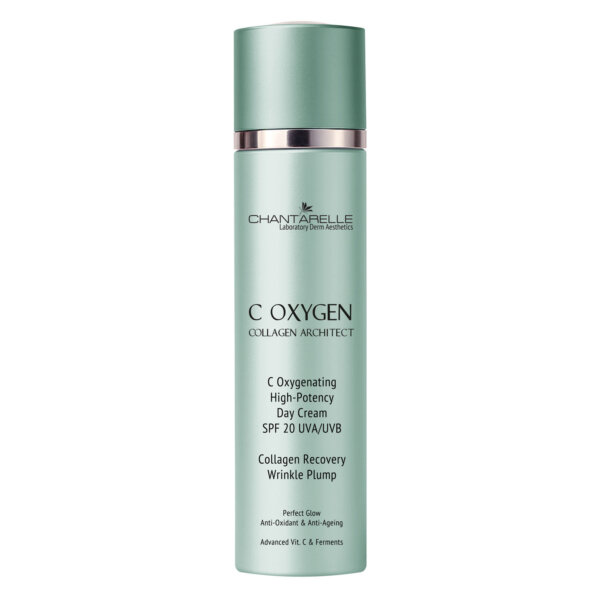
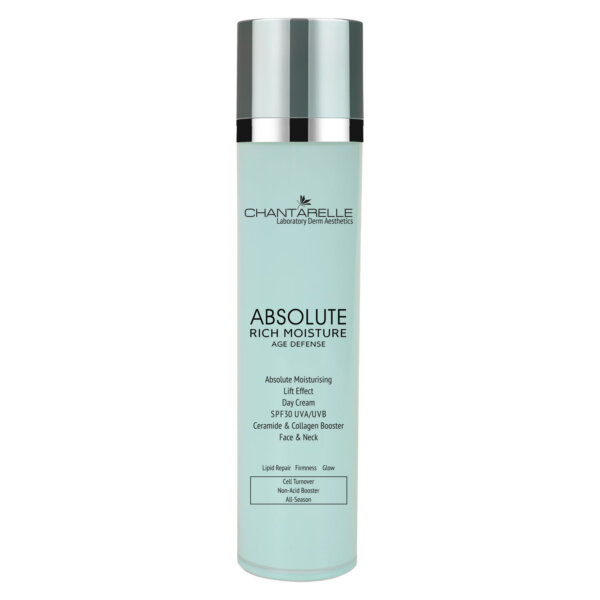
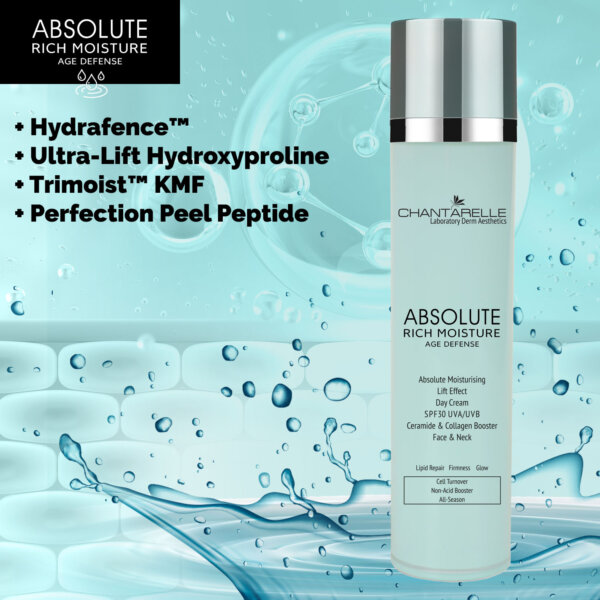
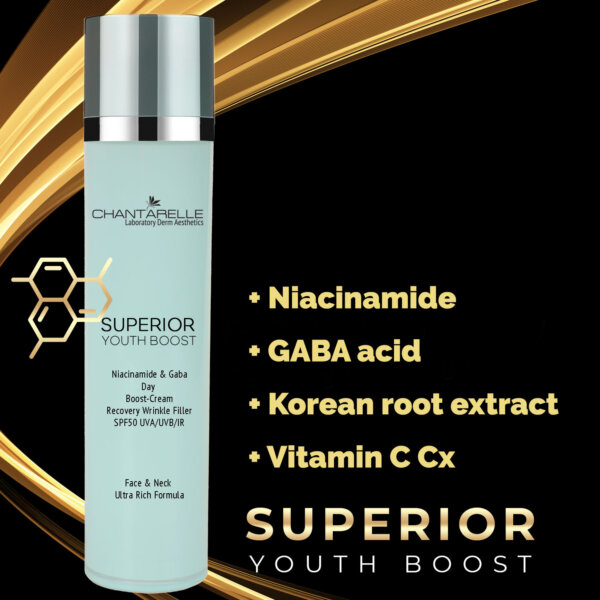
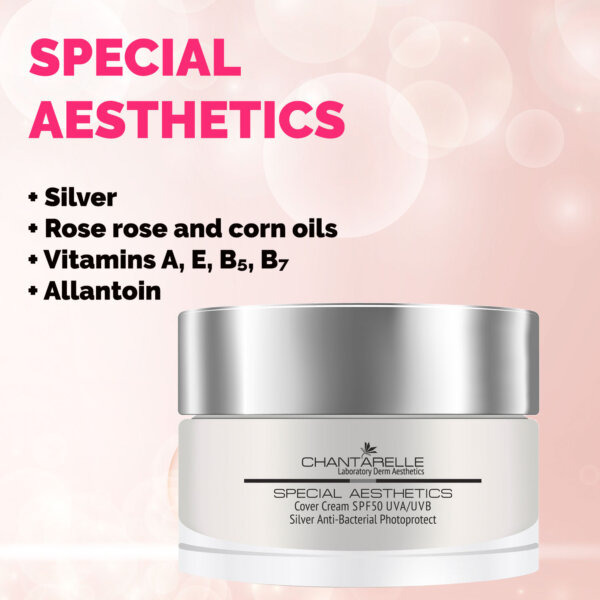
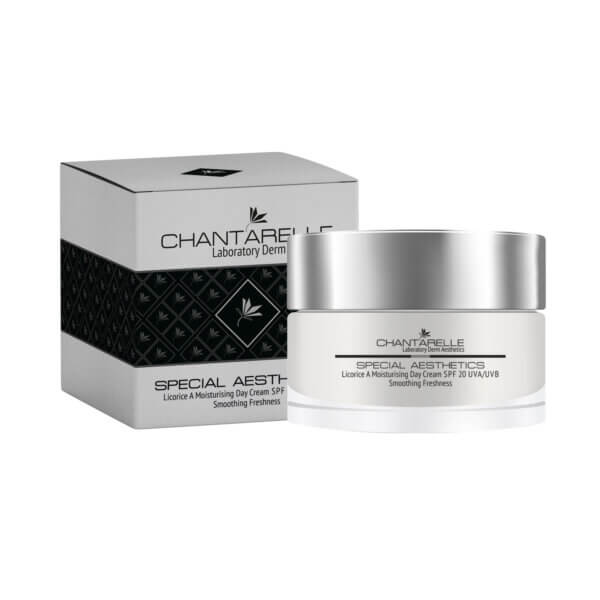
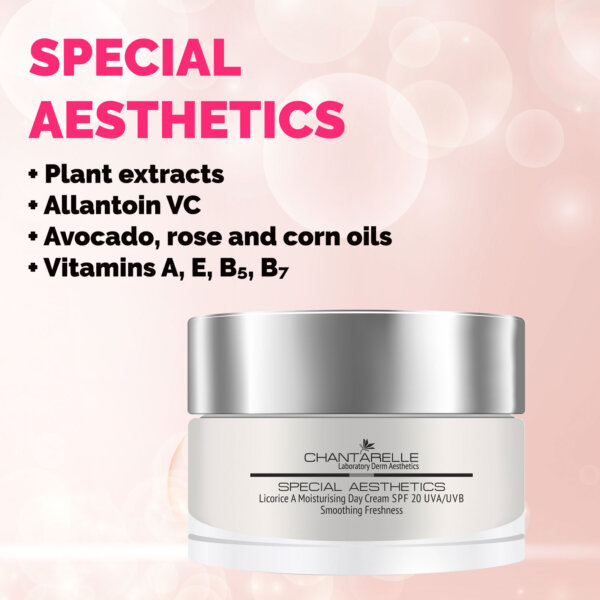
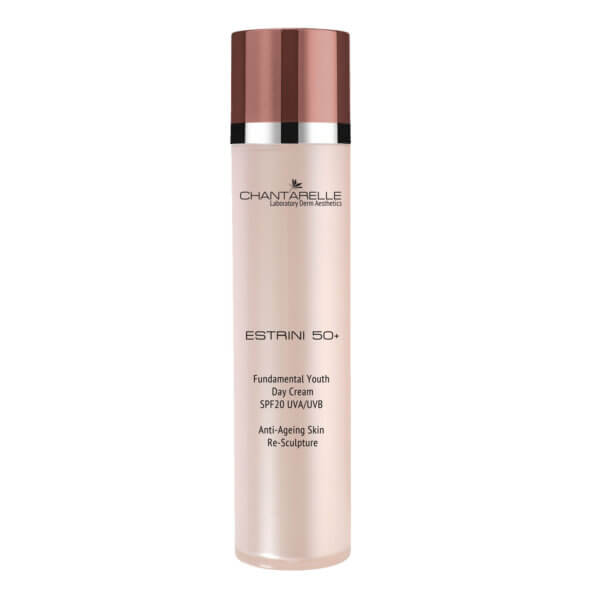
If you want to enjoy healthy, beautiful skin during and after your holidays, choose Chantarelle sunscreens, which are non-irritating, do not leave a white residue, but are extremely effective in protecting the skin from the adverse effects of UV radiation. Many of them also contain antioxidants that neutralise the action of free radicals, which further protects our skin. Day creams from all Chantarelle skincare lines contain high UVA/UVB filters with an SPF of 20-35.
Chantarelle cosmetics with UV filters