Try our novelties and bestsellers!»




-
×
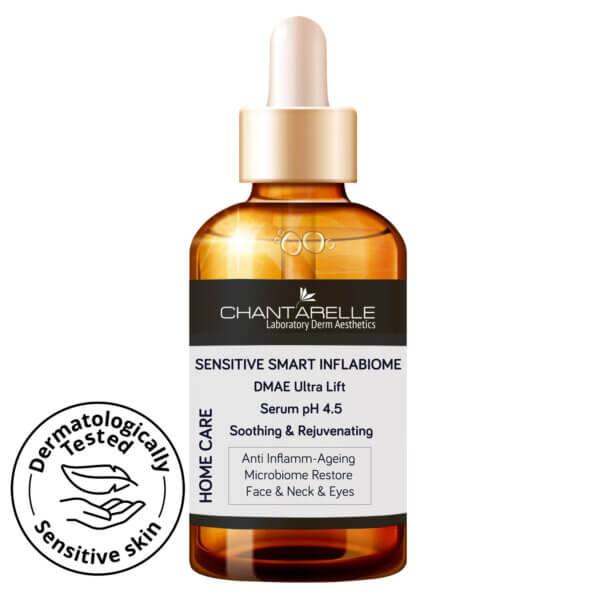 Lifting serum for sensitive skin, rejuvenating and soothing pH 4.5CD120730Linia: Sensitive Smart Inflabiome1 × £ 55,00
 -
×
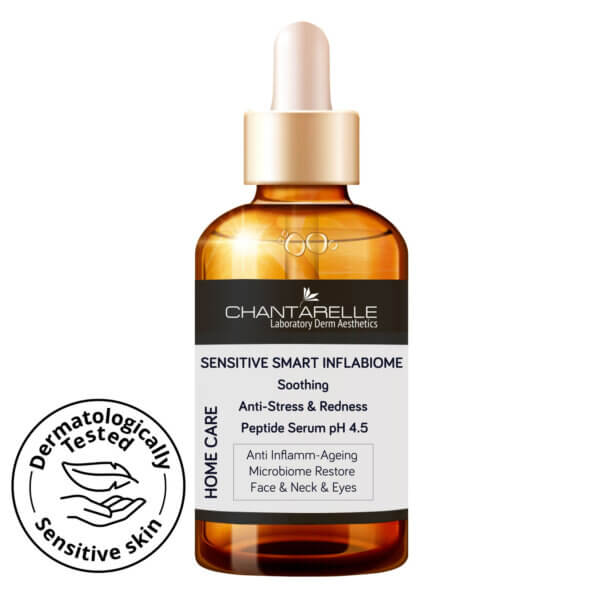 Anti-Stress Peptide Serum Sensitive SkinCD120630Linia: Sensitive Smart Inflabiome1 × £ 55,00
 -
×
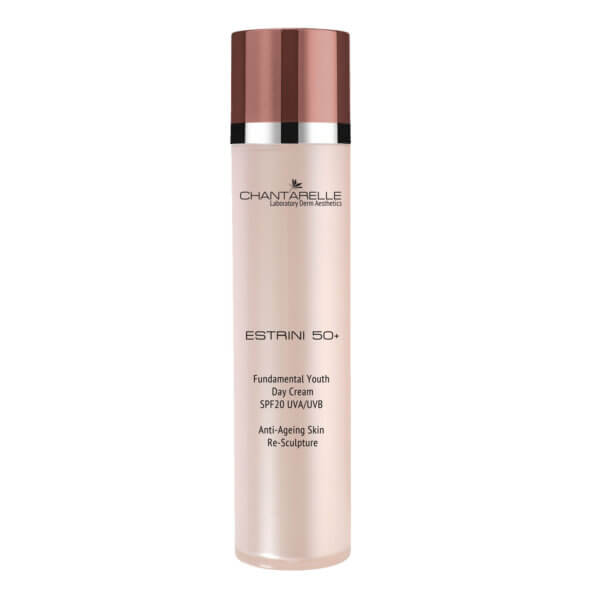 Rejuvenating Day Cream SPF20 with Phytoestrogens and Stimulating PeptidesCD1380Linia: Estrini1 × Original price was: £ 52,00.£ 48,50Current price is: £ 48,50.


Active ingredients in cosmetics
Gluconolactone – a natural antioxidant
24
Apr
Apr
Gluconolactone belongs to the group of polyhydroxy acids (PHAs) – substances having in their structure a carboxyl group and two or more hydroxyl groups at the aliphatic carbons. PHAs are similar in properties to α-hydroxy acids (AHAs), but also exhibit additional properties.
Natural antioxidant
Gluconolactone is formed by the oxidation of glucose and is an important metabolite. It is also an important nutrient in cell renewal and a natural antioxidant that effectively fights free radicals and enhances the skin’s defence and protective repair mechanisms (Tasic-Kostov et al. 2012a). It also acts as a chelator, i.e. it binds metal ions, and due to its antioxidant and chelating effects gluconolactone protects the skin from the effects of ultraviolet radiation, which is one of the primary factors in extrinsic ageing (Bernstein et al. 2004).
Gluconolactone is a moisturiser, helping to maintain the skin’s normal natural hydration balance (Tasic-Kostov et al. 2012b).
It increases the barrier function of the stratum corneum (Elias and Wakefield 2010) and accelerates cellular regeneration, regulates metabolism, reduces transepidermal water loss and skin sensitivity to irritation. These properties of gluconolactone have the effect of inhibiting skin ageing, improving skin texture, firmness and smoothness. The positive effects of gluconolactone are also manifested in the reduction of wrinkles, reduction of skin sagging and roughness, reduction of uneven pore structure and size (Bagatin and Guadanhim 2017).
Acid for sensitive skin
An important feature ofglyconolactone is that it is non-irritating and can be used on very sensitive skin and, moreover, strengthens the skin’s resistance to external irritants. It is recommended for allergy-prone skin, excessively dehydrated skin and skin with rosacea-like lesions, as well as acne vulgaris.
Gluconolactone is also recommended for use to accelerate epidermal regeneration after laser treatments.
Gluconolactone is the most widely used PHA in cosmetic products due to its properties and good availability. It is produced by traditional fermentation or by biotechnological methods (Satory et al. 1997, Miyamoto et al. 2000).
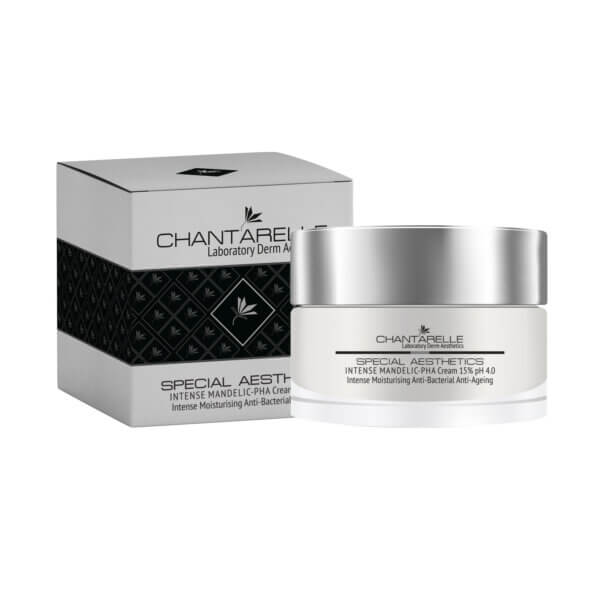
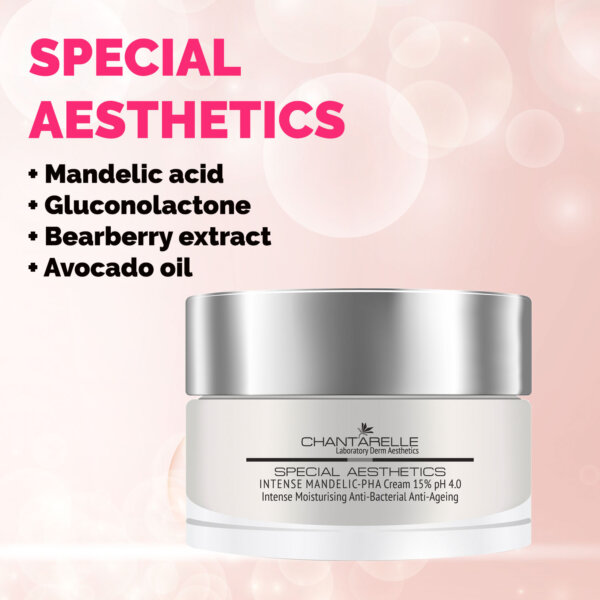
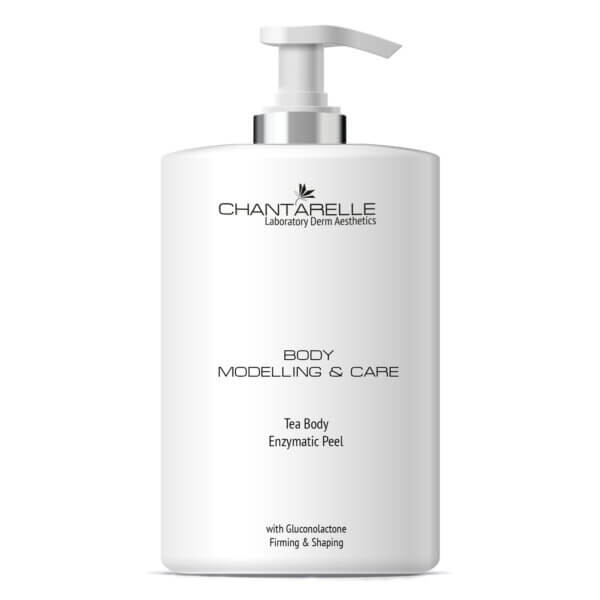
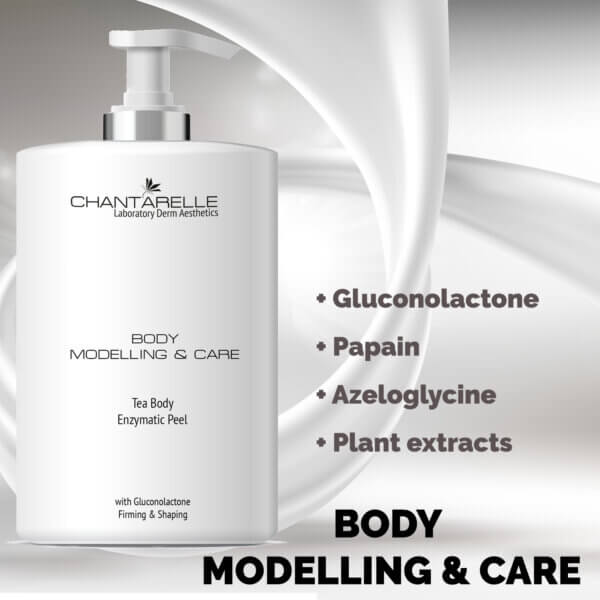
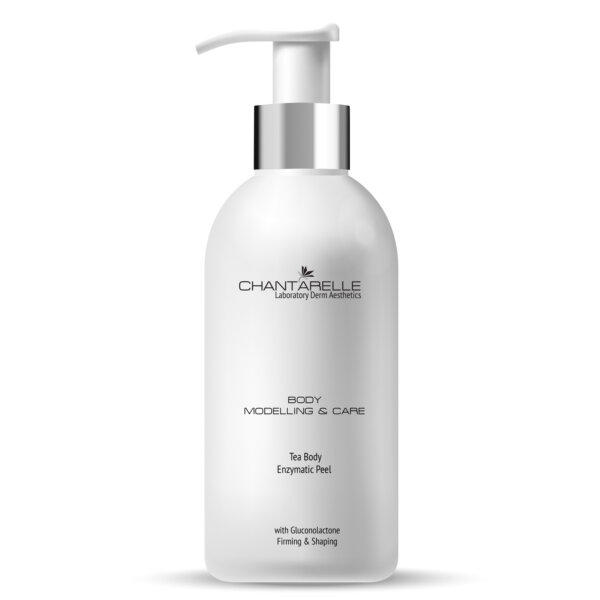
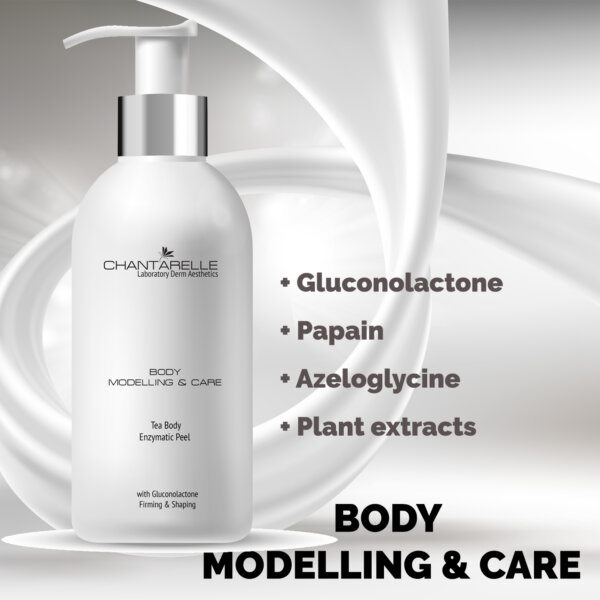
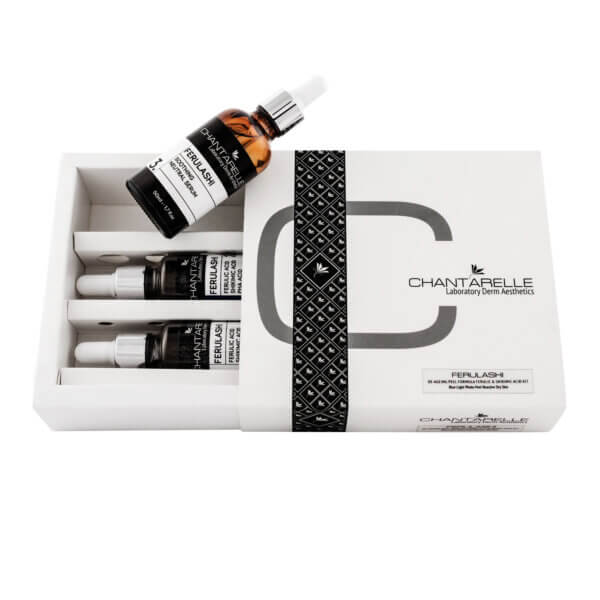
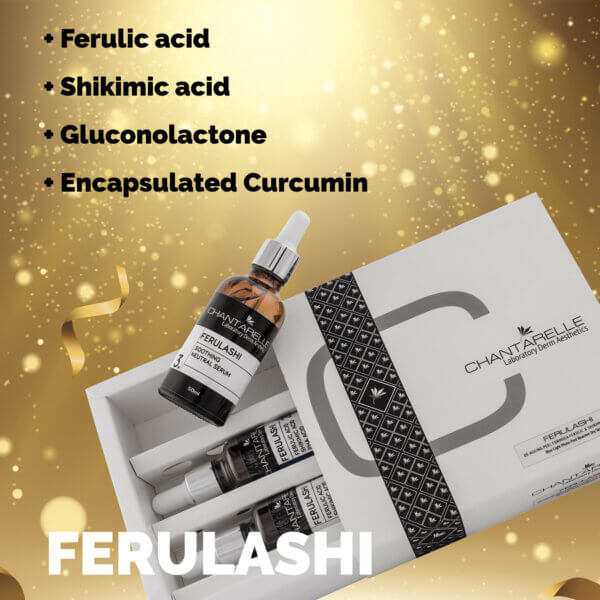
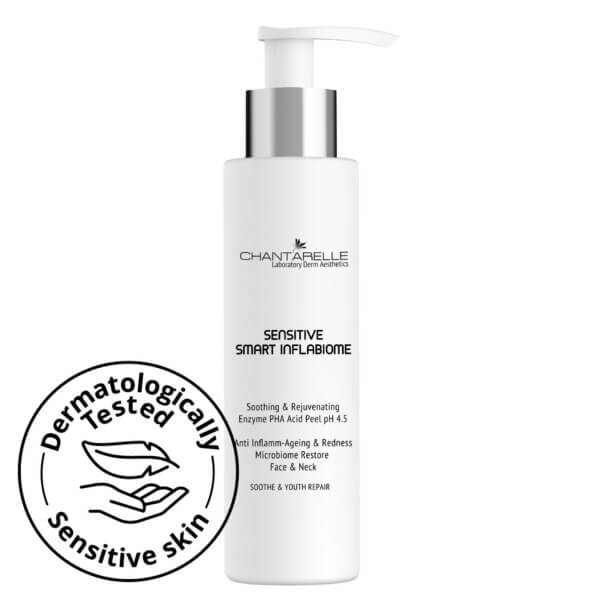
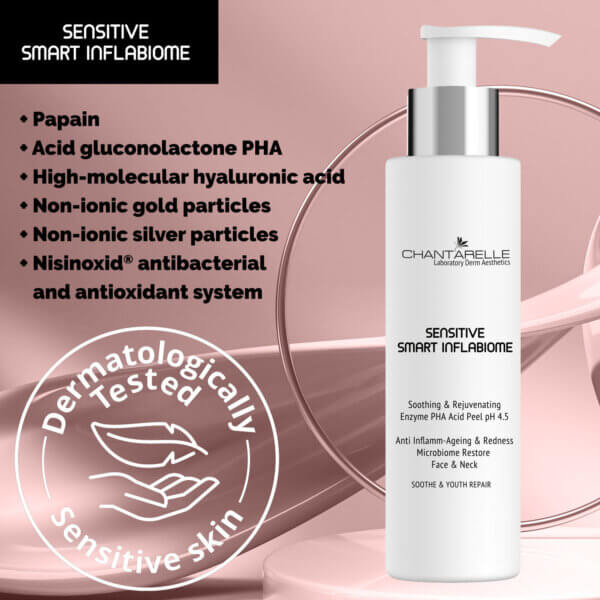
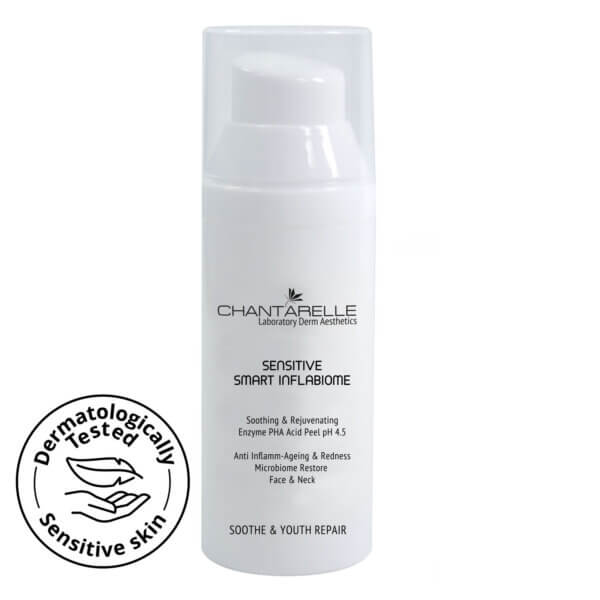
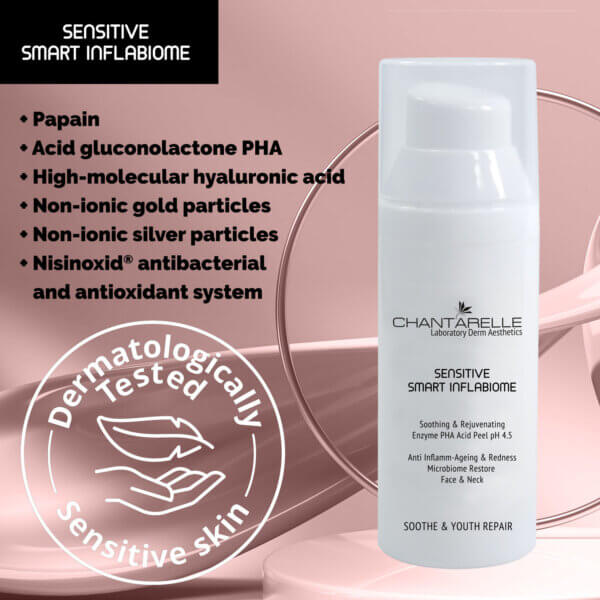
Experts at Chantarelle have used gluconolactone in the Red Stop Couperose & Rosacea Sensitive Skin treatment for vascular skin. This treatment can be performed all year round as it has no phototoxic effects. However, high UVA/UVB protection is always recommended after any exfoliation treatment. Gluconolatone can also be found in Ideal Pure, Special Aesthetics, Platinum Peel&Cure, Ferulashi, Thermo-Modelling and Sensitive Smart Inflabiome cosmetics.
 dr Marcin Wasylewski
CHANTARELLE Laboratory Derm Aesthetics expert
Literature
– Bagatin E, Guadanhim LR. Hydroxy Acids. Daily Routine in Cosmetic Dermatology. 2017:169-79. – Bernstein EF, Brown DB, Schwartz MD, Kaidbey K, Ksenzenko SM. The polyhydroxy acid gluconolactone protects against ultraviolet radiation in an in vitro model of cutaneous photoaging. Dermatologic surgery. 2004 Feb 1;30(2):189-96. – Edison BL, Green BA, Wildnauer RH, Sigler ML. A polyhydroxy acid skin care regimen provides antiaging effects comparable to an alpha-hydroxyacid regimen. Cutis. 2004 Feb 1;73(Suppl 2):14-7. – Elias PM, Wakefield JS. Skin barrier function. InNutrition for healthy skin 2010 (pp. 35-48). Springer Berlin Heidelberg. – Green BA, Ruey JY, Van Scott EJ. Clinical and cosmeceutical uses of hydroxyacids. Clinics in dermatology. 2009 Sep 1;27(5):495-501. – Miyamoto Y, Ooi T, Kinoshita S. Production of lactobionic acid from whey by Pseudomonas sp. LS13-1.Biotechnology Letters. 2000 Mar 1;22(5):427-30. – Satory M, Fürlinger M, Haltrich D, Kulbe KD, Pittner F, Nidetzky B. Continuous enzymatic production of lactobionic acid using glucose-fructose oxidoreductase in an ultrafiltration membrane reactor. Biotechnology Letters. 1997 Dec 1;19(12):1205-8. – Tasic-Kostov M, Pavlovic D, Lukic M, Jaksic I, Arsic I, Savic S. Lactobionic acid as antioxidant and moisturizing active in alkyl polyglucoside-based topical emulsions: the colloidal structure, stability and efficacy evaluation. International journal of cosmetic science. 2012a Oct 1;34(5):424-34. – Tasic-Kostov M, Pavlovic D, Lukic M, Jaksic I, Arsic I, Savic S. Lactobionic acid as antioxidant and moisturizing active in alkyl polyglucoside-based topical emulsions: the colloidal structure, stability and efficacy evaluation. International journal of cosmetic science. 2012b Oct 1;34(5):424-34.
Gluconolactone in Chantarelle cosmetics
NEW
Out of stock