Try our novelties and bestsellers!»




-
×
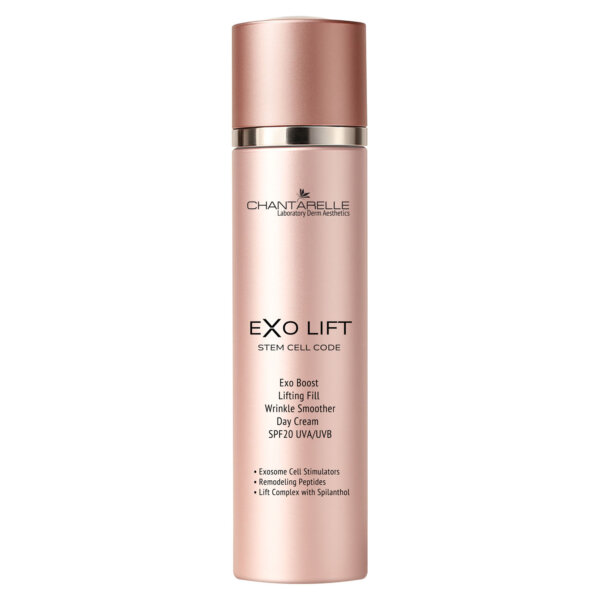 Lifting Fill Wrinkle Smoother Day Cream SPF20 with ExosomesCD1483Linia: Exo Lift1 × £ 79,00
 -
×
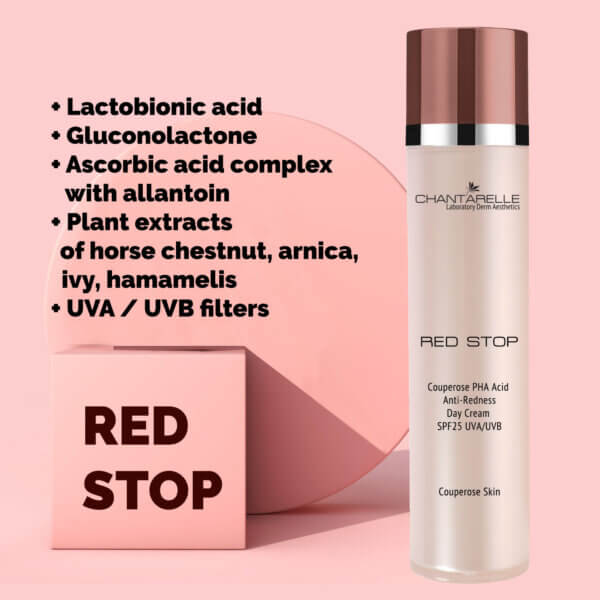
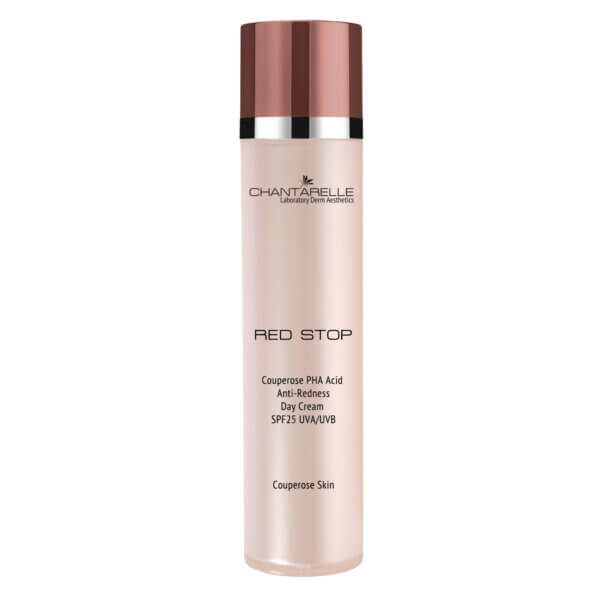 Couperose PHA Acid Day Cream SPF25 UVA/UVB Anti-RednessCD1327Linia: Red Stop1 × £ 42,00
 -
×
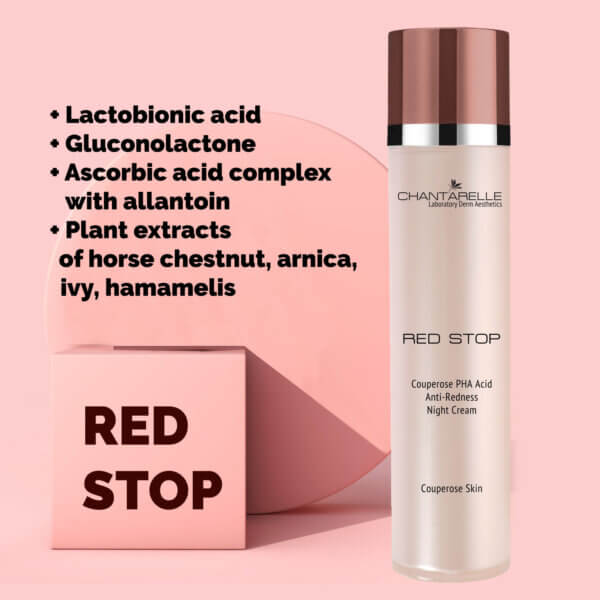
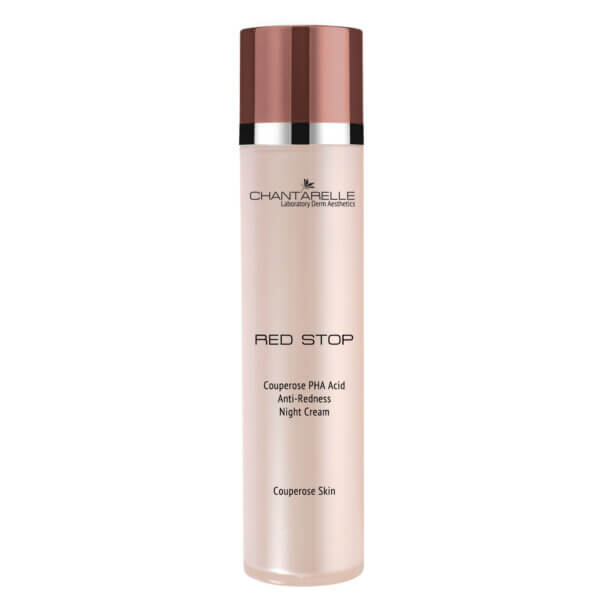 Couperose PHA Acid Night Cream Anti-RednessCD1328Linia: Red Stop1 × Original price was: £ 42,00.£ 39,00Current price is: £ 39,00.
 -
×
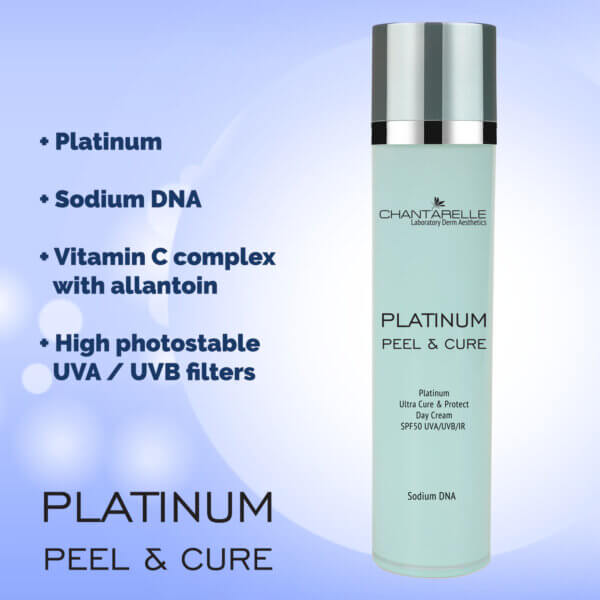
 Platinum Ultra Repair & Protect Day Cream SPF50 with PDRN and neuropeptidesCD1466Linia: Platinum Peel & Cure1 × Original price was: £ 56,00.£ 51,00Current price is: £ 51,00.


Dermatology, Active ingredients in cosmetics, Tips
HEV blue and IR infrared light and the human skin

08
Jan
Jan
HeV blue light and IR infrared light affect the skin and the human body. As the largest human organ, the skin is constantly exposed to a variety of environmental factors. It plays a primary role in the body’s defence against the effects of various types of radiation, such as HEV and IR light.
Until recently, scientists have mainly studied UVA / UVB ultraviolet rays. Much research has been devoted to the tanning process and photo-aging. HEV and IR light and its effects on humans, including facial skin, have only recently begun to be discussed by scientists.
Radiation types and their effects on the skin
| UVA – ultraviolet rays type A (315-400 nanometres) | UVA rays contribute to skin ageing, changes in cellular DNA, have carcinogenic effects, and penetrate deep into the dermis. |
| UVA rays contribute to skin ageing, changes in cell DNA, have carcinogenic effects, and penetrate deep into the dermis. | |
| UVB – ultraviolet B rays (280-315 nanometres) | The rays cause tanning and sunburn, usually affecting the upper layer of the skin. |
| UVB – ultraviolet B rays. | |
| UVC – ultraviolet rays type C (100-280 nanometres) | |
| UVC – type C ultraviolet rays | The shortest and strongest light. However, thanks to the ozone layer that absorbs them, these rays do not normally reach the Earth. |
| HEV – blue light spectrum, light with high frequency and high energy in the visible spectrum (400-500 nanometres) | Excess of this light affects the barrier function of the skin, causes inflammation, and accelerates ageing by destroying skin structures. This impact comes from both sunlight and fluorescent lamps. |
| IR – infrared radiation (from 760 nanometres to 1 mm) | Overexposure to infrared radiation and heat causes skin inflammation, alters the structure of the dermis, and contributes to premature aging. |
Blue light is present everywhere. It is emitted not only by laptops and smartphones, but also by the sun and electricity. Blue light is part of the visible light spectrum – what the human eye can see. Visible light is the range of electromagnetic radiation received by our eyes. What we cannot see, however, is what is next to it on the spectrum scale – infrared light on one side and ultraviolet light on the other. It is believed that about one-third of all visible light is blue light. Blue light carries the highest energy level of all visible light, so in English sources this range is referred to as High-Energy Visible light or HEV.
Is blue light necessary?
Blue sunlight is useful in maintaining health, regulates the body’s diurnal rhythms – the sleep cycle, improves mood, develops cognitive function and improves memory, and can also help treat depression. Decreasing levels of natural blue light at the end of the day helps us to fall asleep. Keep this in mind and try to use your gadgets as little as possible in the evening, or turn on a special function on your phone to reduce HEV light levels.
HeV blue light and the skin – negative effects of excess
What problems can occur when we are overexposed to HEV blue light emissions.
Sleep problems
Exposure to blue light, especially at night when we don’t need it, disrupts our natural sleep rhythm. This can cause, a feeling of tiredness the next day. In addition, poor sleep can cause headaches.
Digital Ageing
Blue light exposure causes oxidative stress – the massive formation of free radicals that damage cell structure. These lead to inflammation and shortened cell life.
Harmful effects on the eyes
Some eye health experts say that blue light can increase dry eyes and light sensitivity.
Skin reactions
High-energy blue light is able to penetrate deep into the skin, reaching the normally well-protected layer of the dermis, where collagen and elastin – the proteins that keep the skin young and elastic – are located. Therefore, overexposure to blue light damages the skin’s protective mechanisms, accelerates the ageing process by destroying dermal structures, increases inflammation, enhances hyperpigmentation and hyperreactivity of the skin.
How to regulate the amount of blue light?
- Try to minimise the time spent in front of a computer or phone screen as much as possible.
- The “20-20-20 rule” to avoid eye fatigue in people who use a computer all day. For every 20 minutes spent in front of a screen, look for 20 seconds at an object about 6 metres away.
- With sunset, remove all digital gadgets and turn on subdued lighting. During this time there is a natural increase in melatonin levels, bright lighting reduces melatonin production, which can lead to sleep disorders.
- Avoid using the computer or phone in the dark.
- Use ‘blue blockers’ – glasses that block blue light.
Infrared IR radiation
Infrared radiation accounts for more than half of the solar energy reaching the earth’s surface. The spectrum of infrared radiation, depending on the wavelength, is divided into A, B and C bands. This radiation penetrates the skin much deeper than UVA or UVB. The effect of IR radiation is a warm or hot sensation. In addition, it enhances the effects of UVA and UVB radiation. It penetrates the skin and acts directly on the epidermis, dermis and subcutaneous tissue.
Effect of IR radiation on the skin
IR radiation accelerates the ageing and keratinisation of the epidermis. It causes a significant increase in free radical activity in the mitochondria and collagen degradation involving fragmentation of the fibres and destruction of the spatial network forming the dermis stroma. The acute reaction to a high dose of IR is erythema and skin pain. With long-term exposure to IR rays, permanent erythema, roughness, wrinkles, furrows and permanent dilatation of blood vessels develop on the skin surface.
Cosmetics to protect against the effects of IR and HEV light
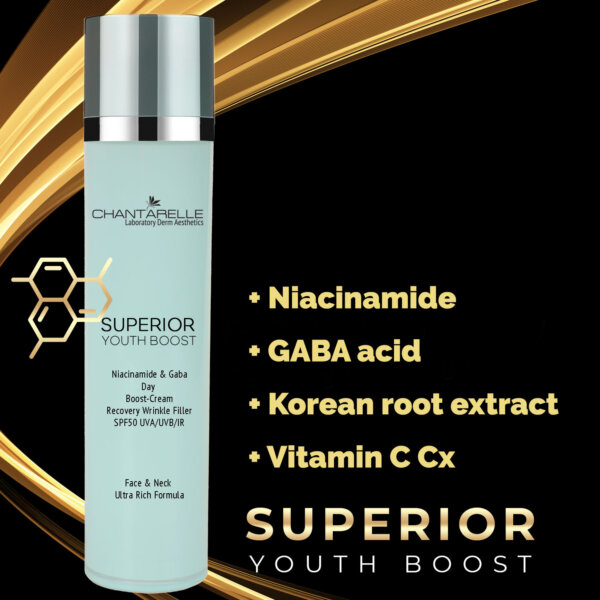
Selected cosmetic preparations contain special ‘blue light blockers’ and antioxidants. One such substance is Infra DNA-Renover. It is a combination of Caesalpinia spinosa tannins and sunflower germ extract. It gives special antioxidant protection against infrared IR radiation and against HEV blue light. It blocks the formation of free radicals, protects mitochondrial DNA and inhibits photo-ageing. It protects the skin against loss of density from sun exposure and from urban pollution. This ingredient is found in many Chantarelle day creams.
 dr Khrystyna Shekhovtsova
Chantarelle expert, dermatologist and aesthetic physician
HEV and IR light protection cosmetics
Sale!
NEW
Sale!
Sale!
Sale!