Try our novelties and bestsellers!»




 Boost Night Cream with niacinamide and GABA acid


Aesthetic cosmetology
How do we get fat? What is adipose tissue and how does it grow?

Oct
Fat tissue gives the body its roundness and the skin its freshness and smoothness. It softens bumps, retains heat and, at a certain time in a woman’s life, helps in the synthesis of female sex hormones. It is man’s largest store of energy used for increased energy needs. The normal amount of body fat in men is 12-20% and in women 20-30%. In contrast, these values may be lower in people involved in competitive sport.
How is adipose tissue constructed?
Fat tissue consists of lobes separated by fibrous tissue. Inside the lobes are fat cells, similar to fat-filled sacks, through which blood vessels also pass. Any infringement of the quality of the adipose tissue has a very detrimental effect on the appearance of the skin and body. This includes excess fat in the cells, thickening of the septa between the lobes, swelling, inflammation, etc.

Adipocytes are fat cells responsible for storing energy in the form of triglycerides and releasing them when the body needs them. Adipocytes can enlarge by up to 40 times!

Jak rozrasta się tkanka tłuszczowa?
Otyłość to powiększenie się tkanki tłuszczowej w celu magazynowania nadmiaru energii. Tkanka tłuszczowa rośnie poprzez dwa mechanizmy:
- hiperplazja (wzrost liczby komórek)
- przerost (wzrost rozmiaru komórek)

What is subcutaneous and visceral obesity?
Obesity has traditionally been defined as an increase in body fat that exceeds 20% of ideal body weight in men or 30% of ideal body weight in women. We can divide obesity into subcutaneous and visceral. The accumulation of adipose tissue in obese people can manifest as deposition of subcutaneous fat or excess visceral fat. The latter is known as visceral or abdominal obesity, in which the abdomen is excessively protruding. Visceral fat accumulates under the abdominal muscles and is not visible. Fat then surrounds the stomach, liver, intestines and other organs. The diagnosis of subcutaneous fat and visceral fat is established by pinching. Cosmetic procedures do not affect visceral obesity.
Fat metabolism
Fat (triglycerides) are the body’s main energy reserve. They are stored in the cells of adipose tissue, the adipocytes. When the membrane of adipocytes is destroyed, triglycerides enter the intercellular fluid and are transported into the blood plasma. In contrast, fatty acids (FFA )-which have longer chains and are not water-soluble-are transported by binding to plasma albumin. The majority of decomposing adipose tissue (up to 90%) leaves the body via the lymphatic system. Therefore, it is very important to consider this process in the treatment protocol for lymphatic drainage techniques.

Lipolysis and lipogenesis
Lipolysis is the metabolic process of breaking down fats into their constituent fatty acids under the action of lipase. Lipase is an enzyme produced mainly in the pancreas for the digestive tract. The action of these enzymes produces the final products of lipolysis – glycerol and fatty acids.
Lipogenesis is the process by which glucose and other substances from food are converted in the body into fatty acids.
Lipolytic balance
Fat cells continuously store and absorb fat from the circulatory system (lipogenesis), while simultaneously breaking down stored fat to release it back into the bloodstream (basic lypolysis). These two processes mutually form the so-called fat accumulation and release cycle. Depending on the signals received by the adipocytes from outside, this cycle may lean more towards fat accumulation or towards fat release.
Lipolysis and lipogenesis
Triglyceride degradation, which occurs in adipocytes without lipolytic factors, proceeds continuously. Although it is moderate lipolysis, it can affect body fat levels because it is an ongoing process.
Catecholamines (adrenaline and norepinephrine) are ‘fight or flight’ hormones. They are produced by the body during a state of danger, exertion or stress. When, as a result of the aforementioned situations, the body experiences an increased need for energy, adipocytes are stimulated by these hormones to increase lipolysis and consequently the release of fatty acids. This type of lipolysis is much more intense than basal lipolysis (up to 50 times more potent), but only occurs in certain situations.
After a meal, adipocytes receive a signal to store triglycerides (increase lipogenesis) through activation of lipoprotein lipase (LPL) and the insulin pathway.
For those interested:
Activation of the insulin pathway leads to phosphorylation of phosphatidylinositol-3-kinase (Pl3K). Once activated, this enzyme causes translocation of the GLUT4 transporter from intracellular vesicles to the cell membrane surface, allowing greater glucose uptake into the cell. Glucose is converted to glycerol, which combines with free fatty acids produced by activated lipoprotein lipase to yield triglycerides. Simultaneously, activation of the insulin pathway results in inhibition of basal lipolysis due to inhibition of hormone-sensitive lipase (HSL), which also leads to accumulation of triglycerides in the adipocyte

Global adipogenesis
As we described earlier – adult adipose tissue proliferation is caused not only by an enlargement of adipocytes storing triglycerides, but also by an increase in the number of adipocytes. Although mature adipocytes do not have the ability to proliferate, there are precursor cells (similar to fibroblasts) in adipose tissue that can differentiate into new adipocytes. This process is stimulated when there is an imbalance between energy supply and energy consumption.
For those interested:
Activation of the insulin pathway increases adipogenesis by a dual, complementary mechanism: activation of phosphatidylinositol-3-kinase (Pl3K) (inhibitors of this enzyme, such as wortmannin, have anti-adipogenesis effects) and activation of the Ras-MAP kinase-CREB pathway, in which CREB is the last responsible for initiating the cascade of adipocyte differentiation processes.
 dr Khrystyna Shekhovtsova
Chantarelle expert, dermatologist and aesthetic physician
Chantarelle slimming preparations
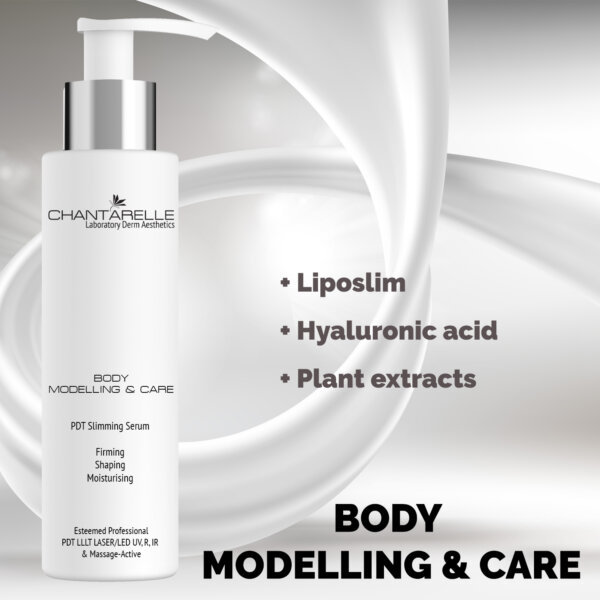
Body Modelling & Care
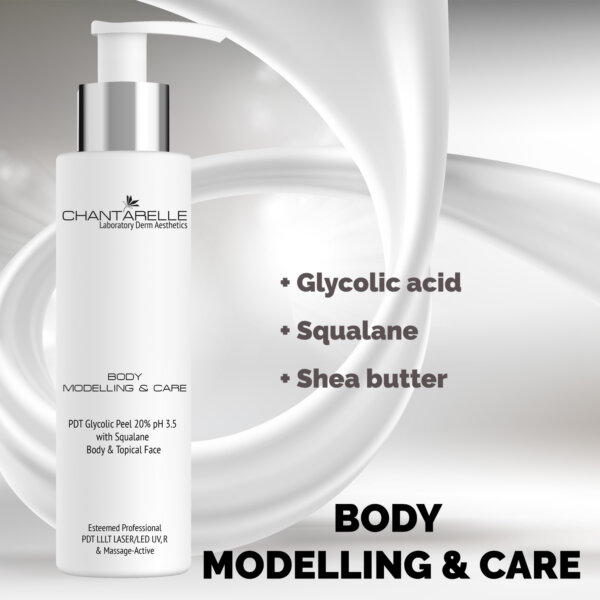
Body Modelling & Care
PDT glycolic peeling 20% pH 3.5 with squalane, for body and topical face
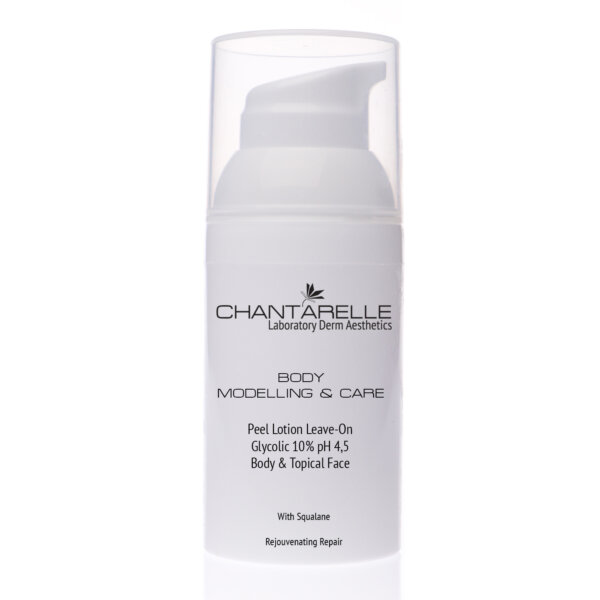
Body Modelling & Care
Peeling lotion without washing off with glycolic acid 10% pH 4.5, with squalane
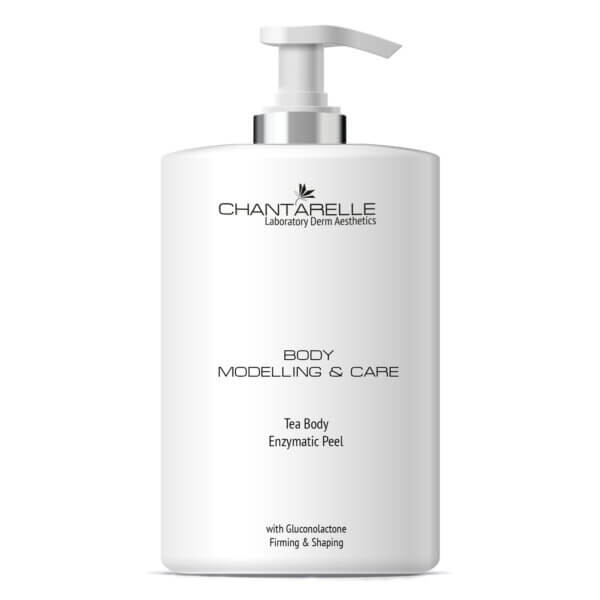
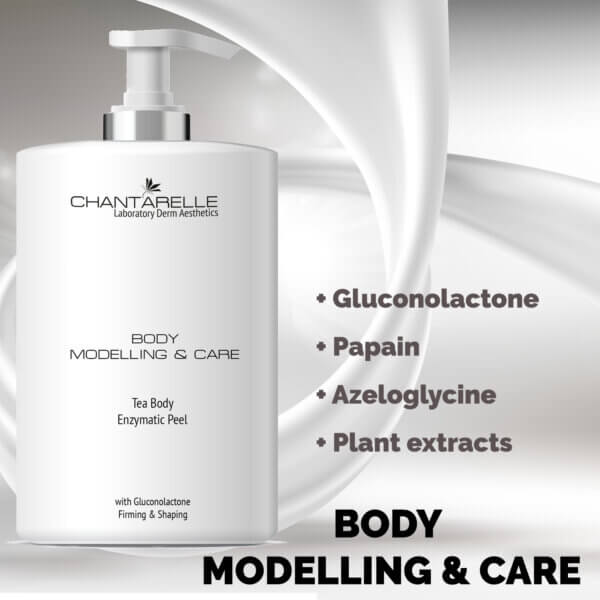
Body Modelling & Care

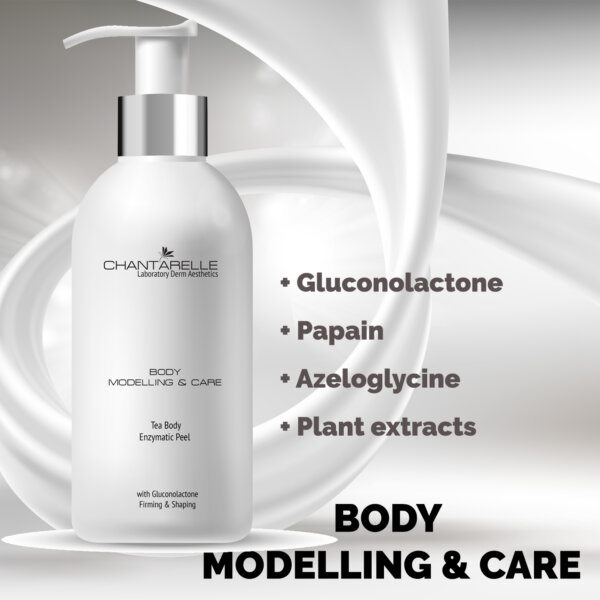

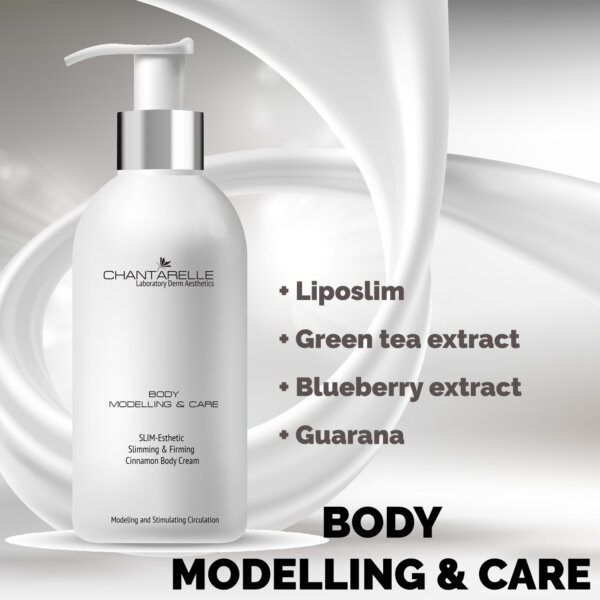
Body Modelling & Care
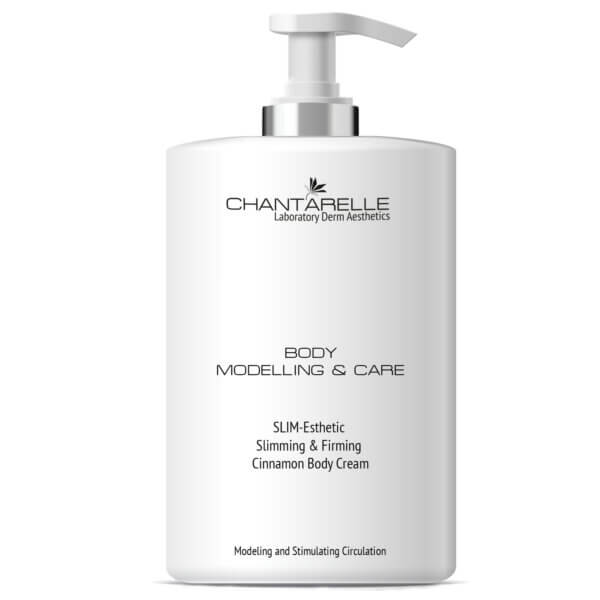
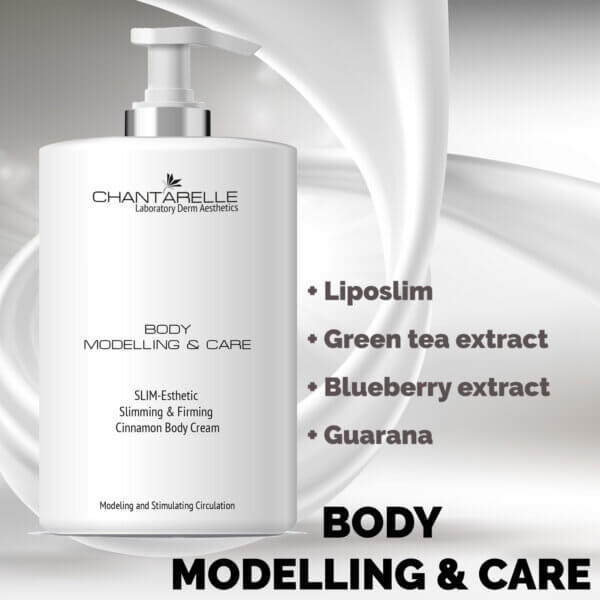
Slimming and firming cinnamon body cream, shaping and stimulating circulation

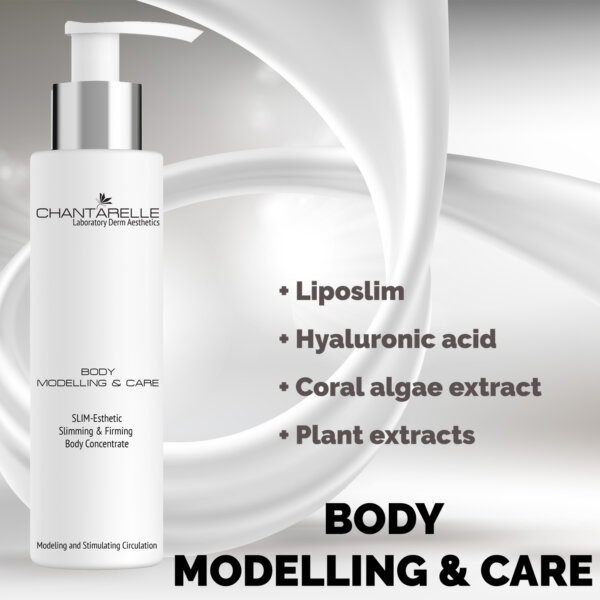
Body Modelling & Care
Slimming and firming body concentrate, shaping and stimulating circulation
Body Modelling & Care
Slimming and firming cinnamon body cream, shaping and stimulating circulation