Try our novelties and bestsellers!»




-
×
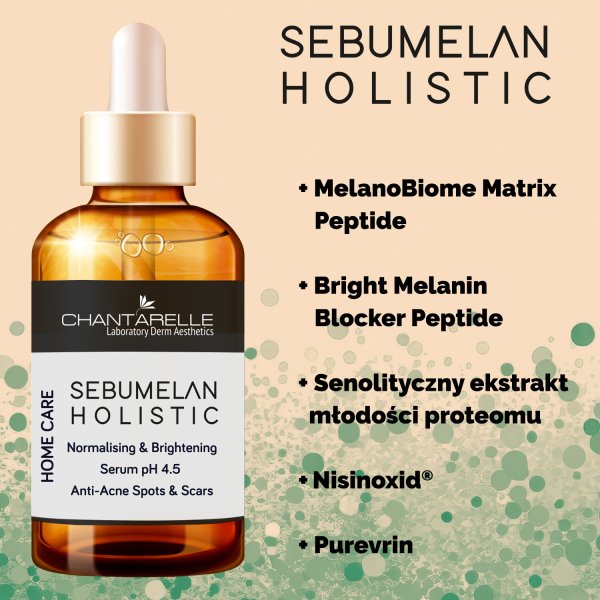
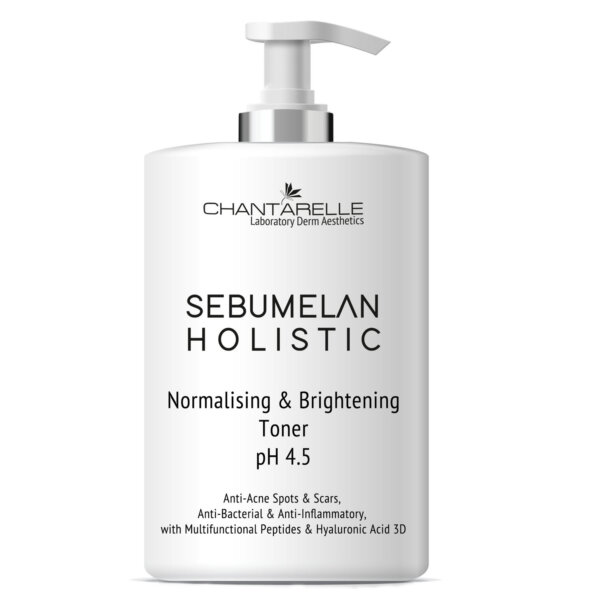
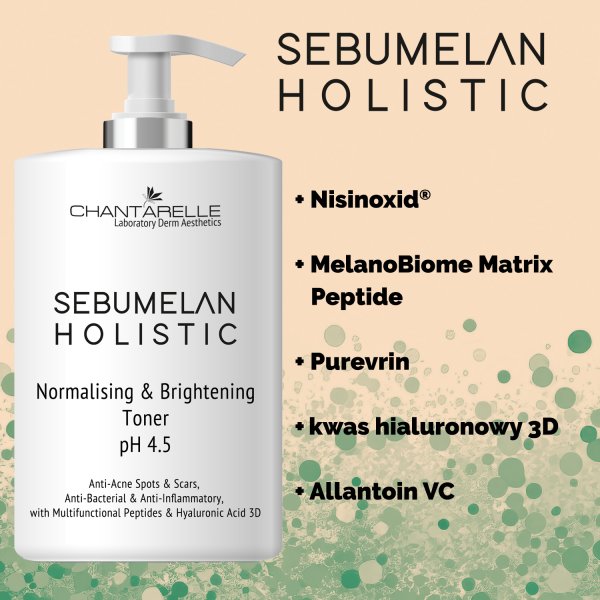
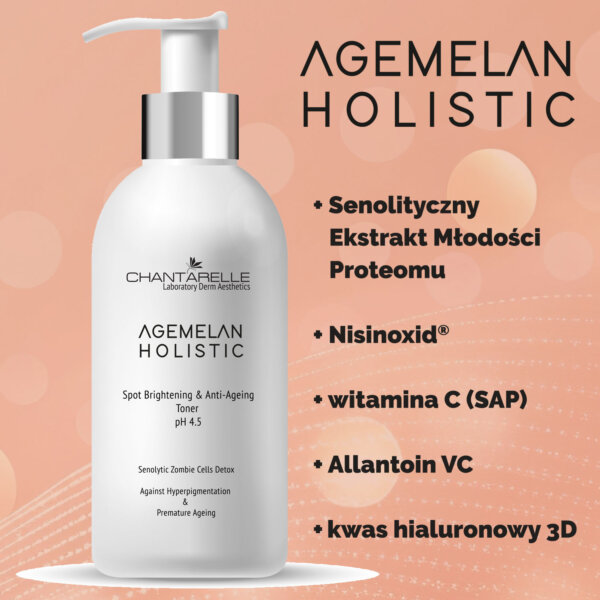
 Tonic pH 4.5 to rejuvenate and lighten blemishes
1 × 37,00 £
Tonic pH 4.5 to rejuvenate and lighten blemishes
1 × 37,00 £ -
×
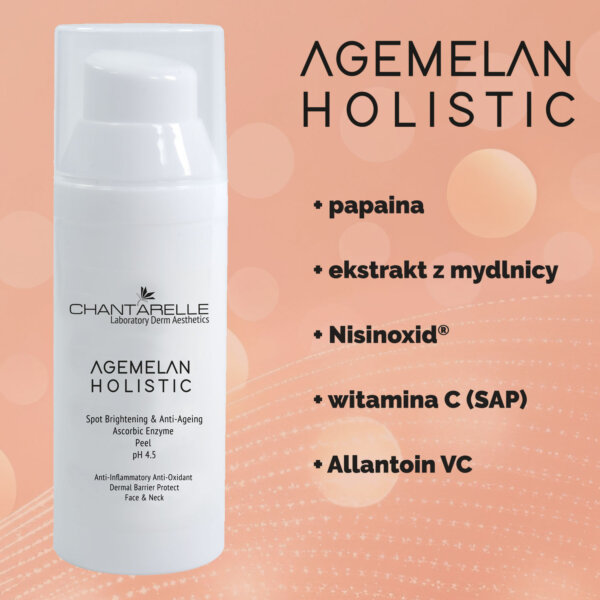
 Enzyme peeling pH 4.5 to rejuvenate and lighten blemishes
1 × 32,00 £
Enzyme peeling pH 4.5 to rejuvenate and lighten blemishes
1 × 32,00 £



Dermatology
How does our skin age?
02
Oct
Oct
Chronic skin ageing is a natural process leading to a loss of firmness and elasticity, intensified by various endo- and exogenous factors such as weight loss, sun damage, environmental stress, body condition and lifestyle. With the passage of time, the production of collagen and elastin as well as hyaluronic acid in the skin cells becomes slower and slower and, as a result, the skin loses its youthful appearance.
Fat tissue and its impact on ageing
As we age, the amount of subcutaneous facial fat tissue, or adipocyte fat cells, also decreases. This process deepens wrinkles, furrows and deforms the facial oval. The oval of the face changes from a V-shape. The tissue ‘moves’ downwards yielding to the force of gravity, causing the skin to sag and the facial features to sharpen. The proportions change, the volume decreases and the oval of the face widens downwards. As a consequence, the adverse effect is a deterioration of the skin’s biomechanical properties: loss of firmness, distorted facial oval, particularly visible in the jaw line of the face, deepening of wrinkles, lack of skin firmness. A decrease in collagen and elastin production simultaneously leads to atrophy, i.e. tissue atrophy. Atrophic skin is characterised by a loss of volume and elasticity, while wrinkles and furrows are much more visible on it. It also becomes more susceptible to mechanical damage and UV radiation.
Changes in the skin that progress with ageing
Cause |
Effects |
NASK |
|
|
|
|
|
|
|
|
|
INSIDE LEATHER |
|
|
|
|
|
|
|
|
|
|
|
SUBCELLULAR TISSUE |
|
|
|
muscle tissue |
|
|
|
CASE |
|
|
|
 dr Khrystyna Shekhovtsova
Chantarelle expert, dermatologist and aesthetic physician
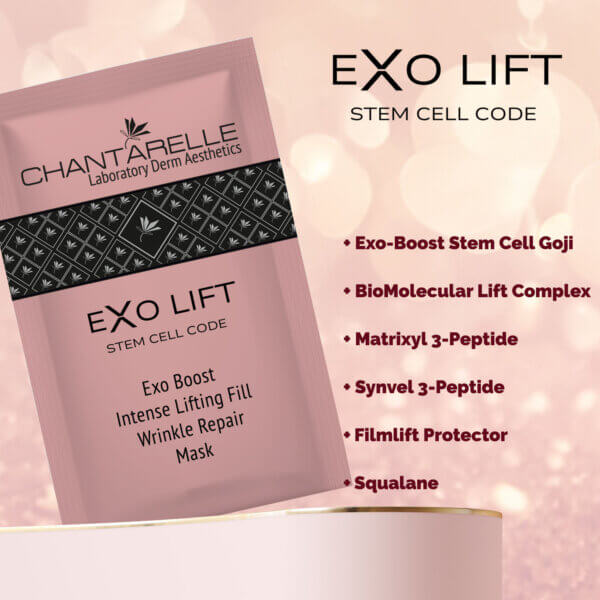
Chantarelle rejuvenating cosmetics
New
New
Sebumelan Holistic
New
New
New
New
New
For professionals only
New
For professionals only