Try our novelties and bestsellers!»






Dermatology, Tips
How does the sun harm our skin?
Jul
The skin changes its appearance and texture not only because of the natural ageing processes occurring spontaneously in our body. External factors such as the sun, air pollution or even gravity are also very important. Unfortunately, we have no influence on these factors, but we can reduce the negative effects of one factor: ultraviolet (UV) radiation.
What changes to the skin does the sun cause?
According to studies carried out in recent years, the sun is responsible for 80% of the visible signs of facial ageing. Ultraviolet radiation thus affects the four main signs of ageing:
- wrinkles and skin texture,
- skin firmness – sagging of cheeks and eyelids,
- vascular disorders,
- pigmentation changes,
Facial skin ageing
Wrinkles and negative changes in skin texture are the result of several factors. Genes and lifestyle are always important, but the sun plays the most significant role. Ultraviolet radiation is a direct contributor to oxidative stress. It causes a weakening of collagen and elastin fibres. As a result of UV radiation, numerous cell signalling pathways are inhibited, which in many cases leads to cell death. As a result, what is most important for the skin – the building blocks – is lost. It becomes rough, dull and yellow, losing its radiance and healthy colour. The sun clearly has an impact on wrinkle formation, reduction of skin hydration, firmness and elasticity, change in skin colour or the appearance of roughness. With age, due to atrophy of the subcutaneous tissue, there is a loss of skin firmness and elasticity. Decreased production of building proteins and UV damage result in the characteristic sagging skin of the eyelids, chin and cheeks.
Broken capillaries and post-sun discolouration
The main cause of vessel cracking and vascular skin problems is UV radiation. It is due to the sun that the capillary walls are damaged. Vascular problems are very difficult to hide under concealer or to compensate for by cosmetic procedures. UV radiation can also contribute to Bateman’s disease, which manifests itself by atrophic, thin, permanently dilated blood vessels. UV radiation is also primarily responsible for the formation of pigmentation. These hardly reversible pigmentary changes occur due to skin damage. They usually appear after too much sunbathing. However, they can also occur due to other factors such as hormonal changes or photosensitising substances. Many women develop hyperpigmentation during menopause or when taking contraceptives. It is also sometimes the case that the resulting hyperpigmentation is the result of a photosensitising substance that multiplies the harmful effects of ultraviolet radiation.
Other skin problems after sunbathing
After too much sun exposure, very common negative symptoms are burn, burning and blistering. Sunburn can in extreme cases end in carcinogenesis. As a result of overheating of the skin, other processes are also very common, which have the effect of causing many dermatoses. There is speculation that in some people it is excessive ultraviolet radiation that may have triggered the changes leading to psoriasis or rosacea. The same is true of seborrhoeic lesions, which very often develop in the second half of summer or early autumn. Such lesions can develop intoseborrhoeic dermatitis (Psoriasis). UV radiation can also contribute to allergies, immunosuppression and cause permanent DNA damage. In some cases, there may beFavre-Rocouchot syndrome, which is characterised by multiple, enlarged pores, blackheads, cysts, pobruzing, yellowish skin colour and lesions around the eyes. Less common symptoms of excessive sunbathing include solar keratosis, which leads to the formation of skin formations known as ‘dermal keratosis’. This is a hyperkeratotic formation that protrudes above the surface of the skin and can develop into a more serious chronic condition.
There is no such thing as a healthy tan
Remember, there is no concept of healthy tanning in dermatology. Exposure to the sun for too long, whether it is visits to a tanning bed, holiday sunbathing or hiking in the mountains without adequate UVA/UVB protection – can lead to unpleasant complications and irreversible changes in our bodies.
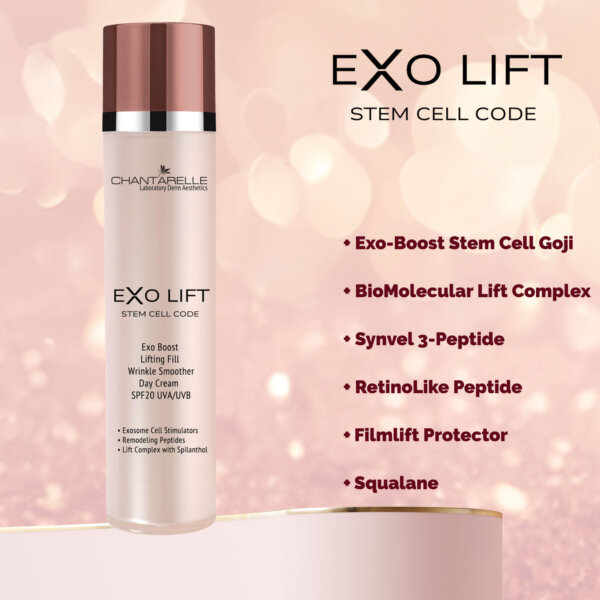
Chantarelle Cosmetics with UV filters