Try our novelties and bestsellers!»




-
×
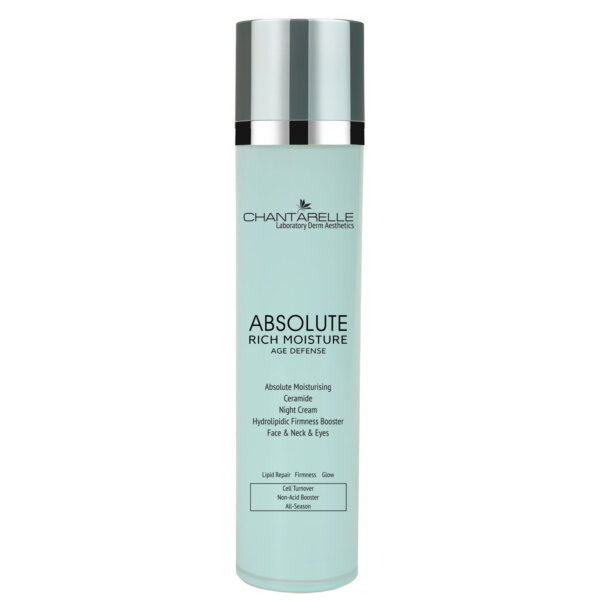 Night cream with ceramides for face and eyes - absolute hydration
1 × 55,00 £
Night cream with ceramides for face and eyes - absolute hydration
1 × 55,00 £ -
×
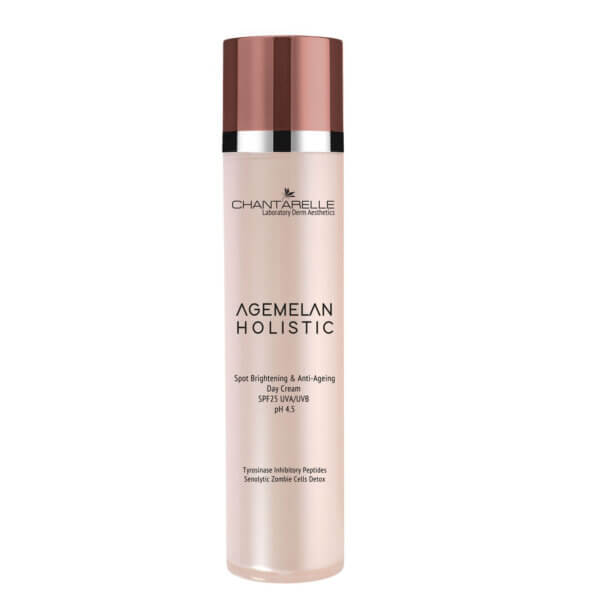 Day cream SPF25 pH 4.5 to lighten and rejuvenate blemishes
1 × 55,00 £
Day cream SPF25 pH 4.5 to lighten and rejuvenate blemishes
1 × 55,00 £ -
×
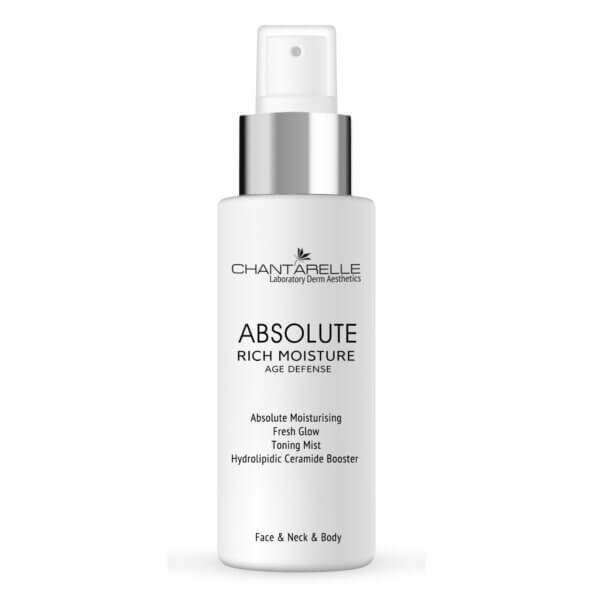 Toning mist for face, body and hair - absolute hydration
1 × 31,00 £
Toning mist for face, body and hair - absolute hydration
1 × 31,00 £ -
×
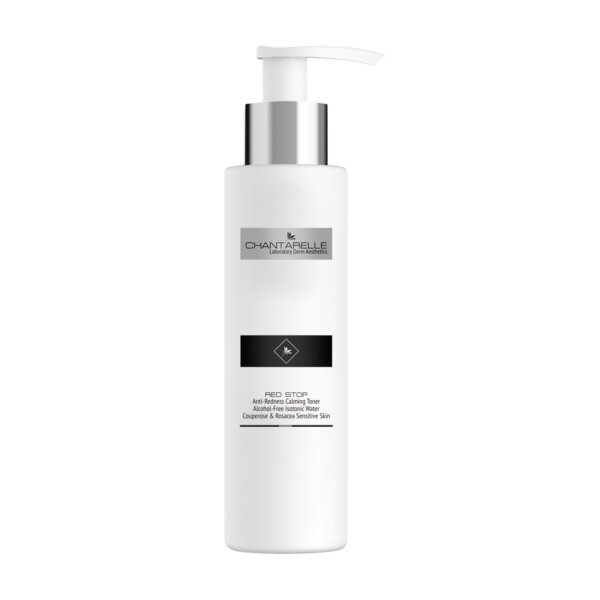 Soothing isotonic tonic, strengthening capillaries
1 × 25,00 £
Soothing isotonic tonic, strengthening capillaries
1 × 25,00 £ -
×
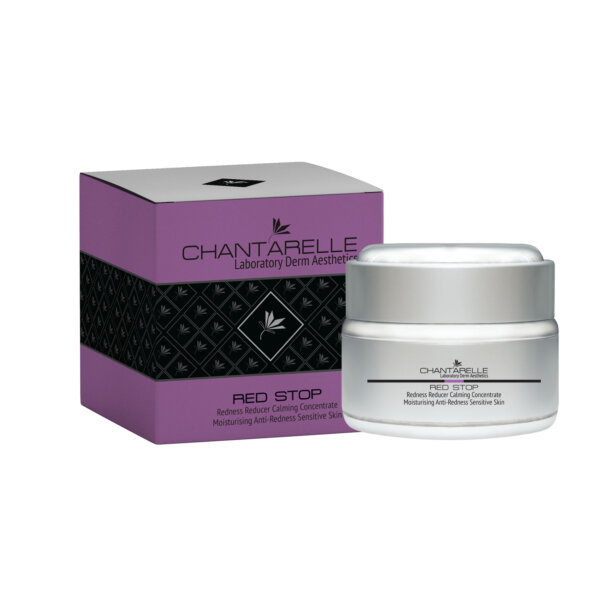 Redness-reducing concentrate for vascular, sensitive skin
1 × 42,00 £
Redness-reducing concentrate for vascular, sensitive skin
1 × 42,00 £ -
×
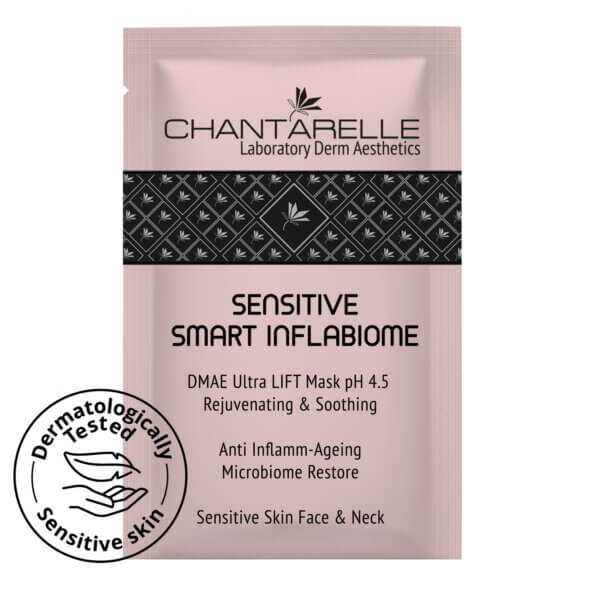 Lifting mask for sensitive skin, rejuvenating and soothing pH 4.5
1 × 3,90 £
Lifting mask for sensitive skin, rejuvenating and soothing pH 4.5
1 × 3,90 £



Dermatology, Skin care at home, Tips
How to strengthen the skin microbiome?

20
Feb
Feb
Today there is no longer any doubt about the exceptional importance of the balance of the microbiome for healthy skin. Therefore, we should not aim for complete sterility on the skin surface, which involves the destruction of all microorganisms. On the contrary, we must ensure that our microscopic allies feel comfortable here.
What is the hydrolipid mantle
The hydrolipid mantle (lipid-water film) is like an invisible shield and is regulated by sweat and sebaceous glands. It helps to maintain the acidic pH of the skin. Anything that weakens the hydrolipidic film also disrupts the water balance, the level of natural lipids and, therefore, the balance of bacteria on the skin, i.e. the microbiome.
Dermatosis, is a skin condition that can have a variety of aetiologies, most of which progress with local inflammation in the skin. The most common dermatoses, include allergic reactions, acne vulgaris, rosacea, atopic dermatitis, infectious diseases and alopecia.
In the case of skin dermatoses, the pH of the skin and the composition of its microbiome are altered. This means that treatments and therapies to reduce skin problems must also include measures to keep the hydrolipid mantle in balance.
This is why a different skin pH is observed with dry or sebum-free skin than with acne-prone skin with excessive sebum. A small increase in the pH value on the skin surface from 5.5 to 5.8-6.0 can increase the growth of P. Acnes – the main ‘culprit’ of acne. At the same time, with dry skin, prolonged occlusion leads to excessive hydration of the stratum corneum, accompanied by alkalinisation. Both factors – water and higher pH – favour the colonisation of new bacteria, and the nature of the microflora in this area of the skin is altered. In particular, the number of S. aureus increases.
How do you look after the skin microbiome? A major factor in maintaining the balance of the microflora on the skin is the regulation and normalisation of the pH.
Microbiome versus skin cleansing
Correct cleansing plays a key role in restoring and maintaining the skin’s microbiome and pH.
- Cleansing the skin should not be too intense. Excessive cleansing and the use of scrubs destroys the skin’s protective layer and leads to micro-tears and hypersensitivity of the skin.
- The following is an example of this.
- In your daily skin care, use non-aggressive surfactants that do not contain sodium lauryl sulphate (SLS).
- Before applying a cleanser to your skin, spread it in your hands. Cleansing will be more thorough because it will change the tension of the impurities, and a small amount of the product will be needed to cleanse.
Proper skin care at home
- Maintaining the right level of acidity in the skin is the so-called acid therapy principle. A slight acidification of the skin promotes the synthesis of the skin’s own ceramides, which translates into a strengthening of the skin’s lipid layer.
- The following is an example of this.
- Use tonics during home care. These are cosmetics that contain ingredients that restore the acid mantle that was washed away during cleansing.
- Apply products with antioxidant ingredients. Oxidative stress is one of the factors in skin ageing, so nullifying free radicals is a suitable preventive measure for healthy skin.
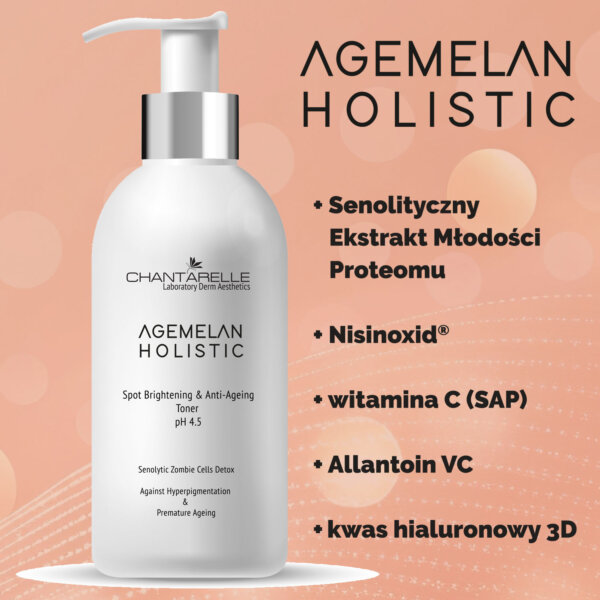
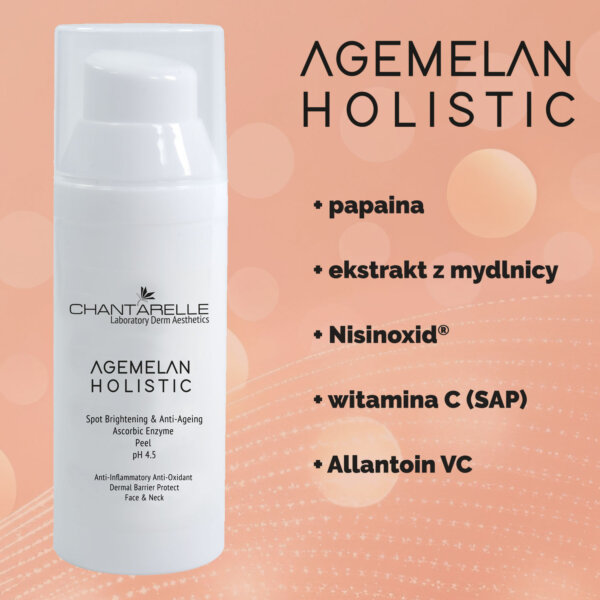
- Apply ingredients that support the skin microbiome, such as Nisinoxid® and Equibiome™.
- Protect your skin from sun and frost.
Today it is already known that cosmetic and hygienic care must take into account the interests of the microscopic inhabitants of the skin. It is necessary to “befriend” the bacteria and, in every respect, create the most comfortable conditions for them to live.
 Dr Khrystyna Shekhovtsova
Chantarelle expert, dermatologist and aesthetic physician
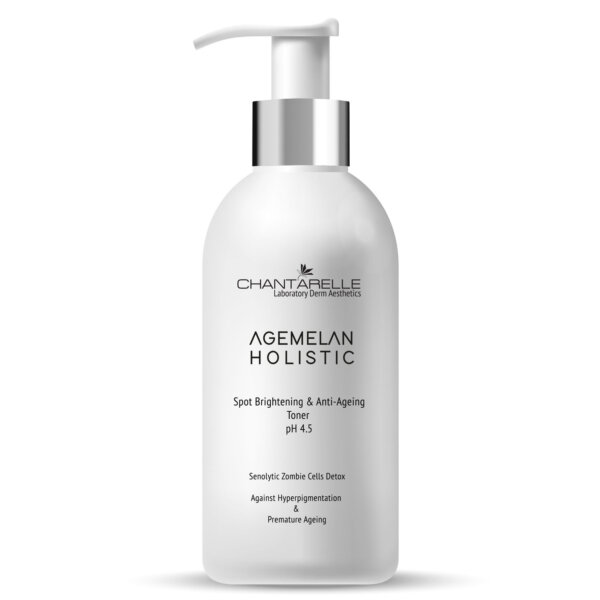
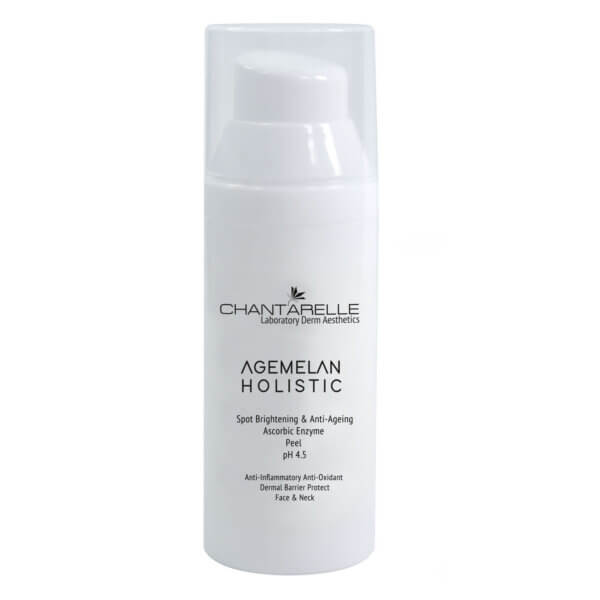
Cosmetics to protect the microbiome
New
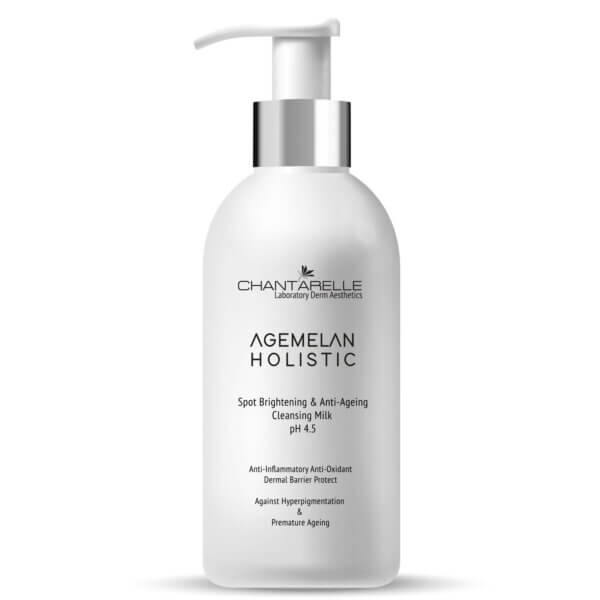
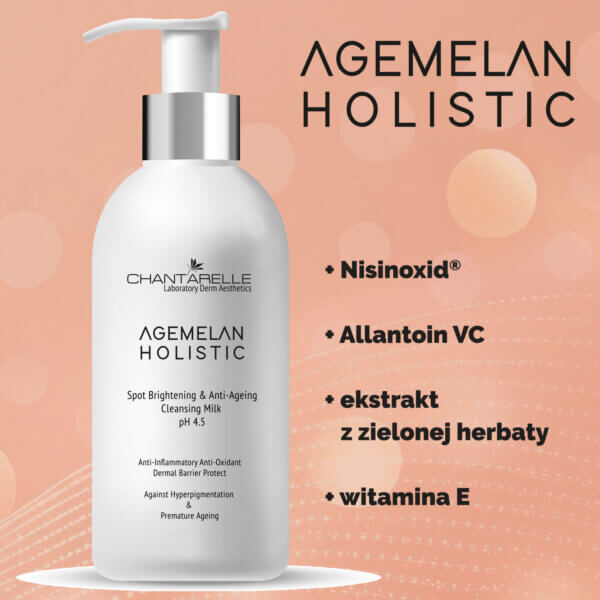
New
New
NEW
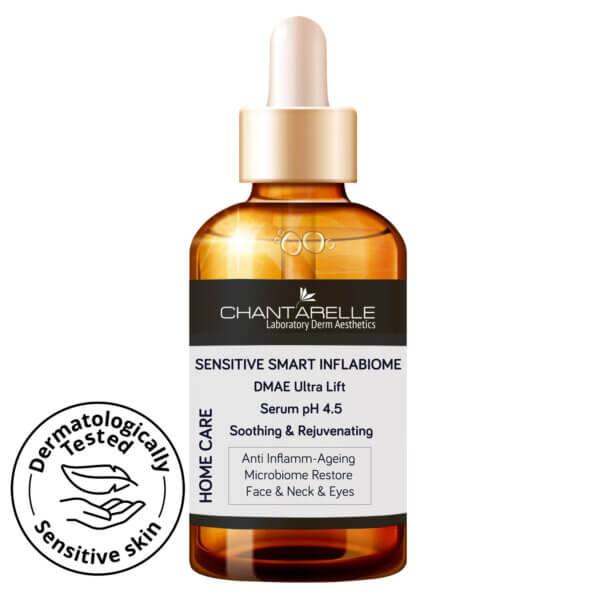
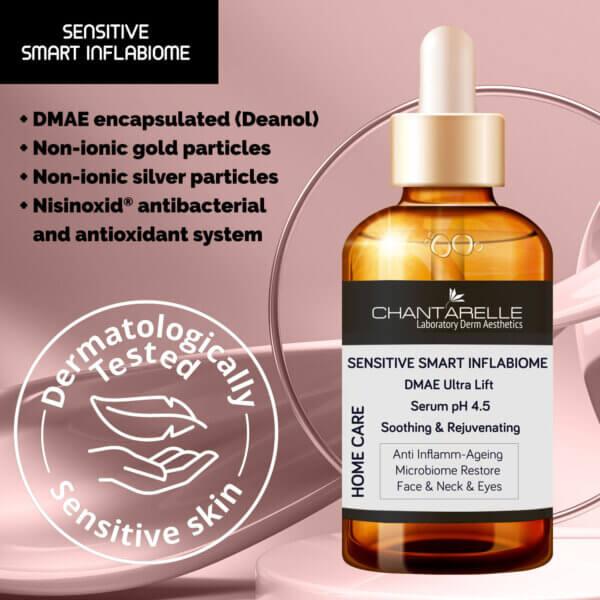
Sensitive Smart Inflabiome
Lifting serum for sensitive skin, rejuvenating and soothing pH 4.5
55,00 £
Add to basket
NEW
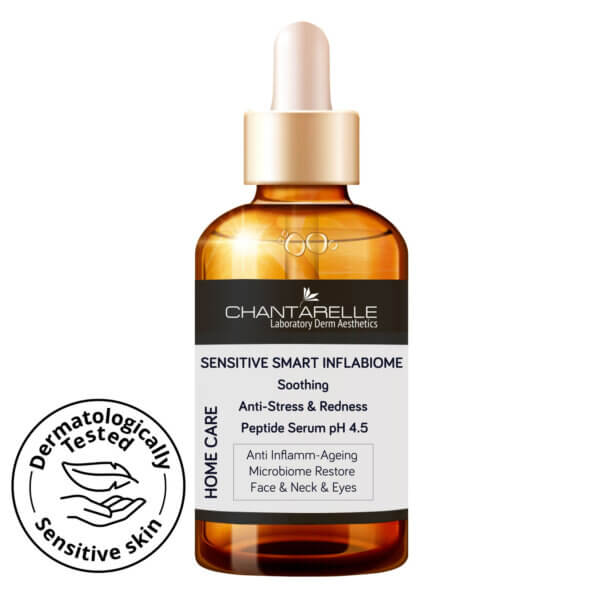
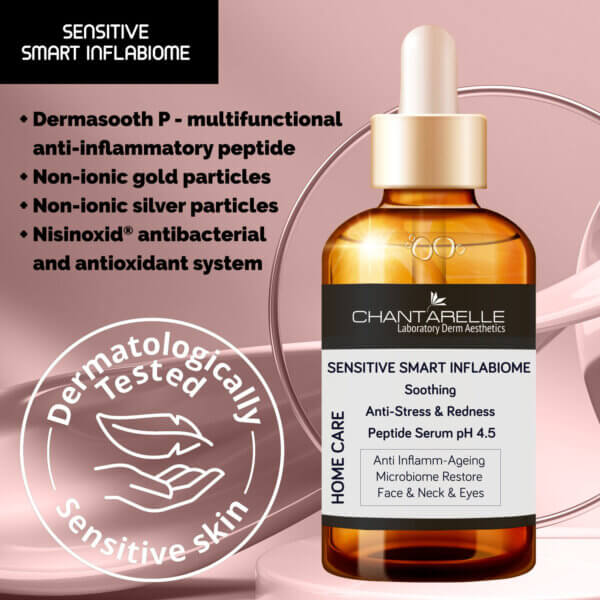
Sensitive Smart Inflabiome
Peptide serum for sensitive skin, anti-stress and soothing pH 4.5
55,00 £
Add to basket
NEW
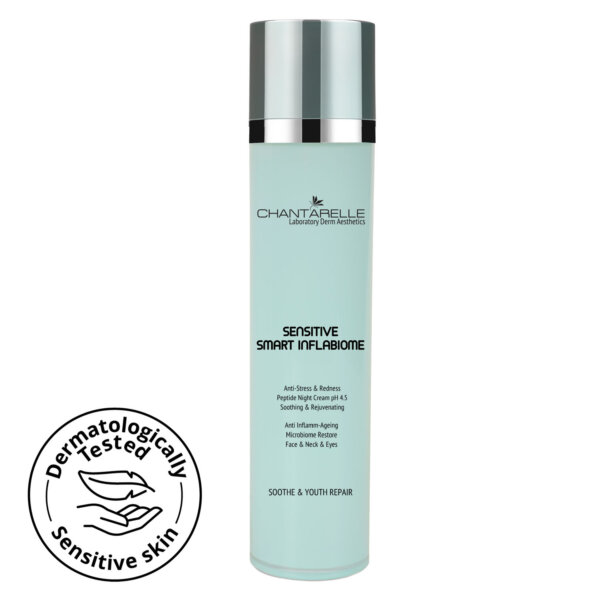
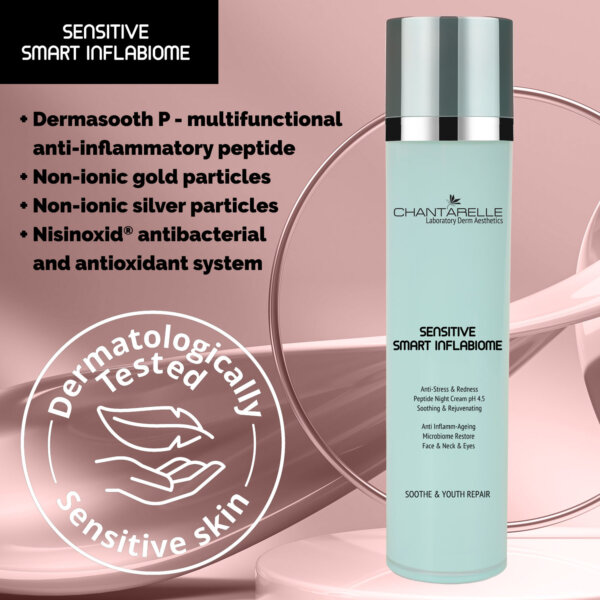
Sensitive Smart Inflabiome
Peptide night cream for sensitive skin, anti-stress and soothing pH 4.5
55,00 £
Add to basket
NEW
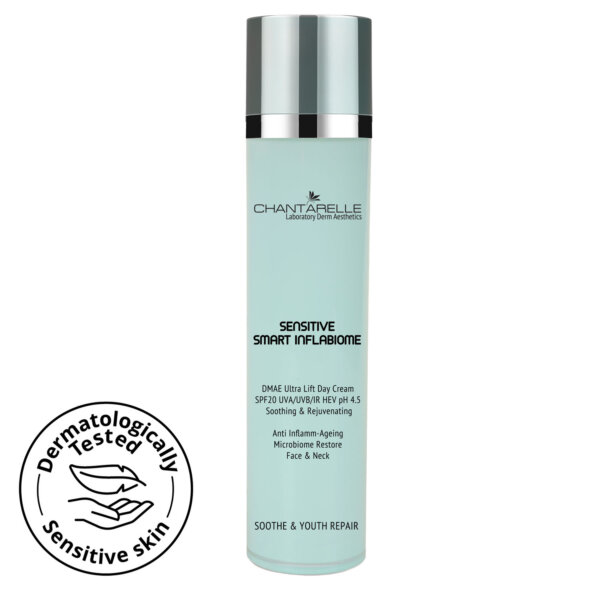
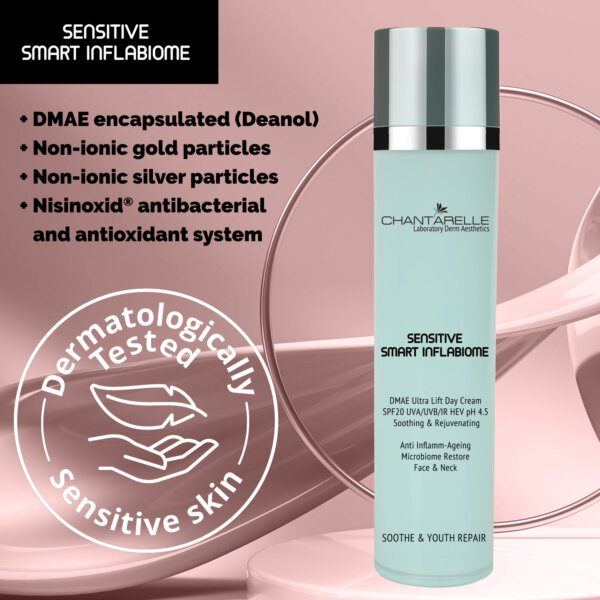
Sensitive Smart Inflabiome
Lifting Day Cream for sensitive skin SPF20 UVA/UVB/IR HEV, rejuvenating and soothing pH 4.5
55,00 £
Add to basket
NEW
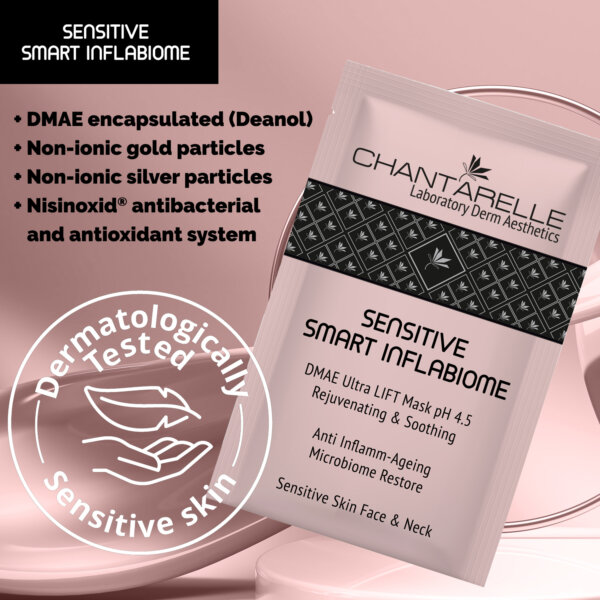
Sensitive Smart Inflabiome
Lifting mask for sensitive skin, rejuvenating and soothing pH 4.5
3,90 £
Add to basket