Try our novelties and bestsellers!»




-
×
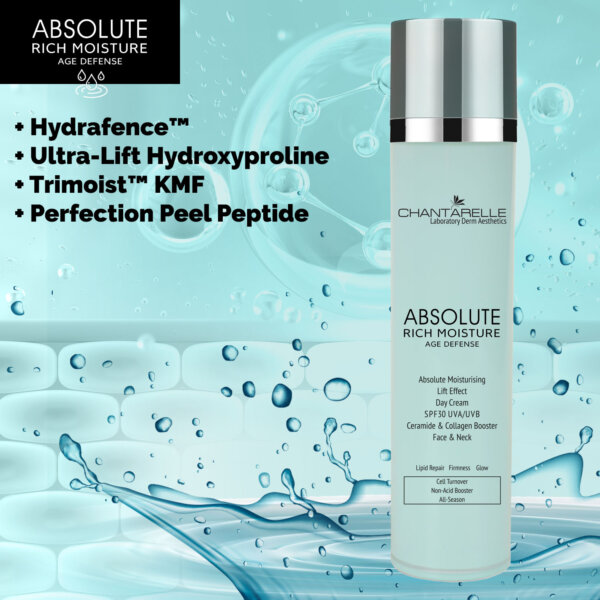
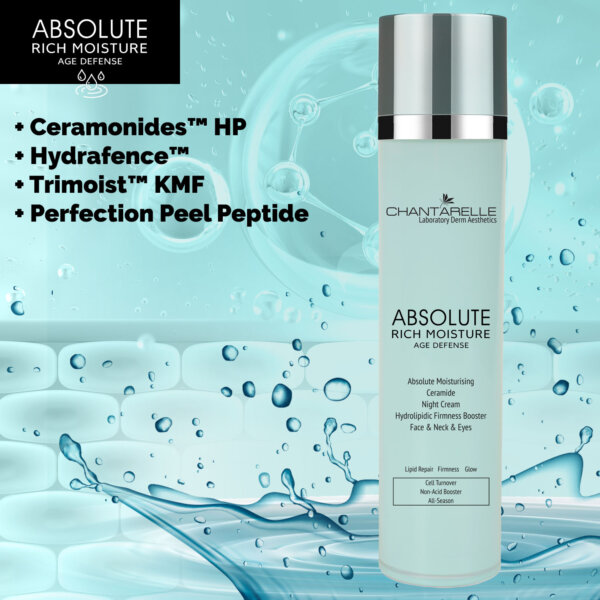
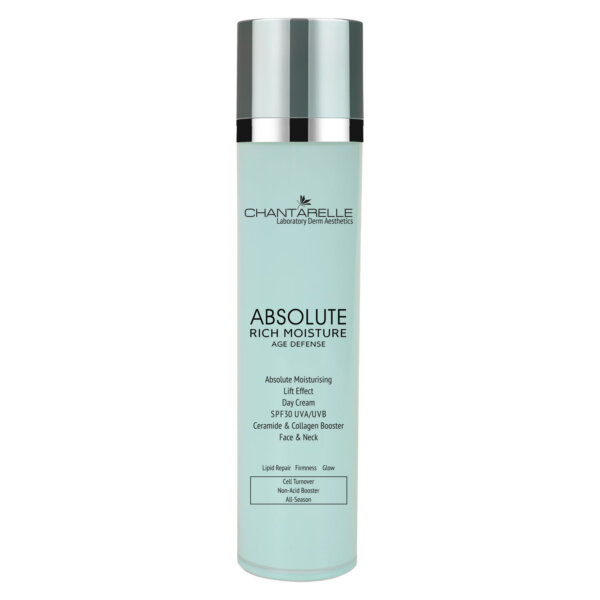 Moisturizing Day Cream SPF30 with Lifting HydroxyprolineCD1478Linia: Absolute Rich Moisture1 × Original price was: £ 56,00.£ 51,00Current price is: £ 51,00.


Dermatology, Cosmetic treatments, Active ingredients in cosmetics, Aesthetic cosmetology
How to support the skin’s natural exfoliation process?
16
May
May
The skin’s natural exfoliation process diminishes with age. Let us learn more about the stages of this process. The stratum corneum (Latin: stratum corneum) is the outermost, top layer of the epidermis. It is made up of corneocytes – i.e. large, flat, multi-walled, dead cells without nuclei and filled with keratin. They are formed by exfoliation and differentiation processes initiated in the deeper layers of the epidermis.
Exfoliation and skin ageing
As we age, the skin’s exfoliation process deteriorates, becoming slower and irregular:
- the skin barrier weakens: it becomes more permeable and water loss occurs
- protease activity decreases
- the renewal time of the epidermis begins to lengthen from the age of 30 years.
- The skin’s renewal time begins to lengthen.
* This leads to a decrease in the quality of the skin barrier and to dry, rough and dull skin.
* Excess dead cells can accumulate in the opening of the hair follicle and clog it, leading to the formation of blackheads and inflammatory lesions.
The stratum corneum is constantly being renewed. To maintain the integrity and constant thickness of the stratum corneum, the influx of new cells is balanced by shedding the top, or corneocytes, from the skin surface. This is a natural process called exfoliation.
How to affect corneodesmosomes?
Exfoliation is assisted by corneodesmosomes. Corneocytes are connected by modified desmosomes called corneodesmosomes. This connection is provided mainly by desmoglein and desmocollin, two proteins that form corneodesmosomes. These proteins have a complementary structure and bind to each other to form bridges between neighbouring corneocytes like a ‘key and lock’.

Corneodesmosomes bind with both covalent (disulphide, peptide and intersaccharide) and non-covalent (hydrogen, ionic) bonds. How does the ‘key and lock’ opening work?

Why is exfoliation so important for dry skin?
Exfoliation of ‘dead’ corneocytes from the skin’s surface is provided by the enzymatic process of destroying the protein bonds that bind the corneocytes together. Since the hydrolytic enzymes that destroy corneocytes require large amounts of water for their action, the exfoliation process depends on the moisture content of the skin. Therefore, with dry skin, hyperkeratosis (accumulation of corneocytes) and excessive peeling of the epidermis are observed.
Comparison of active ingredients and their effects
| Chemical agent | Action Mechanism | Molecular level | Clinical effects |
| Acids АНА, РНА | Changes in the pH of the intercellular environment of the epidermis | Ion binding between corneodesmosomes is weakened. Change in enzyme activity. | Exfoliation of the stratum corneum. Alignment of the microrelief. Brightening and evening of the skin tone. |
| Salicylic acid | Keratolytic, weakening of corneocyte cohesiveness | Denaturation of corneodesmosomes. | Exfoliation of the stratum corneum. Reduced sebum production. Reduction of inflammation. |
| Retinol | Stimulation of keratinocyte division and maturation | Influence on the genetic apparatus of living cells via specific nuclear receptors. | Dermal exfoliation. Smoothing of the microrelief. Normalisation of sebum secretion. |
| Proteolytic enzymes | Weakening of corneocyte cohesion | Selective destruction of the corneodesmosome, as well as protein-lipid contamination of the skin. | Dermal cleansing. Exfoliation of the stratum corneum. Slowing down hair growth. |
| Perfection Peptide | Impairment of corneocyte cohesion | Influence on covalent peptide bonding of corneodesmosomes. | Restoration of the epidermal exfoliation process. Safer than AHA, BHA acids and enzymes. Does not break the skin barrier and does not cause skin irritation Strengthens the skin barrier. |
Biomimetic action of Perfection Peel Peptide
Perfection Peel Peptide regulates the exfoliation process as it occurs in young skin. It prevents corneodesmosomal adhesion in the outermost layers of the stratum corneum by combining with desmoglein. As a consequence, corneocytes lose contact with neighbouring cells and begin to exfoliate. Benefits of biomimetic exfoliating peptide:
- biomimetic process
- a targeted and continuously active process thanks to liposomes
- high efficacy and skin tolerance
- safer than AHA / BHA acids and enzymes, because it does not breach the skin barrier or cause irritation.
- Highly effective and constantly active thanks to liposomes
Results of the Perfection Peel Peptide study
A study of the degree of hydration was carried out on 20 women aged between 41 and 58 years who used Perfection Peel Peptide. The degree of hydration of their skin was determined using a corneometer. The results showed the ability of Perfection Peel Peptide to increase skin hydration after just two weeks of use. Skin hydration was increased by almost 15% compared to placebo and 20% compared to untreated subjects. A skin smoothness study was also conducted on 20 women aged between 41 and 58 years. They used Perfection Peel Peptide for 28 days. The smoothness of their skin was determined using PRIMOS (phase-shifted rapid in vivo skin measurement). The results confirmed Perfection Peel Peptide’s ability to smooth the skin by more than 5% compared to placebo and 11% compared to untreated.
Source: test results from the active ingredient manufacturer.
Study of the anti-wrinkle effect on the crow’s feet area. 20 volunteers aged between 41 and 58 years performed the product test with Perfection Peel Peptide and placebo for 28 days). Wrinkle depth was determined using the PRIMOS system. After 4 weeks of treatment with Perfection Peel Peptide, a significant reduction in wrinkle depth was demonstrated compared to baseline conditions.

Source: test results from active ingredient manufacturer.
Perfection Peel Peptide in Chantarelle cosmetics
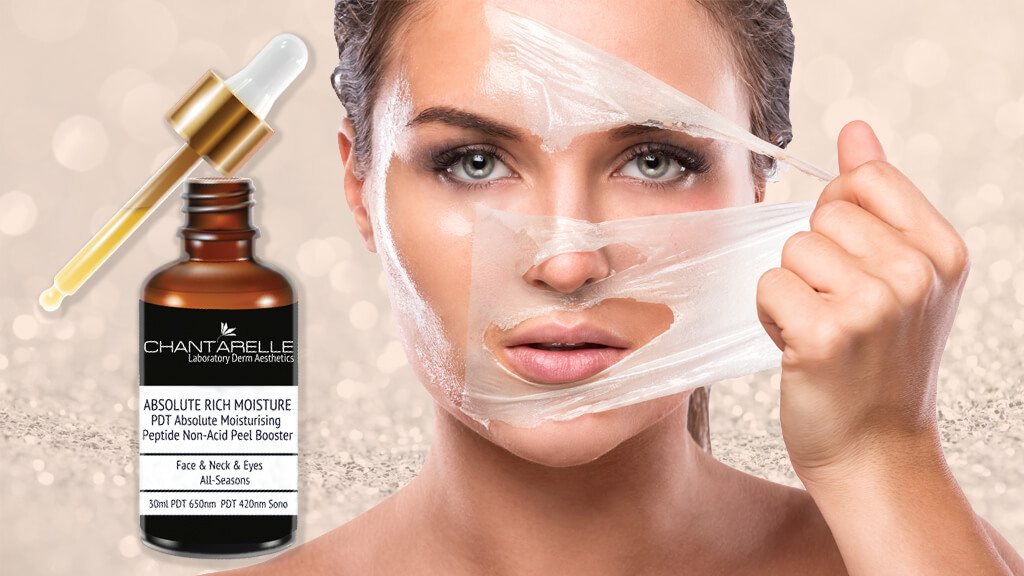
The potential of the Perfection Peel Peptide has been exploited in the Absolute Rich Moisture line. Its action in the active peptide peeling serums is particularly significant:
-
- PDT Absolute Rich Moisture Peptide Peel-Booster without acids – for in-office treatments
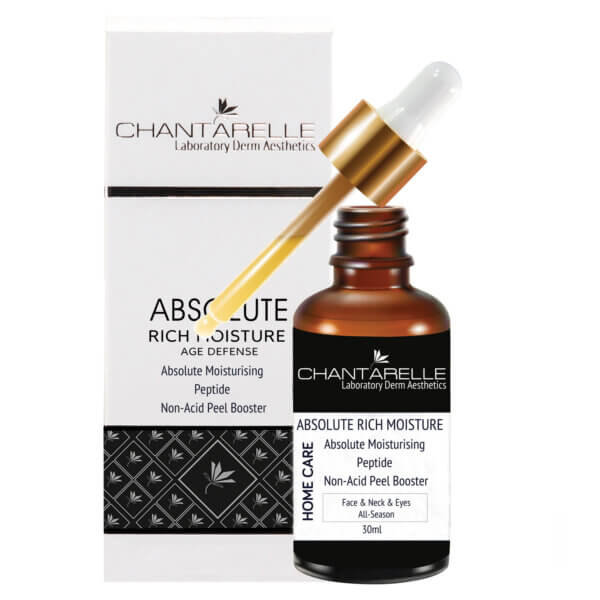
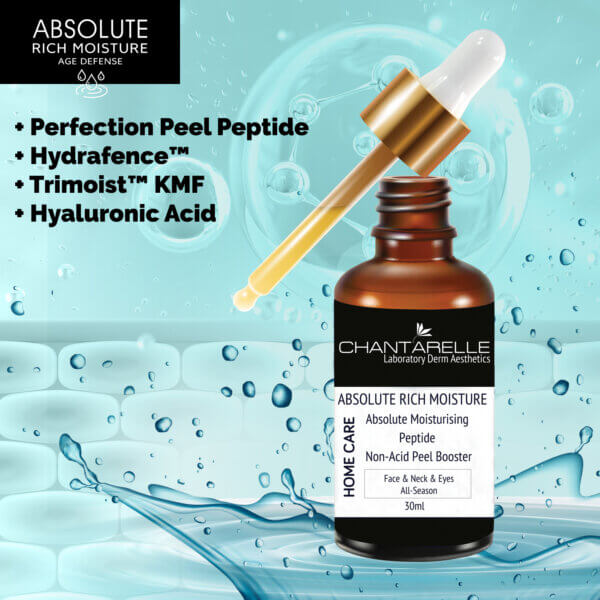
- Absolute Moisturising Peptide Peel-Booster without acids for face and eye area – for home care
They stimulate and regulate skin exfoliation without the risk of irritation. At the same time, they moisturise, regenerate the hydrolipidic barrier and provide water potential in the skin. They enhance elasticity and resilience, smooth wrinkles and give a fresh glow.
 dr Khrystyna Shekhovtsova
Chantarelle expert, dermatologist and aesthetic physician
Literature:
- Aijia S.A., Maajid F.A., Suvik A., Effendy M,A., nouri H.S. Efficacy of papain-based wound cleanser in promoting wound regeneration. Park J Biol Sci. 201- 596-603
- Combination chemical peels are more effective than single chemical peels in treatment of mild-to-moderate acne vulgaris: A split face comparative clinical trial.
- Nofal E, Nofal A, Gharib K, Nasr M, Abdelshafy A, Elsaid E.J Cosmet Dermatol. 2018 Oct;17(5):802-81
- Amann R., Peskar B. A. Anti-inflammatory effects of aspirin and sodium salicylate. Eur J Pharmacol 2002 447 1-9
Peeling products you might like
Sale!
Sale!