Try our novelties and bestsellers!»




-
×
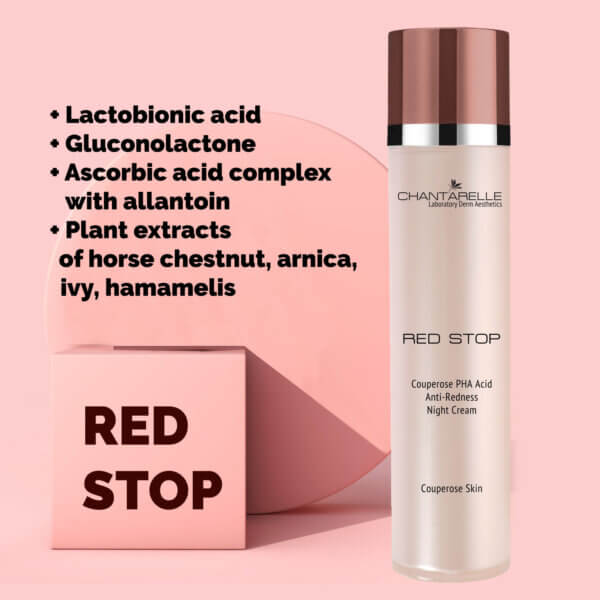
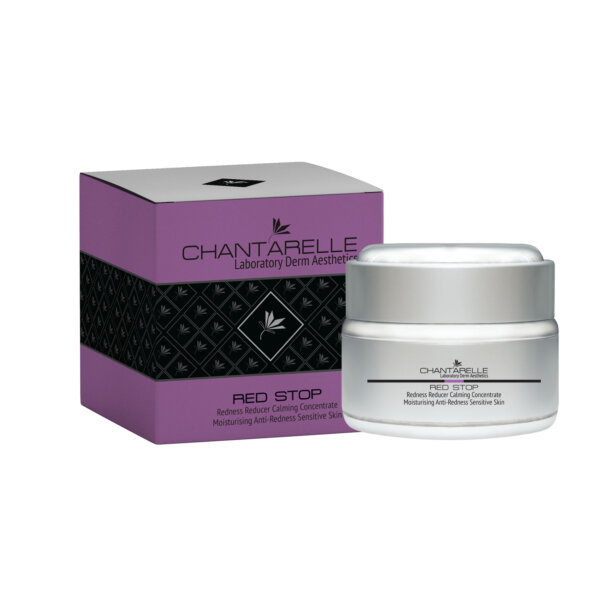
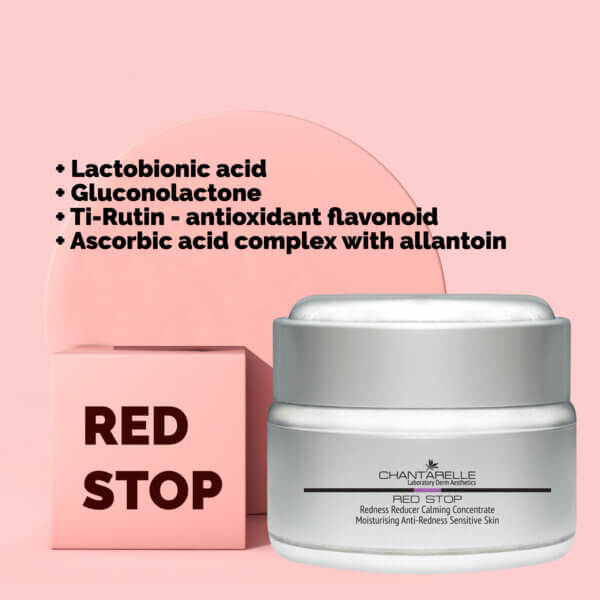
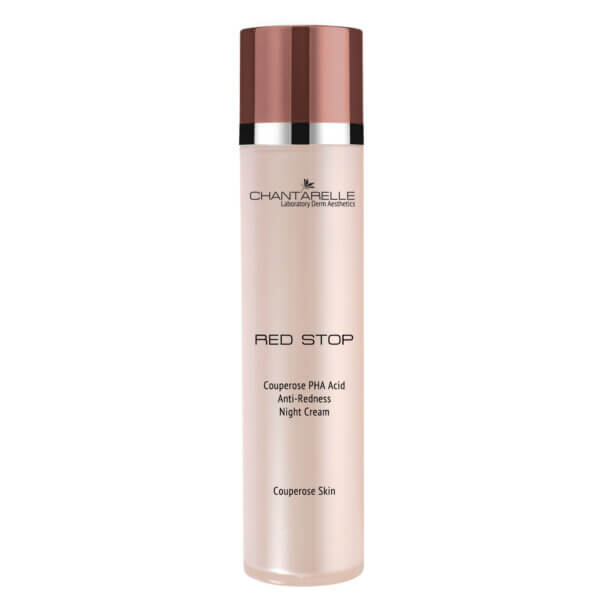 Couperose PHA Acid Night Cream Anti-RednessCD1328Linia: Red Stop1 × Original price was: £ 42,00.£ 39,00Current price is: £ 39,00.


Active ingredients in cosmetics
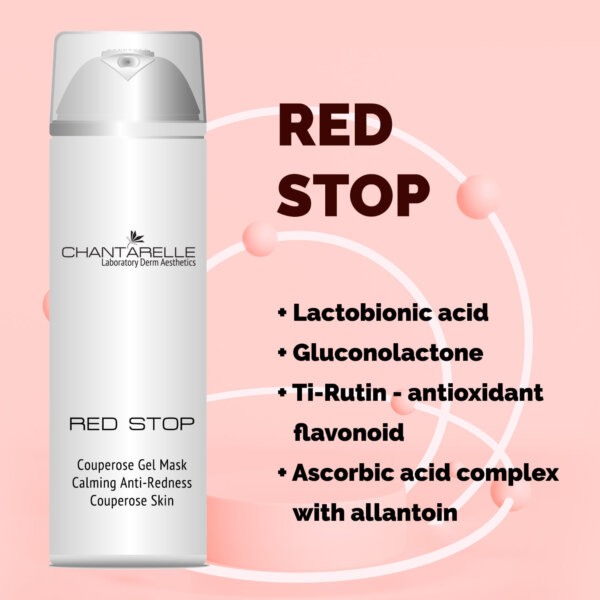
Lactobionic acid to soothe vascular skin
23
Apr
Apr
Lactobionic acid belongs to the bionic acid group and is a combination of the polyhydroxy acid gluconolactone with the sugar galactose (Yu and Van Scott 2002). It is produced by chemical synthesis and electrochemical methods and increasingly by biotechnological methods (De Giorgi et al. 2018).
Lactobionic acid for sensitive and vascular skin
Like other hydroxy acids, it has slightly exfoliating properties, but is devoid of irritant properties. Lactobionic acid can therefore be used for sensitive and dry skin, including vascular and erythematous skin.Lactobionic acid has important properties in the topical treatment of telangiectasia (dilated blood vessels) and rosacea.
Lactobionic acid is an excellent exfoliating agent.
Has strong antioxidant properties – fights free radicals (Tasic-Kostov et al. 2012). Inhibits the action of metalloproteinases of the extracellular space of the epidermis, thus preventing wrinkle formation (Rona 2004) and skin laxity. It enhances repair mechanisms (by stimulating collagen synthesis), and provides protection against the effects of UV radiation.
Strengthening the skin barrier
Lactobionic acid has a strong moisturising effect and the ability to bind water and form a protective layer on the surface of the skin (Tasic-Kostov et al. 2010, Algiert-Zielinska et al. 2018), which makes the skin smooth and soft, enhancing the protective function of the epidermal barrier. It has been shown to significantly improve the mechanical parameters and texture of photo-aged skin, and to significantly increase skin thickness (Green 2000). Lactobionic acid is used to regulate sebum production in acne skin therapy (Marczyk et al. 2016).
Lactobionic acid exhibits the ability to exfoliate the skin similarly to AHAs, while improving the skin’s hydration levels, as well as improving its visual and mechanical properties without irritating the skin or impairing its barrier function. As a result of the above properties, it is now considered that lactobionic acid may be a good alternative to low molecular weight AHA hydroxy acids in cosmeceuticals.
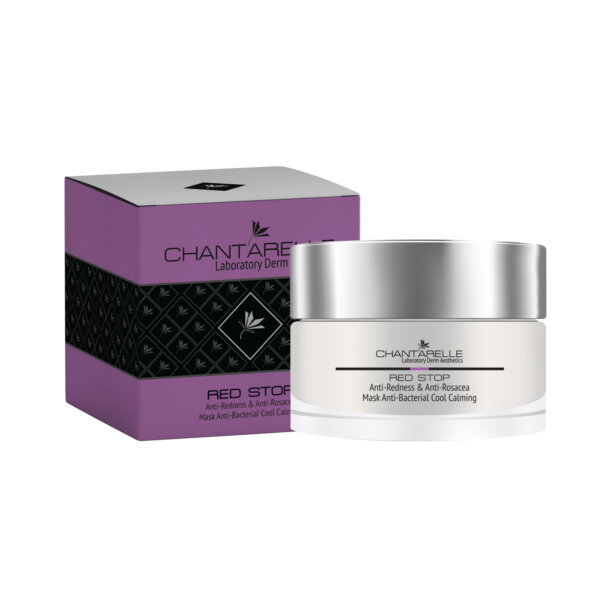
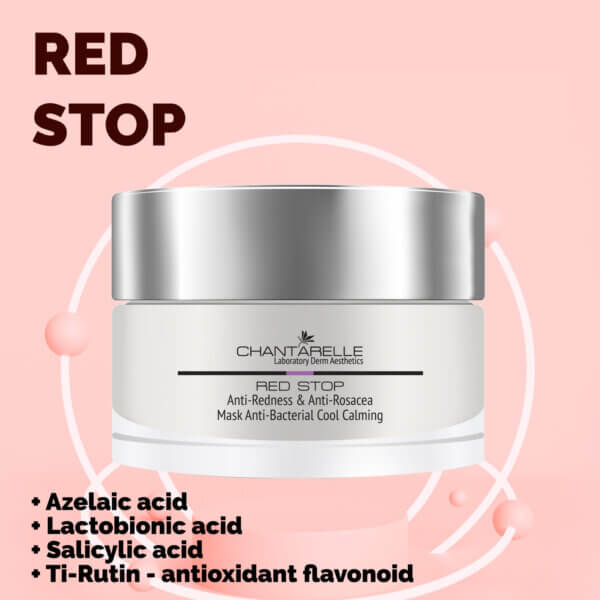
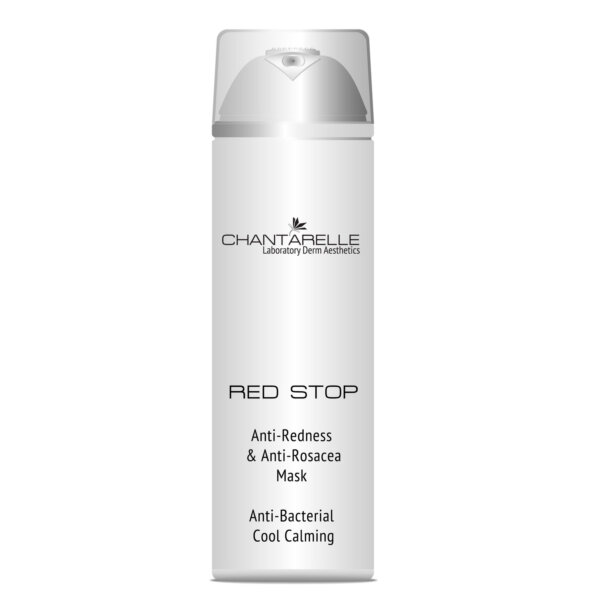
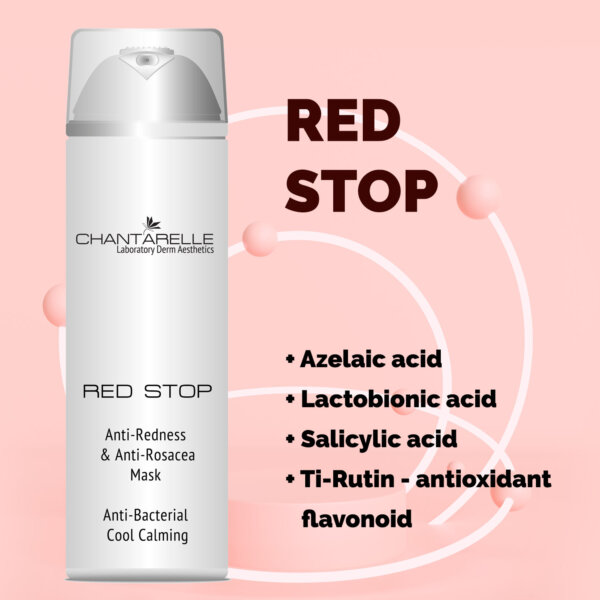
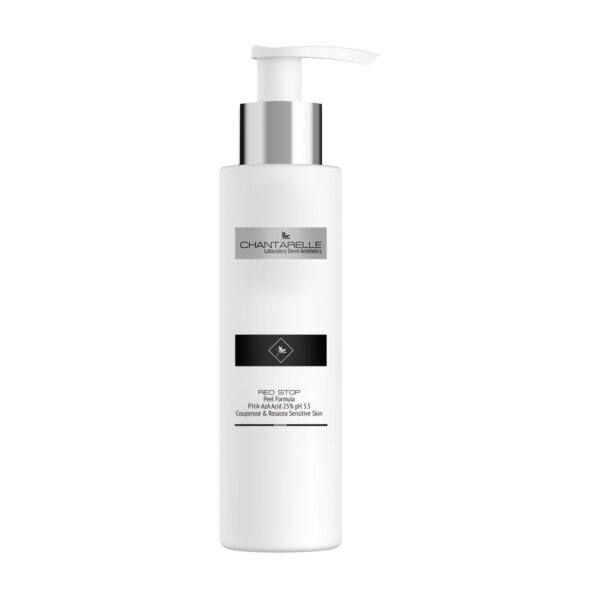
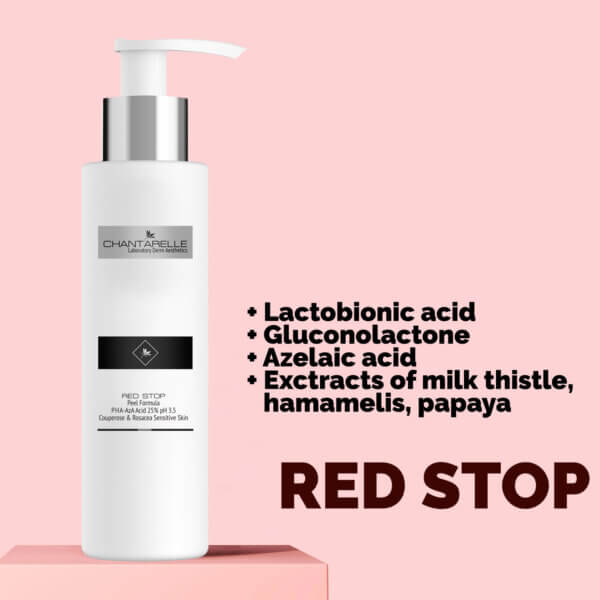
Experts at Chantarelle have used lactobionic acid in the Red Stop Couperose & Rosacea Sensitive Skin treatment for vascular and rosacea-symptomatic skin and the M-lactobionic acid 50% pH 1.7 treatment. These treatments can be used throughout the year because lactobionic acid does not cause a risk of hyperpigmentation. However, high UVA/UVB protection is recommended after each exfoliation treatment.
 dr Marcin Wasylewski
Chantarelle Laboratory Derm Aesthetics expert
Literatura
– Algiert-Zielińska B, Mucha P, Rotsztejn H. Comparative evaluation of skin moisture after topical application of 10% and 30% lactobionic acid. Journal of cosmetic dermatology. 2018 Jan 9.
– De Giorgi S, Raddadi N, Fabbri A, Toschi TG, Fava F. Potential use of ricotta cheese whey for the production of lactobionic acid by Pseudomonas taetrolens strains. New biotechnology. 2018 May 25;42:71-6.
– Marczyk B, Mucha P, Rotsztejn H, Budzisz E. Comparison of the Skin Lipid Layer in Acne Vulgaris Patients after Treatment with 50% Lactobionic Acid, Corundum Microdermabrasion and a Combination of Both Means. Journal of Cosmetics, Dermatological Sciences and Applications. 2016 Jun 30;6(04):156.
– Green B. Lactobionic acid. Skin Inc Mag 2000; 12: 62-3
– Rona C, Vailati F, Berardesca E. The cosmetic treatment of wrinkles. Journal of cosmetic dermatology. 2004 Jan 1;3(1):26-34.
– Tasic-Kostov M, Savic S, Lukic M, Tamburic S, Pavlovic M, Vuleta G. Lactobionic acid in a natural alkylpolyglucoside-based vehicle: assessing safety and efficacy aspects in comparison to glycolic acid. Journal of cosmetic dermatology. 2010 Mar 1;9(1):3-10.
– Tasic-Kostov M, Pavlovic D, Lukic M, Jaksic I, Arsic I, Savic S. Lactobionic acid as antioxidant and moisturizing active in alkyl polyglucoside-based topical emulsions: the colloidal structure, stability and efficacy evaluation. International journal of cosmetic science. 2012 Oct 1;34(5):424-34.
– Yu RJ, Van Scott EJ. Hydroxycarboxylic acids, Nacetylamino sugars, and N-acetylamino acids. KINMed Dermatol for the Clinician 2002; 1: 117-22.