Try our novelties and bestsellers!»



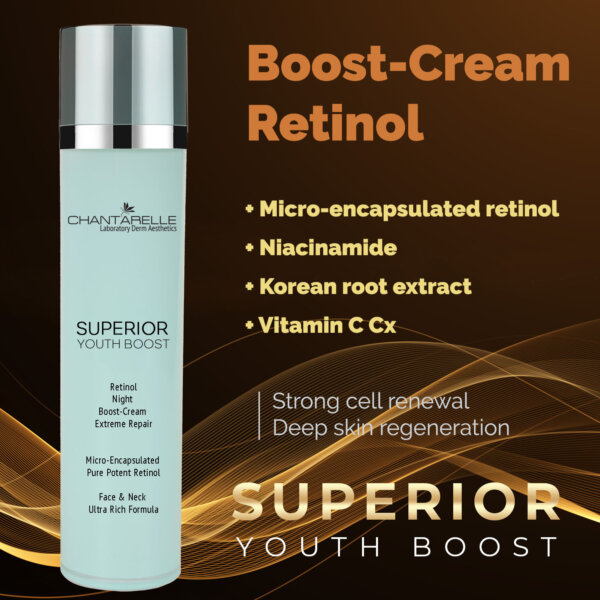
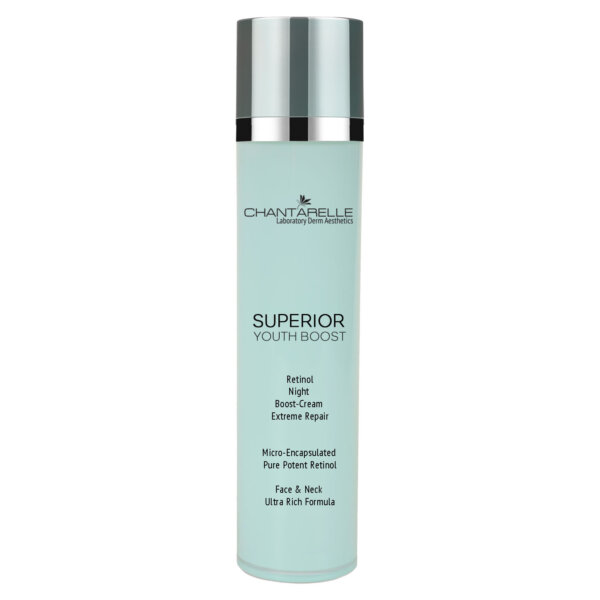 Extreme Repair Night Cream Face & Neck with Micro-Encapsulated Retinol

Active ingredients in cosmetics
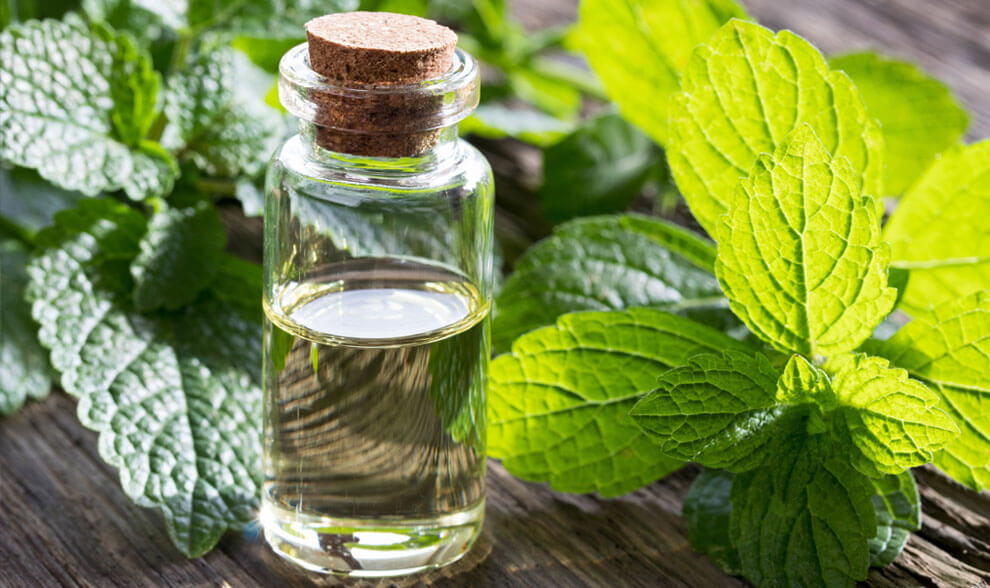
Melissa balm – plants in cosmetics
Aug
Melissa officinalis (Melissa officinalis) is a perennial aromatic plant belonging to the butterfly family. It typically grows to about 1 metre in height. Its small flowers are whitish, sometimes yellow or pink. Melissa is native to the Mediterranean regions of Europe, western Asia and northern Africa, from where it spread to temperate northern regions. In its wild form it is found at an altitude of 1,000 m, in a humid environment that receives sunlight – it does not tolerate frost.
The most commonly used is lemon balm leaves, which have a rich composition. The most important active substances contained in lemon balm extract are hydroxycinnamic derivatives, these include rosemary acid and coffee and chlorogenic acid. The extract also contains high concentrations of compounds such as flavonoids and lower concentrations of essential oils, ursolic acid, tannins and mineral salts.
Medicinal properties of lemon balm
Melissa has accompanied medicine since ancient times. Its name comes from the mythological nymph who was transformed into a bee by Zeus. After the nymph’s death, her body settled on the ground and a plant with an insect-attracting scent germinated. Over the centuries, the plant has acquired many terms. It was most commonly called the elixir of life and joy for the heart. When the name lemon balm was adopted, other Polish names appeared in parallel, such as beekeeper, motherwort, borage and hornwort.
Melissa has been used extensively over thousands of years. The traditional use of lemon balm is based on the treatment of neuralgia, migraine, sacral pain and the acceleration of wound healing. Melissa is also used to treat digestive and heart complaints, insomnia, etc. Fresh lemon balm leaves rubbed on insect bite sites relieve pain and irritation. Traditionally, lemon balm leaves are used to prepare body massage oil, which has a relaxing and soothing effect. Due to the aromatic nature of the plant, it was often added to various types of alcohol. It was used to make wine and spirit tinctures, among others by the monks, who called lemon balm the “Carmelite soul”.
Melissa in cosmetology and cosmetics
Melissa is used as a source of natural and powerful antioxidants, whose anti-radical activity has been confirmed by numerous studies. Melissa extracts have been proven to inhibit the formation of free radicals, which are the primary cause of skin ageing. Aqueous lemon balm extract in particular has been shown to be a powerful antioxidant, and this effect has been attributed to the properties of rosmarinic acid and hydroxycinnamic derivatives present in the plant. Therefore, lemon balm extract is recommended in cosmetics with anti-ageing effects.
The extract also has anti-inflammatory, soothing and calming properties, which are often used in products for sensitive skin and numerous lotions. The use of lemon balm makes it possible to obtain its natural fragrance, without the need to add artificial fragrances. Very important in the world of cosmetology is its calming and soothing effect. The use of lemon balm in night creams is great because it calms the body. The antibacterial action of lemon balm was once used to treat wounds that were difficult to heal. Today, this plant does an excellent job in acne preparations.
Melissa in Chantarelle cosmetics