Try our novelties and bestsellers!»




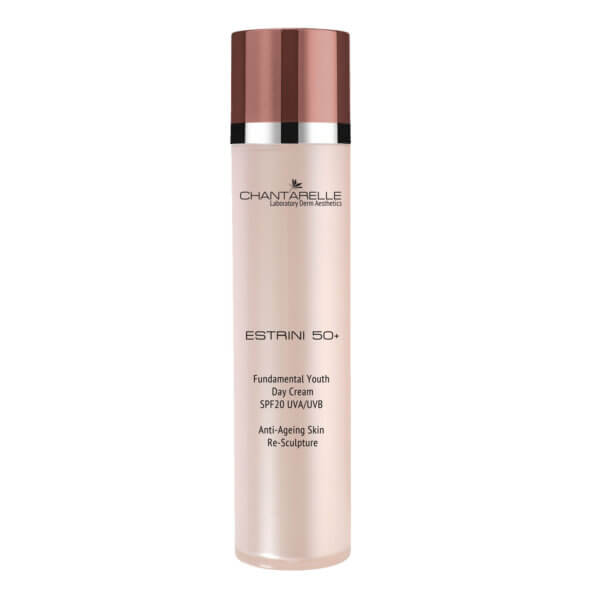 Fundamental Youth Day Cream SPF20 UVA/UVB for the skin of mature women


Cosmetic treatments, Active ingredients in cosmetics, Dermatology, Skin care at home, Tips
Moisturising the face – dry skin problems
Oct
Moisturising the face is the most important aspect of skin care for dry skin. Water is a key ingredient for life, and it is equally important for our skin. Transepidermal water loss (transepidermal water loss: TEWL) is a natural process, subject to complex regulation.
The water content of the stratum corneum is determined primarily by two factors:
– the content of hygroscopic components in the corneocytes, which together are called natural moisturising factor,
– the presence of intracellular lipids that form a barrier to transepidermal water loss.
What is the mechanism of skin hydration?
The epidermis is a layer of about 50 to about 250 um thick. Over this short distance, the water content naturally decreases from more than 70% for the basal layer to less than 20% in the stratum corneum. At the same time, it must be remembered that the water present in the stratum corneum is essential for its proper maturation and exfoliation. Increased TEWL negatively affects proper exfoliation of the epidermis, resulting in dry and flaky skin (Verdier-Sévrain, Bonté 2007). How can we support the skin’s natural protection mechanisms and mitigate the effects of adverse skin changes? Can we improve the condition of our skin and its appearance at the same time through the use of suitable cosmetics and proper care? It is not only possible, but also advisable. The most important thing is to support the skin’s hydration by introducing ingredients that form a barrier protecting it from uncontrolled water loss.
The ingredients in cosmetics that allow us to improve dry skin can be divided into two groups depending on their chemical structure:
– hydrophobic substances,.
– hydrophilic substances.
In the first group of hydrophobic substances, we can mainly include lipids and silicones. Their function is to form a barrier to water (Arct and Pytkowska 2009). The second group of substances is made up of hydrophilic ingredients, which, by effectively binding water, increase its content in the skin. These substances also called humectants – have the ability to bind and retain water from the environment. This group includes hyaluronic acid, urea, glycerol, as well as amino acids, lactates and glycols (Kacalak-Rzepka et al. 2007). Thanks to these ingredients, we can take care of our skin by significantly improving its condition and appearance. Because moisturisation and maintaining proper hydration is one of the most important features of healthy skin and its proper functioning, Chantarelle experts have included moisturising systems in each line that are appropriate for the skin type and problem.
Moisturising facial skin with Chantarelle dermocosmetics
In the Ideal Pure treatment for oily skin, the moisturising formula is composed on the basis of plant extracts, but in the Retinocal Pure treatment for skin with massive inflammatory lesions, the moisturising properties are given by amino acids. Vascular skin and mature skin require different moisturising ingredients. Chantarelle’s treatment lines select the most appropriate moisturising system for each skin type.
The wealth of valuable moisturising ingredients is used especially in the lines:
- Absolute Rich Moisture for increasing the skin’s water reserves and regenerating the hydrolipid barrier
- rebuilding Platinum Peel & Cure with moisturising Sodium DNA, azeloglycine and hyaluronic acid,
- antioxidant Regenevia DNA strongly regenerating and stimulating cell metabolism, with valuable ingredients of marine origin,
- Red Stop for vascular skin and symptoms of rosacea – a line that contains ingredients to enhance hydration,
- regulating Ideal Pure for oily skin with moisturising gluconolactone acid and plant extracts,
- Hydrating-rebuilding Nutri Maxx with 50kDa and 1 MDa hyaluronic acid and peptides,
- Estrini 50+ for mature skin 50+, with rejuvenating phytoestrogens and peptides,
- rejuvenating and depigmenting C’Modular Age with hyaluronic acid stimulator.
 Dr Marcin Wasylewski
Chantarelle Laboratory Derm Aesthetics expert
Literature:
– Arct J, Pytkowska K. Cosmetics for the care of dry skin. Cosmetol. Today. 2009;3:34-7. – Kacalak-Rzepka A, Bielecka-Grzela S, Klimowicz A, Wesołowska J, Maleszka R. Dry skin as a dermatological and cosmetic problem. Annals of the Pomeranian Academy of Medicine in Szczecin. 2008;54(3):54-7. – Verdier-Sévrain S, Bonté F. Skin hydration: a review on its molecular mechanisms. Journal of cosmetic dermatology. 2007 Jun;6(2):75-82.
Chantarelle moisturising cosmetics
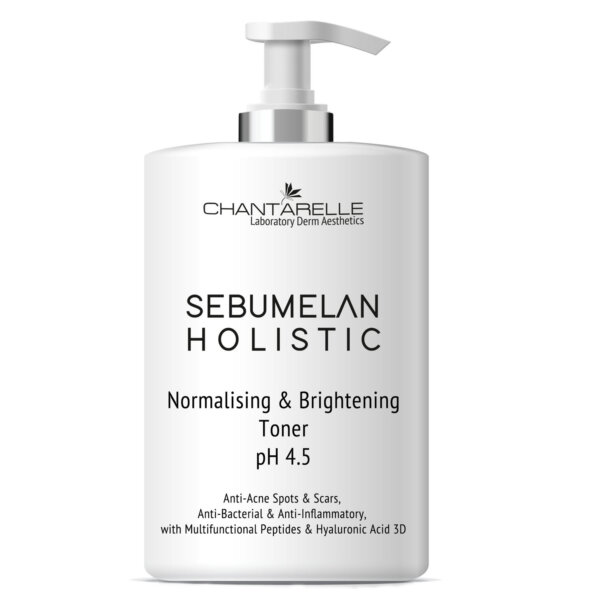
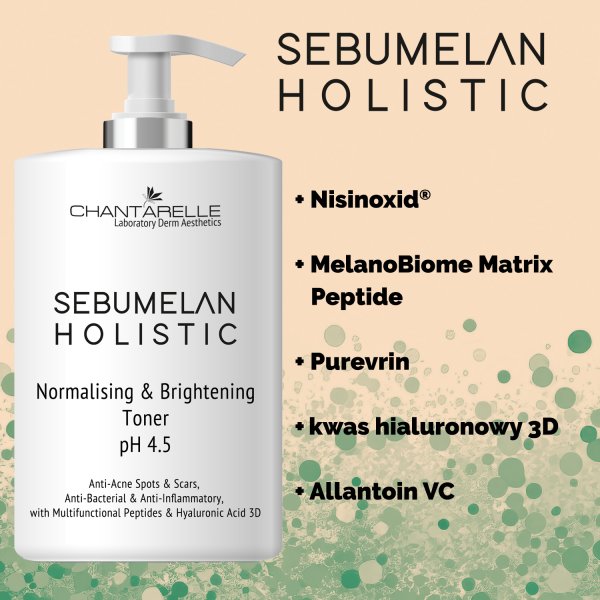
Sebumelan Holistic