Try our novelties and bestsellers!»




-
×
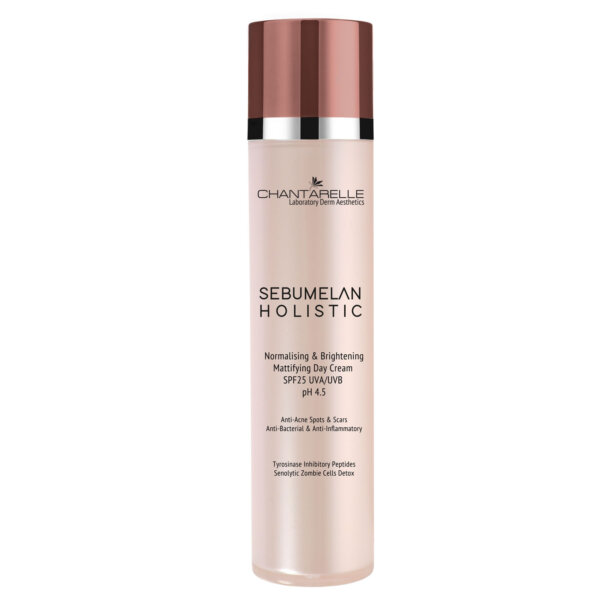 Normalising & Brightening Day Cream SPF20 with Senolytics and PeptidesCD1473Linia: Sebumelan Holistic1 × £ 55,00
 -
×
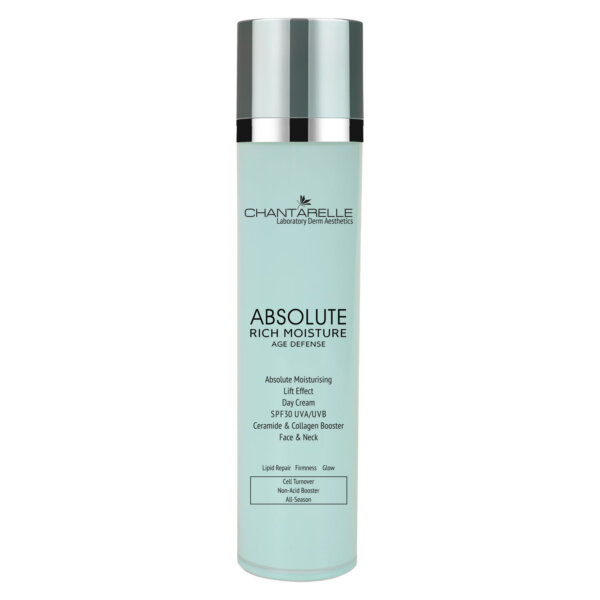 Moisturizing Day Cream SPF30 with Lifting HydroxyprolineCD1478Linia: Absolute Rich Moisture1 × Original price was: £ 56,00.£ 51,00Current price is: £ 51,00.
 -
×
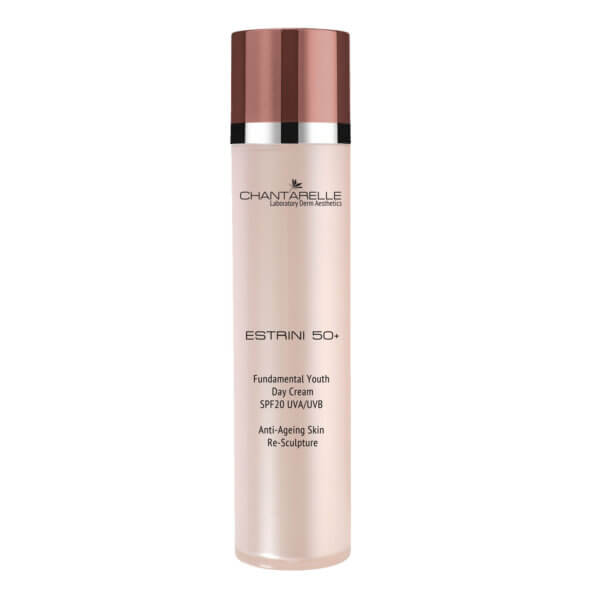 Rejuvenating Day Cream SPF20 with Phytoestrogens and Stimulating PeptidesCD1380Linia: Estrini1 × Original price was: £ 52,00.£ 48,50Current price is: £ 48,50.
 -
×
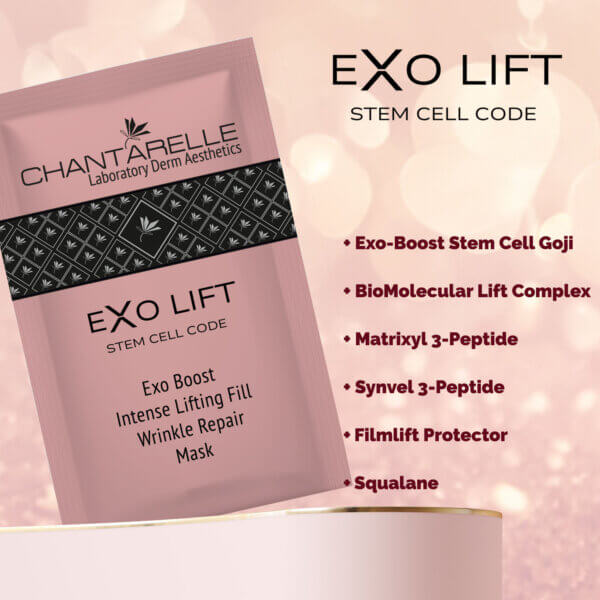
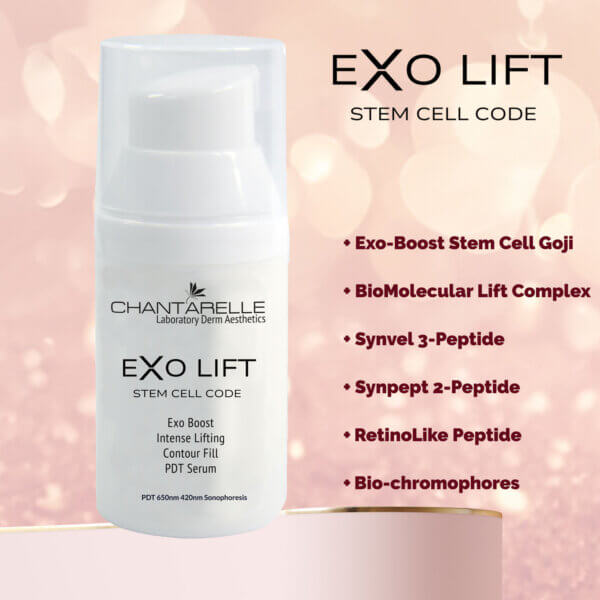
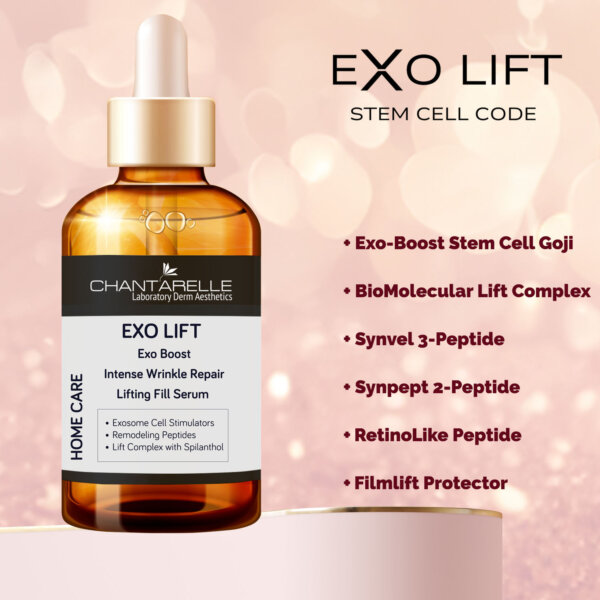
 Lifting Mask with Exosomes and PeptidesCD0866Linia: Exo Lift1 × £ 5,50
 -
×
 Lifting Fill Wrinkle Smoother Night Cream with Exosomes and PeptidesCD1484Linia: Exo Lift1 × £ 79,00


Active ingredients in cosmetics, Aesthetic cosmetology
Peptides – the secret elixir of youth
10
Feb
Feb
Peptides, despite the complicated and relatively expensive process of developing and obtaining peptides, are highly desirable active ingredients in cosmetic preparations. They enable skin repair actions for many skin problems and defects. The spectacular results in the repair of skin parameters make peptides an extremely effective method of non-invasive rejuvenation. Scientists compare their effective action to retinoids without their irritating properties.
The skin changes with age and as a result of negative external and internal factors. Natural cellular change processes cause:
- decrease in the water content of the skin
- loss of tissue volume (mainly a decrease in fat content)
- decrease in hyaluronic acid content (disorganisation of collagen fibres)
- loss of collagen
- loosening of muscle tissue (loss of skin firmness and density)
Changes in the structure and function of the skin due to the passage of time lead to a weakening of its role as the body’s protective barrier, as well as to its visual ageing. Rejuvenating dermocures aim to optimise the physiology of ageing skin and improve its appearance.
Rejuvenating (anti-ageing) cosmetics stimulate:
- epidermal renewal
- produce collagen and elastin
- improve skin tone
- restore the biomechanical properties of the skin, thus restoring a more youthful appearance
The ability of cosmetics to regenerate the skin depends on:
- the active substances used (biologically active)
- base ingredients (substrate)
- form of cosmetic (cream, concentrate, liquid, emulsion, gel)
Substances recognised as “the most effective anti-ageing weapon in cosmetology” are PECTIDES.
Amino acids – peptides – proteins
 The protective hydrolipid mantle of the epidermis is 40% formed by amino acids. They are an essential building block, as well as a substance involved in the biosynthesis of many compounds and processes in cells, such as:
- Arginine – anti-inflammatory, contributes to the stimulation of skin cells,
- Proline – has the highest water binding capacity
- Glycine, alanine, proline – activate collagen synthesis
- Leucine, alanine, glycine – antioxidants (antioxidants) that support natural cell defences
- Serine – regulates the hydrolipidic film
- Lysine – increases the skin’s resistance to viruses
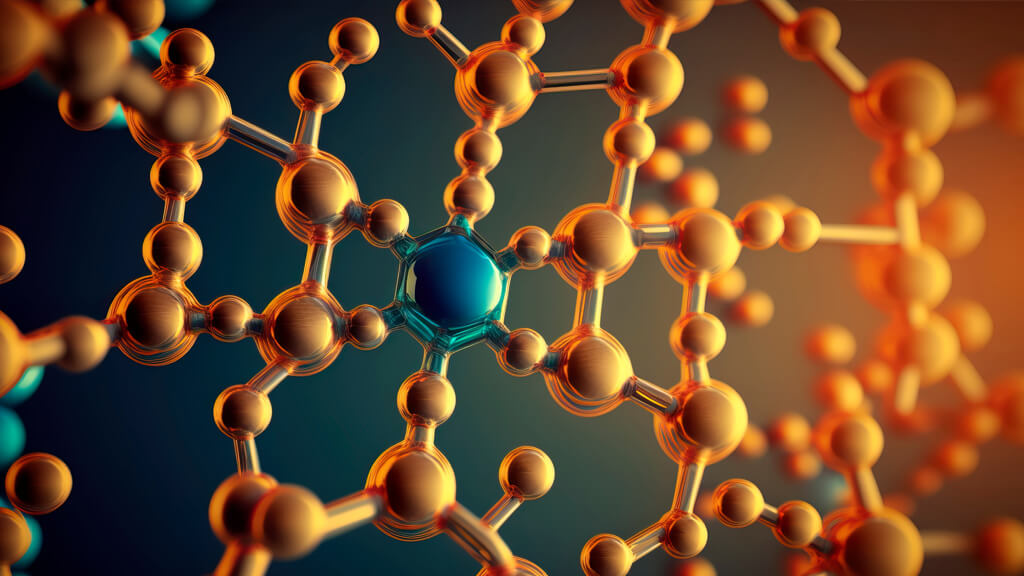
Peptides are organic chemical compounds formed by the assembly of amino acid molecules into chains by means of a peptide bond – at least two or more amino acids.
- oligopeptides – they are composed of 2-9 amino acids, i.e. di-, tri-, tetra-, penta-, hexa-, hepta-, octa- and nonapeptides;
- polypeptides – the chain consists of 10-100 amino acids
- If, however, the number of amino acids in a chain exceeds 100, we are already talking about proteins
Thanks to the latest research, it is possible to produce peptide substances identical to those produced by our body. Their topical application is considered safe, as no allergic reactions to their action have been observed.
Natural and modified peptides
There are currently approx. 300 so-called natural peptides, of which approx. 20 are considered to be the most important, basic peptides. Peptides act as cell messengers in the skin, responsible for transmitting intracellular information, releasing enzymes or regulating cell production processes. The human body’s natural peptides include many hormones (e.g. melanotropin, glutathione, ACTH, insulin). Natural peptides are also found in animal and plant products: milk, silk, soya, wheat, rice, etc.

However, natural peptides are too large to penetrate the stratum corneum of the skin. Therefore, researchers’ efforts have been directed towards producing peptides consisting of specially selected amino acids with the size and/or function to penetrate the dermis. Modified peptides are peptides with a fatty acid chain (e.g. palmitic acid) attached so that the cosmetic product penetrates the epidermis better and reaches its destination more easily. Modified peptides are designed to enhance the action of peptides and increase their reach.
Types of peptides
- Carrier peptides – transport active ingredients deep into the skin. They attach to another ingredient and facilitate its passage to its target site of activity. These are the first peptides to be used, first in preparations to accelerate wound healing and later in rejuvenating cosmetics.
- Signalling peptides – which stimulate protein synthesis, i.e., among other things, the activity of fibroblasts to produce skin support fibres, collagen and elastin, contributing to wrinkle reduction and skin rejuvenation. The most popular signal peptide is palmitoyl pentapeptide, which stimulates the production of collagen I, III and IV.
- Neurotransmitter peptides – selectively relax and relax the muscles responsible for the formation of facial wrinkles (similar to the effects of botulinum toxin). Skin that is subjected to constant tension and wrinkles loses its ability to relax after some time, which causes the first mimic wrinkles to appear. Neurotransmitter peptides counteract these constant strains and tensions.
- Enzyme modulating peptides – inhibit a key enzyme in metabolic processes. They are usually obtained from plant extracts (e.g. soya, rice), without artificial synthesis.
Peptides are ingredients in many new-generation cosmeceuticals (pharmaceutical cosmetics), and the most common are so-called biomimetic peptides, substances that faithfully mimic the mechanism of action of their natural counterparts.