Try our novelties and bestsellers!»




-
×
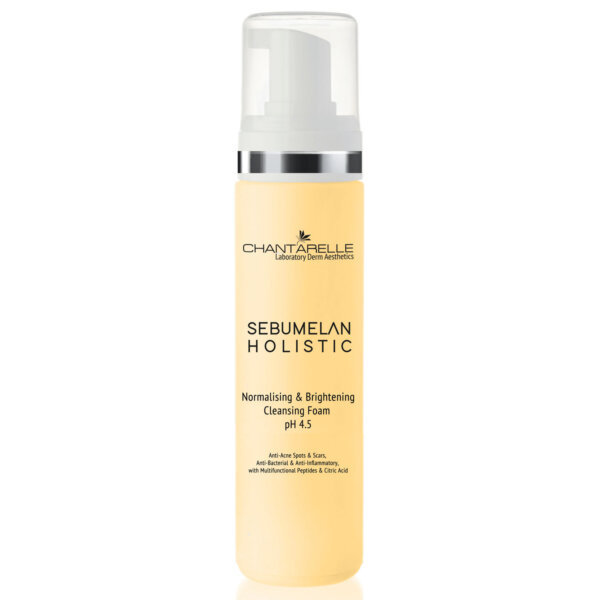 Normalising & Brightening Cleansing Foam with Citric AcidCD0126Linia: Sebumelan Holistic1 × £ 37,00
 -
×
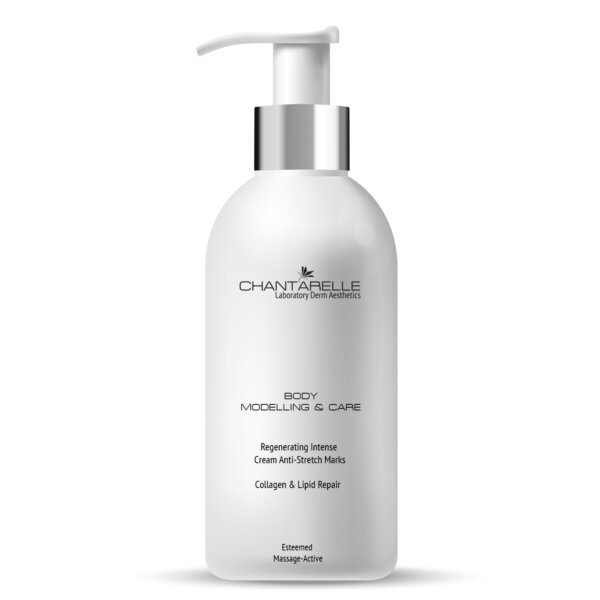 Anti-Stretch Marks Intense CreamCD2002Linia: Body Modelling & Care1 × £ 67,00
 -
×
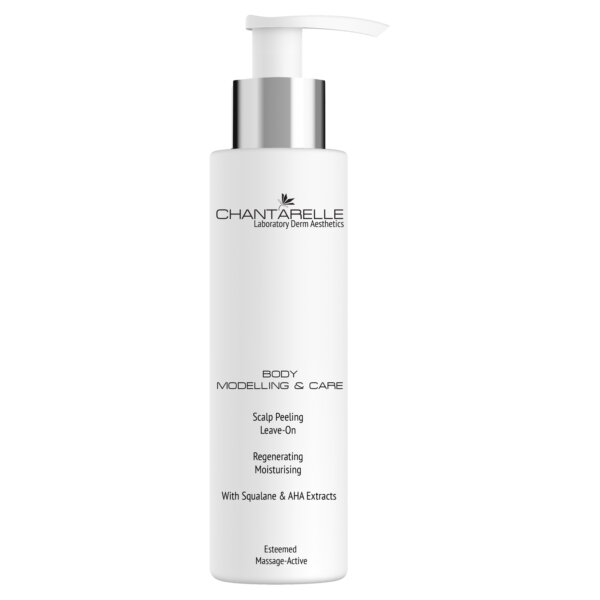 Scalp Peel with Squalane and Organic AHA AcidsCD0423Linia: Body Modelling & Care1 × £ 56,00
 -
×
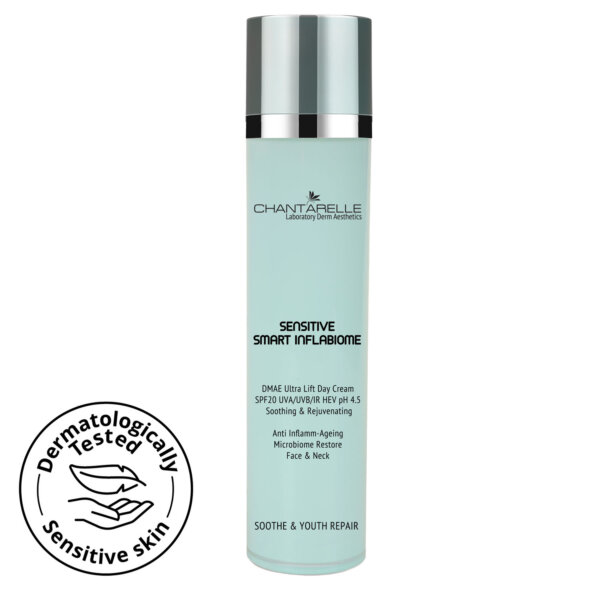 Anti-Inflammatory Day Cream SPF20 Sensitive SkinCD1481Linia: Sensitive Smart Inflabiome1 × Original price was: £ 55,00.£ 49,00Current price is: £ 49,00.
 -
×
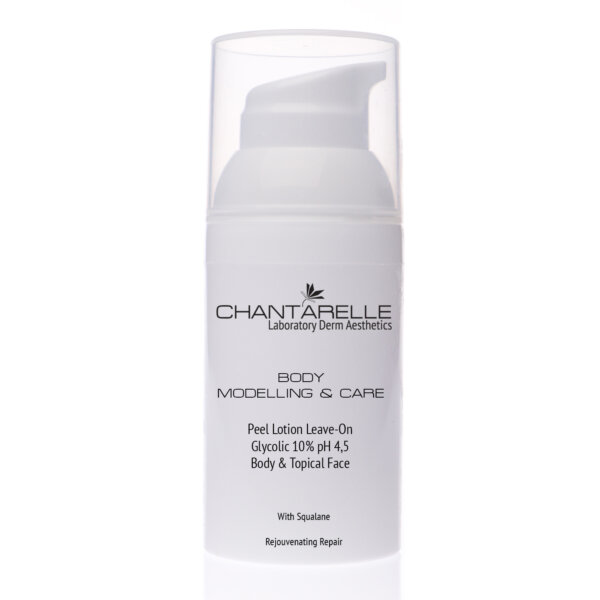 Glycolic Peel 10% pH 4,5 with SqualaneCD2003Linia: Body Modelling & Care1 × £ 46,00
 -
×
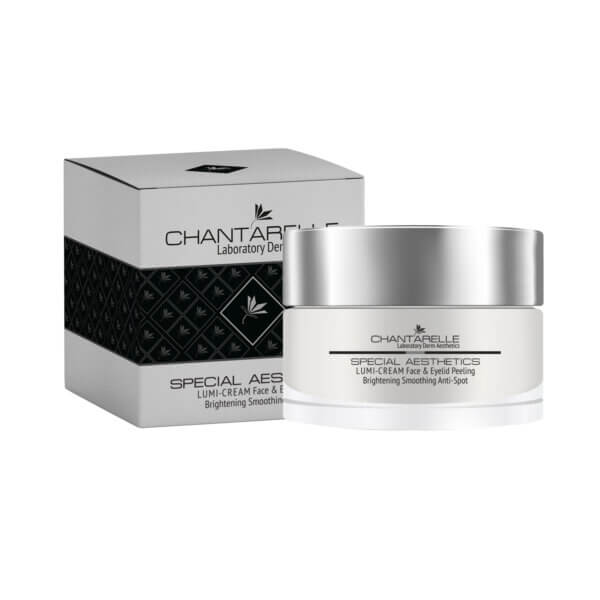 LUMI-CREAM Face & Eyelid Brightening PeelingCD0413Linia: Special Aesthetics1 × £ 31,00


Active ingredients in cosmetics
Pineapple – plants in cosmetics
14
Aug
Aug
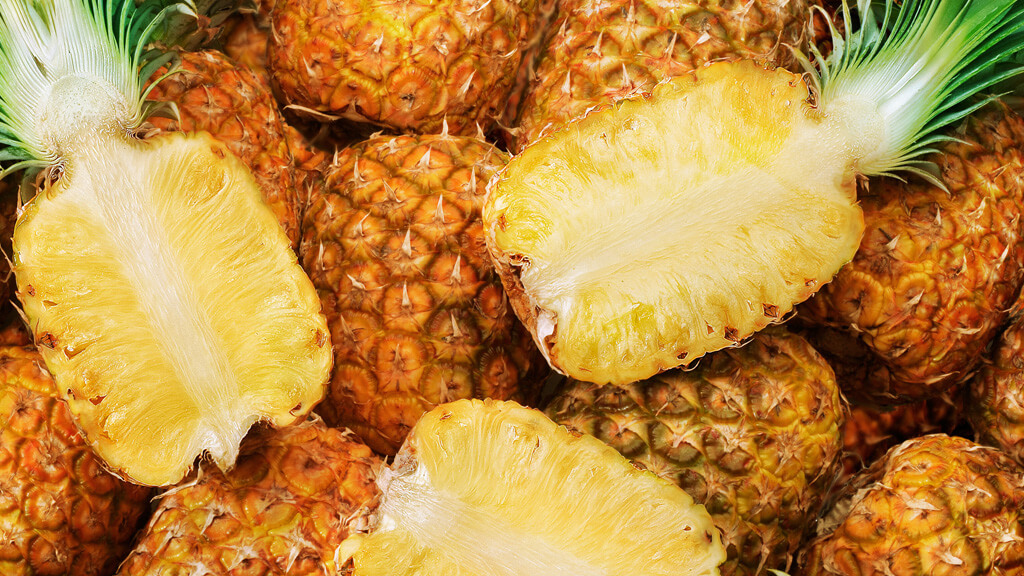
Ananas (Ananas sativus) – of the Bromeliaceae family, is a perennial plant growing up to 1-1.5 m. Its fruit is juicy and fleshy with a fibrous core. The hard, waxy skin can be dark green, yellow, orange-yellow or reddish. The flesh ranges in colour from white to yellow.
History of the pineapple
The pineapple is native to southern Brazil and Paraguay, where there are wild varieties. The plant was spread by the Indians even before the arrival of Columbus. Its original name at the time was “nana” – meaning something fragrant and derived from the Indian language. In 1493. Columbus discovered the fruit in Guadeloupe and brought it to Spain, and there it was popularised by sailors eating pineapple to protect themselves from scurvy. It arrived in England in the 17th century and began to be cultivated in greenhouses. In Poland at the same time, King Stanislaus Augustus’ brother, Kazimierz Poniatowski, also established pineapple greenhouses in Warsaw’s Frascati Gardens, where up to 5,000 fruits were harvested annually. However, this cultivation was expensive, so the price of the fruit was extremely high. From the second half of the 18th century, pineapples became very fashionable on the tables of the nobility, and the magnates of Europe wanted to serve this rare fruit at their feasts. At the time, pineapples grown in greenhouses were quite sour, so they were soaked in water and sweet wine. A major influence on the popularity of this transport-sensitive fruit was the establishment of the first canning factory in 1906. “Canned pineapple” became known all over the world.
Culinary and medicinal uses of pineapple
Freshly picked pineapple contains sugars (sucrose, glucose and fructose), citric and malic acids, proteins, fibre and vitamins (mainly A and C), as well as enzyme bromelain. The large juicy and aromatic fruit is suitable for consumption both raw and after processing, as juice, jam, compote. In folk medicine, pineapple is used to prevent ulcers, accelerate wound healing and to reduce inflammation and tissue irritation. Bromelain is an enzyme that facilitates digestion, which is why pineapple extract is now often used in supplements to aid weight loss.
Pineapple in cosmetology and cosmetics
One of the most important cosmetic properties of pineapple extract ist the regulation of transepidermal water loss (TEWL). This activity is due to its content of carbohydrates and AHA acids. Carbohydrates are active ingredients widely used in cosmetics. Mono- and oligosaccharides are hygroscopic, i.e. they bind water contributing to the maintenance of a healthy hydration level of the stratum corneum. These compounds form hydrogen bonds with water molecules, protecting against excessive water loss and reducing dehydration. In addition, some of them coat the skin with a thin, protective film, precisely reducing transepidermal water loss. AHA acids are also hygroscopic, non-toxic compounds. In addition, all representatives of this group promote natural keratinisation and exfoliation of the skin. Acids with multiple hydroxyl groups can be called moisturising antioxidants, additionally very gentle on the skin. This is why we find pineapple in cosmetics with moisturising, skin softening and slightly exfoliating effects.
Collagen stimulation
Pineapple extract also has the effect of stimulating the production of collagen I and III in the skin thanks to the presence of vitamin C. This process results in faster healing of traumatic wounds, burns or surgical marks. The action of vitamin C is also beneficial for the formation of new tissue. This is why pineapple extract is used in anti-ageing, regenerating and firming cosmetics. Vitamin C is also a powerful antioxidant, scavenging free radicals, very useful in the fight against photo-ageing. Therefore, pineapple extract is recommended for protecting the integrity of the skin and hair against oxidation processes.
Pineapple in Chantarelle cosmetics
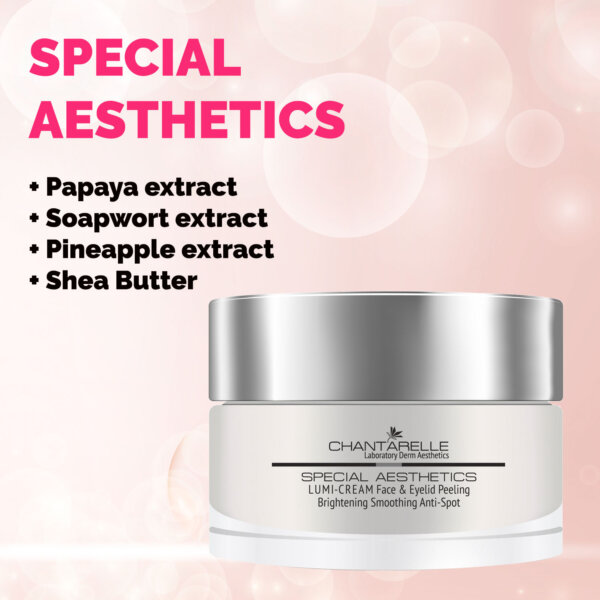
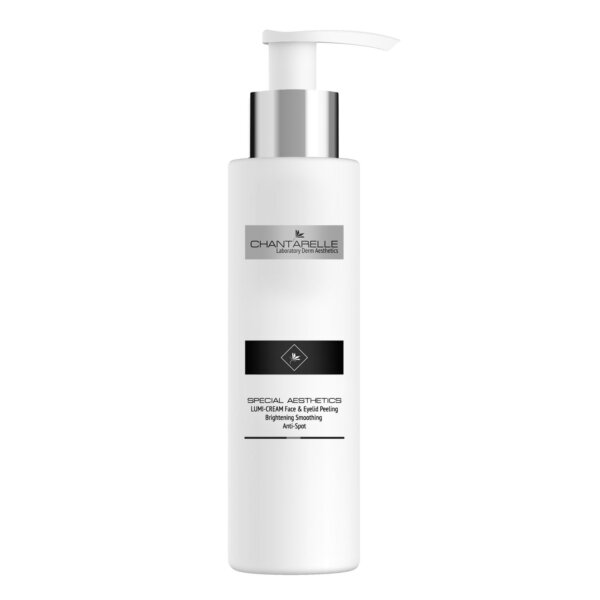
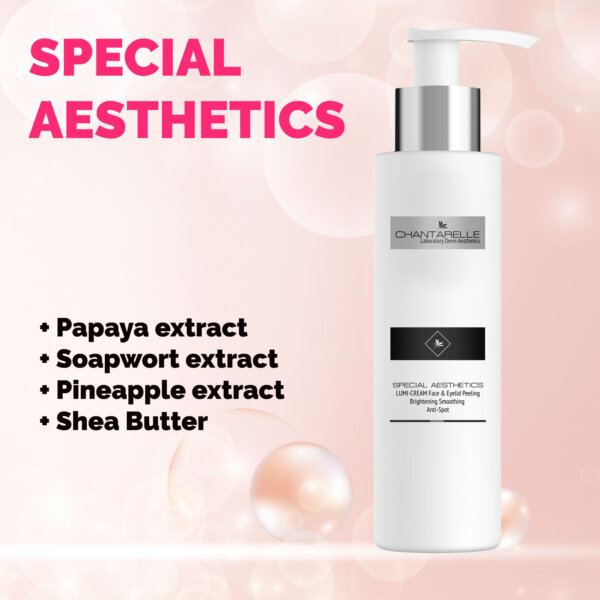
Out of stock
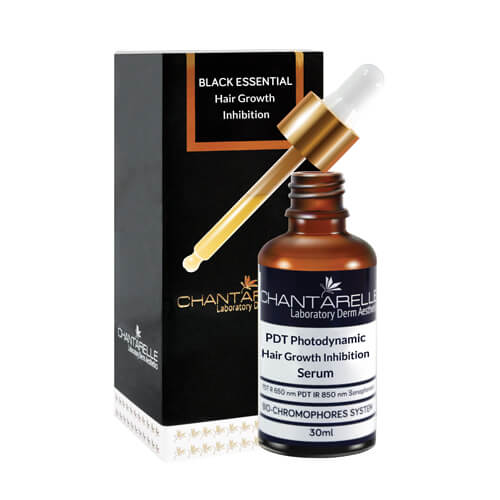
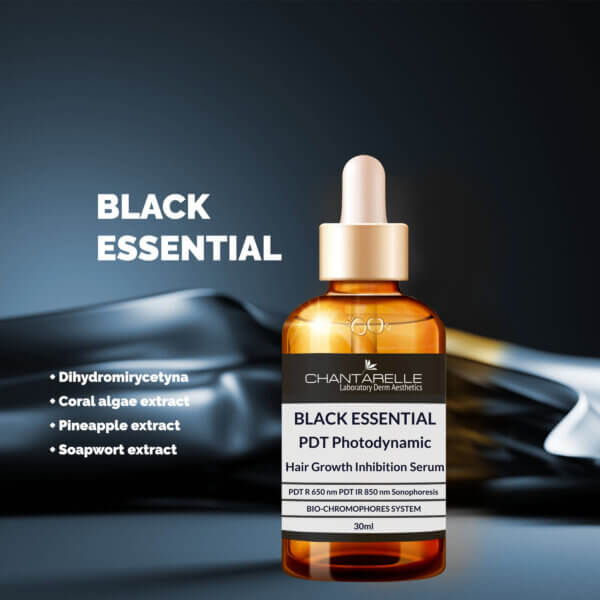
Out of stock