Try our novelties and bestsellers!»




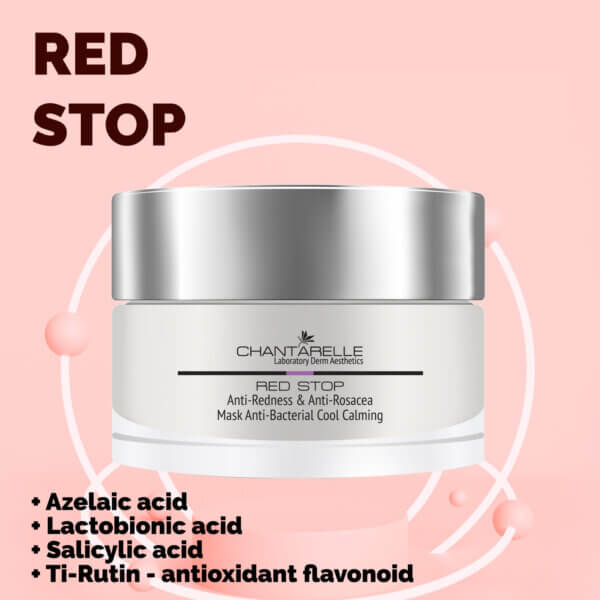
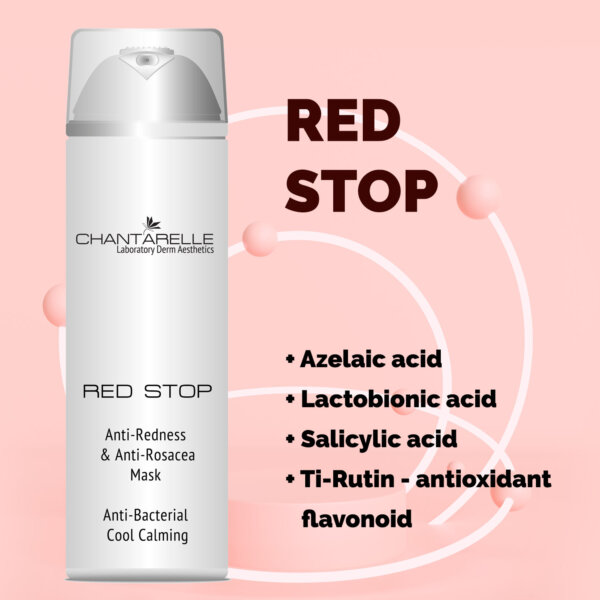
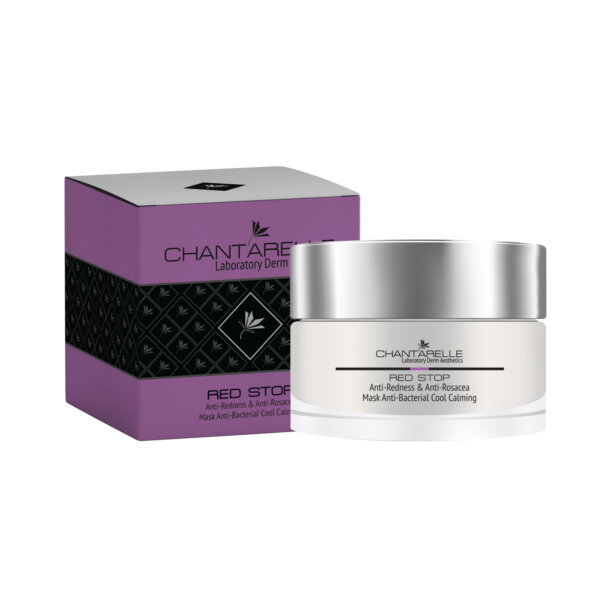 Soothing and cooling mask for sensitive skin with symptoms of rosacea


Dermatology, Skin care at home, Tips
Rosacea – can it be prevented?
Nov
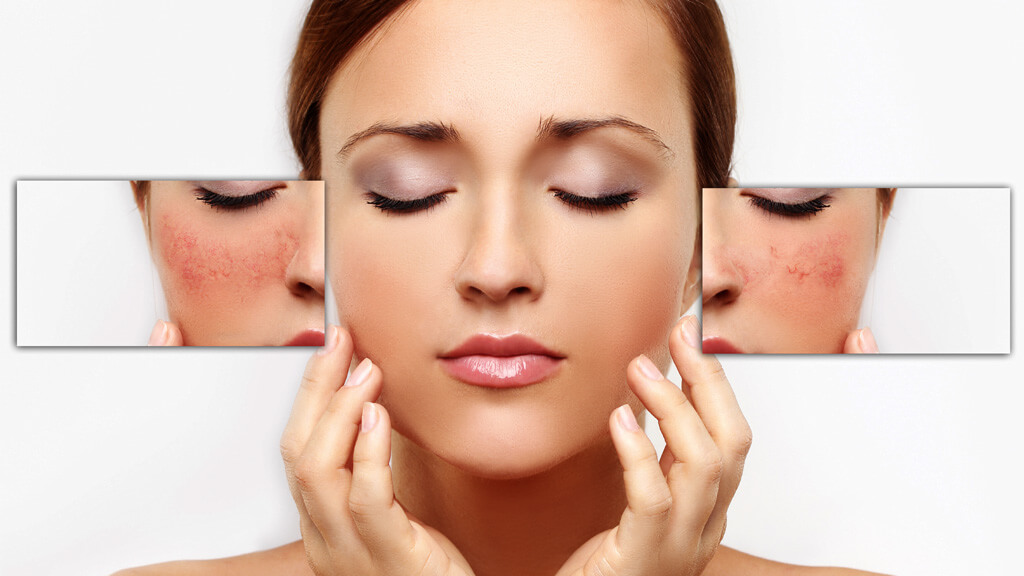
Rosaceous acne is a mild but troublesome skin condition that usually appears after the age of 30 in both men and women. It has a rather characteristic course associated with the appearance of erythema, pustules and papules especially on the cheeks, nose and forehead. A characteristic feature is paroxysmal erythema occurring in stressful or emotional situations, after eating something spicy or drinking alcohol. Skin with rosacea is sensitive, reactive and easily irritated.
The exact cause of rosacea is not yet known, there are only a few hypotheses, the predominant one being that there are multiple factors in the formation of the condition – more here.
How to reduce the symptoms of rosacea?
Unfortunately, scientists do not have good news. As the cause of rosacea is not yet known, at this point no countermeasure is known to science. However, if there is someone in your family who has or is suffering from rosacea there are a few things you can do to possibly delay the disease, ease its course and reduce its symptoms:
- avoid alcohol, hot spices and processed food (sausages, sweets)
- keep a hygienic lifestyle – sleep, exercise, minimise stress
- avoid overheating your face during winter
- always use a high SPF sunscreen
- avoid tanning, including tanning beds
- choose dermocosmetics carefully, always test them on a small patch of skin
Risk factors for rosacea
- light complexion
- light or red hair
- green or blue eyes
- sensitive and reactive skin
- family history of the disease (30% of patients have a person with rosacea in their family)
If you suspect you have the first signs of rosacea, the best course of action is to make an appointment with a dermatologist or cosmetologist to discuss the best treatment strategy for you, choosing medication or appropriate dermocosmetics.
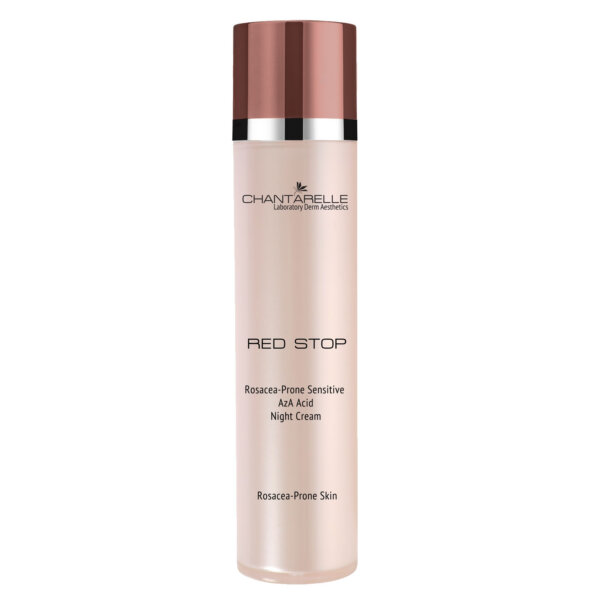
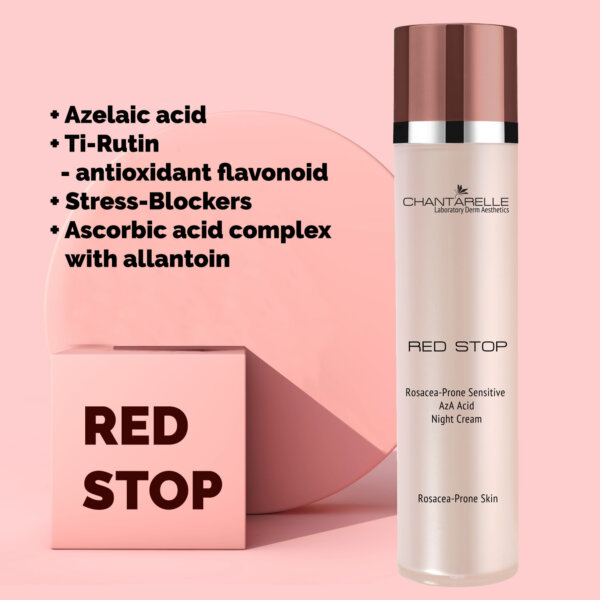
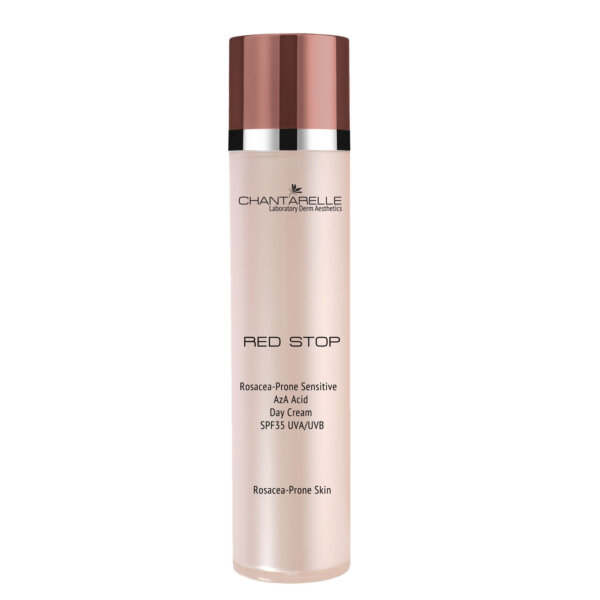
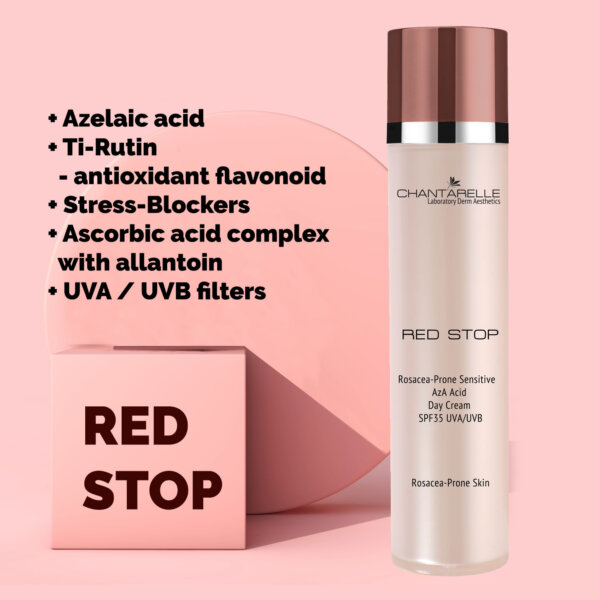
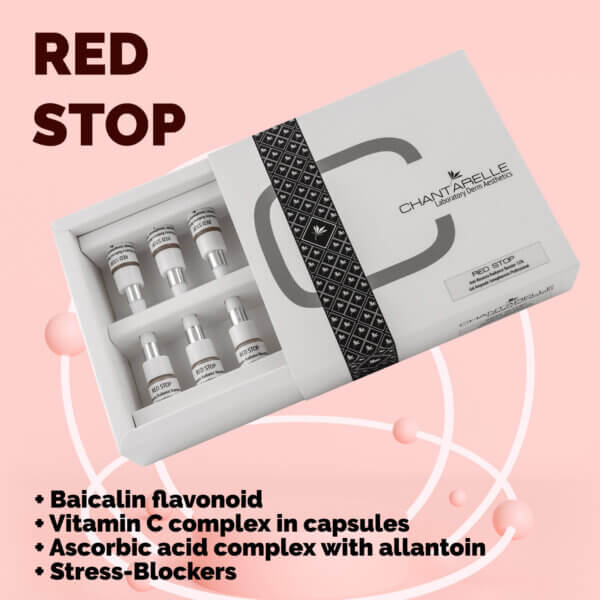
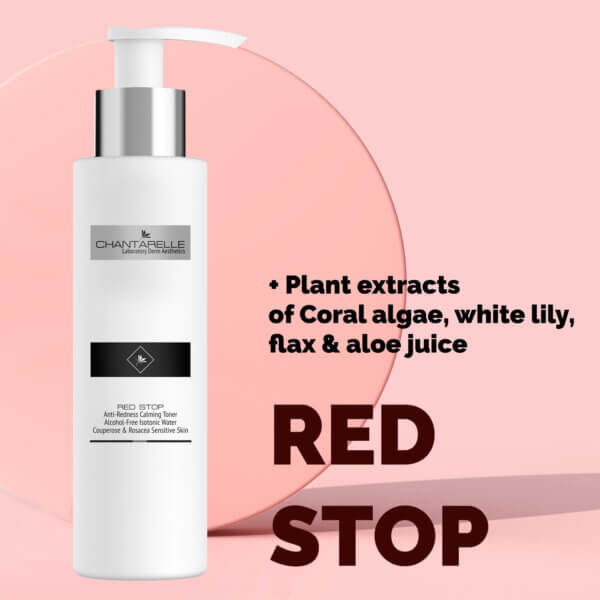
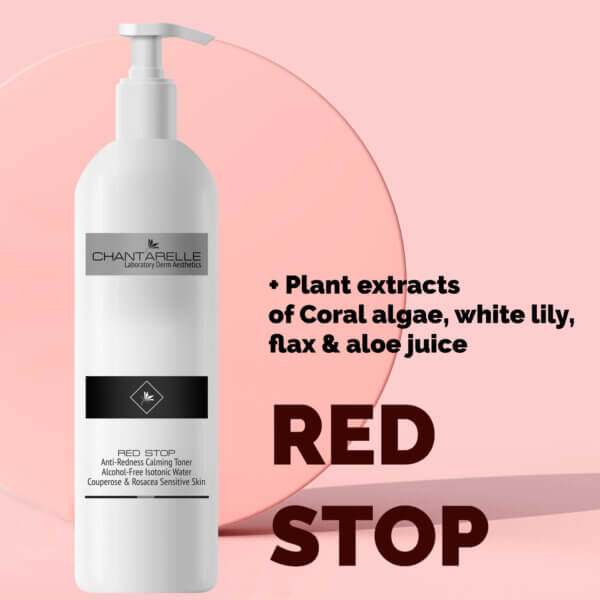
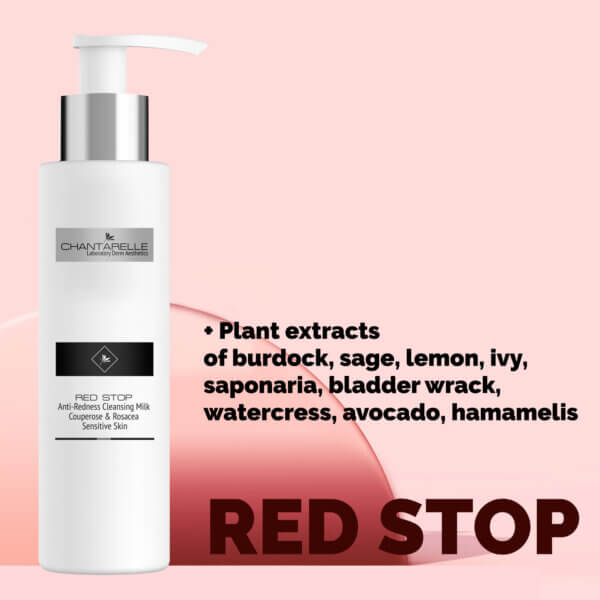
Chantarelle cosmetics for rosacea symptoms