Try our novelties and bestsellers!»




-
×
 Fundamental 26% youth concentrate for the skin of mature women
1 × 52,00 £
Fundamental 26% youth concentrate for the skin of mature women
1 × 52,00 £ -
×
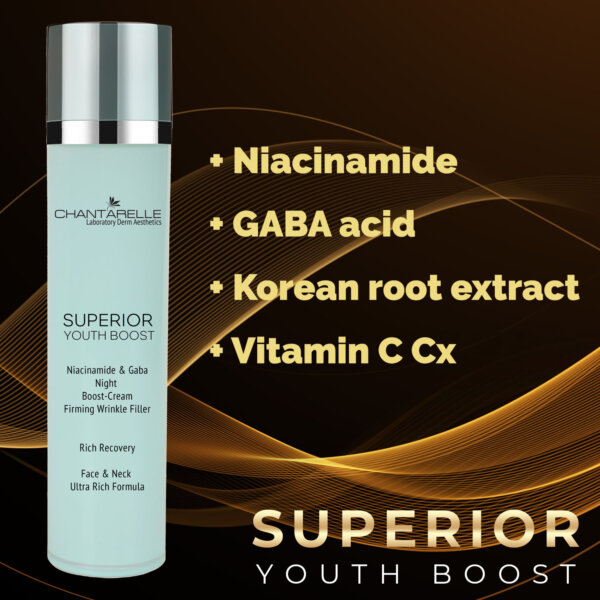
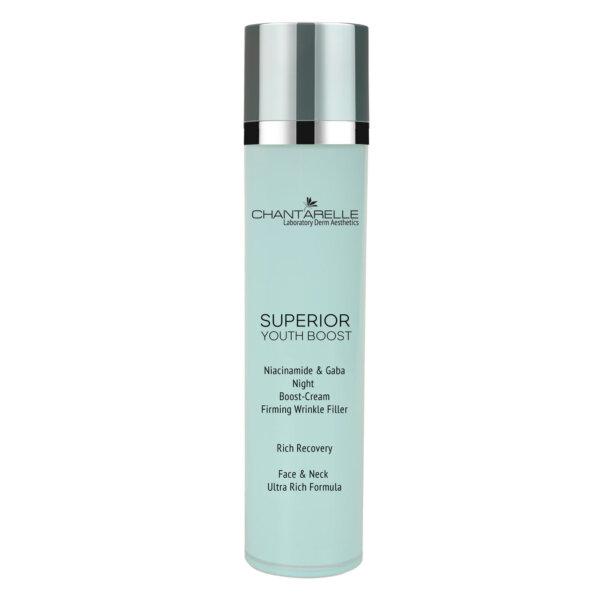 Boost Night Cream with niacinamide and GABA acid
1 × 56,00 £
Boost Night Cream with niacinamide and GABA acid
1 × 56,00 £ -
×
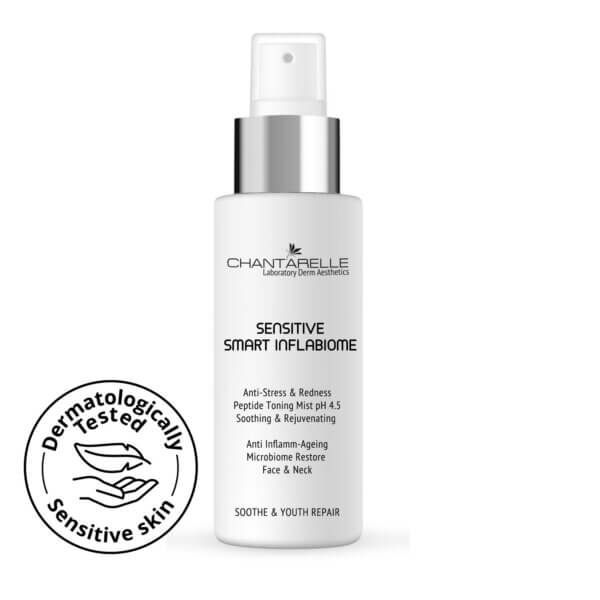 Toning peptide mist pH 4.5 for sensitive skin, anti-stress and soothing
1 × 32,00 £
Toning peptide mist pH 4.5 for sensitive skin, anti-stress and soothing
1 × 32,00 £ -
×
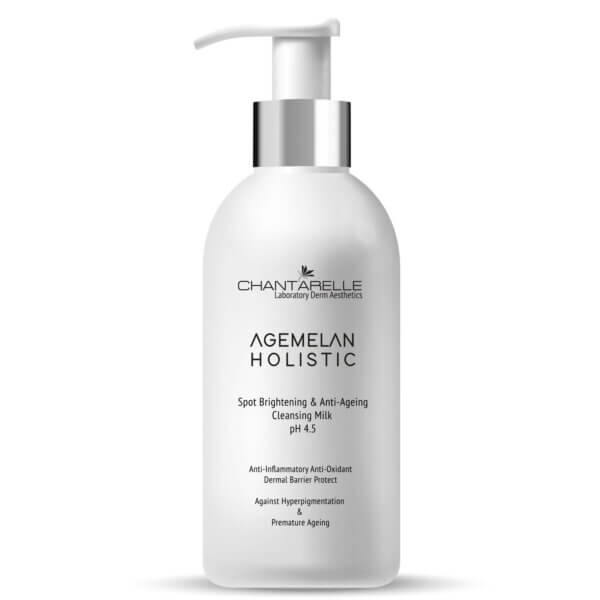 Cleansing milk pH 4.5 to rejuvenate and lighten blemishes
2 × 26,00 £
Cleansing milk pH 4.5 to rejuvenate and lighten blemishes
2 × 26,00 £ -
×
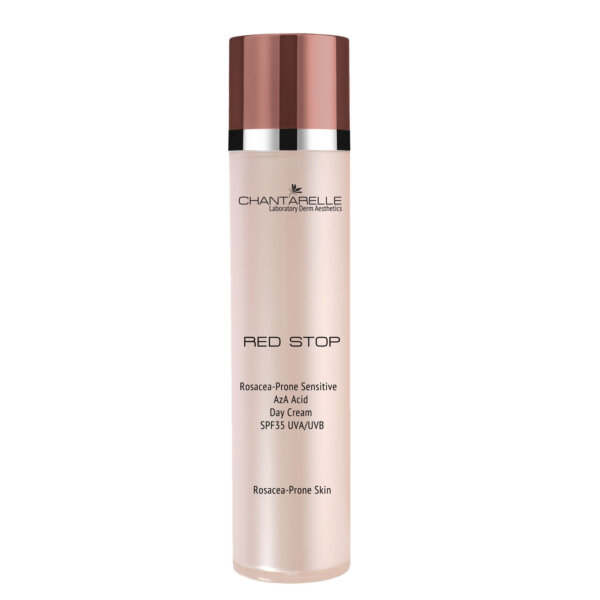 Day cream for sensitive skin with symptoms of rosacea SPF35 UVA/UVB
1 × 42,00 £
Day cream for sensitive skin with symptoms of rosacea SPF35 UVA/UVB
1 × 42,00 £ -
×
 AGE Collagen Regeneration night cream, anti-glycation, rejuvenating, antioxidant
1 × 52,00 £
AGE Collagen Regeneration night cream, anti-glycation, rejuvenating, antioxidant
1 × 52,00 £



Cosmetic treatments, Dermatology, Skin care at home, Tips
Skin discolouration on the face – how to prevent and reduce it
14
Nov
Nov
Facial skin discolouration is one of those holiday souvenirs that are unwanted. It is therefore worth taking the time to learn a little more about them: how they form, what causes them, what influence we have on their formation and how we can counteract and combat them.
Skin pigmentation disorders can have a variety of causes, both internal and intrinsic. Knowledge of the causes and the mechanism of onset will allow us to avoid the dangers that cause them, as well as to seek the right remedies once the changes have occurred.
Typical internal factors causing hyperpigmentation can be inflammatory processes, the influence of medicinal substances and, among external factors, the most important is the effect of UV radiation.
It is worth remembering that this can be natural solar radiation reaching the earth’s surface and our skin through the atmosphere, but it can also be artificially produced radiation. Currently, more and more attention is being paid to the effect of blue light on the skin also in terms of skin pigmentation (Kleinpenning et al. 2010). Environmental pollution is also an important and unfortunately growing cause of changes in skin pigmentation.
Facial skin pigmentation – types
Focusing on the group of facial hyperpigmentation, they should be divided into:
– hyperpigmented lesions (freckles, lentiginous nevi, chloasma)
– hypopigmented lesions (discolouration).
Underlying the changes themselves and the distinction are the mechanisms of melanogenesis. Melanin is a vast group of different compounds, but the amount of melanin in the skin is important, as well as its distribution and transport, and cellular processes such as proliferation and migration (Rok et al. 2012). Each lesion has its own characteristics, which translates into the best ways to prevent and remove such lesions (Plensdorf and Martinez 2009).
Pigmentation, lentiginous spots, chloasma – imperfections after the sun
The most common pigmentation spots are pies. These are patches with a typical diameter of 1 to 2 mm characterised by an even colouration and a clearly defined border. Their number can range from single spots to hundreds. They usually appear in childhood on exposed skin surfaces under exposure to the sun, but a genetic factor is important. Bleaching therapy is not applied to them, but it is possible to use the same techniques as for lentigines. Lentiginous spots are hyperpigmented lesions usually 1 to 3 cm in size with a colour ranging from light yellow to dark brown. They appear on the surface of the skin due to chronic or intense exposure to UV radiation. They are caused by excessive melanocyte proliferation and differ from freckles, where the mechanism is excessive melanin production. Treatment of lentigines includes techniques such as peels, cryotherapy and laser therapy, as well as superficial anti-pigmentation measures. Another common pigmentary disorder is ostudiosis. These are spots that appear on exposed areas of the skin, but their occurrence is related to hormonal management. They may appear during pregnancy, but also due to the use of hormone therapy and drugs of the anticonvulsant group, or may be idiopathic. Osteoporosis is more common in people with darker complexions (phototype IV to VI) and is nine times more common in women than in men. Retinoids are used in the treatment of chloasma, as well as exfoliants with a brightening effect such as azelaic acid. Another type of lesion is cafe au lait spots. Their name comes from the French language and means coffee with milk and at the same time the colour of these spots. They can range in size from 1 to 20 cm. They can occur in any location of the body. They are epidermal in nature and are associated with the overproduction of melanin in melanocytes. Laser therapy is used against them.
Treatments and dermocosmetics for hyperpigmentation, spots and imperfections
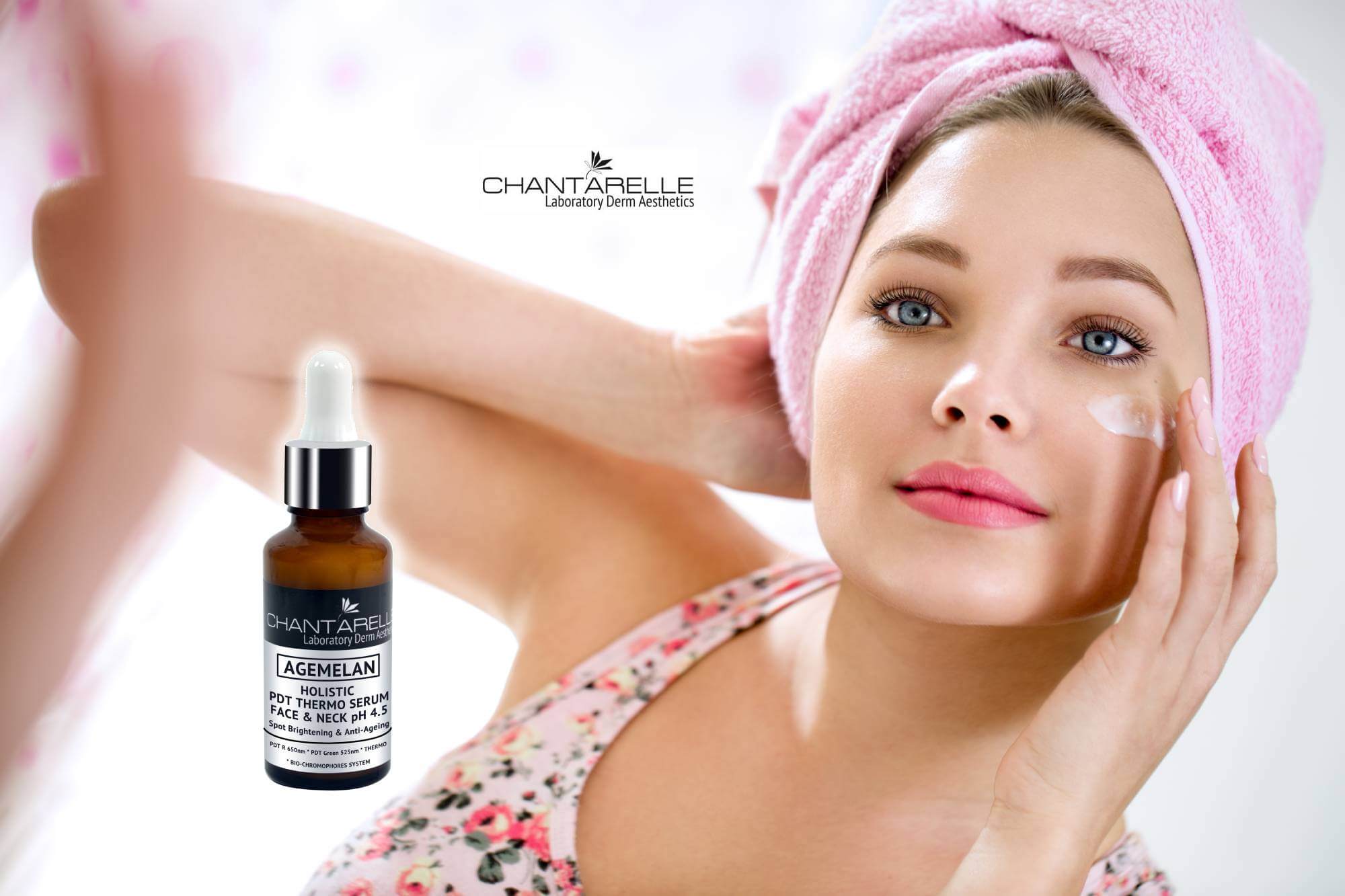
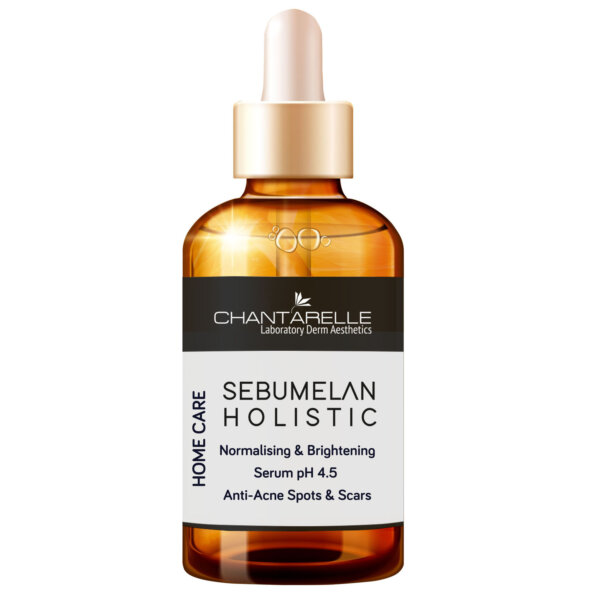
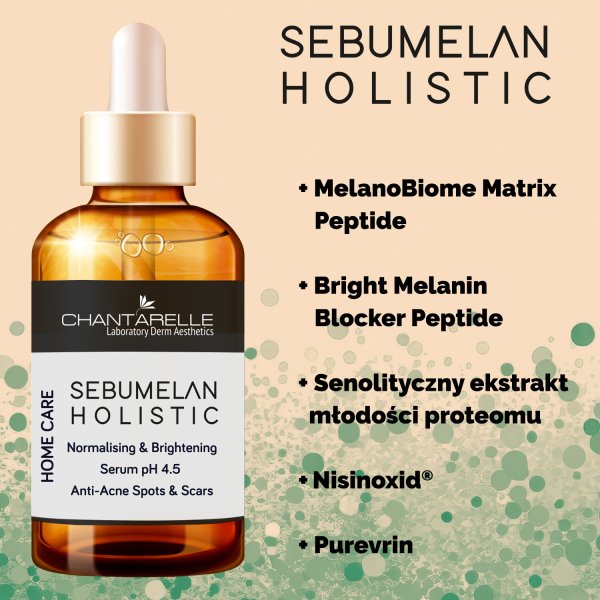
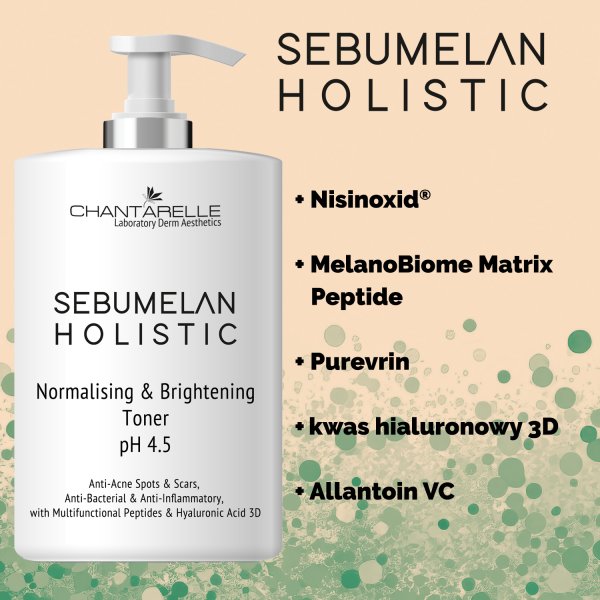
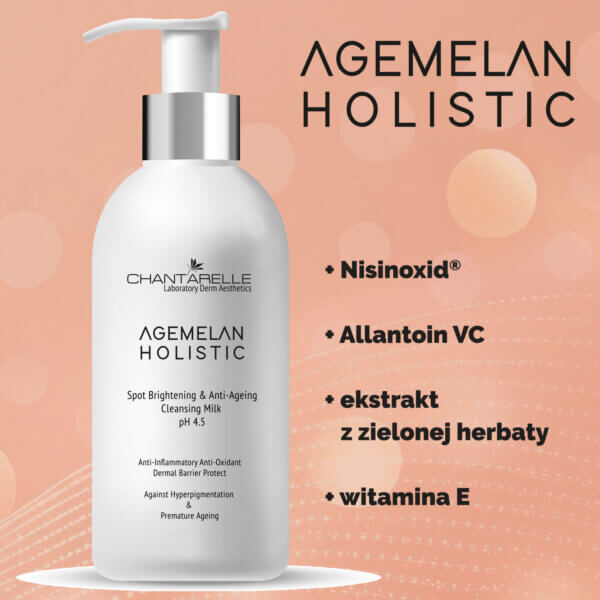
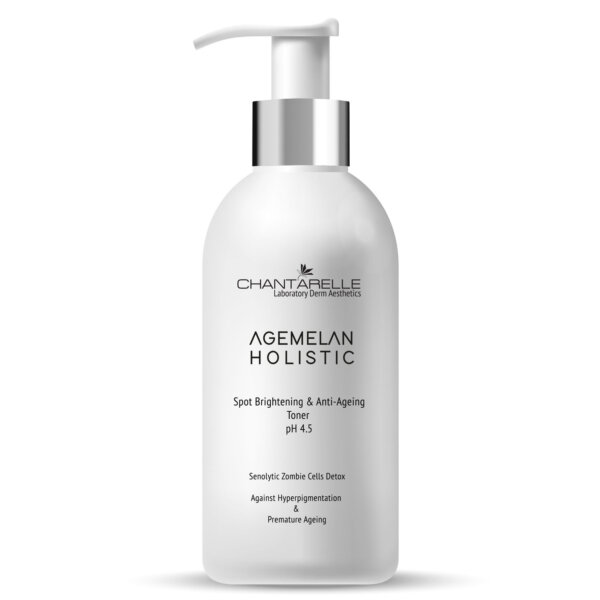
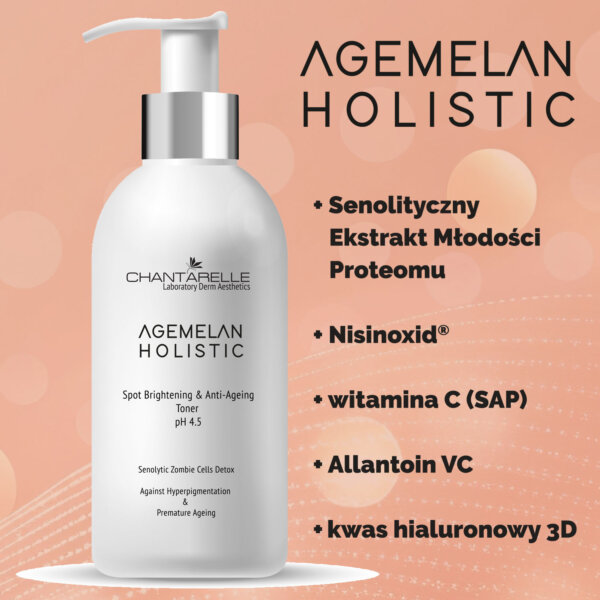
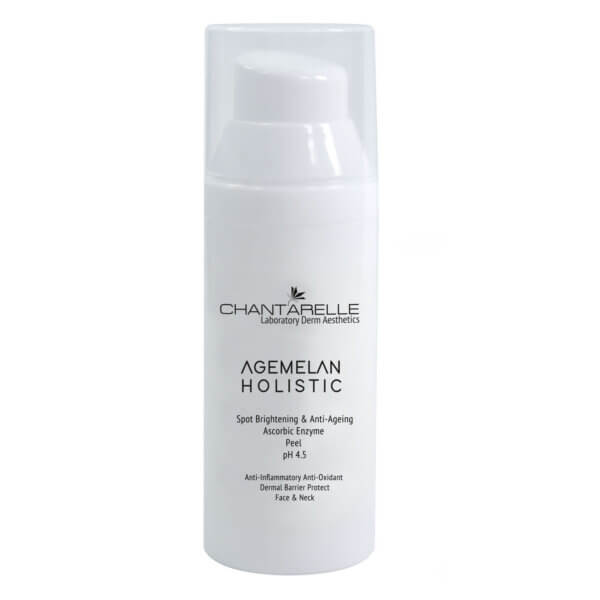
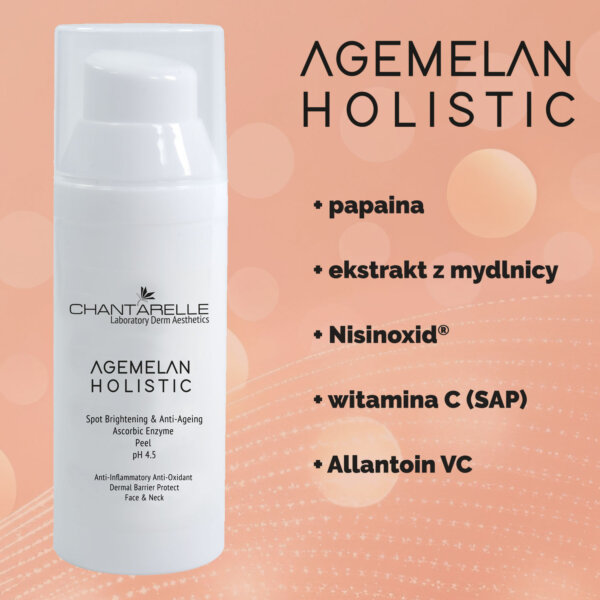
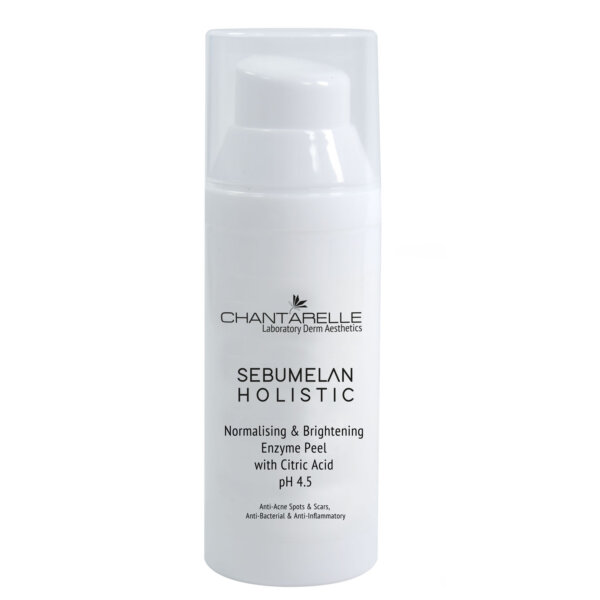
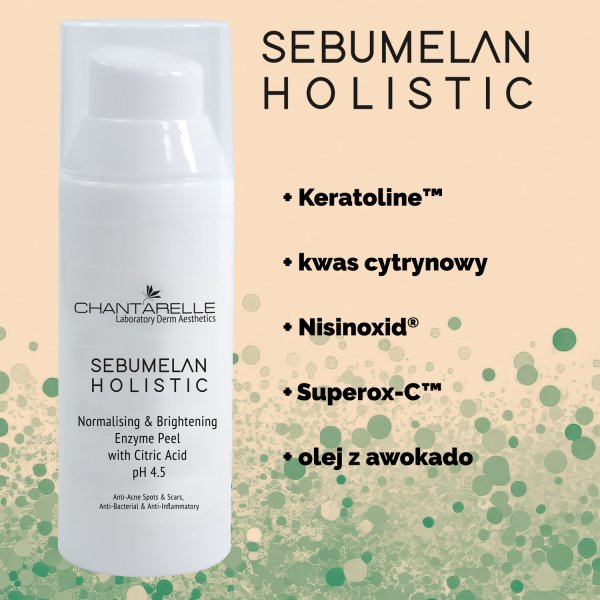
Are we helpless against these skin problems? Not at all – in summer, it is absolutely essential to remember to use photoprotective filters. And when summer is over? It’s time to visit a cosmetologist, choose the right cosmetics or resort to peels or laser therapy. The offer Chantarelle includes many treatments that effectively and permanently reduce hyperpigmentation of various aetiologies: Agemelan Holistic – an innovative rejuvenation and repair programme with a pH of 4.5 and brightening of hyperpigmentation and colour, for skin with phototype I-IV. It is a holistic skin renewal system against pigmentation changes, accelerated skin ageing. Sebumelan Holistic – a state-of-the-art brightening and normalising programme at pH 4.5 for the reduction of post-inflammatory hyperpigmentation and scars, designed for oily, acne-prone and combination skin with irritation and signs of inflammatory changes. C’Modular Age – treatment with vitamin C, modern whitening, antioxidant ingredients (sonophoresis and iontophoresis application). Chemical peels with M-acids:. – pyruvic acid, kojic acid, lactic acid, glycolic acid, citric acid – for sensitive skin: azelaic acid, lactobionic acid and ferulic acid. LLLT laser photodynamic treatments:. – Platinum Peel & Cure Melaner 46% pH 3.0 for skin with hyperpigmentation of various aetiologies – Serum PDT Black Essential for the reduction of hyperpigmentation
 Dr Marcin Wasylewski
CHANTARELLE Laboratory Derm Aesthetics expert
Literature:
– Kleinpenning MM, Smits T, Frunt MH, Van Erp PE, Van De Kerkhof PC, Gerritsen RM. Clinical and histological effects of blue light on normal skin. Photodermatology, photoimmunology & photomedicine. 2010 Feb;26(1):16-21. – Plensdorf S, Martinez J. Common pigmentation disorders. American Family Physician. 2009 Jan 15;79(2). – Rok J, Otręba M, Buszman E, Wrześniok D. Melanin-from melanocyte to keratinocyte, or how melanin transport occurs in the skin. InAnnales Academiae Medicae Silesiensis 2012 (Vol. 1, No. 66, pp. 60-66).
Learn about cosmetics for hyperpigmentation
New
New
Sebumelan Holistic
New
New
New
New
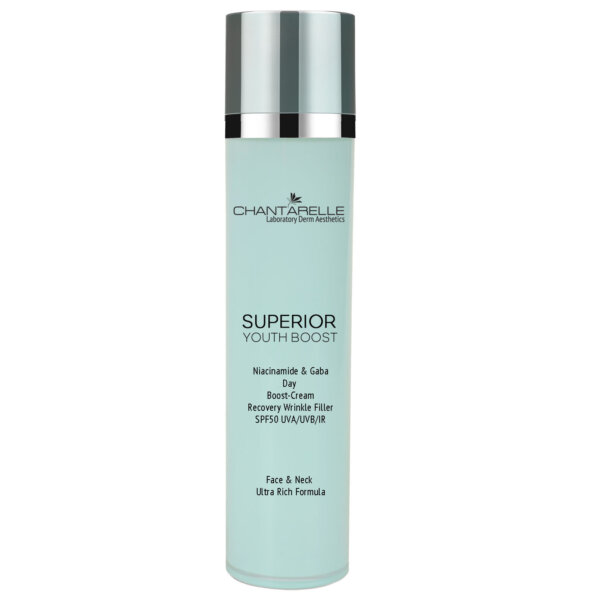
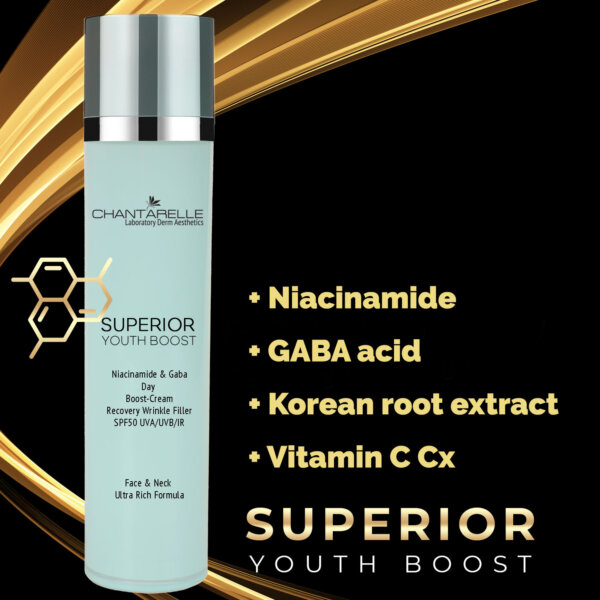
Superior Youth Boost
Boost Day Cream SPF50 UVA/UVB/IR/HEV with niacinamide and GABA acid
55,00 £
Add to basket