Try our novelties and bestsellers!»



-
×
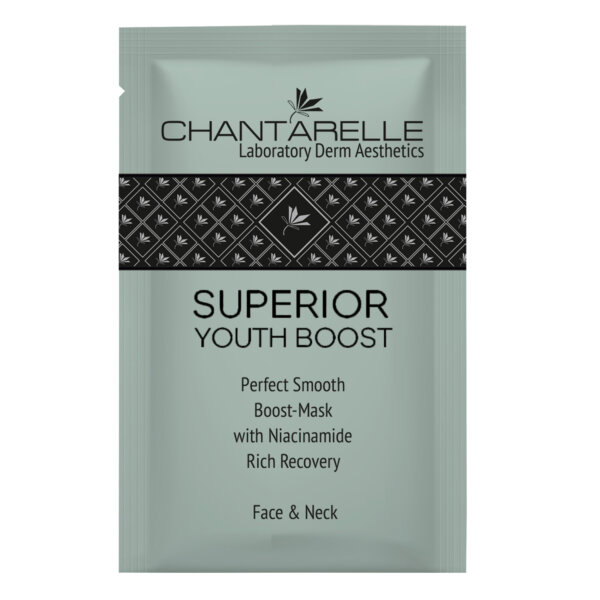 Boost-Mask with niacinamide Perfect Smooth
1 × 3,90 £
Boost-Mask with niacinamide Perfect Smooth
1 × 3,90 £ -
×
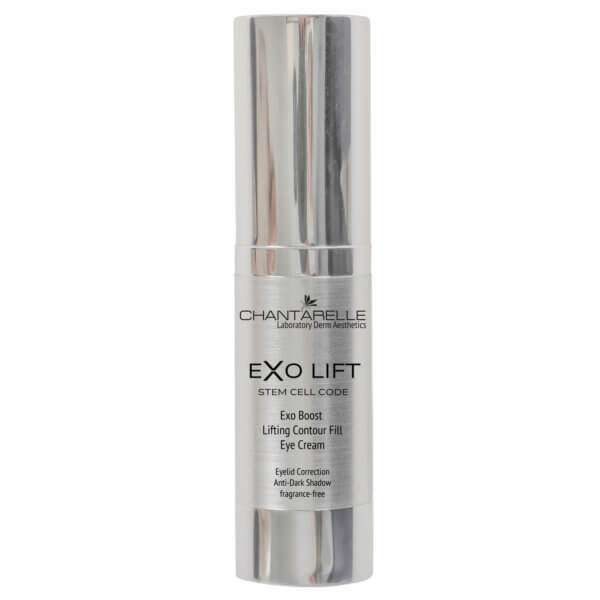 Eyelid and under-eye lifting cream - Exo Boost exosome stimulator, fragrance-free
1 × 62,00 £
Eyelid and under-eye lifting cream - Exo Boost exosome stimulator, fragrance-free
1 × 62,00 £ -
×
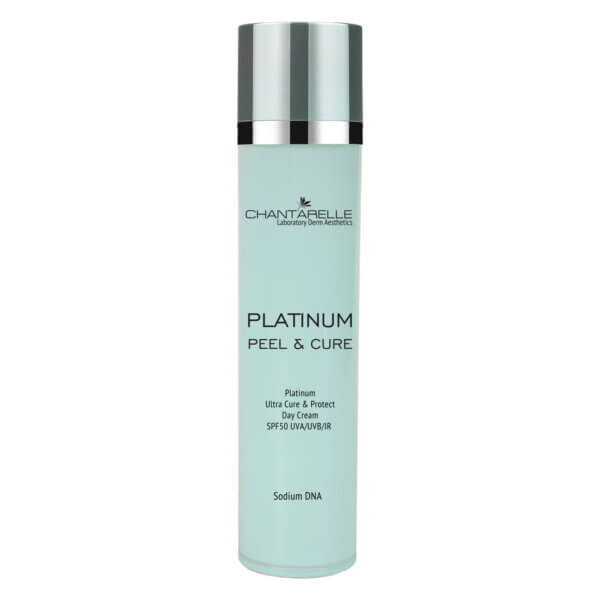 Platinum Day Cream SPF50 UVA/UVB/IR Ultra Recovery and Protection with Platinum
3 × 56,00 £
Platinum Day Cream SPF50 UVA/UVB/IR Ultra Recovery and Protection with Platinum
3 × 56,00 £ -
×
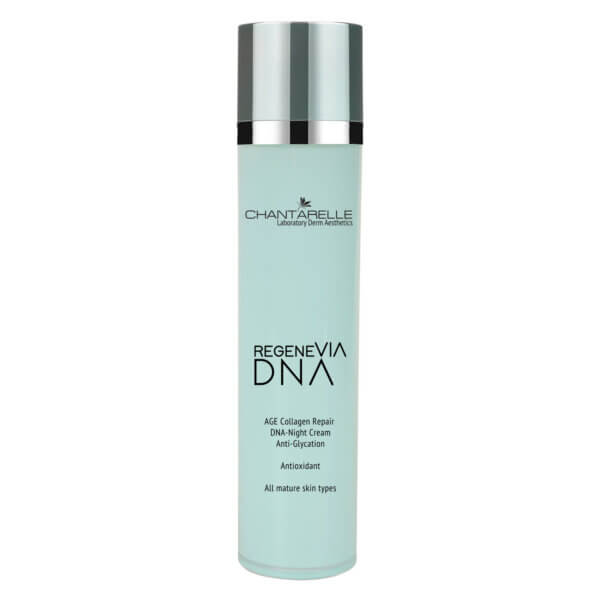 Day cream SPF20 UVA/UVB Cellular Regeneration, rejuvenating, antioxidant
1 × 52,00 £
Day cream SPF20 UVA/UVB Cellular Regeneration, rejuvenating, antioxidant
1 × 52,00 £ -
×
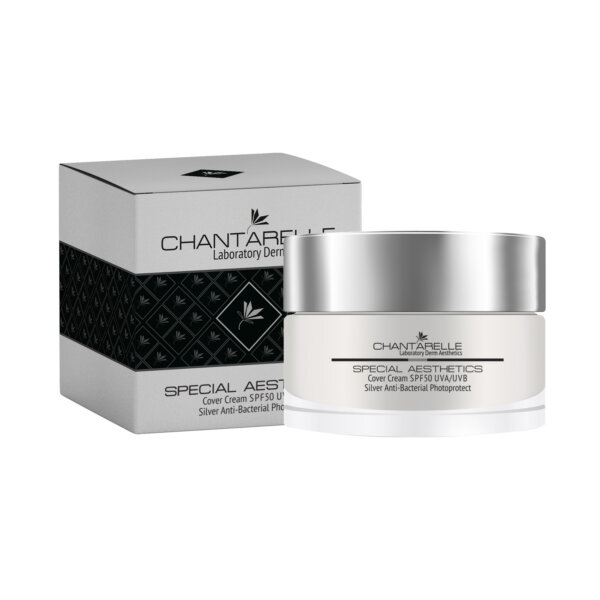 Protective Day Cream SPF50 UVA/UVB COVER
1 × 195,00 £
Protective Day Cream SPF50 UVA/UVB COVER
1 × 195,00 £ -
×
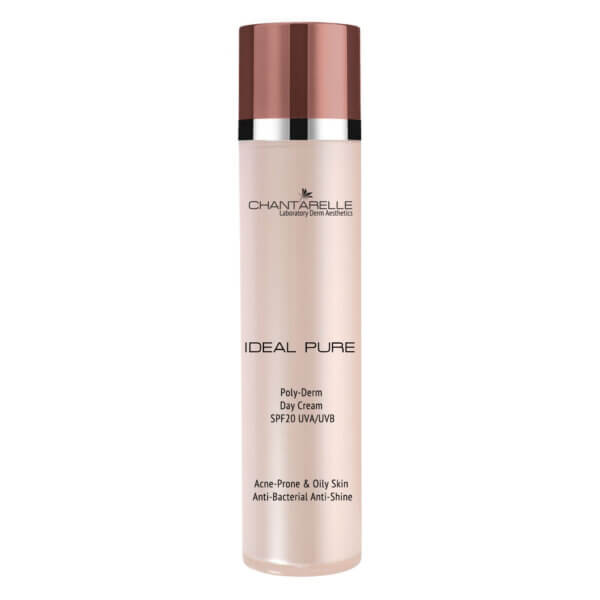 POLY-DERM sebum-regulating day cream SPF20 UVA/UVB
1 × 42,00 £
POLY-DERM sebum-regulating day cream SPF20 UVA/UVB
1 × 42,00 £ -
×
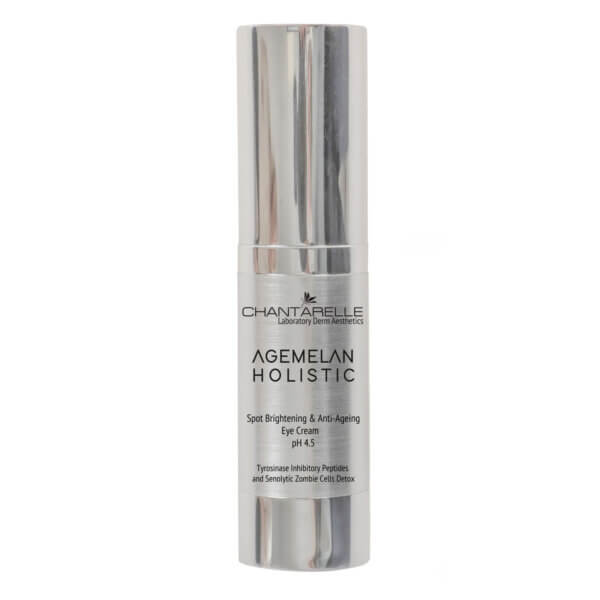 Eye cream pH 4.5, brightening and rejuvenating for hyperpigmentation
1 × 54,00 £
Eye cream pH 4.5, brightening and rejuvenating for hyperpigmentation
1 × 54,00 £



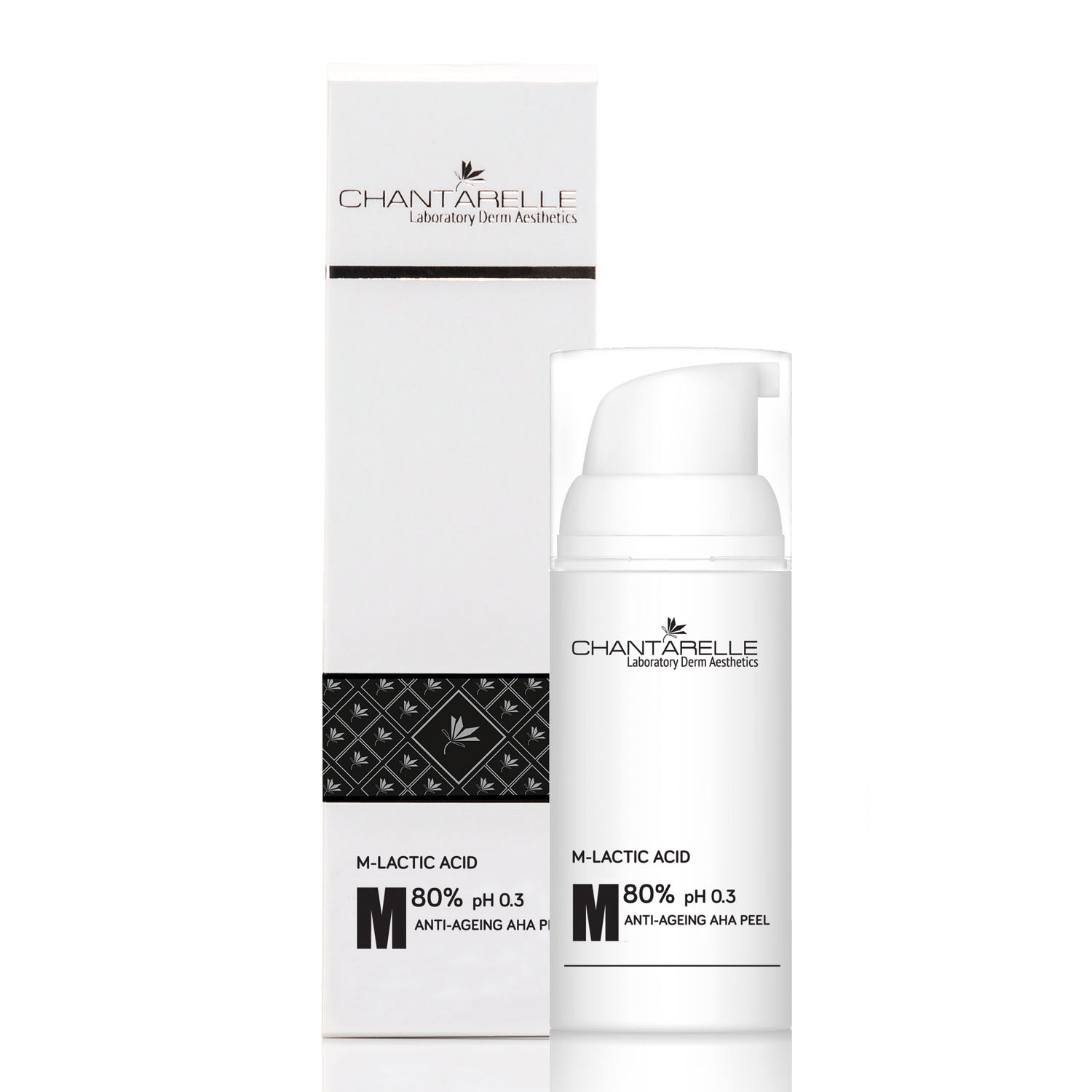
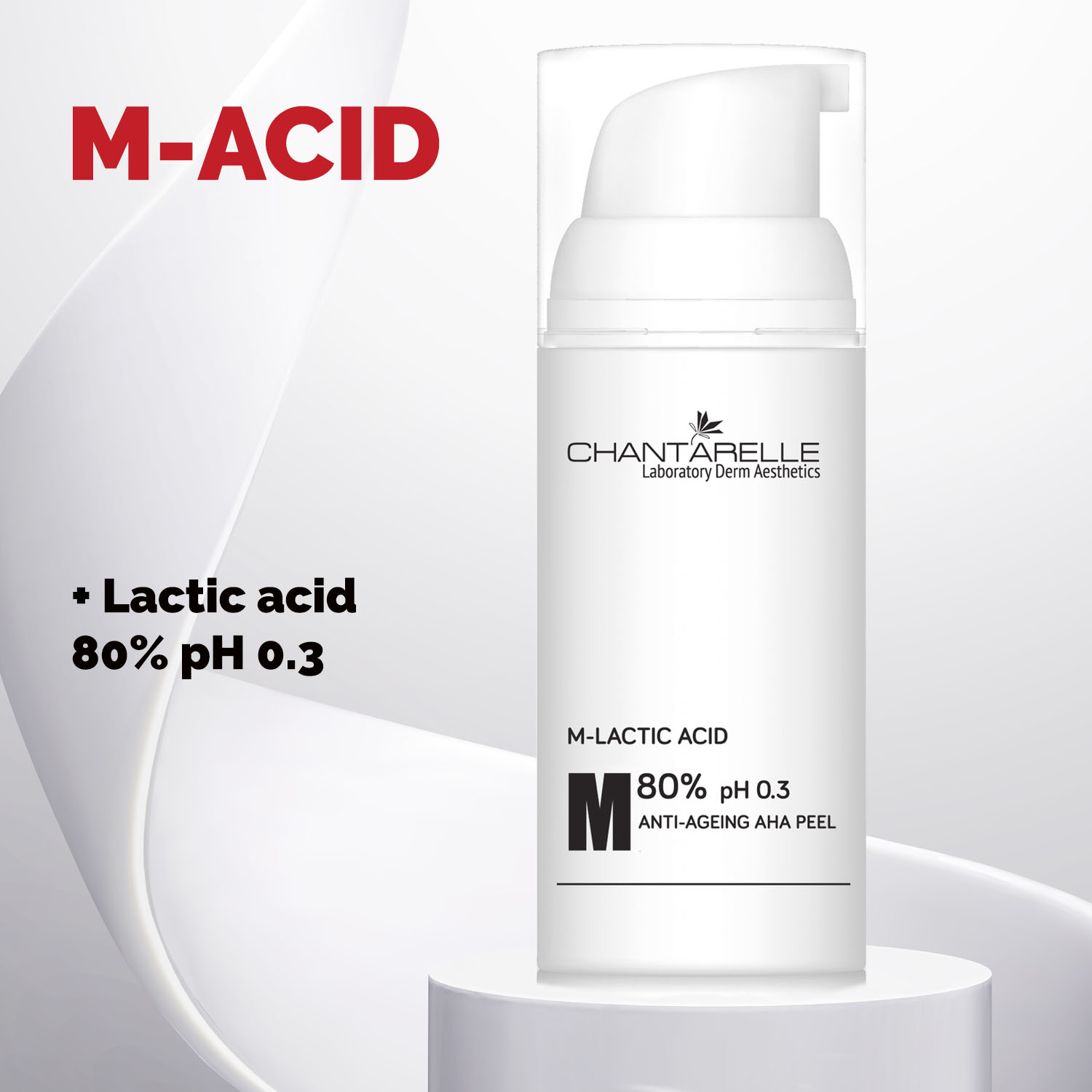
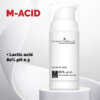
Lactic acid 80% pH 0.3 (medical peeling)
Cosmetic M-acids
M-Lactic Acid 80% pH 0.3
Lactic acid 80% pH 0.3 is a medical peeling for exfoliation treatments. Intensely rejuvenating, anti-wrinkle. It is lactic acid for the face and décolleté.
Pojemność:
50mlLactic acid 80% pH 0.3 is a medical peeling for exfoliation treatments. Intensely rejuvenating, stimulates hydration, anti-wrinkle, stimulates renewal of collagen fibres, reduces hyperpigmentation. Perform an exfoliation – lactic acid treatment on the face and décolleté, followed by a selection of post-treatment preparations from the Special Aesthetics line.
Product for doctors only
Lactic acid – indications:
- wrinkled, mature skin
- dry skin in need of hydration and renewal
- with keratinisation disorders
- with keratinisation disorders
- left skin, thinning, lack of elasticity
- wrinkles, lack of elasticity
- photographic signs of ageing, prematurely ageing skin
- pigmentation spots – post-sun, age spots
- imperfections – scars, skin irregularities
Lactic acid – effects:
- stimulation of collagen and elastin production
- stimulation of hydration and elasticity
- smoothing of wrinkles
- brightening of spots and discolouration
- leveling of skin tone
- blurring of scars
- smoothing of scars, stretch marks and skin irregularities
- regulation of keratosis
- regulation of keratosis
- cleaning and shrinking of skin pores

What do we know about lactic acid?
✓ Lactic acid is an alpha hydroxy acid (AHA) of moderate potency. It plays an important role in biochemical processes. It is produced by lactic acid bacteria of the Lactobacteriaceae family. It is also formed during intense exercise in our muscles and its presence causes acidification of the muscles, which results in a decrease in their performance.
✓ In low concentrations (up to 10%), lactic acid has a moisturising effect. It is one of the main components of NMF, or natural moisturising factor. It therefore influences the hydration and moisturisation of the skin and allows the epidermis to maintain a normal moisture level.
✓ In higher concentrations (above 20%), it exhibits an exfoliating effect. Peelings containing lactic acid , in addition to its ability to exfoliate the epidermis, improve the pigmentation of the skin, for example in facial acne and hyperpigmentation.
✓ Furthermore, lactic acid also shows the ability to increase epidermal thickness by increasing levels of procollagen I and collagen I. Thanks to these properties, it is considered suitable for use in rejuvenating skin with photodamage.
✓ Lactic acid is therefore used very frequently in cosmetic and medical treatments because it effectively stimulates collagen and elastin production. It therefore stimulates skin hydration and elasticity, smoothes wrinkles, lightens spots and discolouration, smoothes scars and stretch marks, and additionally regulates keratinisation, cleanses and shrinks skin pores. To conclude, lactic acid is a mildly effective agent to achieve an all-round improvement in skin condition: hydration, firmness and colour.
| 01. Nazwa angielska | M-Lactic Acid 80% pH 0.3 |
|---|---|
| 02. Pojemność | 50ml |
| 03. Linia | Chemical peels |
| 05. Kosmetyka profesjonalna | acids |
| 07. Wiek i płeć | age 20-30, age 30-40, age 40-50, age 50+, male |
| 08. Typ skóry | dry skin, mature skin, youthful skin |
| 09. Problem skóry | dryness, dehydration, loss of firmness, deep wrinkles and furrows, facial wrinkles, photo-aging, discolourations |
| 10. Efekt działania | exfoliation, rejuvenation, firming, regeneration, reduction of deep wrinkles and furrows, reduction of mimic wrinkles, reduction of discolouration |
| 11. Składniki aktywne |
Active ingredients
lactic acid 80%
DESCRIPTION:
Lactic acid (AHA) – at concentrations above 5% removes dead epidermal cells and triggers renewal and regeneration mechanisms of collagen and elastin fibres. At higher concentrations of more than 20%, it lightens spots and discolouration, evens out small scars and has an effective smoothing effect on wrinkles. Peelings with lactic acid help to regain an even, healthy skin colour, increase the hydration of the epidermis, make the skin stronger, more elastic and firmer.
Directions for use
- In accordance with the treatment procedure.
- In all phases of treatment protect eyes, do not apply to mucous membranes. Follow the general peeling regimen with the use of SPECIAL AESTHETICS peri-treatment preparations for make-up removal, soothing and regenerating preparations, finishing creams with a high UVA/UVB filter.
line
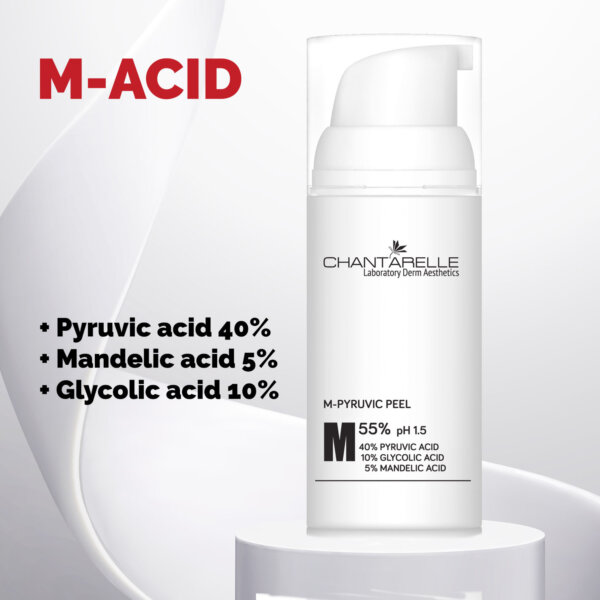
M-acids are chemical peels with mono-acid and acid mix. These are effective aesthetic treatments with exfoliating properties that provide visible effects of skin layer renewal and rejuvenation. Chantarelle experts have developed a wide range of M-acids, which, in addition to their basic function – exfoliation of the epidermis, allow for obtaining effects in treatments for a specific skin problem, even sensitive and problematic skin.
Related products
New
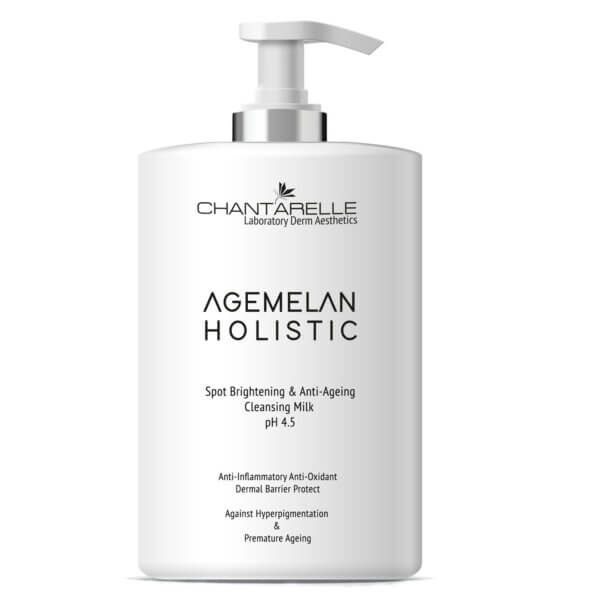
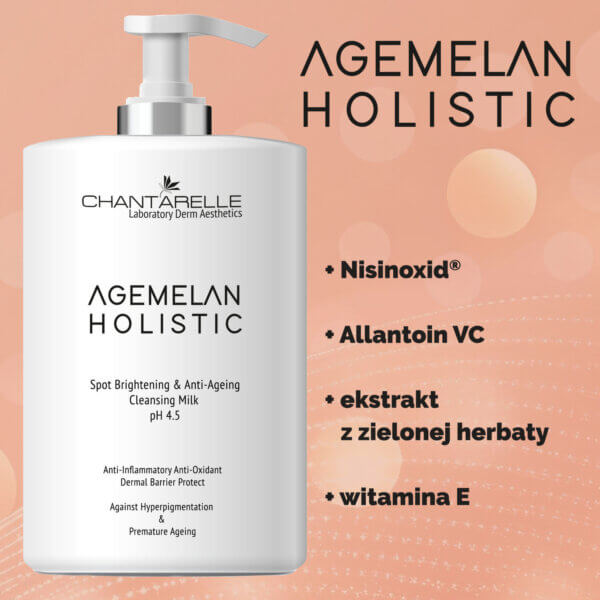
Agemelan Holistic
For professionals only
Cosmetic M-acids
Cosmetic M-acids
New
Agemelan Holistic
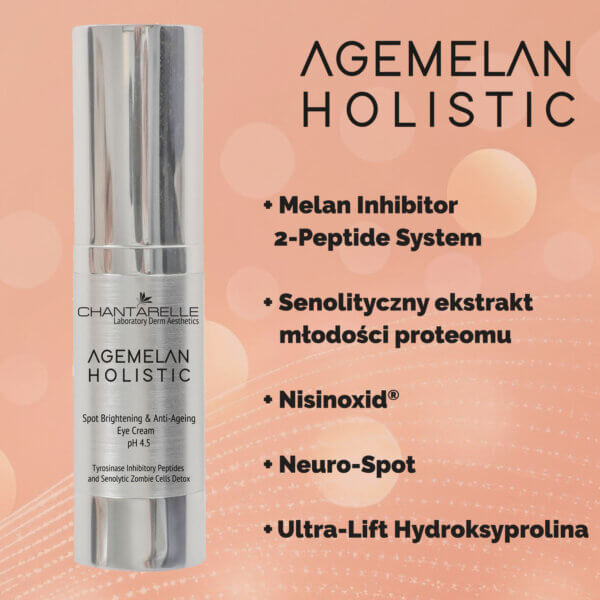
Eye cream pH 4.5, brightening and rejuvenating for hyperpigmentation
54,00 £
Add to basket
Cosmetic M-acids
New
Agemelan Holistic
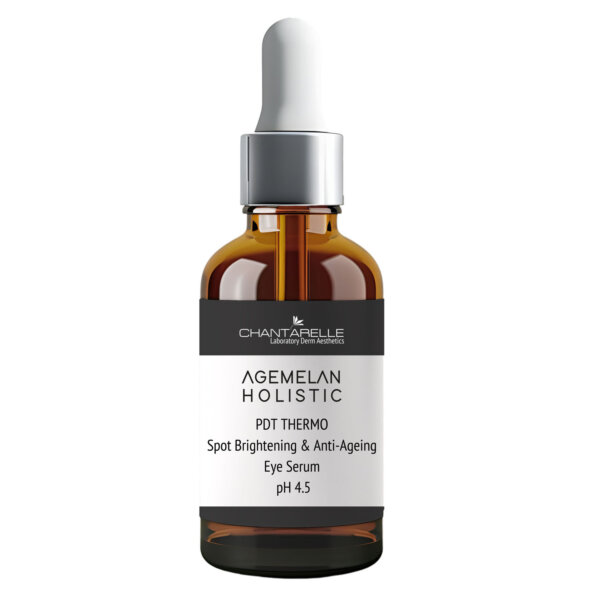
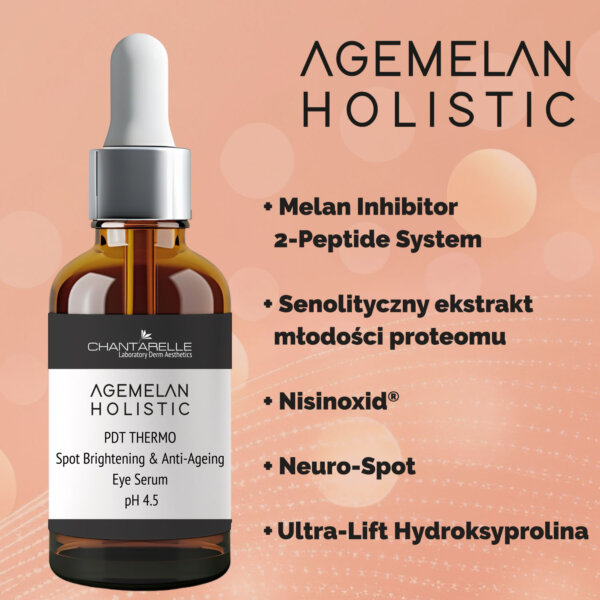
PDT Thermo serum around the eyes pH 4.5, brightening and rejuvenating for hyperpigmentation
New