Try our novelties and bestsellers!»



-
×
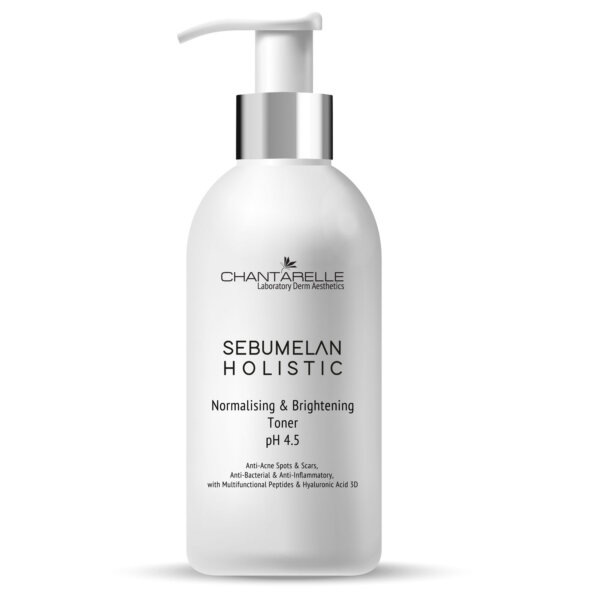 Tonic pH 4.5 for acne blemishes and scars
1 × 37,00 £
Tonic pH 4.5 for acne blemishes and scars
1 × 37,00 £ -
×
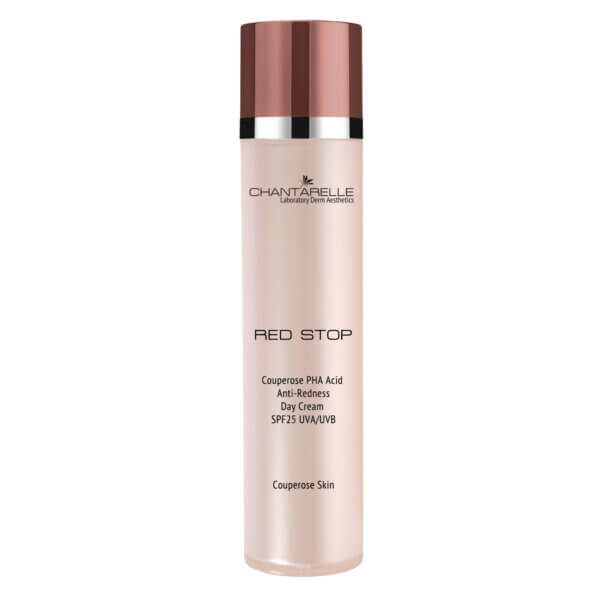 Vascular Day Cream SPF25 UVA/UVB - soothing, anti-redness
1 × 42,00 £
Vascular Day Cream SPF25 UVA/UVB - soothing, anti-redness
1 × 42,00 £ -
×
 Eye cream, against wrinkles, dark circles and puffiness, antioxidant
1 × 45,00 £
Eye cream, against wrinkles, dark circles and puffiness, antioxidant
1 × 45,00 £ -
×
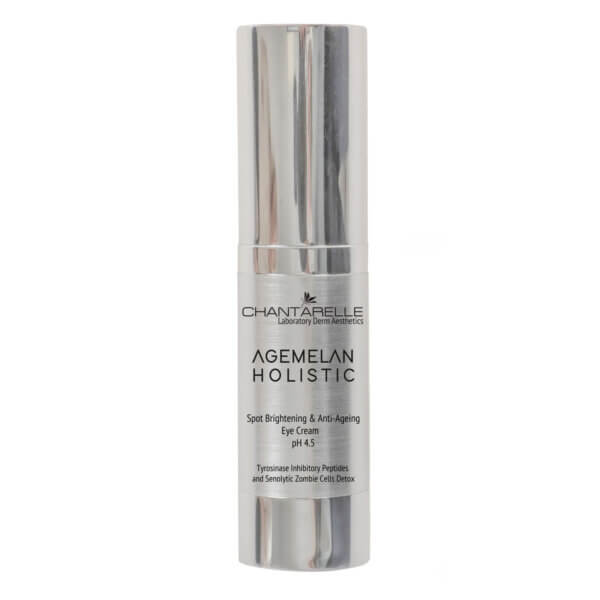 Eye cream pH 4.5, brightening and rejuvenating for hyperpigmentation
1 × 54,00 £
Eye cream pH 4.5, brightening and rejuvenating for hyperpigmentation
1 × 54,00 £ -
×
Fundamental 26% youth concentrate for the skin of mature women
1 × 52,00 £
-
×
 Toning mist for face, body and hair - absolute hydration
1 × 31,00 £
Toning mist for face, body and hair - absolute hydration
1 × 31,00 £ -
×
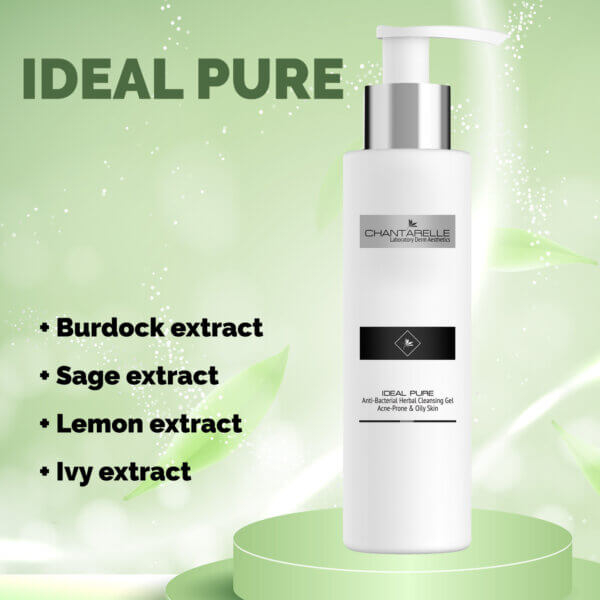
 Antibacterial herbal cleansing gel
1 × 25,00 £
Antibacterial herbal cleansing gel
1 × 25,00 £



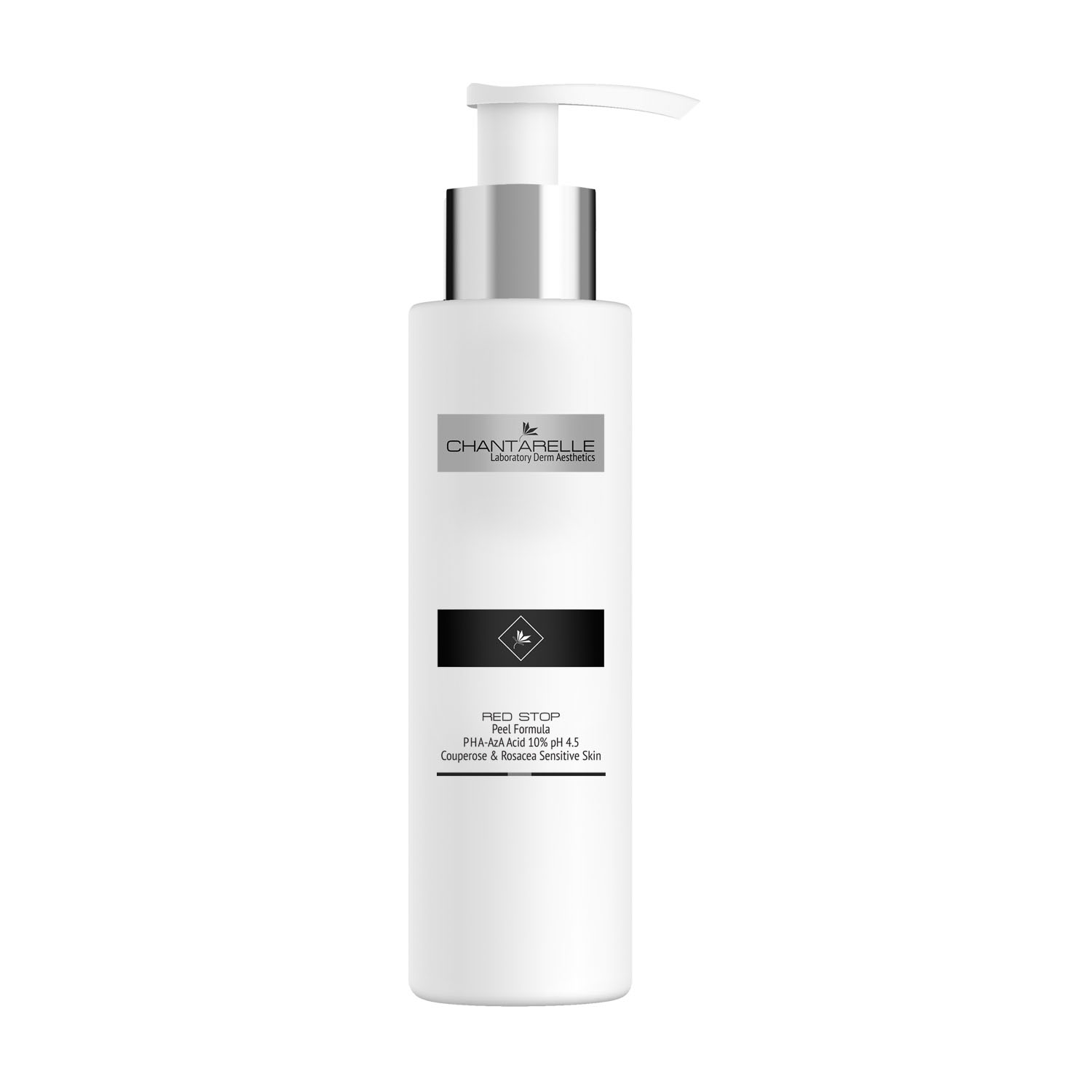
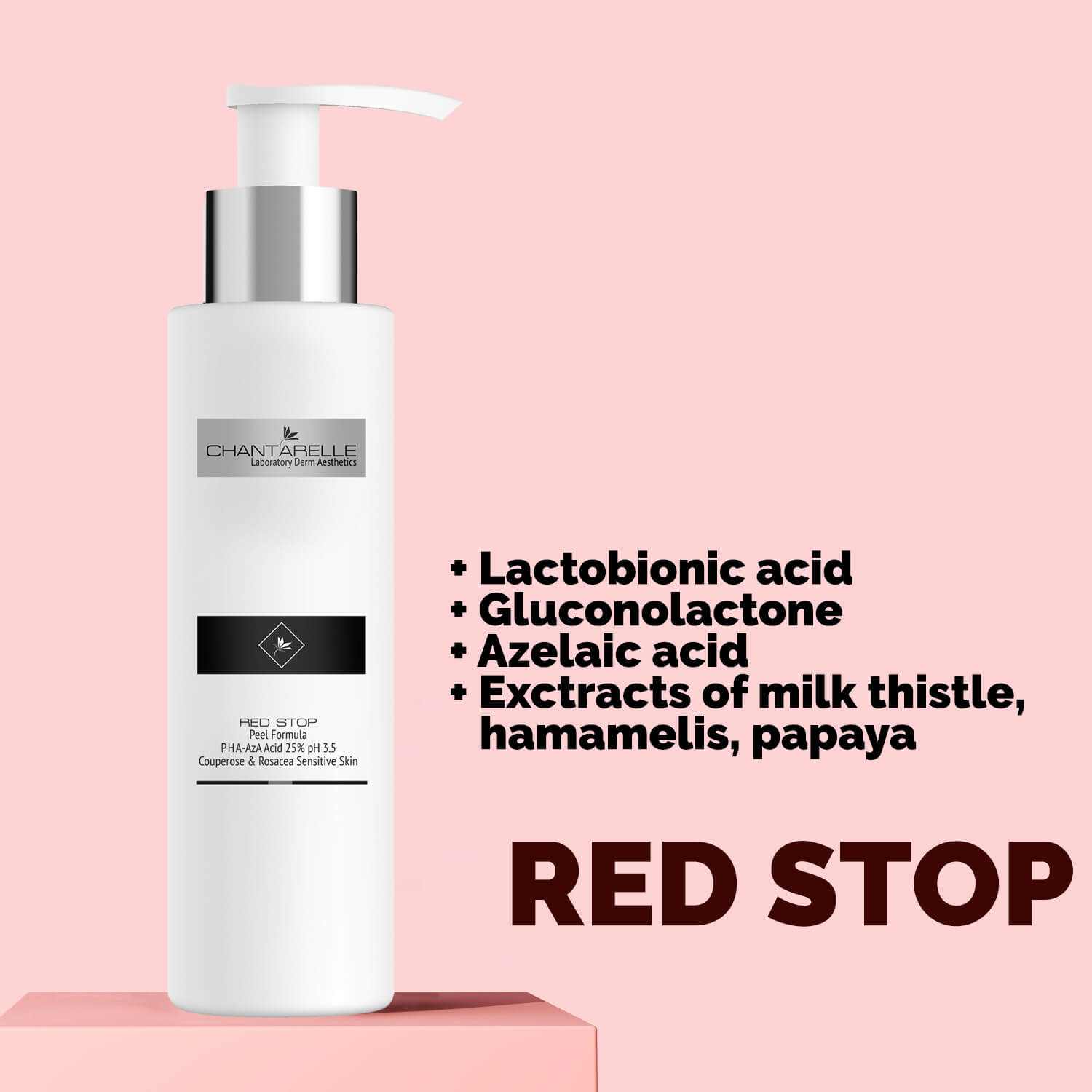
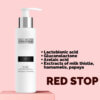
Lactobionic acid, azelaic acid and gluconolactone 10% pH 4.5
Red Stop
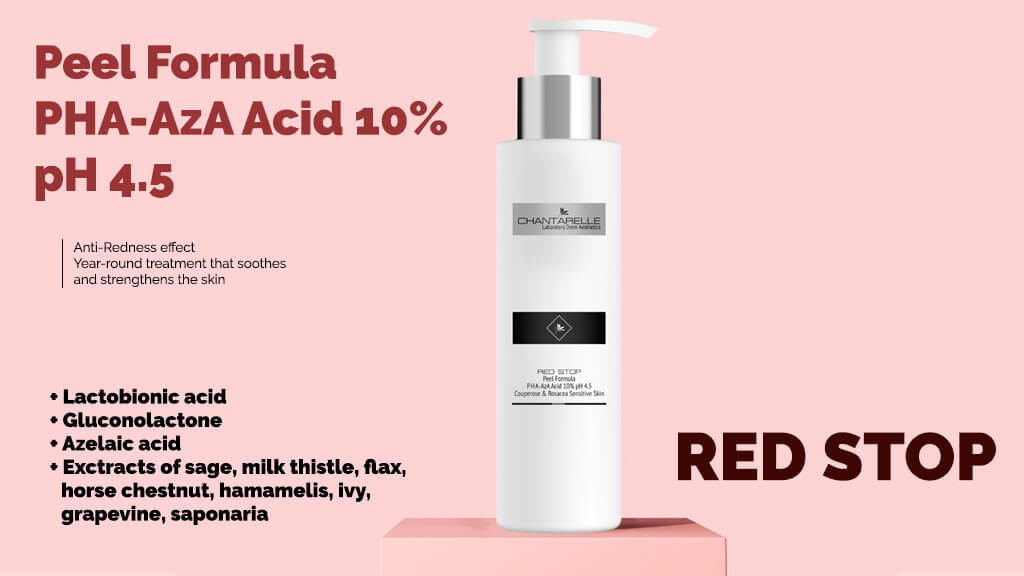
Peel Formula PHA-AzA Acid 10% pH 4.5
Year-round lactobionic acid, azelaic acid and gluconolactone 10% pH 4.5 for vascular skin and rosacea. A regenerating and anti-inflammatory preparation.
Pojemność:
100mlLactobionic acid, azelaic acid and gluconolactone 10% pH 4.5 is a purifying, regeneration-stimulating and anti-inflammatory preparation.
Stimulates regeneration, reduces redness and has an anti-inflammatory effect. Thoroughly cleanses, degreases the skin and prepares it for the next phase of exfoliation. Additionally, it increases hydration, accelerates cellular regeneration, regulates metabolism, reduces transepidermal water loss and irritation sensitivity. Increases antioxidant protection. Has a soothing and stabilising effect.
Treatment with lactobionic acid (PHA), azelaic acid (AzA) and gluconolactone (PHA) is intended for vascular skin, with symptoms of rosacea, sensitive, prone to erythema and irritation.
Recommendations and indications
- vascular sin
- sensitive, reactive skin
- dilated capillaries
- vascular foci, tendency to erythema
- sensitive, reactive skin
- dilated vessels
- severe flushing of the skin
- severe redness
- inflammatory symptoms
- acne rosacea, sensitive skin
- sensitive skin
- pustules and pustules
- dryness, burning, tenderness of the skin
- excessive skin reaction.
- excessive reactivity to external stimuli
- stress on the skin
Effects
- reduction of irritation and redness
- strengthening, sealing and shrinking of capillaries and improvement of their elasticity
- reduction of acne symptoms
- reduction of rosacea symptoms and symptoms of periodic paroxysmal erythema
- intensive anti-inflammatory and antibacterial action
- regeneration and restoration of the epidermal barrier function
- improvement of skin condition and its resistance to stress
Chemical acids for vascular skin and sensitive skin
The acids used in chemical peels are a growing and increasingly diverse group of chemical compounds. Their action can be varied and goes beyond exfoliating the epidermis. Familiarising yourself with these substances will allow you to choose the best compositions and appropriate acid treatments for your problem, skin type and season. So-called “year-round acids” such as azelaic acid, lactobionic acid and gluconolactone can be used all year round, also in summer. However, adequate sun protection is necessary, i.e. after their application, the skin must be protected with a high UVA/UVB filter cream. With appropriate UV protection, treatments with these acids are fully safe in the summer even for sun-sensitive skin. Treatment with PHA-AzA acids is also recommended for skin that is reactive, dry, excessively dehydrated and does not tolerate other acids well.
Gluconolactone
Gluconolactone is a polyhydroxy acid that is formed by the oxidation of glucose. It is an important nutrient in the cell renewal process and a natural antioxidant that effectively fights free radicals and enhances the skin’s repair, defence and protective mechanisms against the effects of ultraviolet radiation and environmental pollutants. It is a powerful moisturiser, helping to maintain the skin’s normal natural hydration balance. It is recommended for hypersensitive skin (prone to allergies), excessively dehydrated skin and skin with rosacea (Acne rosacea) as well as acne vulgaris (Acne vulgaris) in very dry and sensitive skin. In addition, it has no irritant properties and can be used on very sensitive skin. It increases the barrier function of the stratum corneum, increases epidermal hydration, accelerates cell regeneration, regulates metabolism, reduces transepidermal water loss and skin sensitivity to irritation. It thus has an inhibitory effect on the skin’s ageing processes, improves skin texture, firmness and smoothness. In summary, azelaic acid strengthens the skin’s resistance to external irritants.
Lactobionic acid
Lactobionic acid belongs to the polyhydroxy acid group and is a combination of gluconolactone and galactose. Like other hydroxy acids, it has slightly exfoliating properties. It is devoid of irritant properties and can therefore be used for sensitive and dry skin, including vascular skin with erythema. It has important properties for the topical treatment of telangiectasia (dilated blood vessels) and rosacea. It has strong antioxidant properties and fights free radicals. Inhibits the action of metalloproteinases of the extracellular space of the epidermis, thus preventing the formation of wrinkles, telangiectasias and skin laxity. Enhances repair mechanisms (by stimulating collagen synthesis), provides protection against the effects of UV radiation. It has the unique property of binding water and forming a protective layer on the surface of the skin, which makes the skin smooth and soft, strengthening the protective function of the epidermal barrier.
Azelaic acid
Azelaic acid is a dicarboxylic nine-carbon acid. It is formed by the peroxidation of linoleic and linolenic acids found in the cell membrane. By inhibiting a number of enzymes, this acid has bleaching properties. These properties are due to azelaic acid’s ability to inhibit the DNA synthesis of stimulated melanocytes and its cytotoxic properties towards hyper-reactive pigmentation cells. It reduces skin hyperpigmentation (mainly osteoids and post-inflammatory hyperpigmentation) and that resulting from rosacea lesions. A significant reduction in inflammation (papules and pustules) and redness and erythema is achieved. It does not cause phototoxic or photoallergic reactions, so can also be used in summer. Azelaic acid also has an antibacterial effect (even with long-term use), an anti-epidermal effect and normalises the keratinisation process. It has anti-inflammatory properties – acts as a scavenger of free radicals that activate inflammatory processes. Recommended for irritated skin with erythema, also for oily skin.
PRESTIGIOUS AWARD
GOLD COSMETOLOGY AWARD 2015 – best vascular treatment by beauty professionals
| 01. Nazwa angielska | Peel Formula PHA-AzA Acid 10% pH 4.5 |
|---|---|
| 02. Pojemność | 100ml |
| 03. Linia | Red Stop |
| 05. Kosmetyka profesjonalna | acids, peels |
| 07. Wiek i płeć | age 20-30, age 30-40, age 40-50, age 50+, male |
| 08. Typ skóry | sensitive skin, skin with rosacea, vascular skin |
| 09. Problem skóry | capillaries, erythema, rosacea, sensitivity |
| 10. Efekt działania | vascular strengthening, exfoliation, regeneration, antioxidant protection |
| 11. Składniki aktywne |
Active ingredients
lactobionic acid, gluconolactone, azelaic acid, sage extract, flax extract, horse chestnut extract, arnica montana extract, hamamelis extract, ivy extract, St. John’s wort extract, grapevine extract, thistle extract, soapberry extract, papaya extract
DESCRIPTION:
Lactobionic acid (PHA) – derived from naturally occurring lactose, with mildly exfoliating action, without irritating properties. Actively reduces dilated capillaries and telangiectasias, stimulates skin renewal, prevents the formation of wrinkles. Is a natural antioxidant. Enhances repair mechanisms (by stimulating collagen synthesis), provides protection against the effects of UV rays. It has a unique ability to bind water and form a protective layer on the surface of the skin, making the skin instantly smooth and soft. Can be used all year round.
Gluconolactone (PHA) – is formed naturally through the fermentation of corn grain or the oxidation of glucose. It is an important nutrient in the cell renewal process and a natural antioxidant that effectively fights free radicals and enhances the skin’s repair, defence and protection mechanisms against the effects of ultraviolet radiation and environmental pollutants. It is a powerful moisturiser, helping to maintain the skin’s normal natural hydration balance. It has no irritant properties.
Azelaic acid (AzA) – derived from cereal grains, it has an antimicrobial effect even with long-term use. Reduces symptoms of inflammatory lesions such as papules, pustules and redness and erythema. Acts as a ‘scavenger’ of free radicals that activate inflammatory processes. It lightens discolouration and scars and has an antibacterial effect. It does not cause phototoxic or photoallergic reactions, so it can also be used in summer.
Sage extract (Salvia officinalis) – purifying with antiseptic, astringent and antioxidant properties. Has anti-inflammatory and anti-irritant properties. Regulates sebum secretion. Strengthens blood vessels – inhibits micro-bleeding from excessively dilated or damaged capillaries.
Thistle Extract (Silybum Adans) – contains the chemical silymarin. The chemical compounds of silymarin stimulate keratinocyte proliferation, type I collagen and elastin production, i.e. it has a rejuvenating effect. counteracts inflammatory and allergic symptoms. It has antioxidant properties and a high free radical scavenging capacity. Silymarin reduces autoimmune reactions. It is recommended protectively in case of exposure to toxic chemical compounds, among other allergic diseases.
Flaxseed Extract (Linum usitatissimum) – Flaxseed is a source of polyunsaturated fatty acids due to the presence of mucilage, which forms a protective layer on the skin. It protects against water loss and has a smoothing and moisturising effect. It also has anti-acne and anti-inflammatory properties.
Chestnut extract (Aesculus hippocastanum) – is an important ingredient in preparations against broken capillaries. It also has a mattifying effect on the skin and removes impurities. It has firming and UV-protective properties. It has anti-inflammatory and anti-oedematous effects while strengthening blood vessels.
Arnica montana extract (Arnica montana) – has a broad spectrum of action. Due to the flavonoids it contains, it has anti-inflammatory effects. It is used as an excellent remedy for the elimination of bruises and swellings. It also has a regenerative effect and soothes skin irritations. Arnica is most often used for skin with a tendency to dilate and burst blood vessels and for polluted oily skin.
Hamamelis extract (Hamamelis virginiana) – contains a mixture of tannins, organic acids (gallic, ellagic), flavonoids and saponins. It has strong regenerative, anti-inflammatory, antibacterial and strong astringent effects. Soothes symptoms of irritation and redness. Improves blood supply to the skin.
Common ivy extract (Hedera helix) – contains health-promoting saponins and flavonoids. One of the main characteristics attributed to these compounds is their ability to reduce the permeability and increase the resistance of blood vessels. The extract also has anti-inflammatory and anti-irritant properties. Flavonoids have a protective effect and hederins have astringent and decongestant properties. It also has a mild antiseptic effect.
St John’s wort extract (Hypericum perforatum) – due to its tannins and phloroglucinol content, St. John’s wort has antibacterial, antiseptic and astringent properties, so it is also used in dermatology as a wound healing agent. It has a regenerative and soothing effect.
Vine extract (Vitis vinifera), or grape extract, protects the skin against infections, irritation, oxidative stress and UV rays. It also has a regenerative effect on the skin, e.g. after intensive sunbathing or improper care. In addition, it improves skin tone and strongly moisturises the skin. Thanks to the presence of tannins, grape extracts make the skin more elastic, tighten and firm it. They also regulate sebum production, which makes them very suitable for oily and acne-prone skin. Due to their vitamin C content, they strengthen the walls of blood vessels, which is why they are used in cosmetics for vascular complexions.
Saponaria officinalis extract (Saponaria officinalis) – natural vitalizing saponins have a mild cleansing, decongestant and anti-inflammatory effect, which helps to combat excessive sebum secretion.
Papaya extract (Carica Papaya) – contains papain, an enzyme naturally found in the papaya fruit – which loosens the connections between corneocytes and exfoliates dead skin cells. They smooth the skin and prepare it to receive the active ingredients of skincare products.
Directions for use
Apply evenly in a thin layer and leave on for 5 minutes, wash off with water, pat dry.
line
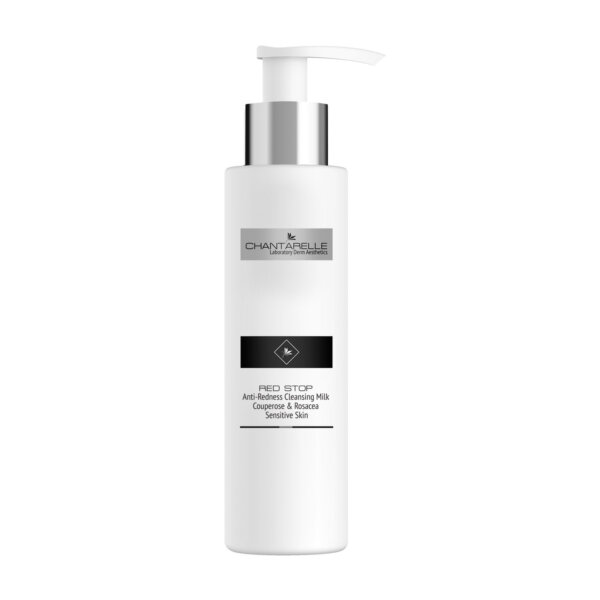
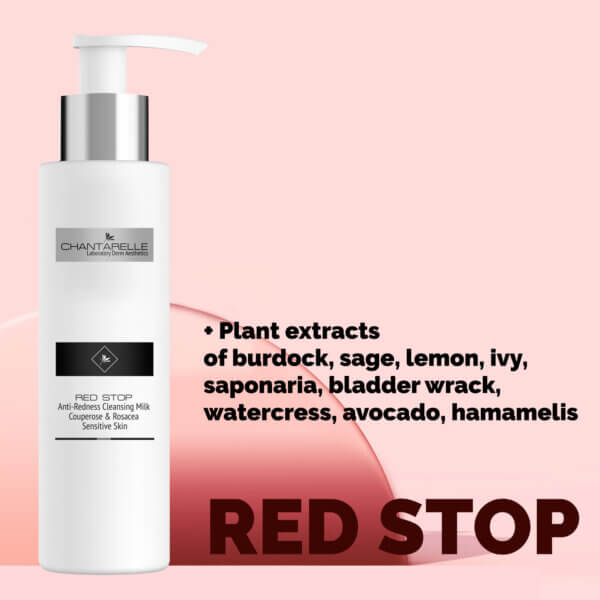
RED STOP is a year-round treatment with lactobionic, azelaic and gluconolactone acids. Created especially for skin with dilated capillaries – Couperose and sensitive skin, with symptoms of rosacea, prone to redness and irritation – Rosacea Sensitive. Reduces irritation and redness, strengthens, seals and improves the elasticity of capillaries, reduces symptoms of rosacea and has anti-inflammatory and antibacterial properties. Effectively improves the condition of the skin and its resistance to stress.
Related products
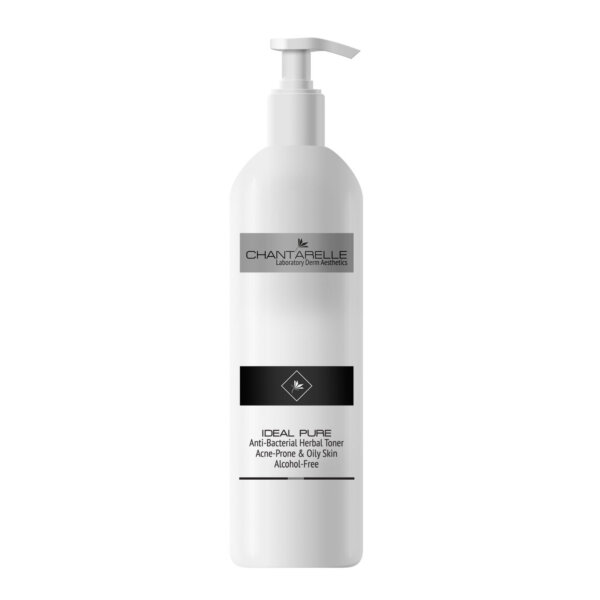
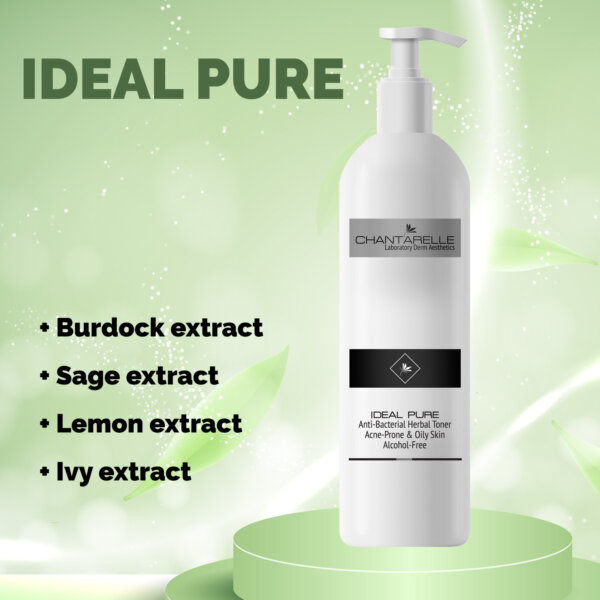
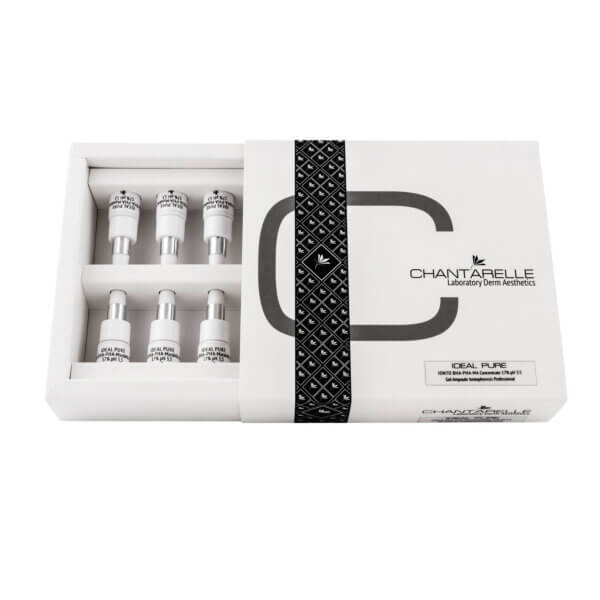
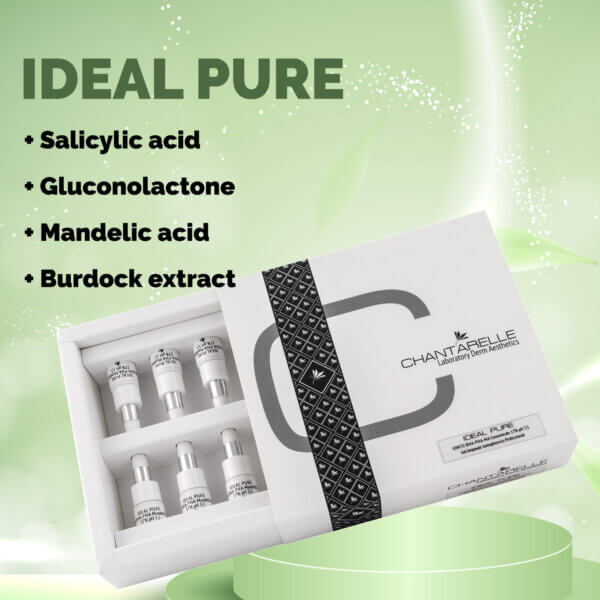
Ideal Pure
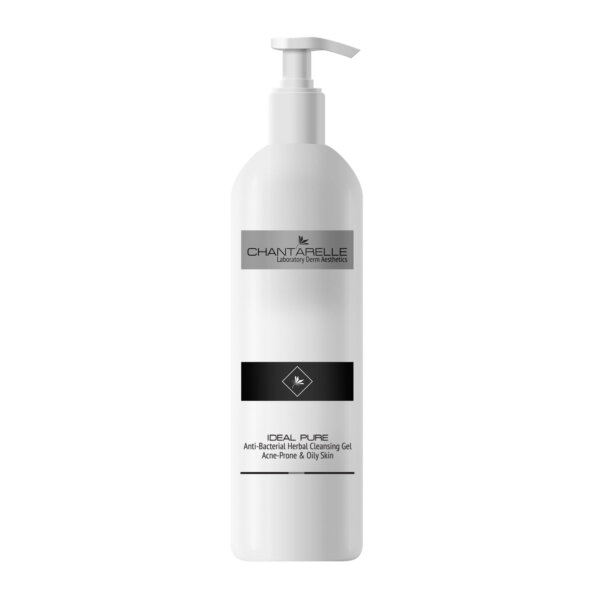
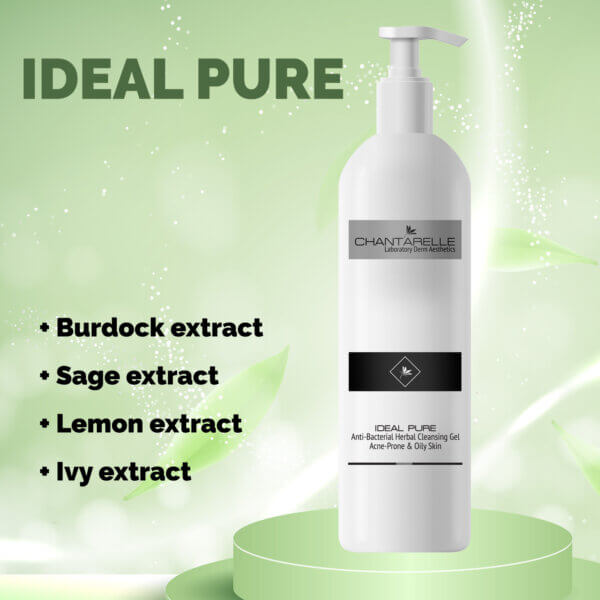
Ideal Pure
For professionals only
For professionals only
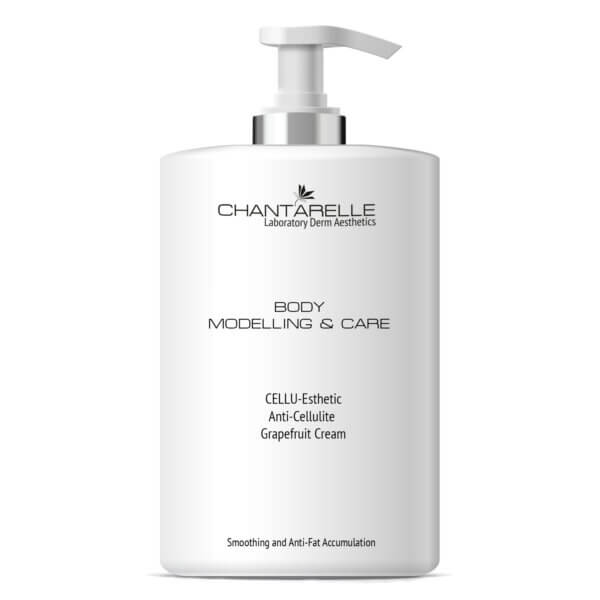
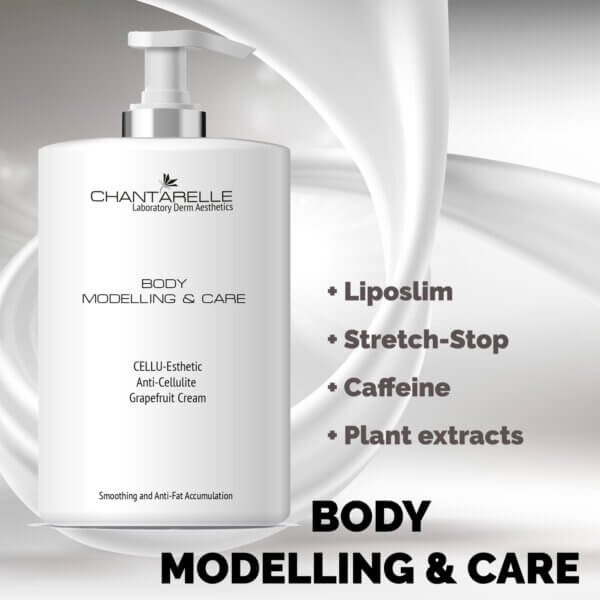
Body Modelling & Care
Anti-cellulite grapefruit body cream, smoothing and counteracting fat accumulation