Try our novelties and bestsellers!»




-
×
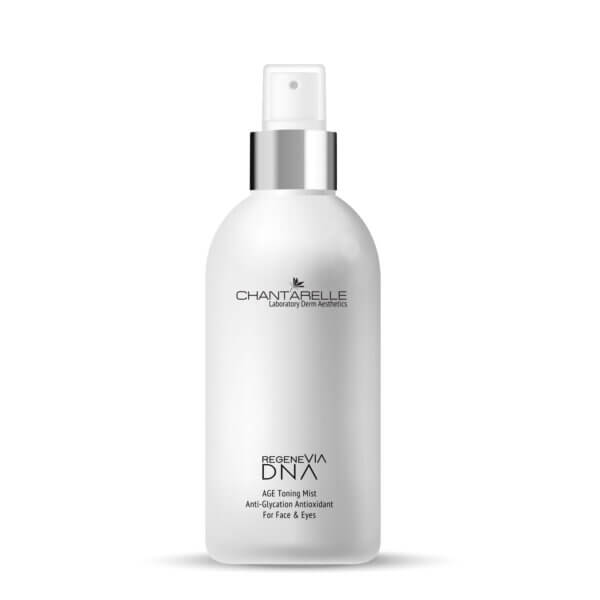 AGE anti-glycation, antioxidant toning mist
1 × 32,00 £
AGE anti-glycation, antioxidant toning mist
1 × 32,00 £ -
×
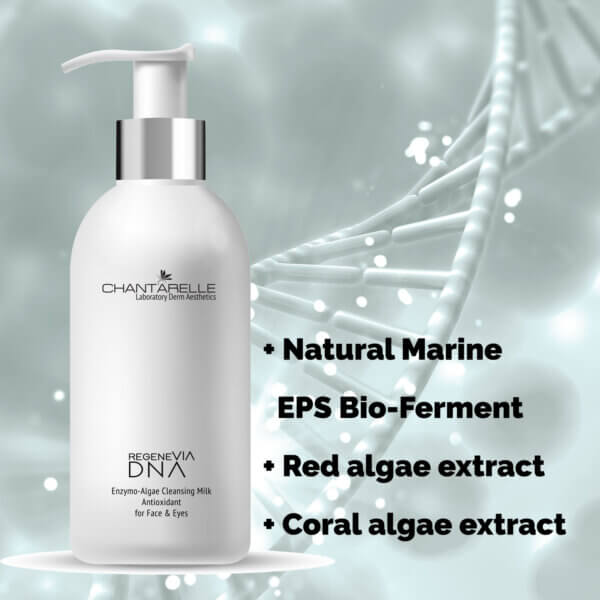
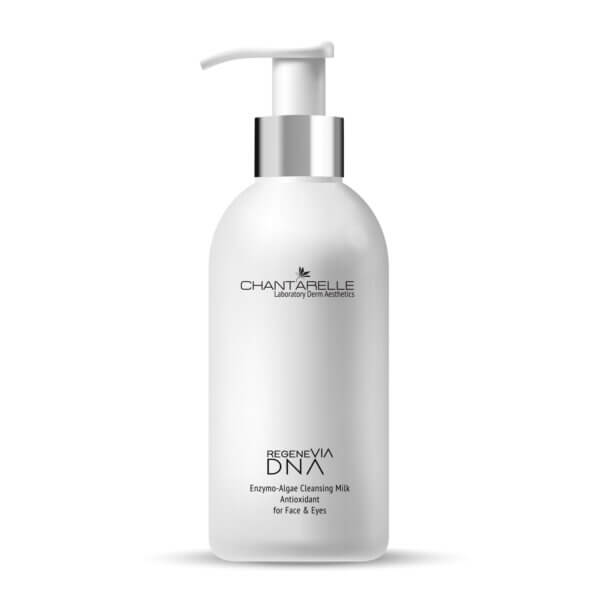 Algae and antioxidant milk
1 × 29,00 £
Algae and antioxidant milk
1 × 29,00 £



Cosmetic treatments, Skin care at home
Smog – how does it affect the skin?
23
Feb
Feb
Air pollution is a worldwide problem, but lego the sources and ways to counter it vary. The same substances and components, such as particulate matter (PM: particulate matter), sulphur dioxide, nitrogen oxides, carbon monoxide, ozone, heavy metals or aromatic hydrocarbons, are at the root of the problem, but the composition of the pollution varies according to the sources of emissions.
What is smog?
We often use the name ‘smog‘, although it refers to a combination of smoke and fog (smog:smoke and fog). To better define the risks of air pollution, widely recognised standards are set by the World Health Organisation air quality guidelines (WHO AQG). In the European Union, the European Environment Agency (EEA) monitors the state of the environment. Despite the existence of such standards, determining the degree of risk from the level and composition of pollutants is a difficult and complex issue (Guerreiro et al. 2014), and scientists are still investigating the impact of pollutants on our health. To understand how pollutants affect us, models are being developed to determine the harmfulness of pollutants (Suh et al. 2000; Ito et al. 2007). It is still the pollutants we inhale that are of greatest concern, but there is a growing awareness of the risks associated with the effects of environmental pollutants on the skin (Kim et al. 2016; Koohgoli et al. 2017). Allergic conditions are indicated here, but also the possibility of developing atopic dermatitis (Kim et al. 2015) and the acceleration of skin ageing processes (Vierkötter et al. 2010).
How does smog affect the skin?
These studies indicate that air pollution has similar effects to previously known skin ageing factors: UV radiation and cigarette smoke. Exposure to pollution associated with road transport has been shown to have a correlation with skin condition and the appearance of signs of ageing: pigmentary changes and wrinkles. The conclusion of these studies is that exposure to pollution must be reduced by eliminating its sources. This is a process spread over years, if not decades. We do not need to prove to ourselves that it is much better to live in a clean environment, but can we counteract the effects of air pollution today? Can we protect our health? There are recent reports of the possibility of using natural chemicals to protect hair (Schlay and Slotta 2017) and skin (Blosl et al 2016) from adverse effects, including air pollution. One ingredient proposed as a shield against pollution for our skin and hair is peptides derived from silk. These ingredients are natural and, thanks to modern scientific knowledge, may gain new applications – and we a kind of protective suit against threats.
Anti-pollution cosmetics
Chantarelle’s experts have developed special dermocosmetics anti-pollution that give protection against pollution, while also having antioxidant and repairing properties for the skin:
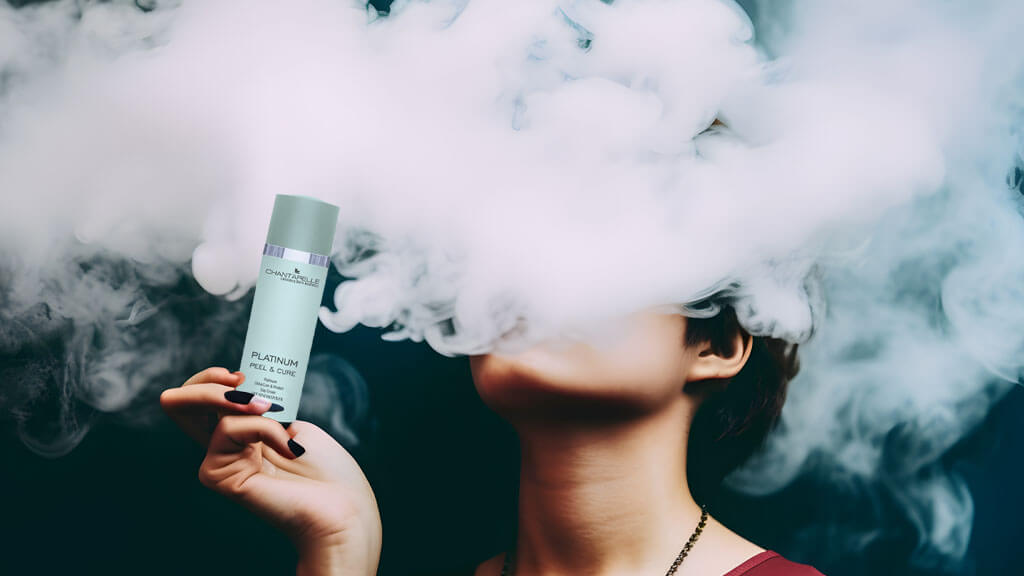
- Platinum Peel&Cure day cream SPF50 UVA/UVB/IR is designed for the face for all skin types. The anti-smog cream effectively protects against environmental pollutants on the skin and has very high protection against UV, IR and HEV radiation.
Selected anti-smog treatments
- Plant Plasma day repair cream SPF20 UVA/UVB with epidermal growth factor EGF. Intensively stimulates facial skin renewal and rejuvenation and reduces wrinkles.
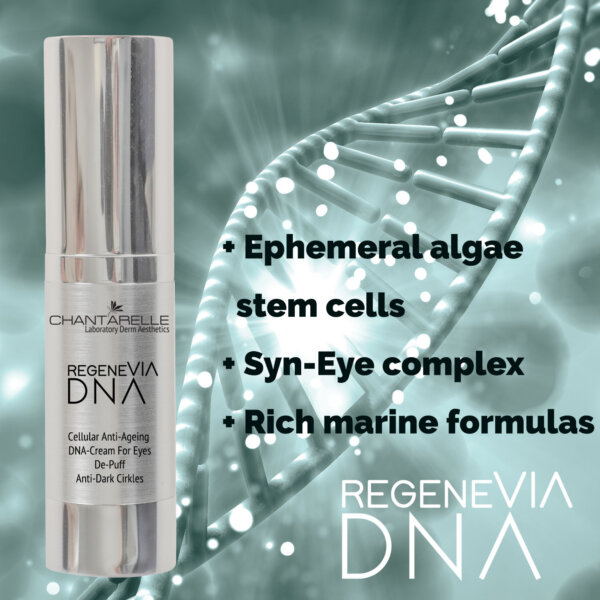
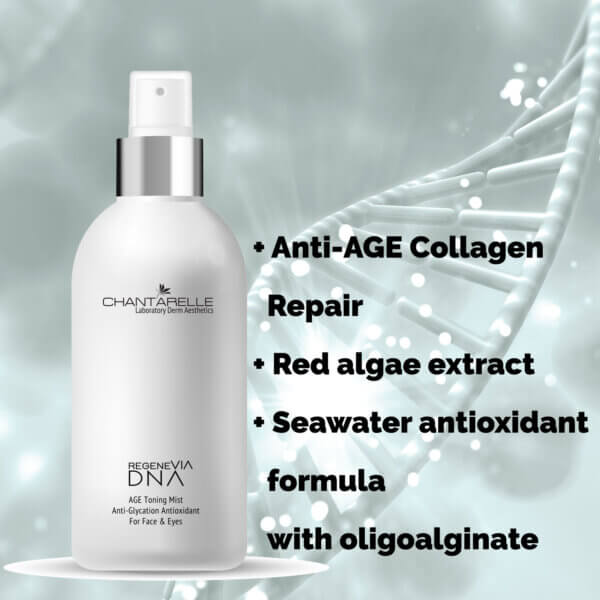
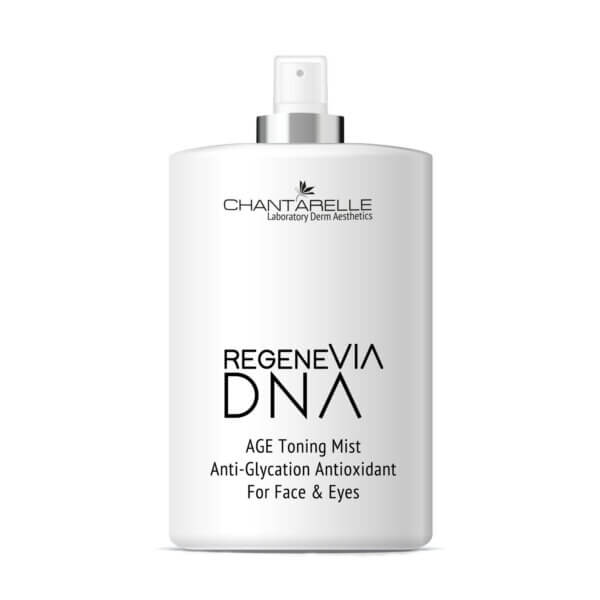
- Regenevia DNA is a revolutionary dermotherapy for skin regeneration and antioxidant rejuvenation based on the latest research in epigenetics and cellular DNA rejuvenation. It counteracts the signs of ageing and photo-ageing aggravated by the effects of protein glycation by sugars. It also counteracts aggressive environmental factors such as UVA/UVB, smog, exhaust fumes, stress, lifestyle.
- Agemelan Holistic is a rejuvenating and repairing programme to lighten hyperpigmentation and tone. It is designed for skin of phototype I-IV, with hyperpigmentation and uneven skin tone, especially dry, vascular, with symptoms of premature ageing and photo-ageing, mature, with wrinkles.
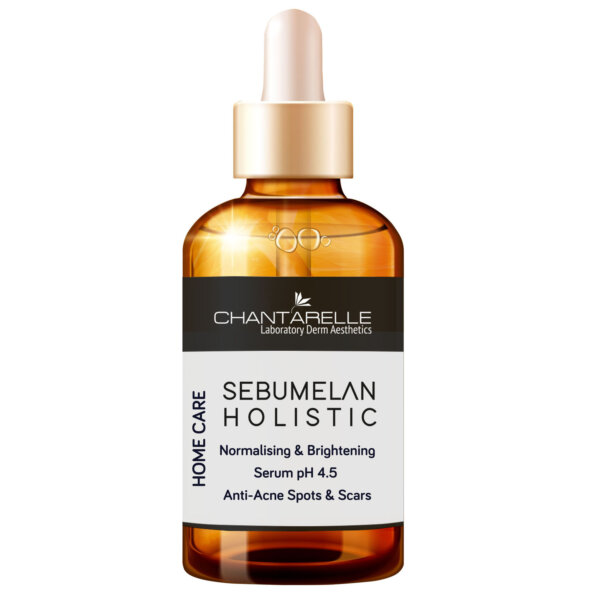
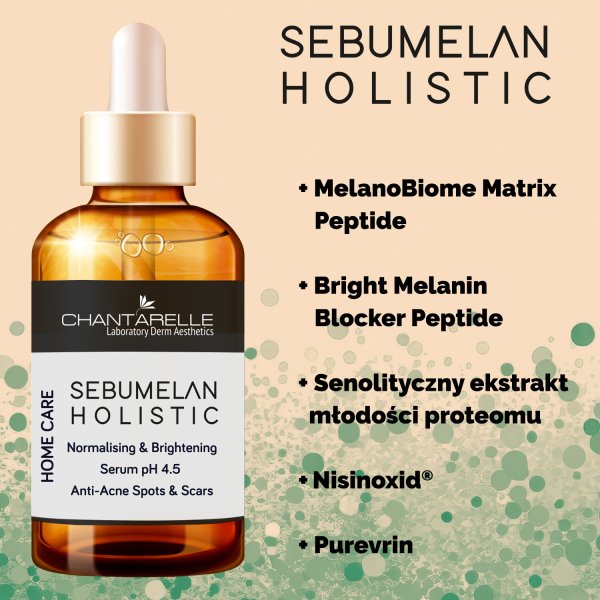
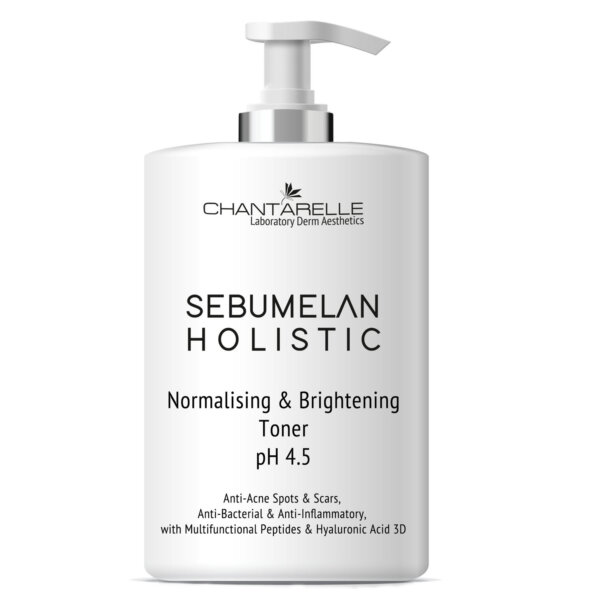
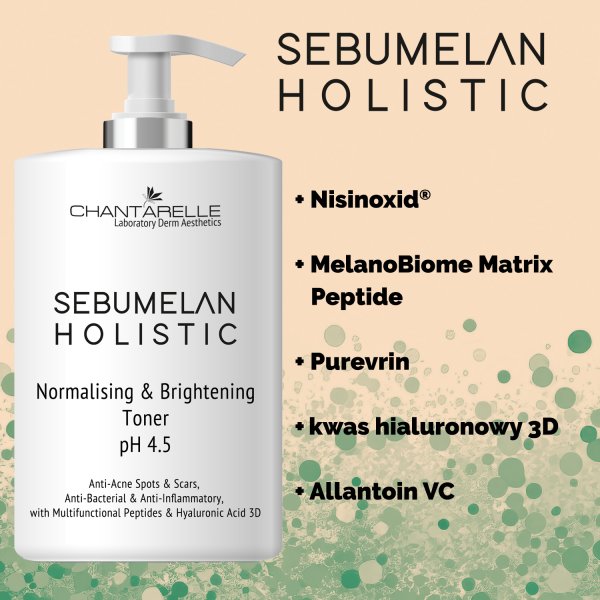
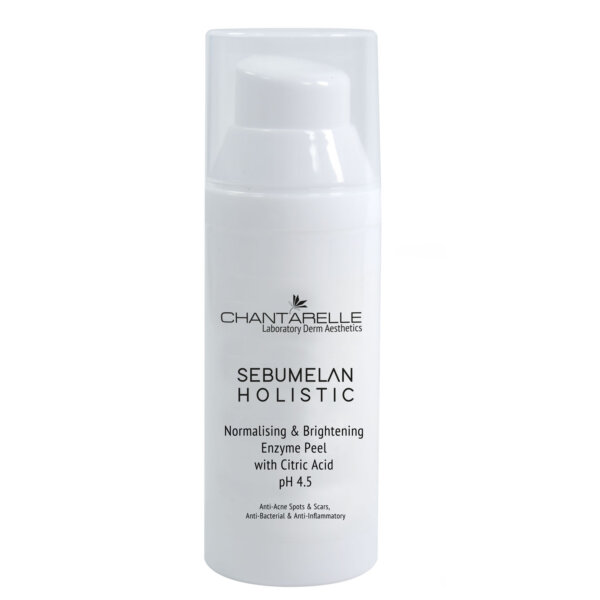
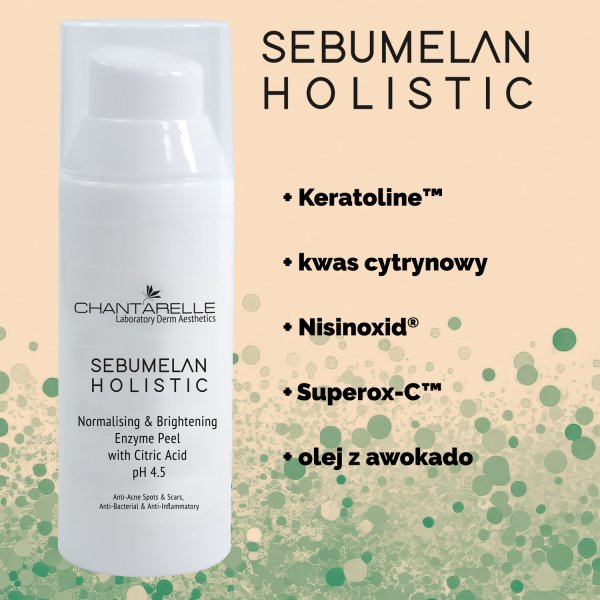
- Sebumelan Holistic is a pH 4.5 brightening and normalising programme for the reduction of post-inflammatory hyperpigmentation and scars, designed for oily, acne-prone and combination skin with irritation and symptoms of inflammatory changes.
- Exo Lift is a latest generation peptide lift based on stem cell technology, exosome stimulators and advanced peptide systems. The dermokuracja is designed for all types of flabby, inflexible skin, including sensitive, mature skin with wrinkles.
 Dr Marcin Wasylewski
CHANTARELLE Laboratory Derm Aesthetics expert
Literature:
– Baudouin C, Charveron M, Tarroux R, Gall Y. Environmental pollutants and skin cancer. Cell biology and toxicology. 2002 Oct 1;18(5):341-8. – Blosl N, Ott R, Schacht K Efficient Hair Protection – the Multi-functional Silk Polypeptide as New and Promising Strategy against Pollution. SOFW Journal, 2017 July 7,8 (143), 42-5 – Brandt EB, Myers JM, Ryan PH, Hershey GK. Air pollution and allergic diseases. Current opinion in paediatrics. 2015 Dec;27(6):724. – Guerreiro CB, Foltescu V, De Leeuw F. Air quality status and trends in Europe. Atmospheric environment. 2014 Dec 1;98:376-84. – Ito K, Thurston GD, Silverman RA. Characterization of PM 2.5, gaseous pollutants, and meteorological interactions in the context of time-series health effects models. Journal of Exposure Science and Environmental Epidemiology. 2007 Dec 14;17(S2):S45. – Kim H, Bernstein JA. Air pollution and allergic disease. Current allergy and asthma reports. 2009 Mar 1;9(2):128-33. – Kim K. Influences of environmental chemicals on atopic dermatitis. Toxicological research. 2015 Jun;31(2):89. – Kim KE, Cho D, Park HJ. Air pollution and skin diseases: adverse effects of airborne particulate matter on various skin diseases. Life sciences. 2016 May 1;152:126-34. – Koohgoli R, Hudson L, Naidoo K, Wilkinson S, Chavan B, Birch-Machin MA. Bad air gets under your skin. Experimental dermatology. 2017 May 1;26(5):384-7. – Raaschou-Nielsen O, Andersen ZJ, Beelen R, Samoli E, Stafoggia M, Weinmayr G, Hoffmann B, Fischer P, Nieuwenhuijsen MJ, Brunekreef B, Xun WW. Air pollution and lung cancer incidence in 17 European cohorts: prospective analyses from the European Study of Cohorts for Air Pollution Effects (ESCAPE). The lancet oncology. 2013 Aug 1;14(9):813-22. – Schlay S, Slotta U Efficient Skin Protection Against Negative Environmental Influences by Breathable, Vegan Silk Polypeptides SOFW Journal, 2016 April 4 (142), 14-7 – Suh HH, Bahadori T, Vallarino J, Spengler JD. Criteria air pollutants and toxic air pollutants. Environmental Health Perspectives. 2000 Aug;108(Suppl 4):625. – Vierkötter A, Schikowski T, Ranft U, Sugiri D, Matsui M, Krämer U, Krutmann J. Airborne particle exposure and extrinsic skin aging. Journal of investigative dermatology. 2010 Dec 1;130(12):2719-26. – Yeatts K, Svendsen E, Creason J, Alexis N, Herbst M, Scott J, Kupper L, Williams R, Neas L, Cascio W, Devlin RB. Coarse particulate matter (PM2. 5-10) affects heart rate variability, blood lipids, and circulating eosinophils in adults with asthma. Environmental health perspectives. 2007 May;115(5):709.
Anti-smog cosmetics on offer from Chantarelle
New
New
Sebumelan Holistic
New
For professionals only
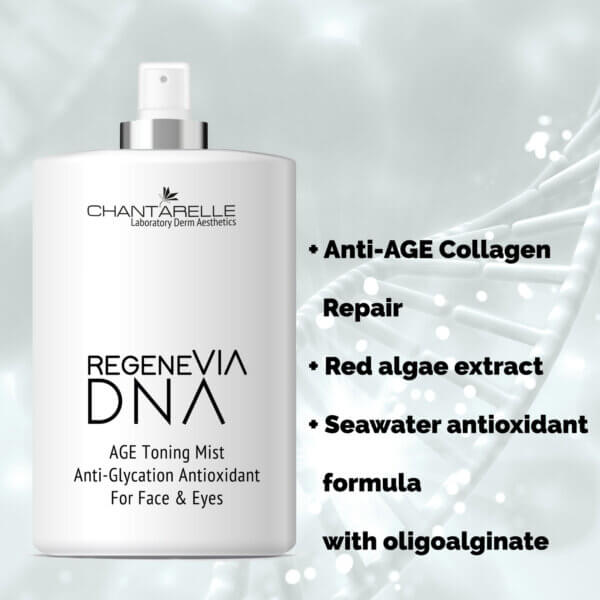
Regenevia DNA