Try our novelties and bestsellers!»




-
×
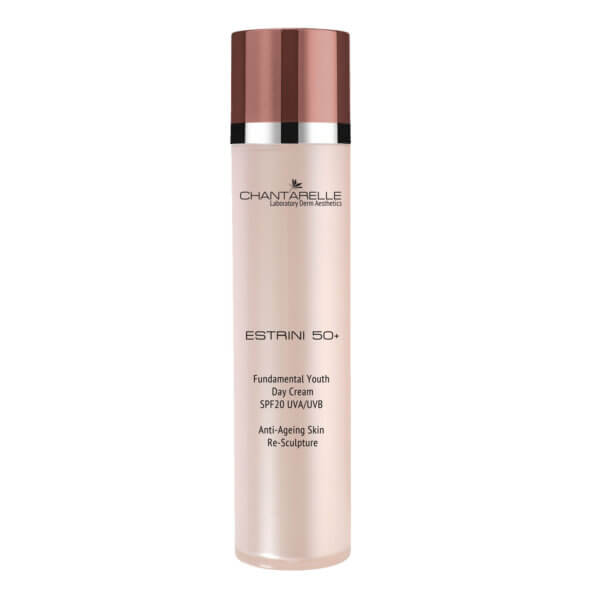 Rejuvenating Day Cream SPF20 with Phytoestrogens and Stimulating PeptidesCD1380Linia: Estrini1 × Original price was: £ 52,00.£ 48,50Current price is: £ 48,50.
 -
×
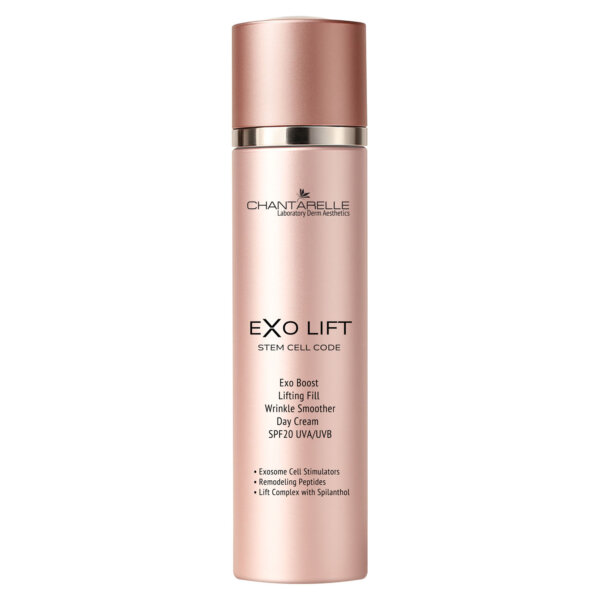 Lifting Fill Wrinkle Smoother Day Cream SPF20 with ExosomesCD1483Linia: Exo Lift1 × £ 79,00
 -
×
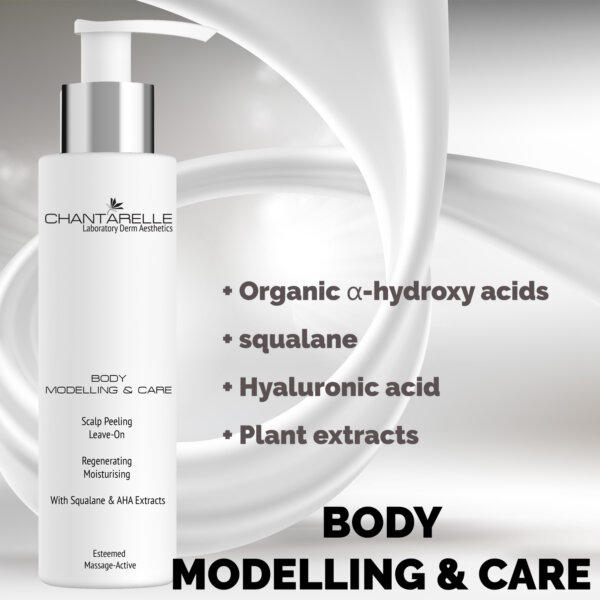
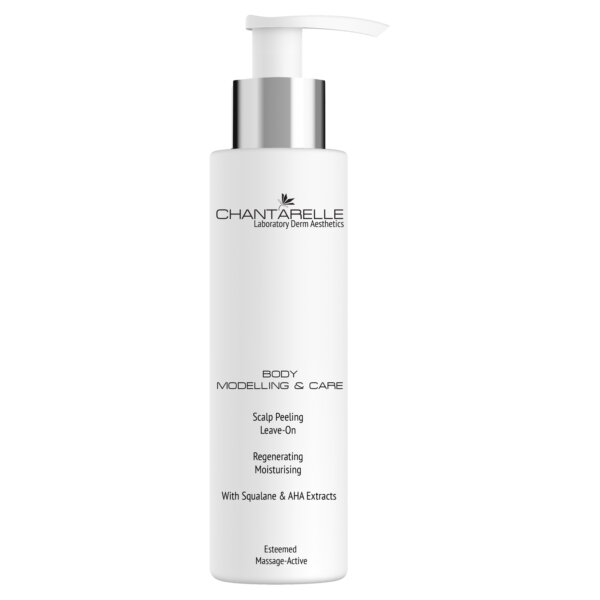 Scalp Peel with Squalane and Organic AHA AcidsCD0423Linia: Body Modelling & Care1 × £ 56,00


Active ingredients in cosmetics
Spikenard – plants in cosmetics
08
Aug
Aug
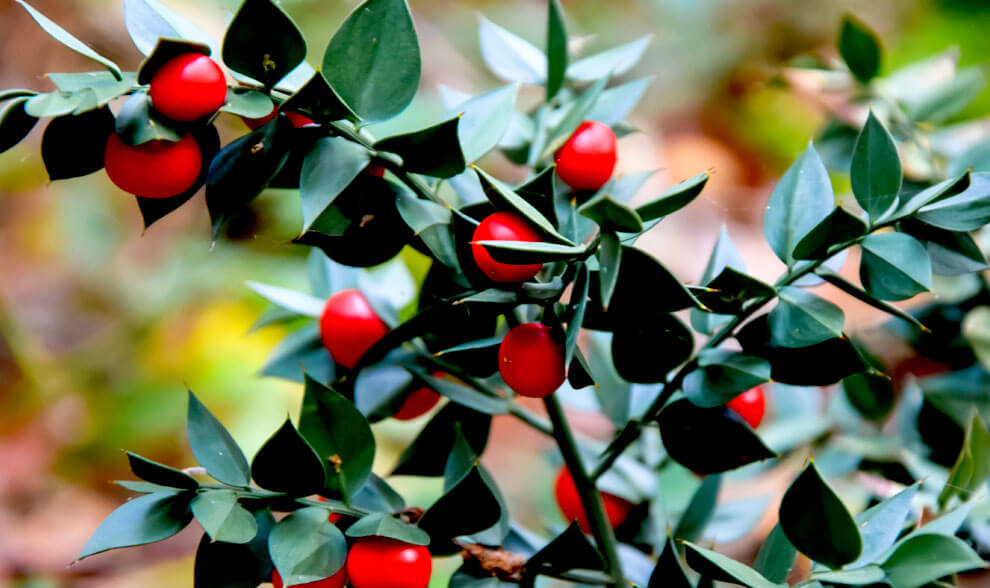
Ruscus aculeatus (Ruscus aculeatus) also known as mouse-ear, belongs to the ruscus family and grows to 25-100 cm. The flowers of this plant are small and greenish. The fruit is a scarlet berry containing 1-2 seeds. In appearance it resembles a ripe cherry tree. Ruszczyk occurs in Mediterranean and north-western European areas up to Iran. It grows at 600-1000 m above sea level in forests, thickets and mountainous areas, often accompanied by oak trees.
The rhizome is the most essential part of this plant, as it is from it that the extract used in medicine and cosmetology is produced. The steroidal saponins present in the rhizome, from which ruscogenin and neoruscogenin are extracted, make this plant unique. In addition, the rhizome extract of ruscus contains high concentrations of rutin and methylchalcone hesperidin as well as numerous essential oils, tannins, phytoestrogens and resin.
Because of the heavily distributed nature of this plant, it is known variously as Sweet broom, Ruscus, Jews Myrtle and Butcher’s broom. Butcher’s broom, or butcher’s broom, has historical significance. The branches of the shrub were formerly used to clean the butchers’ workstation. The Polish name buzzard also has a history. The plant was once believed to scare away mice. As in Italy, where it is called “mouse sting”.
Medicinal uses of ruscus
Ruscus has found many medicinal uses over the centuries. It was first mentioned in Book IV in Chapter 147 of Dioskurides’ scientific work, where decoctions of the leaves and fruit mixed with wine were described. The decoction described was recommended for inducing menstruation, to combat urinary congestion and as a diuretic. Between the 16th and 19th centuries, ruscus was used as a repellent against parasites. In 1950, French scientists isolated rhusogenin, the plant’s main saponin, from the rhizomes and root of rhuscus. Decoctions of the rhizome and root of ruscus have been used to prevent and control vascular insufficiency, urinary infections, gout and painful menstruation for several centuries.
Ruscus in cosmetology and cosmetics
Today it is used primarily in cosmetic preparations. Its unusual composition of steroidal saponins, flavonoids and tannins make it an important component of many cosmetics. Ruscus extract is mainly used in the treatment of vascular problems. Many cosmetics make use of its anti-inflammatory properties. Recent studies have detected additional rejuvenating applications of this plant. When used regularly, the extract inhibits elastase, an enzyme that destroys natural elastin in the skin, which can ultimately slow down the ageing process.
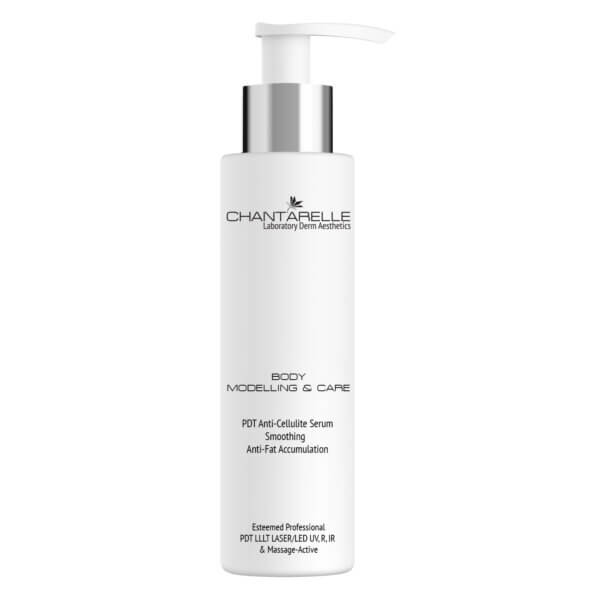
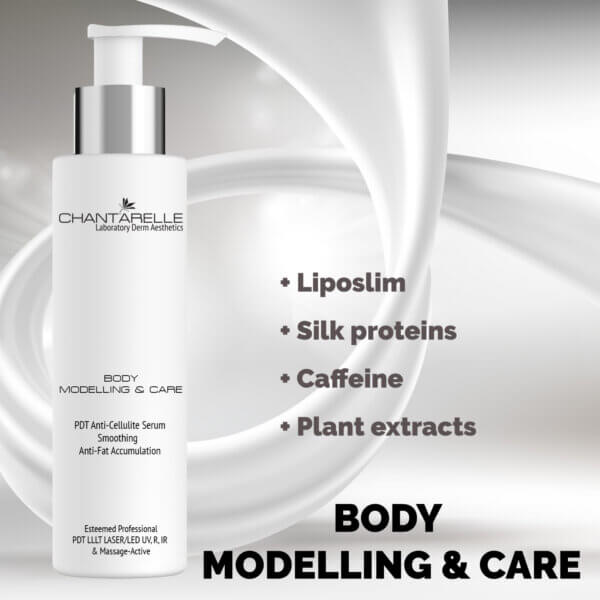
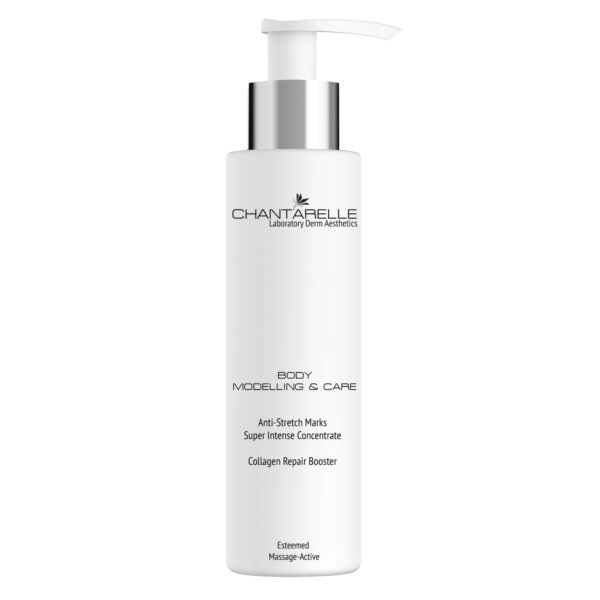
Ruszczyk w kosmety Chantarelle
Out of stock
Out of stock
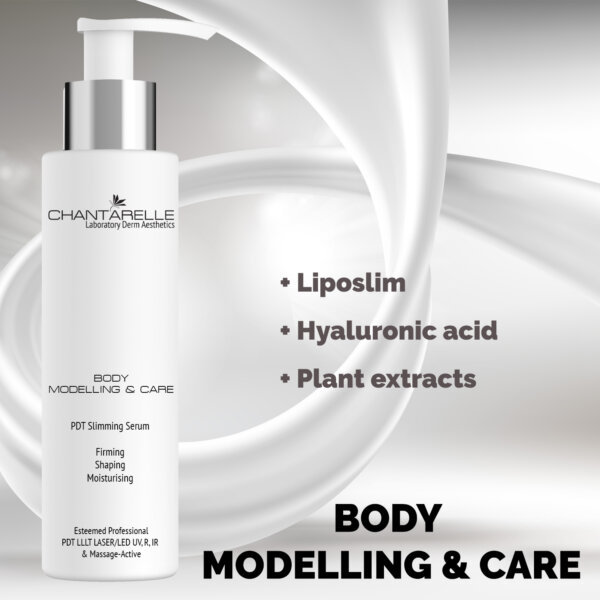
Out of stock
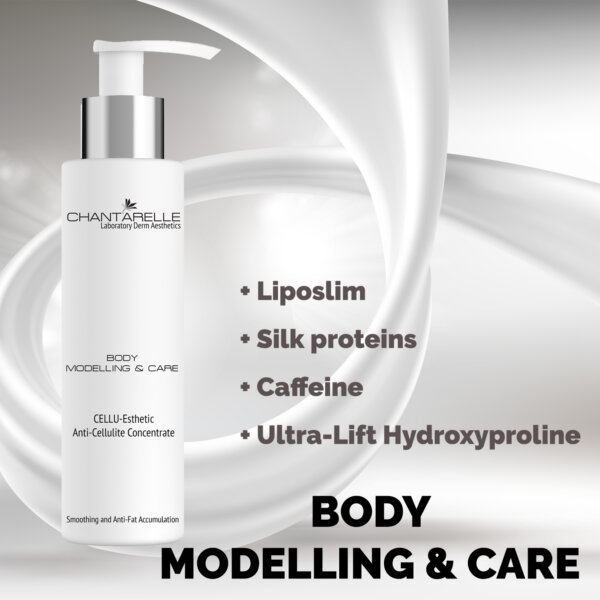
Out of stock