Try our novelties and bestsellers!»







Cosmetic treatments, Skin care at home, Tips
Tactics for correct skin hydration
Jul
Facial skin requires special care at all times of the day and year. Dryness of the epidermis negatively affects not only its appearancebutcontributes to metabolic disordersin the skin. Let’s review the main factors affecting skin hydration levels and the main causes of skin dryness. We will suggest how to moisturise skin with varying degrees of dryness.
Cause of dry skin
Before selecting and applying moisturising cosmetics, the causes of dry skin must be determined. Dry skin is primarily caused by two factors:
- transepidermal water loss (TEWL)
- sebum production
skin moisturising factors
However, the main skin moisturising factors fall into 3 groups:
- Humectants – are ingredients that attract water. They are divided into those that act superficially and those that act deeper. These include ingredients such as hyaluronic acid, NMF (Natural Moisturizing Factor), glycerine, lactic acid, alpha hydroxy acids (AHA), urea.
- <>Humectants.
- Cleansing Factors (sebum production inhibitors) – are ingredients such as beeswax, silicones, petroleum jelly, glycerin that form a protective film on the skin to prevent moisture loss.
- Factors inzmreinforcinglayers bilipids – improve the texture and appearance of the skin by filling in insufficient “gaps” in the stratum corneum. This makes the skin smoother and less rough. These include ceramides, oils rich in essential fatty acids, cholesterol.
How to moisturise the skin?
The table shows the main causes of dryness and recommendations for their elimination.
| TEWL/sebum level | increased TEWL sebum within normal range | increased TEWL sebum increased | increased TEWL sebum very reduced | TEWL normal sebum normal |
| causes of dryness | – disruption of the lipid barrier – change in lipid composition – disruption of the barrier integrity (partial removal or destruction) | – change in intercellular lipid composition due to increased sebum lipid secretion | lack of sebum | NMF deficiency |
| choice of treatments and home care | – reinforcement of the lipid composition of the barrier thanks to unsaturated fatty acids (EFAs), ceramides – regular application of humectants – maintaining moisture – occlusion – formation of a film on the surface of the skin, which inhibits excessive water loss from the epidermis, and aids the penetration of active substances into the skin. | – normalisation of sebaceous gland function and sebum secretion as this very significantly affects the skin’s hydrolipidic film – regular application of humectants, i.e. humectants – reinforcement of the lipid barrier by oils (attention – after a decrease in sebaceous gland activity) | – regular application of NMF (natural moisturising factor) – Regular application of humectants (humectant) – occlusion, i.e. the formation of a film on the surface of the skin, which inhibits the excessive loss of water from the epidermis and enhances the penetration of active substances into the skin | – regular application of NMF (natural moisturising factor) – Regular application of humectants or humectant ingredients |
| active ingredients | Trimoist™ KMF Hydrafence™ Ceramosides™ HP | Vecticell Omega Superox C Purevrin hyaluronic acid | Trimoist™ KMF Hydrafence™ Ceramosides™ HP | HYA-STIM 3-Peptide hyaluronic acid |
| cosmetic lines | Absolute Rich Moister | Sebumelan Holistic | Absolute Rich Moister | Nutri Maxx |
 dr Khrystyna Shekhovtsova
Chantarelle expert, dermatologist and aesthetic physician
Chantarelle Moisturizing Cosmetics
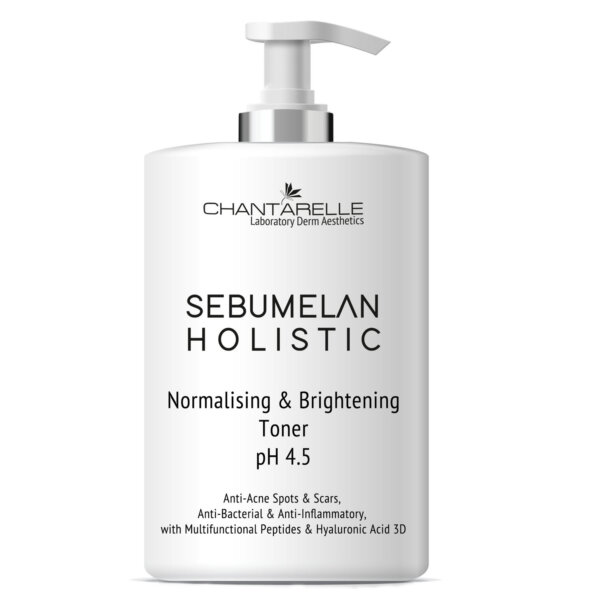
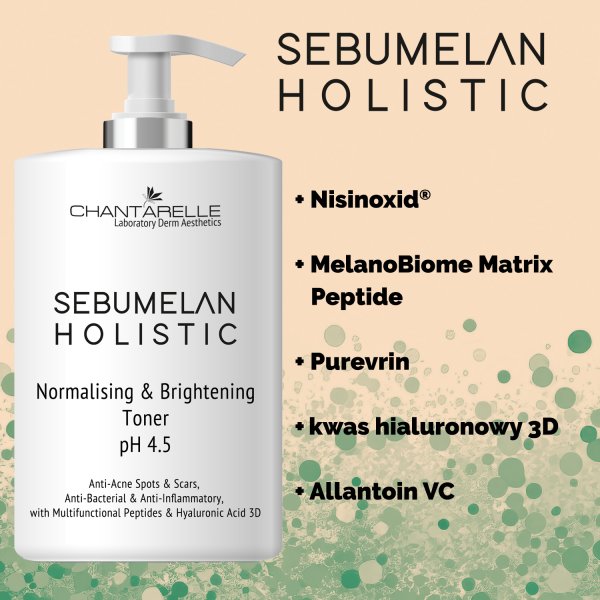
Sebumelan Holistic