Try our novelties and bestsellers!»




-
×
 Enzyme peeling pH 4.5 for acne blemishes and scars
1 × 32,00 £
Enzyme peeling pH 4.5 for acne blemishes and scars
1 × 32,00 £ -
×
 Reparative day cream SPF20 UVA/UVB with peptide growth factor EGF
1 × 56,00 £
Reparative day cream SPF20 UVA/UVB with peptide growth factor EGF
1 × 56,00 £ -
×
 Platinum Day Cream SPF50 UVA/UVB/IR Ultra Recovery and Protection with Platinum
1 × 56,00 £
Platinum Day Cream SPF50 UVA/UVB/IR Ultra Recovery and Protection with Platinum
1 × 56,00 £ -
×
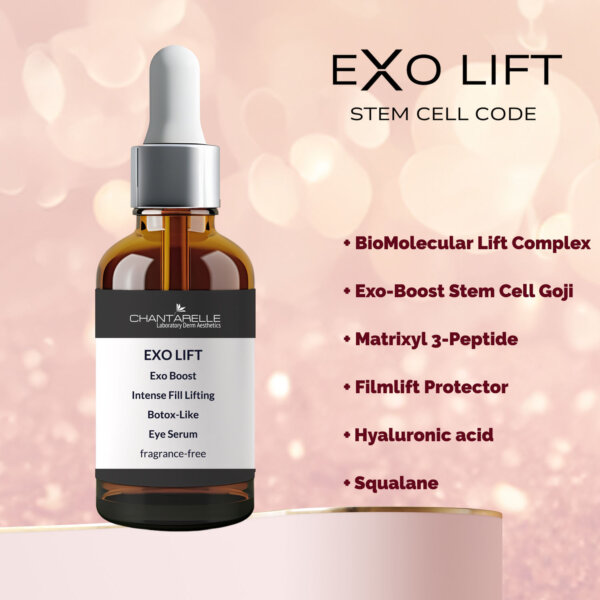
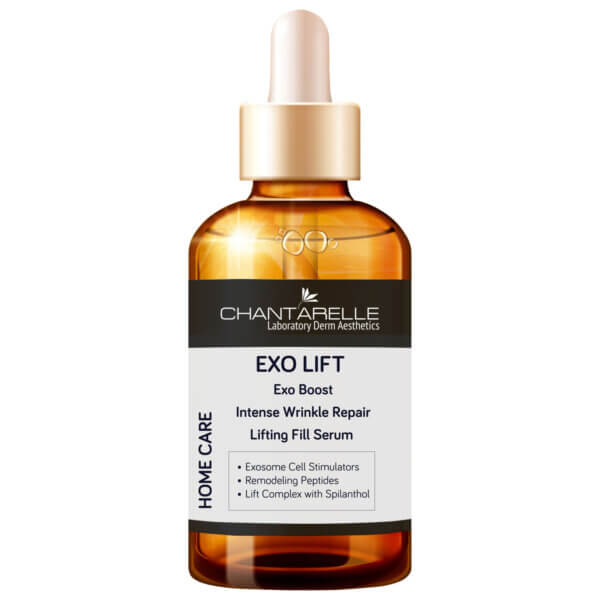 Lifting serum - Exo Boost exosome stimulator
1 × 79,00 £
Lifting serum - Exo Boost exosome stimulator
1 × 79,00 £ -
×
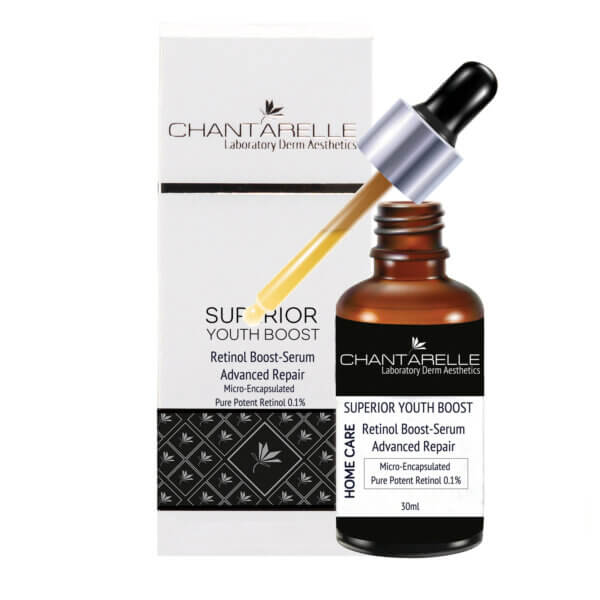 Boost Serum with microencapsulated pure retinol 0.1%
1 × 55,00 £
Boost Serum with microencapsulated pure retinol 0.1%
1 × 55,00 £ -
×
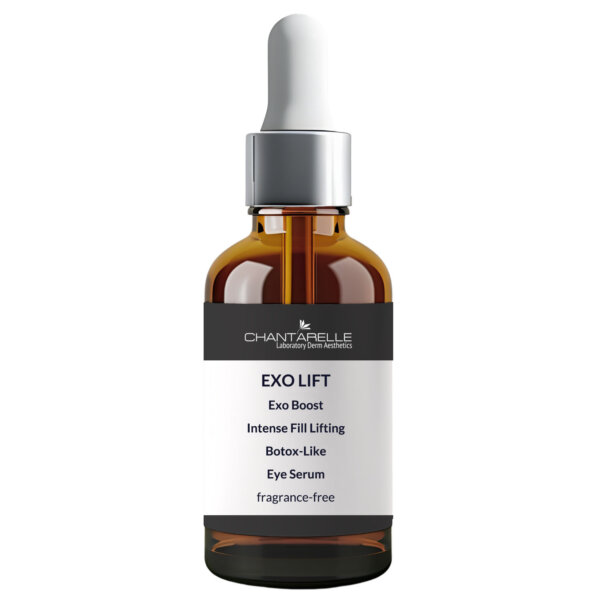 Eye lifting serum - Exo Boost exosome stimulator
2 × 55,00 £
Eye lifting serum - Exo Boost exosome stimulator
2 × 55,00 £ -
×
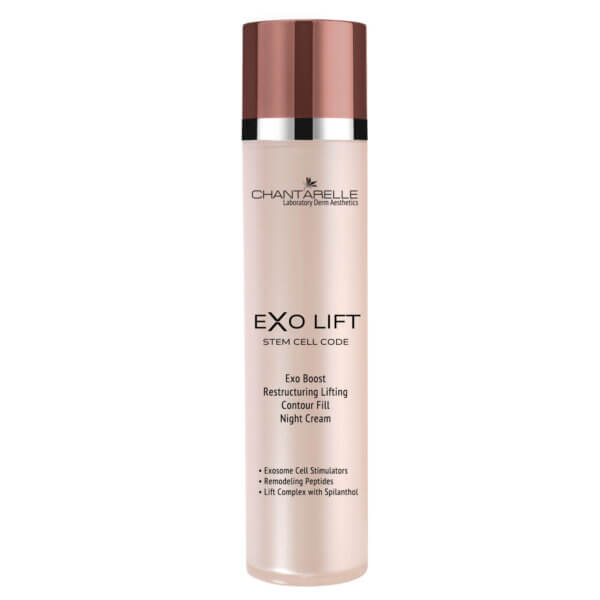 Night lifting cream - Exo Boost exosome stimulator
1 × 79,00 £
Night lifting cream - Exo Boost exosome stimulator
1 × 79,00 £


Dermatology
TEWL – transepidermal water loss – what is this process and what does it mean for the skin?
27
Jun
Jun
The skin is the main barrier between the body and the environment. One of the most important functions of the epidermal barrier is to protect against harmful external agents, but also to help transport various compounds into and out of the body.
The most important part of the epidermal barrier, on which its permeability largely depends, is the stratum corneum, which consists of corneocytes and the intercellular space filled with lipids. The criterion for a healthy epidermal barrier is TEWL, or transepidermal water loss. In turn, an increase in transepidermal water loss leads to epidermal hyperplasia and hyperkeratosis.
Hyperplasia (otherwise known as proliferation) generally refers to an enlargement of a tissue or organ as a result of an increase in the number of cells.
Hyperkeratosis (Latin: hyperkeratosis) is an excessive keratinisation of the epidermis. In this condition, the stratum corneum, the outermost layer of the skin, thickens. Under normal conditions, the epidermis recovers in 26-28 days.
Structure of the lipid layer
The lipid layer is a well-organised structure consisting of polar molecules with hydrophilic ‘heads’ and hydrophobic ‘tails’ hidden in the middle and forming a bilipid layer. The structure of this layer resembles a domain-mosaic model. The permeability function of the stratum corneum is active in both directions. Protection against external water-soluble substances depends on the correct ratio of epidermal lipids to ceramides, fatty acids and cholesterol. Ceramide-1, which contains linoleic acid (Omega-3) not synthesised in the body, plays a special role in ensuring permeability. Linoleic acid ensures the structuring and proper binding of lipid layers.
Epidermal barrier function assessment (TEWL)
Evaluation of the epidermal barrier usually involves measurement of transepidermal water loss (TEWL), thus providing information on its permeability under different conditions. A low TEWL is usually characteristic of intact skin under known conditions. Elevated TEWL values are observed in many diseases with impaired barrier function (for example, atopic dermatitis, fish scales, psoriasis, etc.) and in cases of exposure to aggressive agents on the skin (for example, use of detergents, chemical solvents or physical irritants). TEWL assessment helps to establish the relationship between the normal state of the epidermal barrier and changes after exposure to various external stimuli.
 dr Khrystyna Shekhovtsova
Chantarelle expert, dermatologist and aesthetic physician
Literature:
- Bak H.,Hong S.P., Jeong S.K., Choi E.H., Lee S.E., Ahn S.K. Altered epidermal lipid layers induced by long-trm exposure to suberythermal-dose ultraviolet. Int J Dermatol. 2011 50(7)
- Permeability barrier disruption coordinately regulates mRNA levels for key enzymes of cholesterol, fatty acid, and ceramide synthesis in the epidermis.
- Harris IR, Farrell AM, Grunfeld C, Holleran WM, Elias PM, Feingold KR.J Invest Dermatol. 1997 Dec;109(6):783-7
- Role of ceramide structure and its microenvironment on the conformational order of model stratum corneum lipids mixtures: an approach by FTIR spectroscopy. Corbe E, Laugel C, Yagoubi N, Baillet A.Chem Phys Lipids. 2007 Apr;146(2):67-75
- The skin barrier in healthy and diseased states. Bouwstra JA, Ponec M.Biochim Biophys Acta. 2006 Dec;1758(12):2080-95
- Stratum Corneum Lipids: Their Role for the Skin Barrier Function in Healthy Subjects and Atopic Dermatitis Patients. van Smeden J, Bouwstra JA.Curr Probl Dermatol. 2016;49:8-26.
Intensive moisturising cosmetics
New
Sebumelan Holistic
New
New
New
New
For professionals only
New
For professionals only
New
New