Try our novelties and bestsellers!»




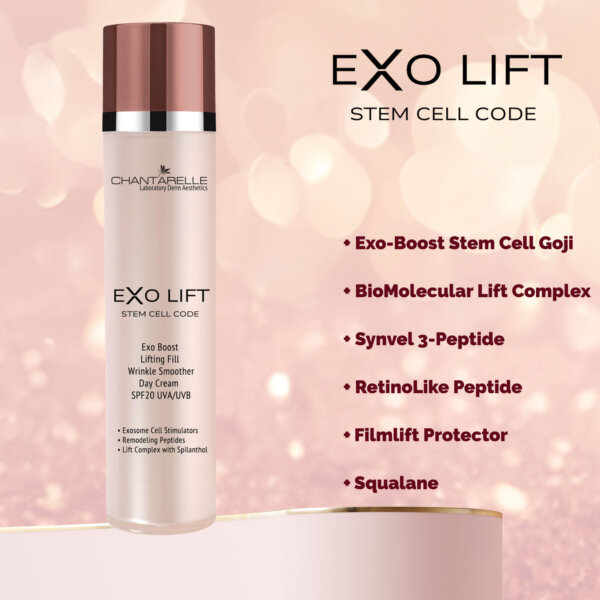
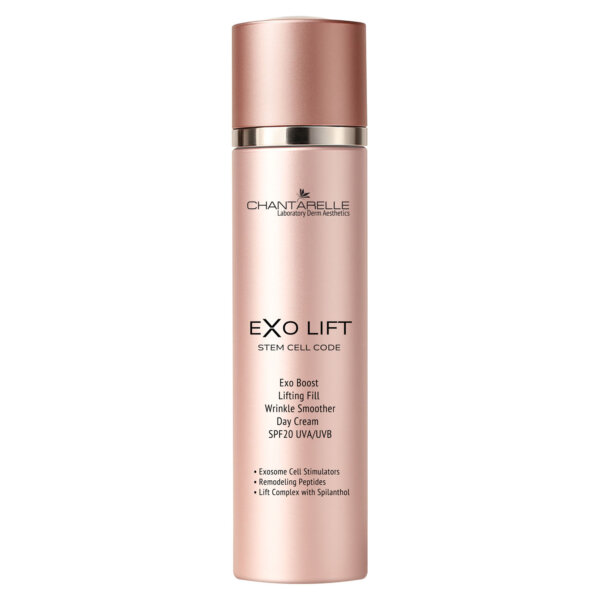 Lifting Fill Wrinkle Smoother Day Cream SPF20 with Exosomes

Skin care at home, Dermatology
The fashion for UV filters

Jul
Sunlight has a special effect on our skin. It affects many signalling pathways in its cells in both positive and negative ways. Excessive UV radiation can cause serious, sometimes even irreversible changes. We are most exposed to the harmful effects of the sun during infancy, when the skin is just beginning to develop its natural protection against environmental factors.
PUF photoprotection
In spring and summer, we should pay particular attention to photoprotection and the prevention of sunburn symptoms. Above all, preparations with sufficiently high UVA and UVB filters should be selected. It is worth explaining what effective protection consists in UV filters, contained not only in cosmetic preparations, but also in clothing. In the hottest weather we see babies wearing only a nappy. The baby is then exposing his or her delicate, not yet fully developed skin to direct sunlight. Even when the baby has been treated with a suitable UV filter, such action is highly irresponsible. Very often such young children later suffer extensive skin burns. We should remember that UV radiation also reaches the skin when we are in the shade, swimming in the pool and diving underwater, as well as when we wear thin, airy cotton clothing. The water, being in the shade or our clothes – limit to a certain extent the amount of sunlight reaching our skin, but they may not protect us from sunburn after being in the sun for too long. Manufacturers of modern, protective fabrics offer the appropriate UPF (ultraviolet protection factor) for the fabric structure. The weakest protection is offered by airy cotton and white clothing. This is then comparable to a UV filter of SPF 5. Interestingly, dark clothing protects the skin much better than light clothing. Densely woven fabrics and plastics such as nylon or polyester are the most effective. But how many people wear nylon clothing in summer?
Anti-UV fabrics
It’s worth knowing that there are specially designed anti-UV fabrics. These are very tightly woven polyester garments that allow the skin to ‘breathe’ so we don’t sweat. In addition to being tightly woven, the material is enriched with titanium dioxide particles. This is another example, after medicine, cosmetology and electronics, of the use of nanotechnology in everyday life. Anti-UV fabrics are sometimes also improved by infusing a special pigment into their fibres, which further absorbs UV radiation. Such fabrics protect us quite well against UVA and UVB radiation. In addition, they do not lose their properties after repeated washing. Traditional fabrics absorb much less light when stretched or when wet. With anti-UV fabric, no matter how wet or stretched, the fabric retains its protective properties. There is a simple way to test how much our clothing absorbs light. Simply cover a lit bulb in a dark room with one layer of fabric and see how much light enters the room. In comparison, doing this test with an anti-UV garment after covering the bulb with such a fabric, the room still remains dark. There are also anti-UV clothes on sale made according to an older technology – coating the clothes with a filtering substance. However, according to the opinion of dermatologists, such clothes very often caused contact dermatitis through prolonged contact with skin-active substances. An additional disadvantage of this technology was that the sun protection effect decreased with each washing. When choosing clothes for summer with sensitive skin or for the delicate skin of children, pay attention to the UPF that a particular brand of clothing offers. If it is marked with a factor above UPF30, it already provides us with a fairly high protective effect. If it is UPF 50+, the protection is guaranteed to catch up to 99.7 % of the sun’s rays.
Protective clothing and eyewear
When packing your holiday suitcase, it is also imperative to remember an airy hat or scarf and sunglasses with tinted lenses. Adolescents and adults love to wear sunglasses to hide their tiredness, lack of make-up or as part of a summer look. We often forget that children also need eye protection, and on the market you will find a wide range of glasses for children from the first day of life with special headbands. When buying glasses for your child, choose glasses with an SPF 400 filter, and remember that high-quality glasses and special photoprotective fabrics are only available in specialist shops. They are usually much more expensive than their less valuable counterparts, which, however, will not provide adequate protection.
How else can we protect ourselves from the harmful effects of the sun? Where else can we find protection with UVA/UVB filters? Special glazing and blinds and curtains for car and house windows, umbrellas for pushchairs, optical glasses and lenses, footwear, screens, tents and beach umbrellas – the range of products is now very extensive.
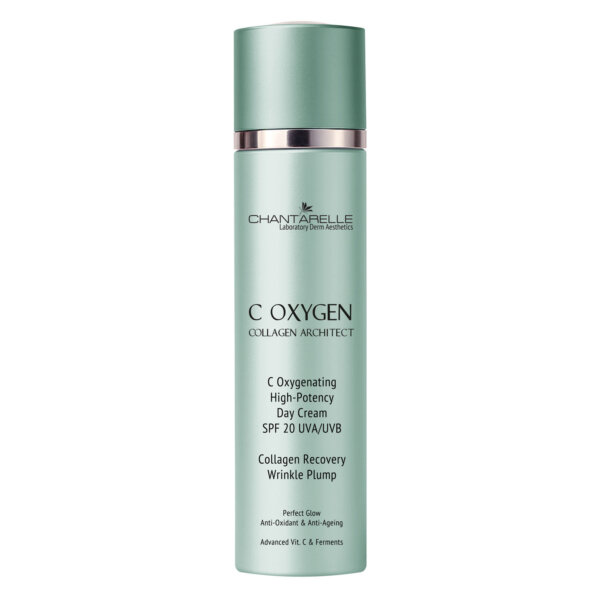
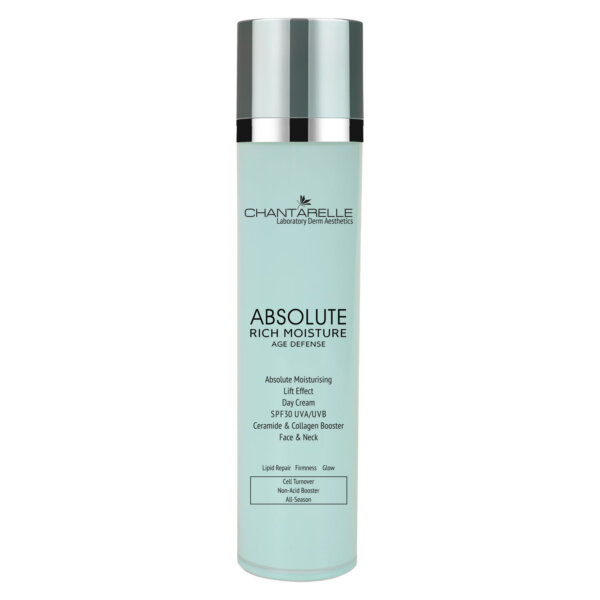
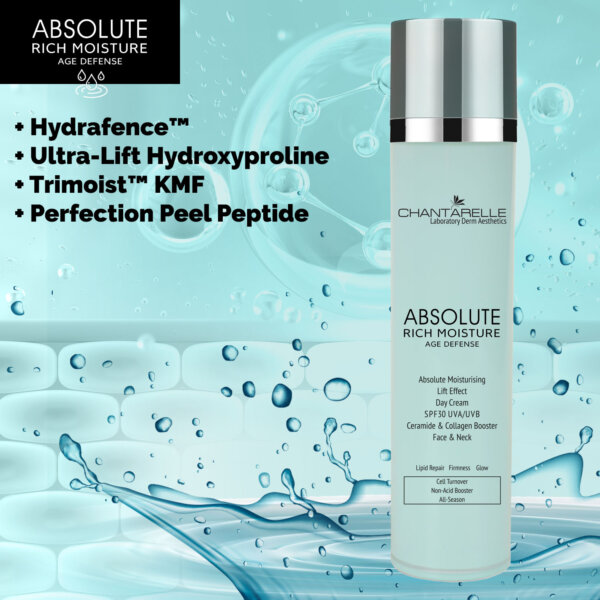
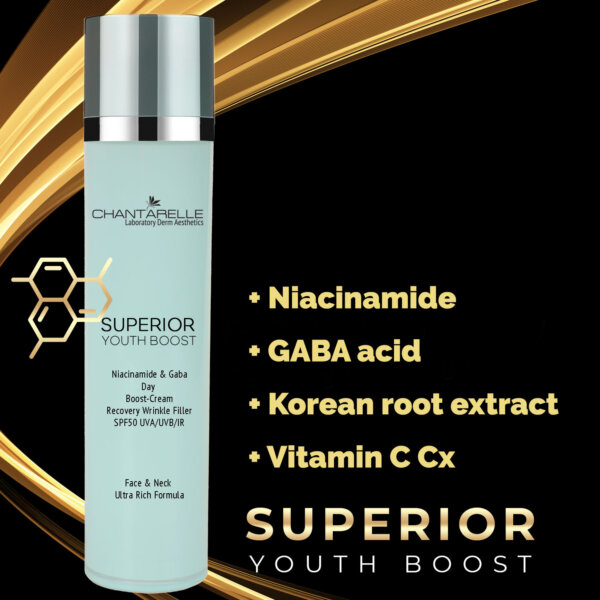
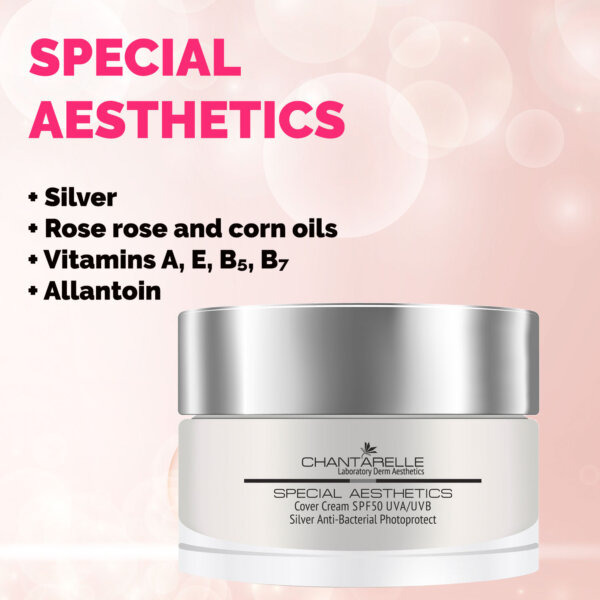
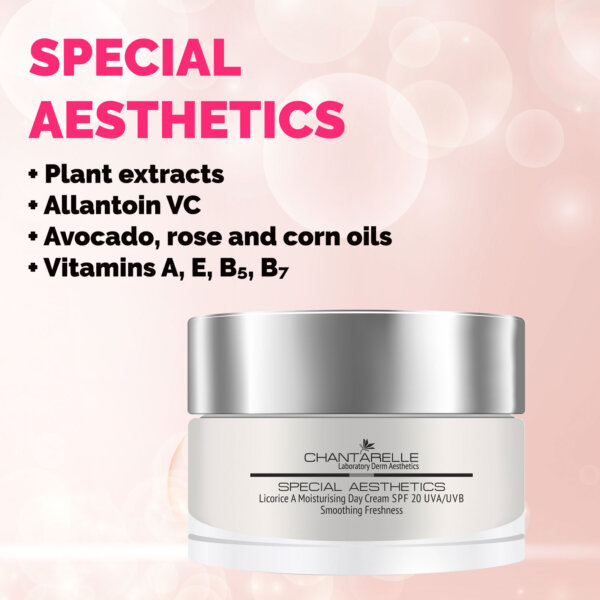
Chantarelle cosmetics with UV filters