Try our novelties and bestsellers!»



-
×
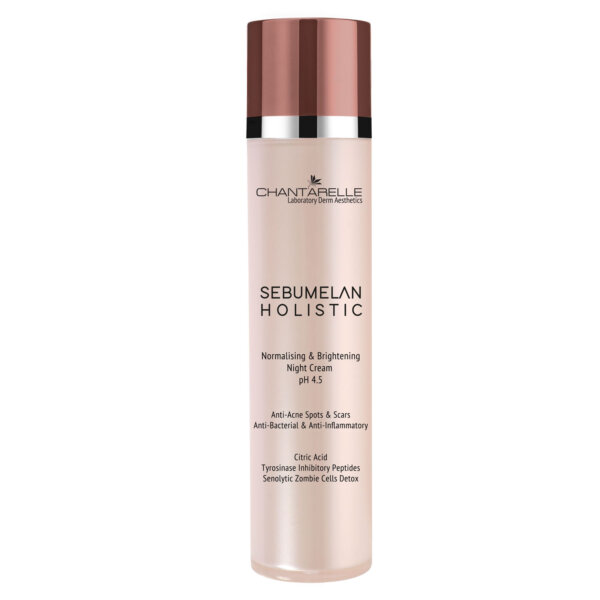 Night cream pH 4.5 for acne blemishes and scars
1 × 55,00 £
Night cream pH 4.5 for acne blemishes and scars
1 × 55,00 £ -
×
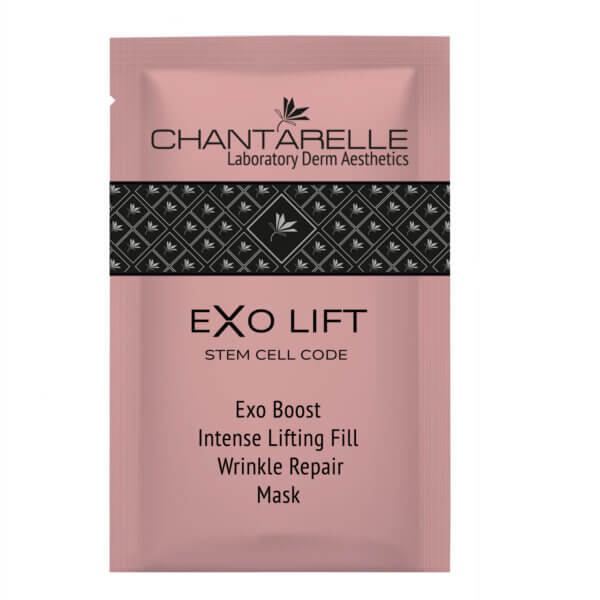 Lifting mask - Exo Boost exosome stimulator
1 × 5,50 £
Lifting mask - Exo Boost exosome stimulator
1 × 5,50 £ -
×
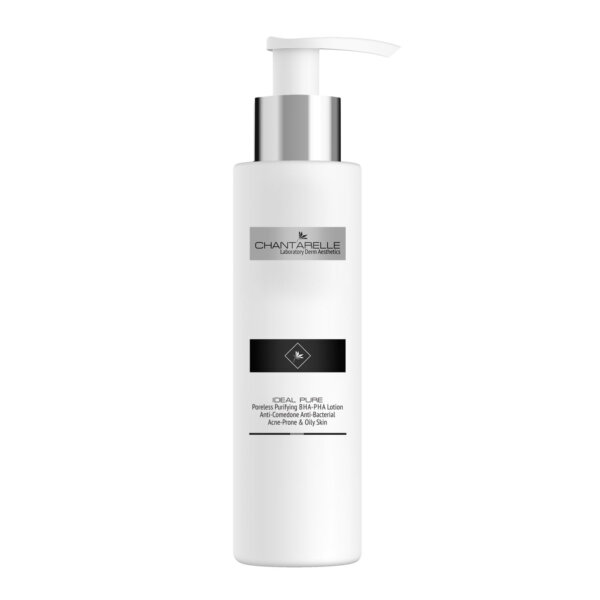 Antibacterial lotion with salicylic acid and gluconolactone
1 × 36,00 £
Antibacterial lotion with salicylic acid and gluconolactone
1 × 36,00 £ -
×
 Reparative night cream with EGF growth peptide factor
1 × 56,00 £
Reparative night cream with EGF growth peptide factor
1 × 56,00 £ -
×
Fundamental 26% youth concentrate for the skin of mature women
1 × 52,00 £
-
×
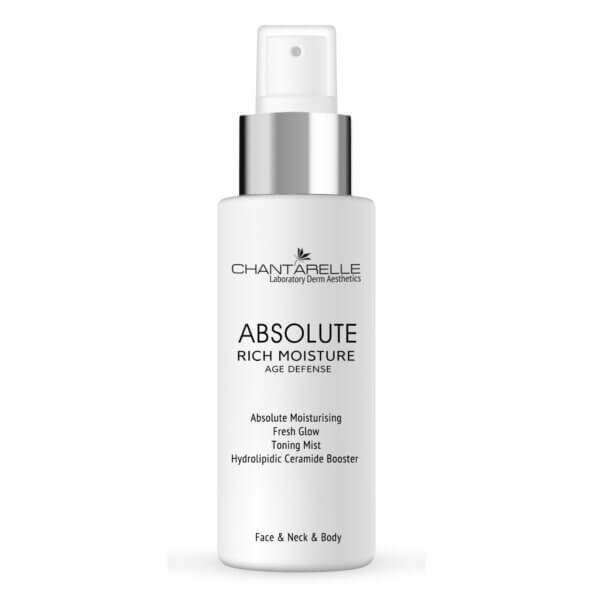 Toning mist for face, body and hair - absolute hydration
1 × 31,00 £
Toning mist for face, body and hair - absolute hydration
1 × 31,00 £ -
×
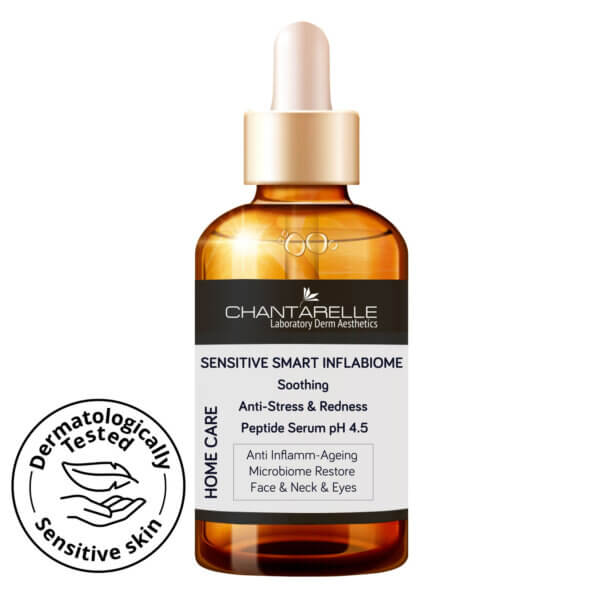 Peptide serum for sensitive skin, anti-stress and soothing pH 4.5
1 × 55,00 £
Peptide serum for sensitive skin, anti-stress and soothing pH 4.5
1 × 55,00 £ -
×
 Soothing isotonic tonic, strengthening capillaries
1 × 25,00 £
Soothing isotonic tonic, strengthening capillaries
1 × 25,00 £



Dermatology
Up to 415 million people worldwide affected by rosacea
03
Feb
Feb
How many people in the world may have rosacea? An attempt to estimate the population affected by the condition was undertaken by researchers in Denmark and the estimate was as many as 415 million people affected by rosacea.
Rosacea – statistics
The research was led by Dr Jacob Thyssen of the University of Copenhagen, Denmark, who, together with his team, conducted a structured review of population-based studies on the incidence and prevalence of rosacea. Thirty-two studies from around the world covering 26.5 million patients were analysed. The proportion of those who suffered from rosacea ranged from 0.09% to 22.41% depending on the study. The average from all studies was 5.46%, which recalculated to 414,960,000 people affected by rosacea worldwide. To date, the incidence of acne rosacea has been estimated at 1-10% of the population according to various studies, more commonly in people with skin phototype I and II.
The percentage obtained in the comparative study differed depending on whether the declarations were completed by patients or doctors. In the case of the former, it was 9.71%, while doctors diagnosed the condition in 5.53% of cases, which means almost twice as many misdiagnoses.
The percentage of misdiagnoses in the study varied between patients and doctors.
Dr Thyssen’s team said that further studies will be needed to more accurately estimate the number of rosacea sufferers worldwide. In the US, no relevant epidemiological studies have yet been done, but the National Rosacea Society estimates the number of Americans with rosacea to be around 16 million. The findings from Denmark, an average rate of 5%, were used to estimate this number. It refers to people who have an apparent diagnosis of the disease at a clear stage.
Rosaceous acne – origins and symptoms
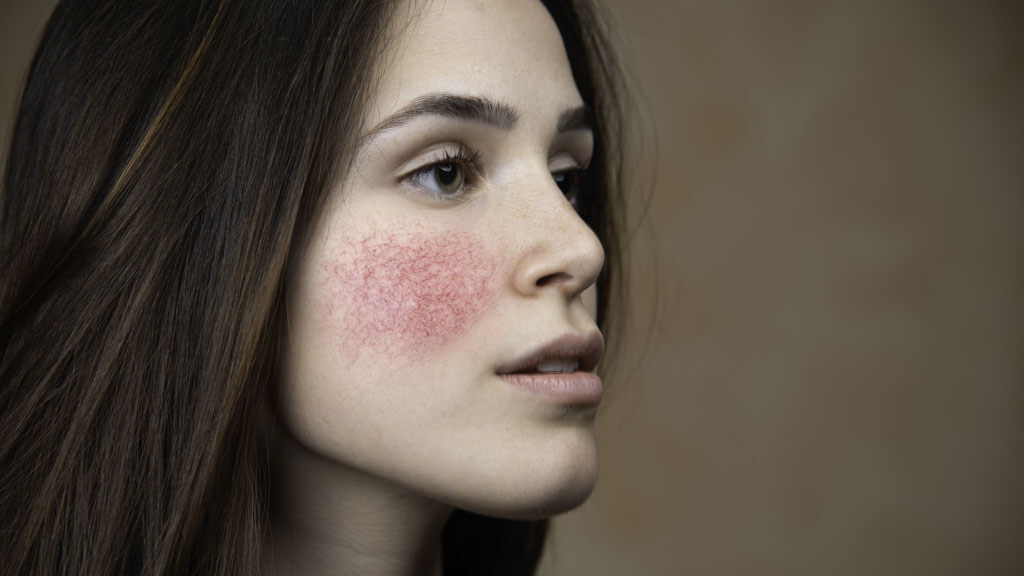
Rosaceous acne is a difficult to treat, chronic facial skin condition characterised by relapses and remissions. It usually starts after the age of 30, although the first changes can be seen after the age of 25 as redness involving the cheeks, nose, chin or forehead, which may appear and periodically disappear. The risk of rosacea is increased by seborrhoeic dermatitis and acute juvenile acne.
As time passes, the redness becomes redder and more persistent, and broken capillaries appear. Without appropriate treatment, nodules, papules and pustules additionally appear. In the most severe cases, the nose may swell from excess tissue hypertrophy of the nasal tissue occurs – rhinophyma. In about half of patients the symptoms are also accompanied by eye problems, irritation, redness.
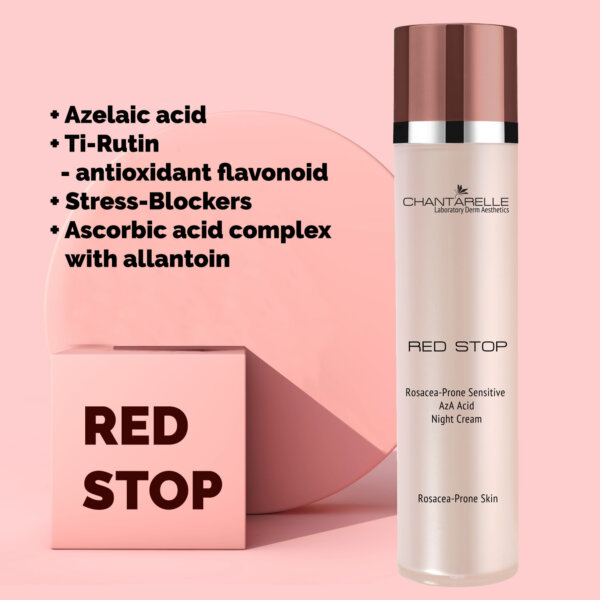
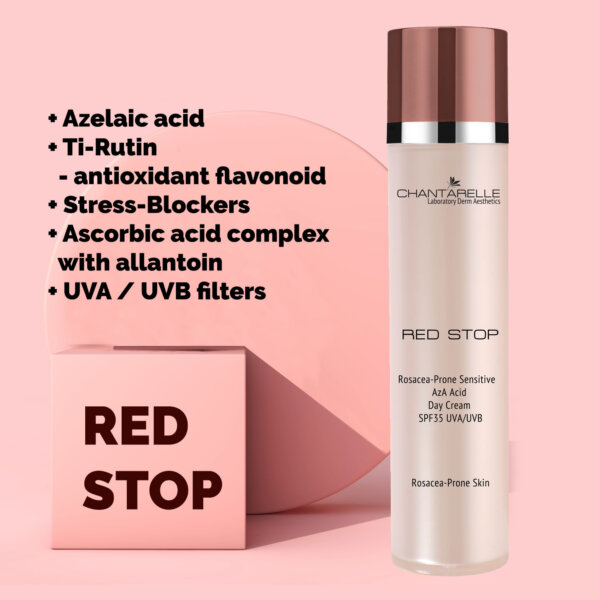
Cosmetics for skin with rosacea symptoms
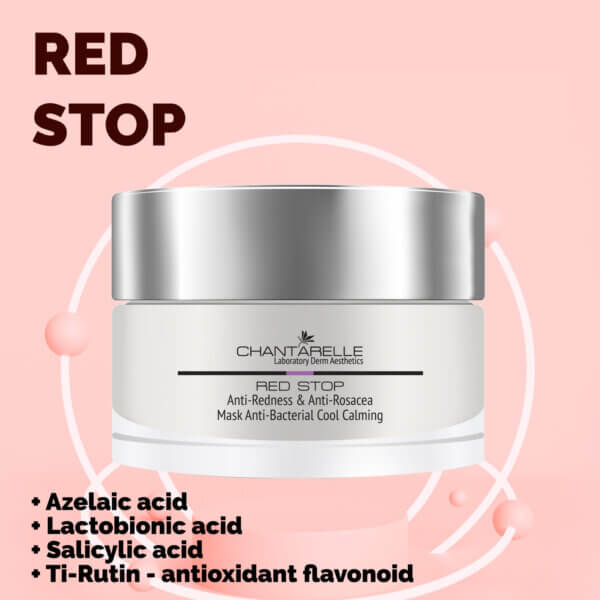
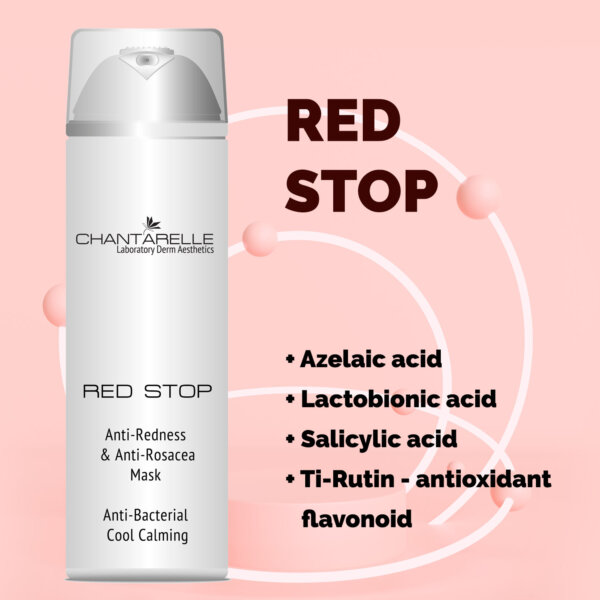
For professionals only
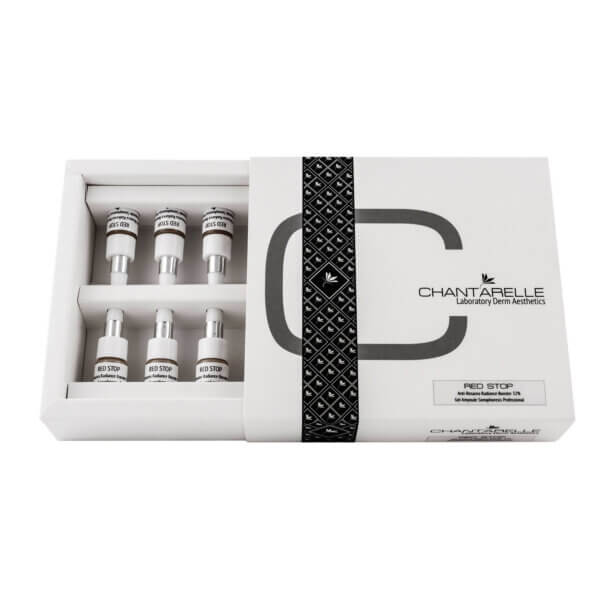
For professionals only